
By Rick VanSickle
With the 2025 grape harvest nearing completion, all signs are pointing to an exceptional wine vintage in Niagara.
Also in this Niagara Wine Report: A Zweigelt from Lailey that sings, and our recommendations from the Vintages release Saturday including, Cloudsley Cellars, Henry of Pelham, Southbrook, 2027 Cellars, and a beauty of a Malbec from Ann Sperling and Peter Gamble’s Argentina project called Versado.
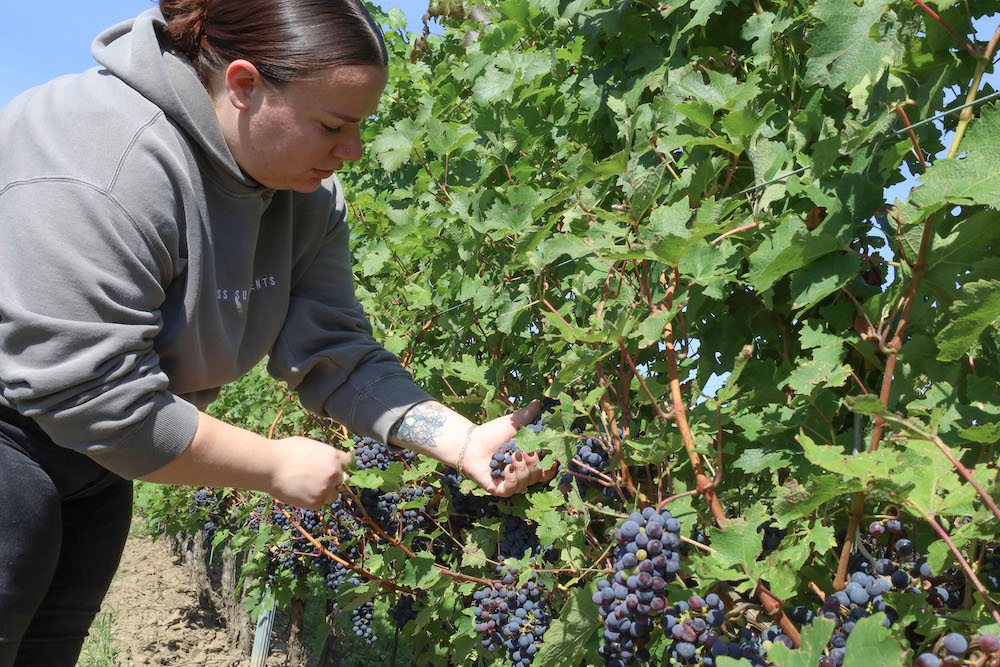
Unlike a year ago, there doesn’t seem to be an over-supply of grapes, with a nearly equal number of buyers and sellers advertising on the Grape Growers of Ontario classified forum. In 2024, there were over 3,500 tonnes unsold at this time, with most of the over-supply focused on the more expensive Bordeaux reds, particularly Merlot and Cabernet Franc.
Debbie Zimmerman, the CEO of GGO, said in 2024, “it’s shaping up to be really bad. Growers are under the gun and we’re trying to fix the surplus.” But the mood in 2025, with a comfortable harvest unfolding, is much more optimistic.
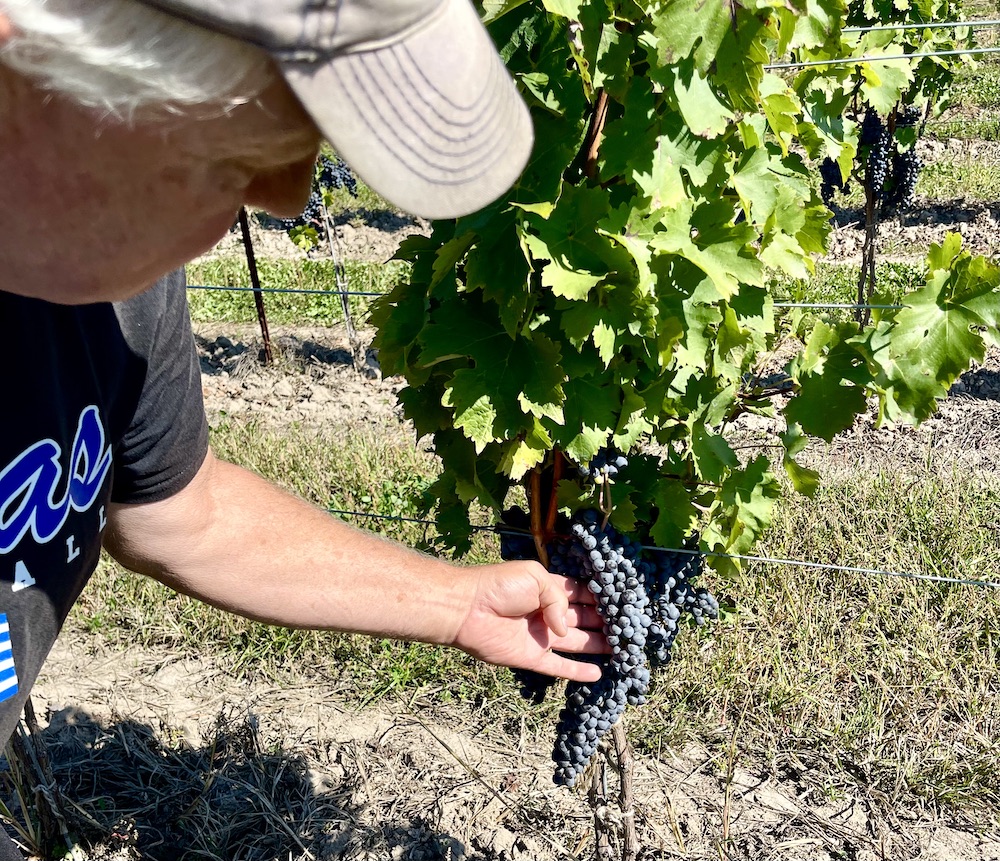
Many Ontario wineries locked in their grape contracts with growers early, hedging their bets on high demand for Ontario VQA wines – wines made from 100% Ontario-grown grapes – that show 67% growth overall at the LCBO due in part to the continuing ban on U.S. alcohol products.
Said Paul Speck, president of Henry of Pelham in Niagara, the “LCBO has been very supportive of VQA wines during the tariff era. They have replaced California wine shelf space with mostly VQA wines and have brought in more wines from smaller wineries and have increased distribution of all VQA general list wines throughout the province.”
The grapes harvested from the 2025 look promising in the early going, with slightly lower yields, but high quality up and down the list of varieties that do best in Ontario.

Experts from Brock University’s Cool Climate Oenology and Viticulture Institute (CCOVI) said in a news release that the region is headed for a good crop despite the summer’s extreme heat and lack of rain. “It looks like it is going to be an example of quality over quantity,” said CCOVI researcher and associate professor Jim Willwerth.
A damp spring combined with current moderate daytime highs and cooler evenings helped to mitigate worries caused by the hot and dry summer conditions, said Willwerth.
“I don’t think it will be a short crop year, just some reduced yields when comparing to other years, especially for those growers without irrigation,” he says, adding that a smaller yield due to smaller berries on the vine traditionally means more concentrated and desirable flavours in the grapes.
GGO chair Matthias Oppenlaender shares Willwerth’s optimistic outlook on this year’s harvest while also acknowledging the likelihood of a lower yield. “The heat and drought in the summer were a challenge,” he said. “But even with a lower crop, the quality is excellent. We hope the cool nights and sunny days continue to carry us through to the end of harvest.”
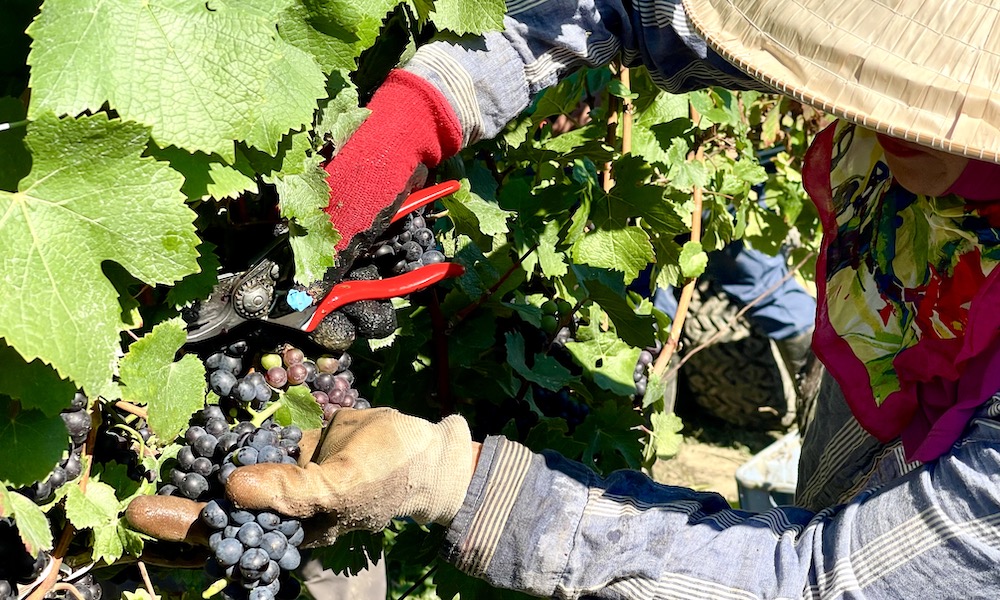
Temperatures reached extreme highs over the summer, with several extended heat waves consistently measuring over 35 C. Worries of a short crop were compounded by limited summer rainfall, with many areas of Niagara getting a third of their normal precipitation, Willwerth said. “Most rain, if it did arrive, came in brief thunderstorms that did not allow the soils to absorb much water,” he said. Meanwhile, fall has been near perfect with sunny, warm days and cool nights and not a lot of rain to prompt disease pressure.
Willwerth is hopeful the rest of October will see continued moderate temperatures and some precipitation for the late-ripening varieties. Too much heat now, he said, will have a poor impact on acidity and flavours in the grapes, and drier conditions can help reduce diseases that can be caused by moisture and humidity.
CCOVI senior oenology scientist Jennifer Kelly said the outlook is positive for local grape growers. “The weather we are having now is really helping with a favourably slow progression of ripening,” she says, adding that the ripening rate could mean harvest 2025 will be extended by a couple weeks into early November. We are finding that sugar accumulation and acid degradation is happening a bit slower than it did last year,” she says. “More time on the vine is always a good thing.”
Oppenlaender agrees and said he expects this year’s conditions will result in a vintage that local growers and connoisseurs will happily remember. “It will make for outstanding 100% Ontario grown VQA wine,” he says. “I am looking forward to tasting them.”
Serious Zweigelt from Lailey winery

Zweigelt 2022 ($38, available at winery or online, 93 points) — Sadly, this is the last vintage of the estate’s historic Zweigelt grapes that were planted 35 years ago. The gnarly vines were pulled out after the 2022 vintage, but “Zweigelt has captured our hearts and more than proven itself to grow beautifully in this vineyard, so it will be replanted next year,” said Lailey retail/marketing manager Thomas Reid. As Zweigelts go, the Lailey version, planted by Donna and David Lailey (the original owners of the winery) in 1990, is among the best serious Zweigelts made in Ontario, and the 2022 vintage only further suppports that reputation. The wine spent 23 months in French oak, mostly neutral barrels, prior to bottling. It shows a much deeper ruby colour in the glass than the 2021 vintage with a profoundly vivid nose of ripe black cherries, wild raspberries, blueberries, savoury/earthy notes, red currants, subtle herbs and vanilla-tinged spice notes. It’s really quite elegant on the palate with a smooth texture, followed by a nicely integrated melange of ripe red berries, Muskoka blueberries, anise, black currants and spice notes on a finish that is finessed and long. Can cellar this through 2035.
Our picks from Niagara wines
coming to Vintages stores Oct. 25

2027 Cellars Wismer Vineyard Foxcroft Block Riesling 2023 ($19, 93 points) — Wismer Fox Croft tends to be slightly warmer than other sites on the Twenty Mile Bench, due to the lower elevation, and yields a riper style of Riesling. This is bright and overt on the nose with golden apples, lime-citrus, wet-stone minerality, and grapefruit zest. It has lovely texture and energy on the palate with saline/chalky notes, lanolin, grapefruit, ripe apple, a touch of ginger and a vibrant, freshening finish.
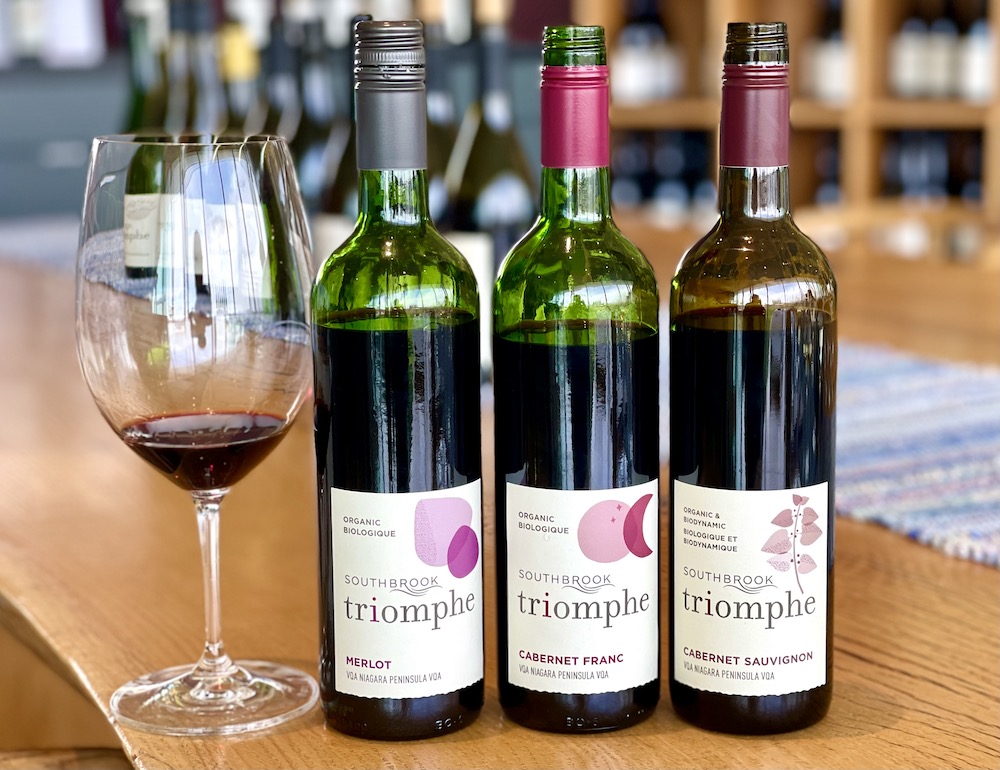
Southbrook Triomphe Organic Cabernet Sauvignon 2021 ($30, 91 points) — This is all from estate fruit and is bottled unfined with light filtration. The grapes were fully destemmed and fermented wild in eight-ton oak fermenters and left on skins for 31 days. After pressing, the wine was aged in French oak barrels for 18 months before careful barrel selection and blending. Quite fruit-laden on the nose with intense cassis, blackberries and Morello cherries with integrated spice notes. The palate shows firm structure and more meat on the bones with a melange of dark berries, polished tannins, more evident spice and a lifted, long finish.

Cloudsley Twenty Mile Bench Pinot Noir 2020 ($37, 92 points) — Proprietor Adam Lowy says that his 2020 Burgundian variety wines are “stylistically in line with what we do” despite the warmer vintage of previous harvests. His Twenty Mile Bench Pinot Noir is a blend of Glen Elgin, Parke, Hanck and Homestead vineyards aged in 20% new oak. I have to admit right here and now that I am impressed with the 2020 vintage despite the heat, and it shows here in this multi-vineyard Pinot Noir. This is nicely perfumed with brambly raspberries, red cherries and red currants that is fruity without being too earthy with just a pinch of spice. The medley of red fruits is integrated on the palate with ever-so-subtle savoury/earthy notes adding complexity, a touch of anise, smooth tannins, and a finessed finish. You can age this 5+ years.
And a beauty from Argentina’s Versado winery
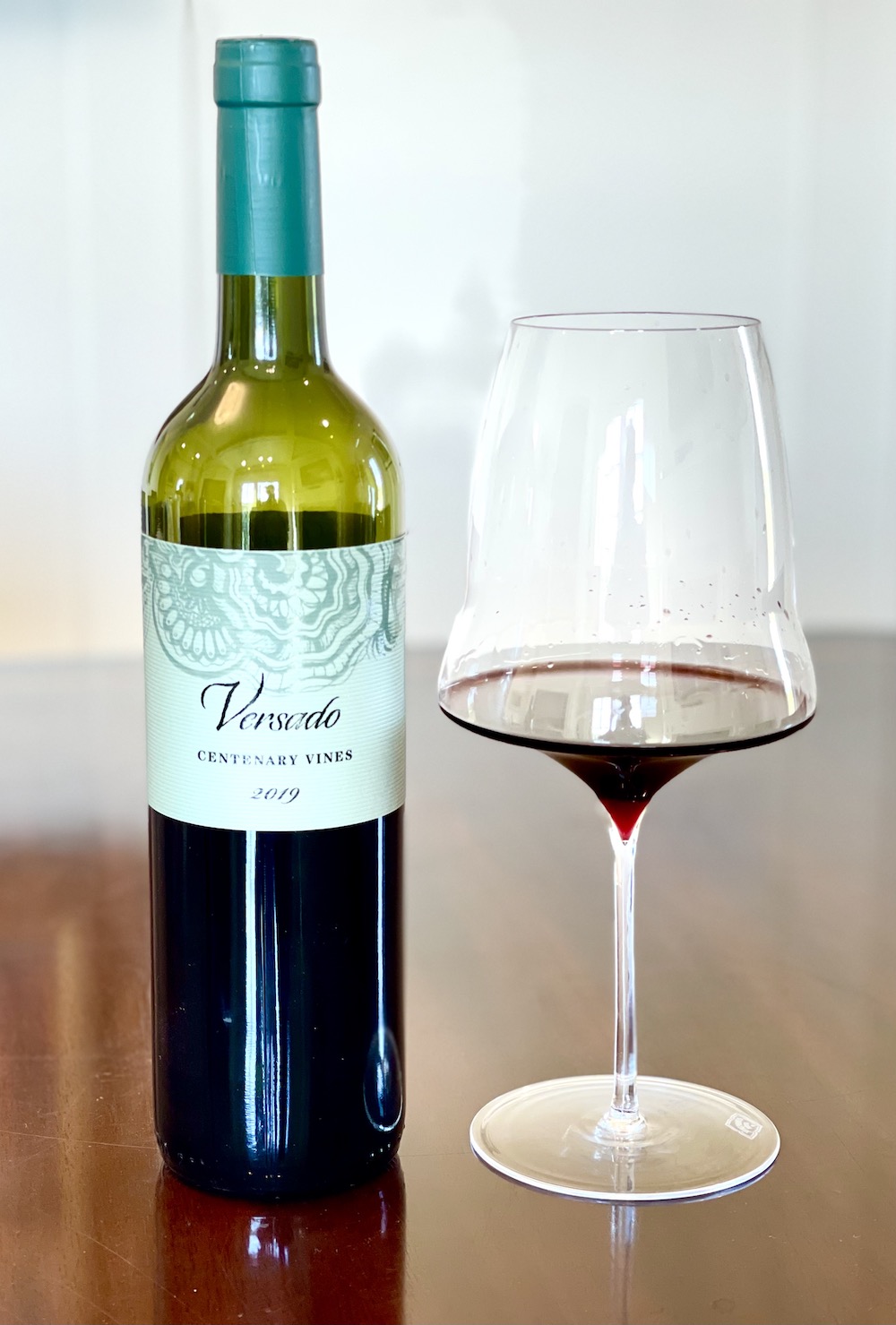
Versado Centenary Vines Malbec 2019 ($30, Vintages Oct. 25, 92 points) — The Versado vineyard in Lujan de Cuyo experiences consistently dry weather with precipitation 40% lower than usual resulting small in berries and slightly lower yields. The 2019 harvest happened about one week earlier than usual, on March 28, and the grapes were in pristine condition with no botrytis or downy mildew. A high skin/juice ratio that resulted from the small berry size made for highly concentrated wines with great colour. Acidities ran higher than usual due to the cool climate. Niagara’s Peter Gamble and Ann Sperling, who own the project, expect the 2019s to be approachable when young, but also able to age.
For this vintage, the couple decided to create a new label called “Centenary Vines” as an homage to the very old planting. These vines are a massale selection of own-rooted Malbec planted in a period in Argentina when quality and longevity of wines were at a pinnacle in the pursuit of fine winemaking.
The nose is robust with the full range of blackberries, cassis, purple plums, anise, forest floor, floral notes and toasty spice accents. It’s plush and ripe on the palate with medium-soft fine tannins and an array of dense dark berries, kirsch, juicy plums, cocoa and integrated spices on a lifted finish. Fantastic value for a Malbec at this level. Can cellar through 2034.
Also released, but not reviewed by Wines in Niagara:
• Hidden Bench Estate Riesling 2021 ($25)
• Ravine Chardonnay 2022 ($24)
• Two Sisters Unoaked Chardonnay 2021 ($39)
• Leaning Post Pinot Noir 2023 ($36)
• Stratus Merlot 2021 ($45)
• Vineland Estate Cabernet Franc 2019 ($20)
• Ferox White Blend 2023 ($25)
• Reif Reserve Gewurztraminer 2023 ($20)
• Hinterbrook Reimagine 2022 ($35)
• Jackson-Triggs Niagara Estate Grand Reserve Shiraz 2022 ($30)
• Peller Estates Private Reserve Gamay Noir 2022 ($26)
• Rosewood Night Moves 2021 ($30)
Comment here