By Rick VanSickle
In 1966, Don Ho first sang “tiny bubbles, in the wine, make my happy, make me feel fine,” and it’s still relevant today.
“So, here’s to the golden moon, and here’s to the silver sea, and mostly here’s a toast, to you and me,” sang the crooner about the world-famous sparkling wine that was first discovered in Champagne, France, in the late 17th century.
You can watch the full song being performed by Ho here.
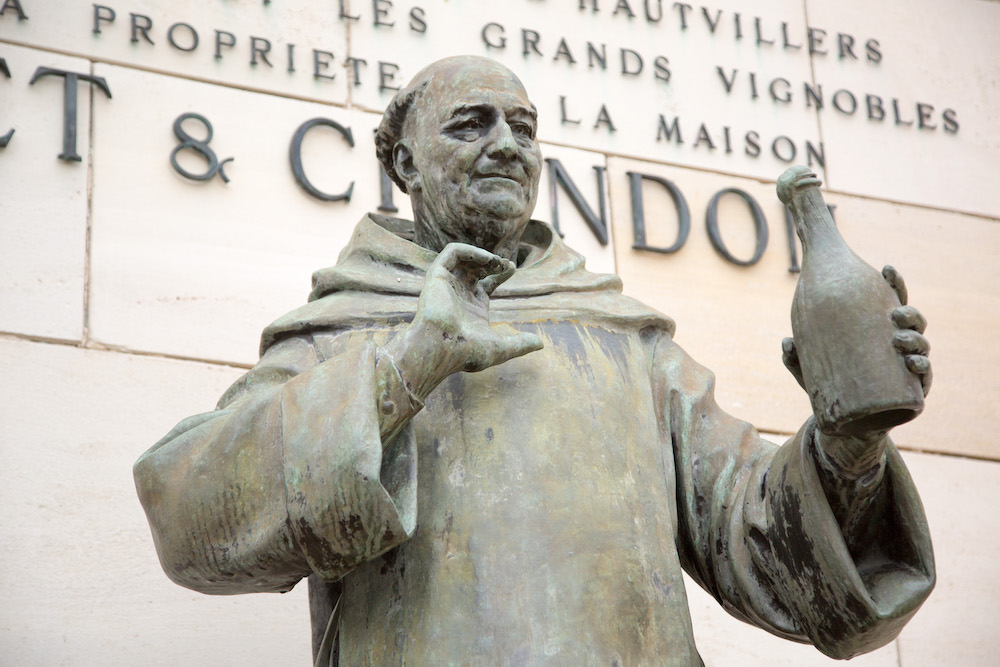
The French monk Dom Perignon is often credited as the Father of Champagne. Legend has it that in 1693 Perignon accidentally discovered the effervescent wine and coined the phrase “come quickly, I am tasting the stars.” He made it his mission to find a way to bottle the fizzy wine.
It’s a good story, but not factually correct. Perignon spent a lot of time trying to remove what he considered defective bubbles, not perfecting the process. But he is credited with pioneering techniques still used in the productions of sparkling wines today.
Perignon was the first to make Champagne out of Pinot Noir, one of the key grape varieties still used today. It is also believed that he invented the traditional second fermentation process, or méthode champenoise (or here in North American, traditional method), and was the first to use corks with hemp, to stop the wine bottles from exploding. The wire cage was later added by French inventor, Adolphe Jacquesson, to seal the bottles more securely.
Whatever the exact details of who did what when might be a little fuzzy, but the end result is a world swimming in the fizzy stuff all made in different styles from myriad grapes. While only sparkling wines made in the French wine region of Champagne can be called Champagne, all other wine regions in the world are free to borrow the traditional method recipe discovered so long ago. Or they can turn to numerous alternative styles such as the charmat method, where the base wine undergoes a secondary fermentation in a large pressurized stainless-steel tank rather than in a bottle, or the ancestral method (pé-nats), where still wine is bottled before fermentation is over, trapping carbon dioxide and producing a lightly carbonated wine.
In Ontario and indeed across the country, sparkling wines come in all styles and variations, but it is the traditionally made sparkling wines that are the most serious and sought-after over all the other iterations.

According to MW Essi Avellan, in her just released book Sparkling Wines of the World, sparkling production in Canada doubled between 2014-2019 with more than 100 wineries making them, and one-third of them made in the traditional method.
In Niagara, traditionally made sparkling wines are usually made with Chardonnay, Pinot Noir or a blend of both grapes and can be completely dry or with various levels of sweetness. The better examples can be aged on their lees for up to 10 years and beyond, to bring out those toasty-brioche notes.
All styles of sparkling wine have their place, and your choices will depend on cost (traditional method are the most expensive, while charmats are price friendlier), and preference.
In our roundup of the highest scoring Niagara bubbles in 2025, they are all traditionally made with varying time on the lees. And they are all more than worthy of your New Year’s celebrations and as a special treat year-round.
Our top 11 Niagara
sparkling wines for 2025

Fielding Estate Anniversary Traditional Method Sparkling Wine 2020 ($60, 94 points) — This traditionally made sparkling wine is a blend of Pinot Noir and Chardonnay that has spent four years on its lees and stands as a tribute to the 20th anniversary of the estate. A tiny bit of wine from every vintage since 2000 was put aside for this special wine, and the dosage is from the Chardonnay portion of the blend. It has a floral opening on the nose and a robust bead in the glass with lovely lemon biscuit, peach, yellow apple and toasty brioche notes. It has a vigorous bubble in the glass and a creamy mouthfeel with some flinty notes that integrate nicely with the sharp citrus, white peach, pear, ripe apples, toasted hazelnuts, and baked brioche on a lifted, fresh finish. Really fine brut style bubbly with classic Niagara finesse. This wine was tasted before the new labels were ready.
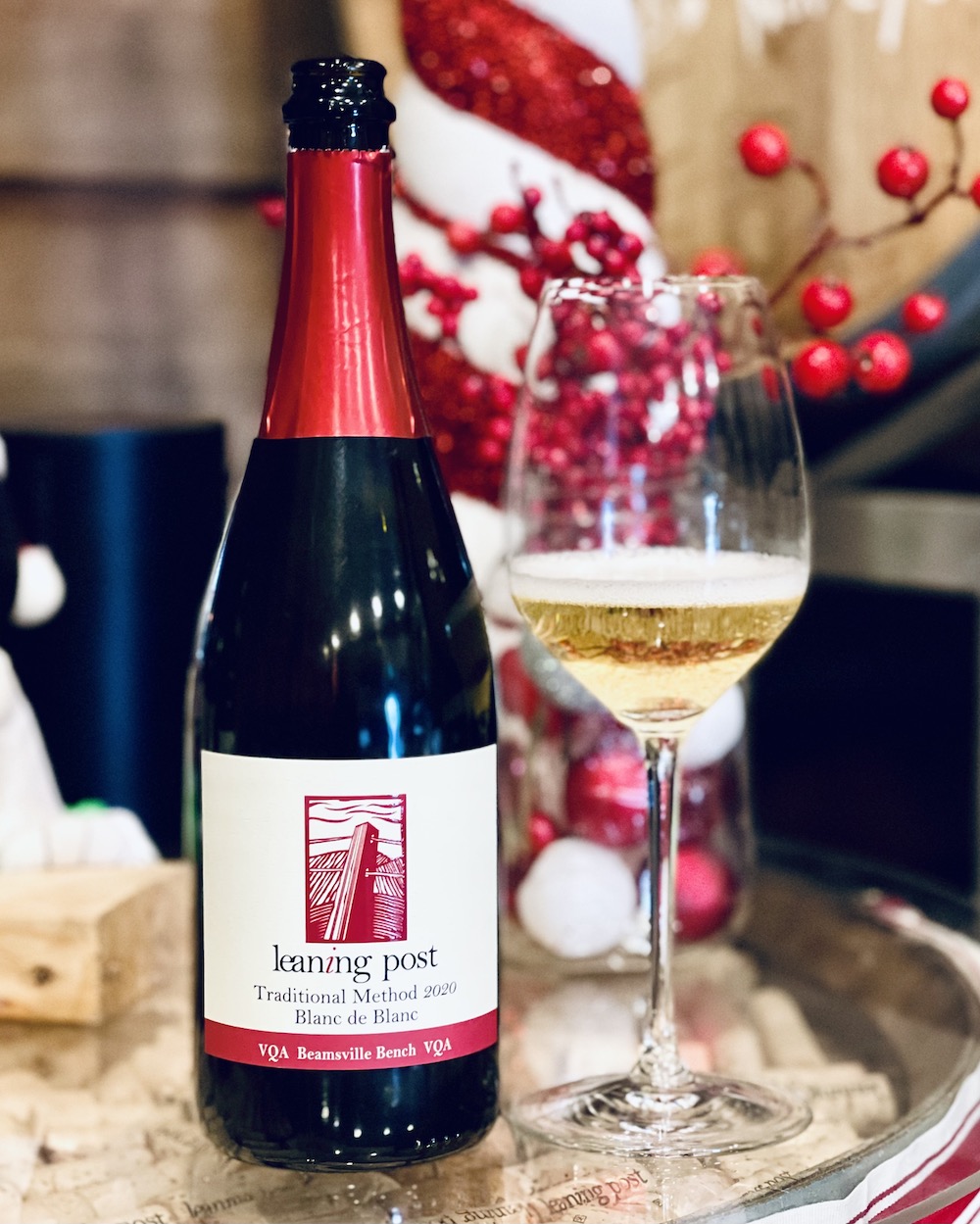
Leaning Post Traditional Method Blanc de Blanc 2020 ($57, 94 points) — The Chardonnay grapes were sourced from 40-year-old vines in the Hemeris Vineyard on the Beamsville Bench. The wine spent 42 months on its lees and another year resting in bottle before disgorging. It’s an elegant and poised traditionally made sparkling wine with a steady bead in the glass followed by brioche/biscuity notes, lemon drop, pear skin, and fresh green apples with saline and crème-fraiche accents. The bubbles are persistent on the palate with a creamy texture, lemon zest, toasty brioche, pear/apple notes and a lifted, finessed finish. Lovely bubbles in a purely elegant style.
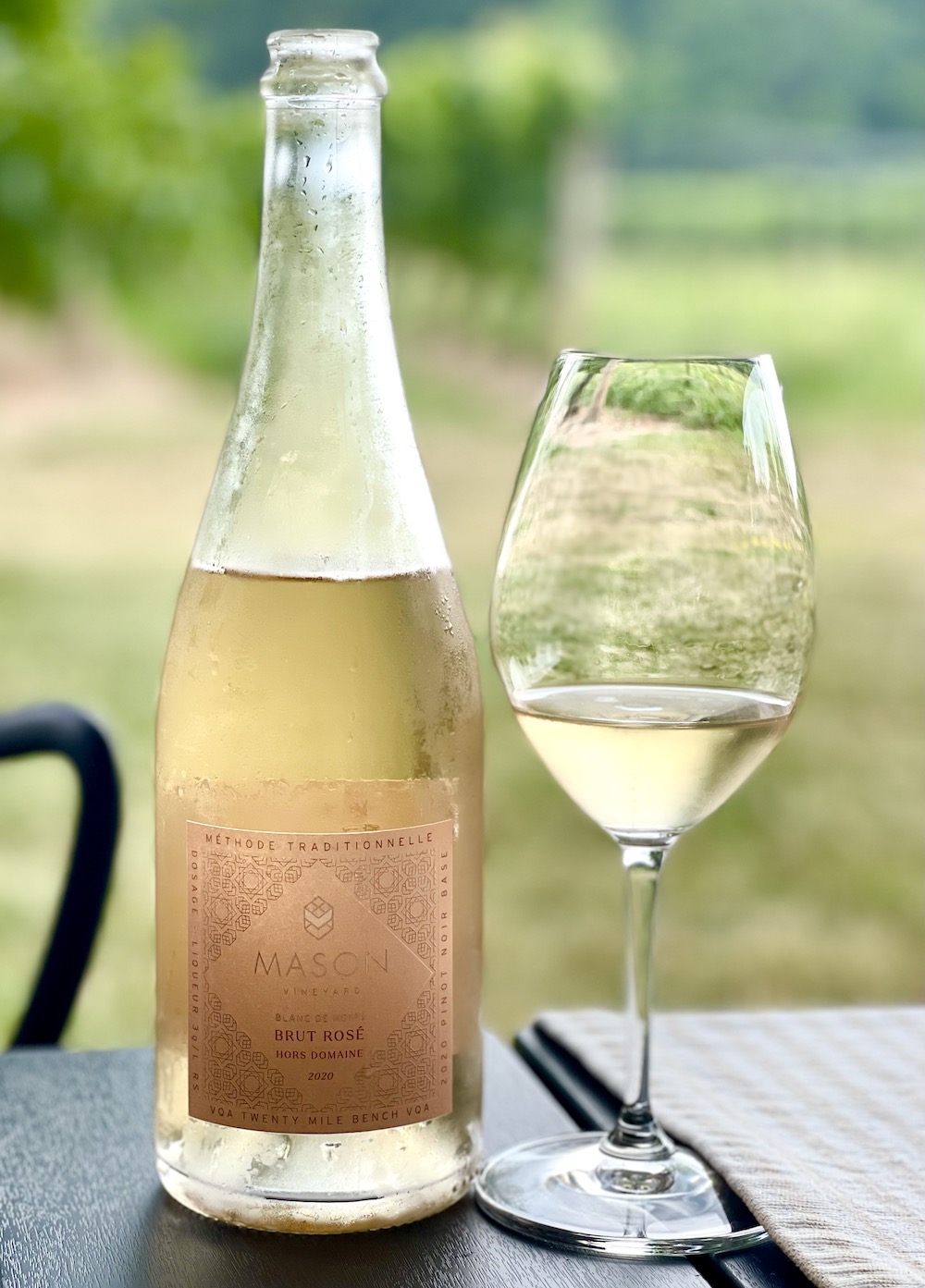
Mason Vineyard Sparkling Blanc de Noirs Rosé Hors Domaine 2020 ($55, 94 points) — This rests on its lees for 48 months. It’s a zero dosage (brut nature) 100% Pinot Noir sparkling wine (topped up with its own still wine) with a light copper colour in the glass. It shows an elegant, persistent bead in the glass with a nose of fresh red berries, red currants, floral notes and lemon in a pure and racy style. The bubbles perk up on the palate with a subtle reductive note that gives way to wild raspberries, citrus zest, cran-cherries, a creamy texture and saline through a lifted, long and echoing finish. Very fine sparkling wine that will gain some fat and a silkier texture with cellaring through 2032.
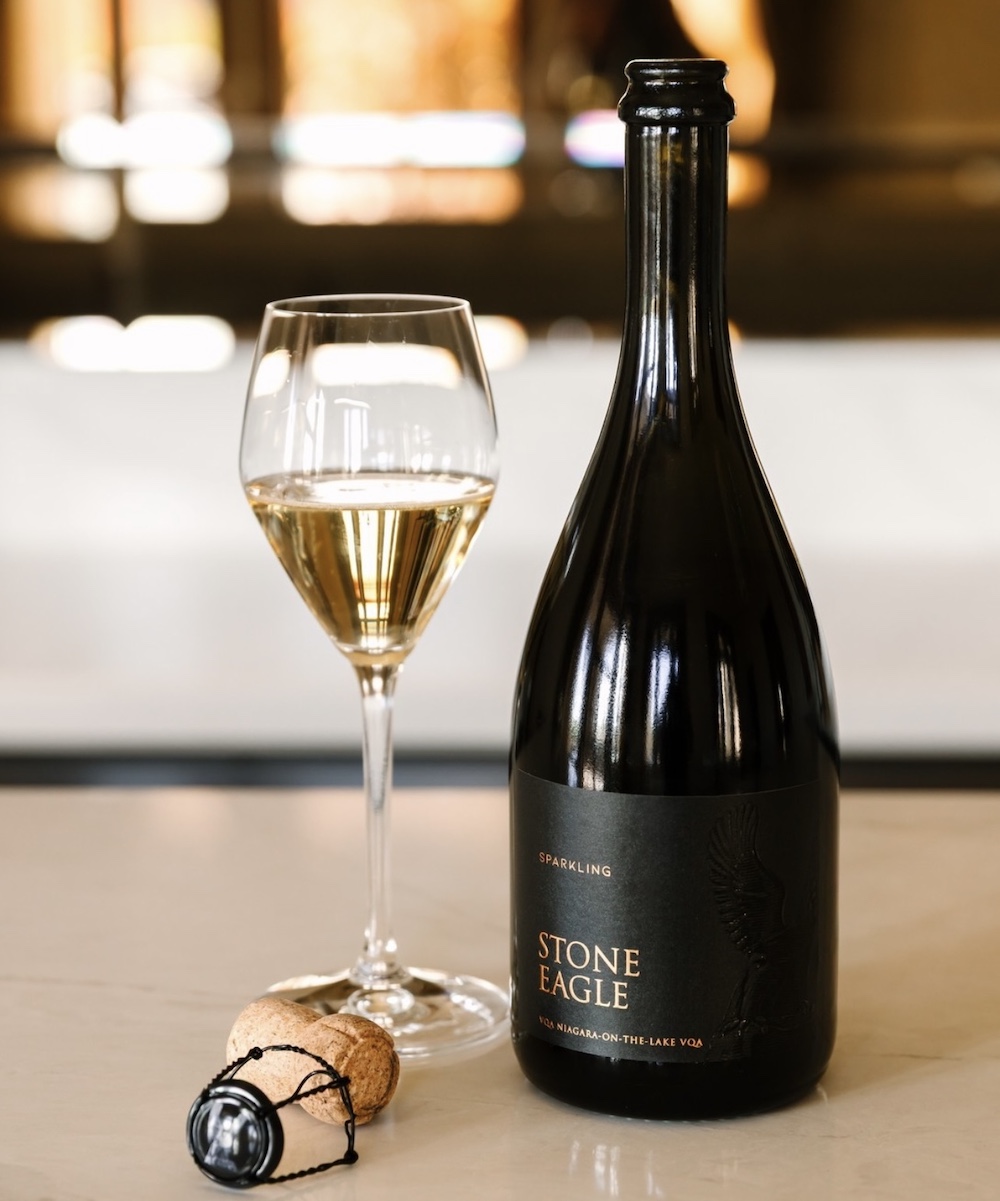
Stone Eagle Sparkling NV ($120, 94 points) — It’s labelled as a non-vintage traditionally made sparkling wine, but it’s primarily from the 2019 vintage with just a bit of 2020. The blend is 67% Pinot Noir and 33% Chardonnay. The base wine was 100% barrel fermented and spent 36 months on its lees with a 2 g/L dosage. It has a lovely mineral, floral opening on the nose with bright lemon, pear, subtle brioche, saline and flint. It has luxurious texture and mouthfeel with flinty notes, layers of saline minerality, lemon, toasty brioche, apple tart, a touch creamy but finessed and lifted through a long finish.
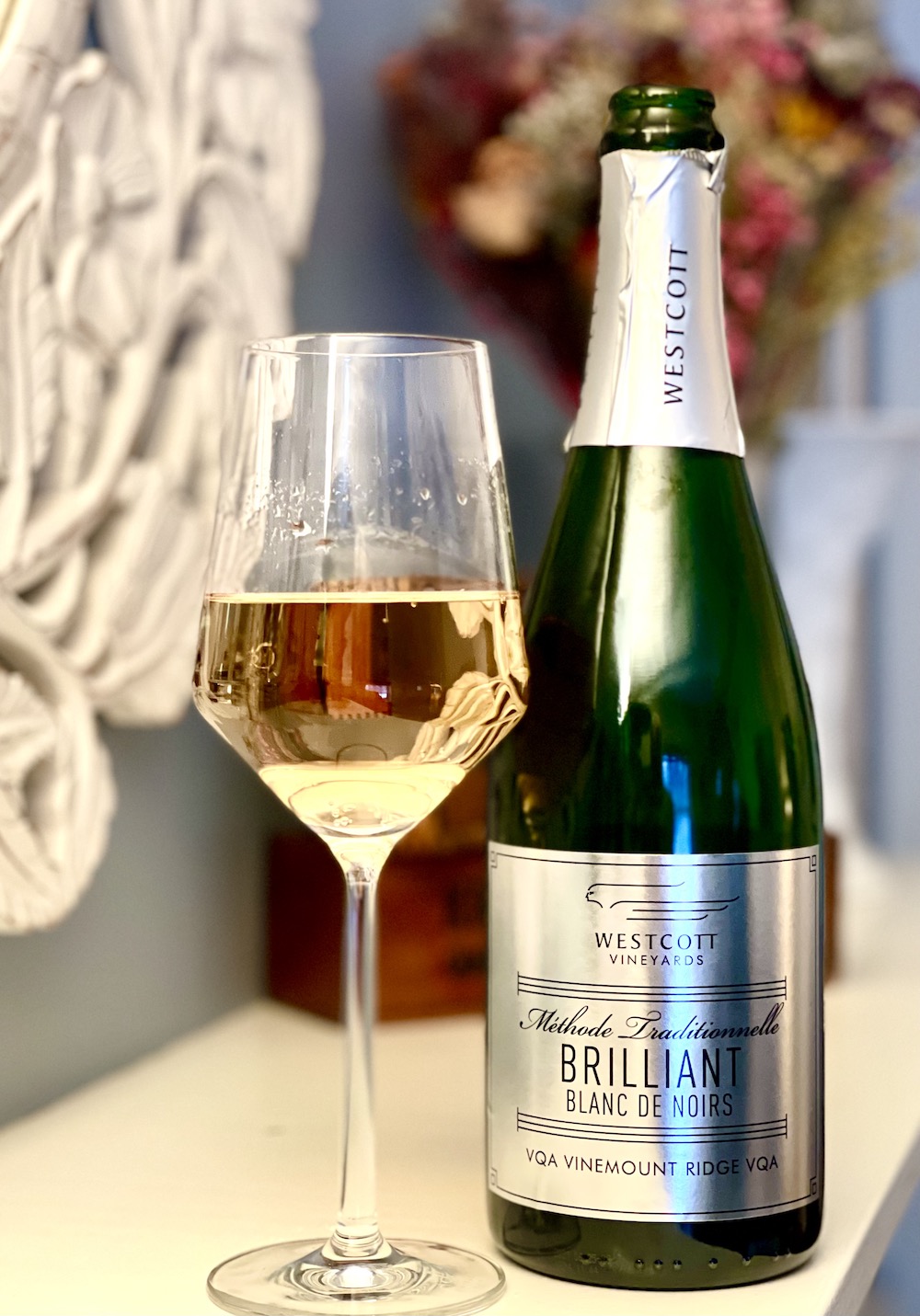
Westcott Brilliant Blanc de Noirs NV ($48, 94 points) — This is a unique, traditionally made 100% Pinot Noir from the home vineyard in the Vinemount Ridge sub-appellation. It’s crafted as an infinity, or “perpetual” blend, of consecutive vintages. Each vintage is added to the base wine, which started in 2020, and a portion is taken for the cuvee. So, it’s a blend of several vintages labelled as a non-vintage sparkling wine that is a showstopper and also “a tonne of fun to make,” said winemaker Casey Kulczyk. The nose shows a touch of reduction and saline that adds intrigue and complexity from the get-go, followed by brambly red berries, yellow apples, citrus, and fennel seed with a vigorous bead in the glass. The reduction notes are more integrated on the palate with notes of savoury red berries, lemon zest, apple pie, touch of toasty brioche, creamy texture, lively bubbles and a long, finessed finish. One of most interesting and complex bubbles tasted in Niagara recently.
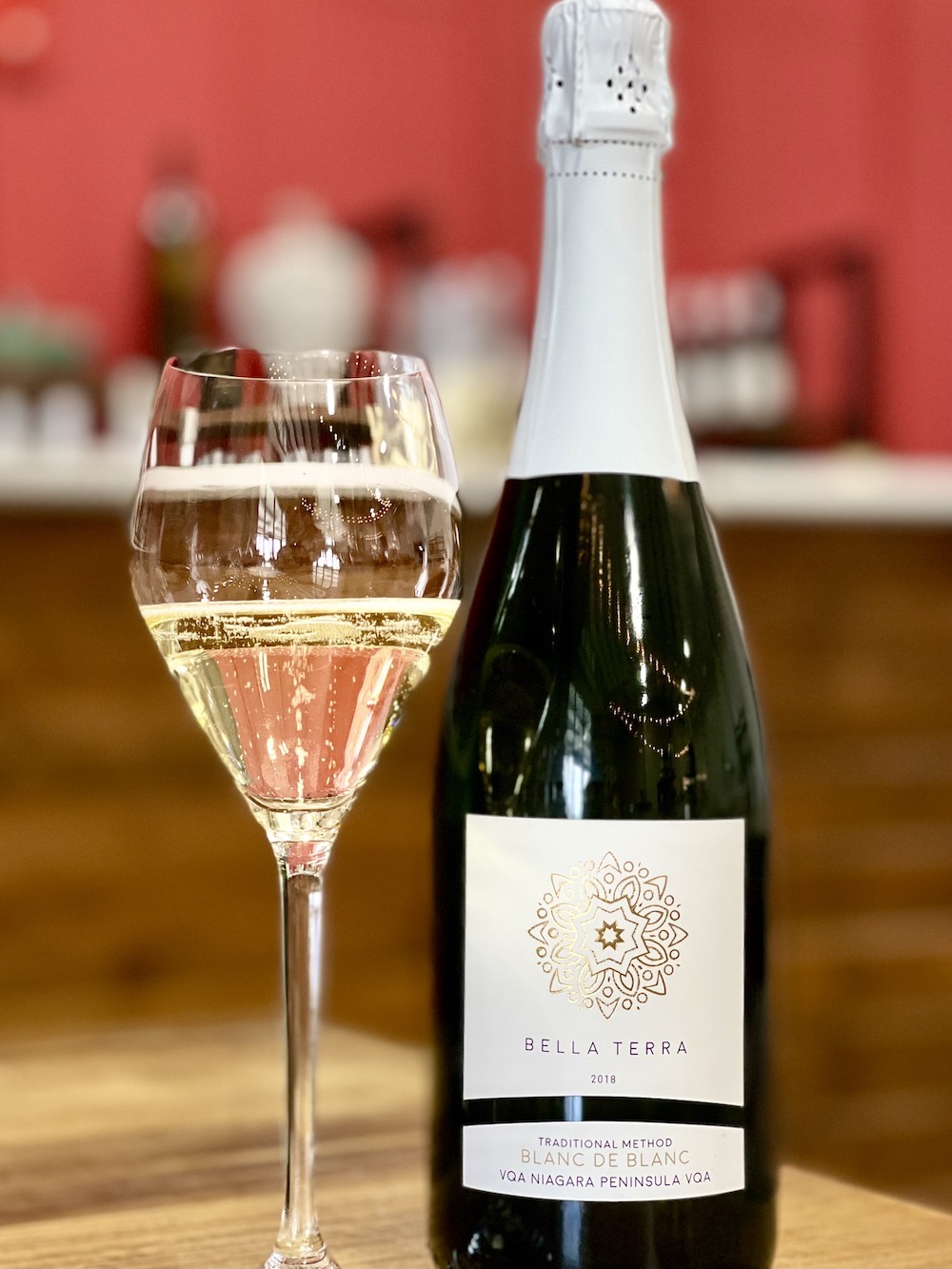
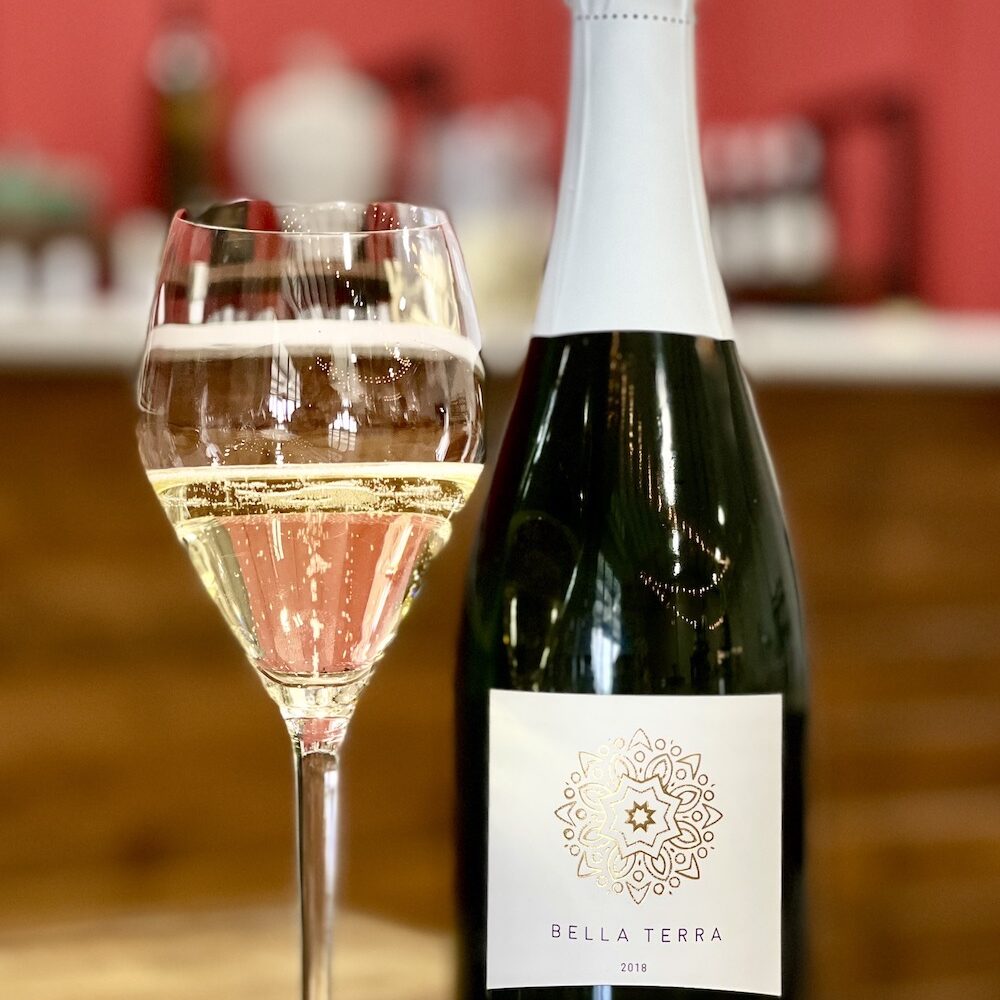
Bella Terra Blanc de Blanc 2018 ($39, 93 points) — This stylish traditionally-made, 100% Chardonnay sparkling wine from Bella Terra spent four years on the lees with a modest 4.4 g/L of residual sugar. It has such a lovely toasty/brioche nose with lemon chiffon, baked apples, hazelnuts, pear and nectarine with robust bubbles in the glass. The vibrant fizz carries to the palate with notes of quince, fresh lemon, pastry notes, baked brioche on a lifted and brisk finish.
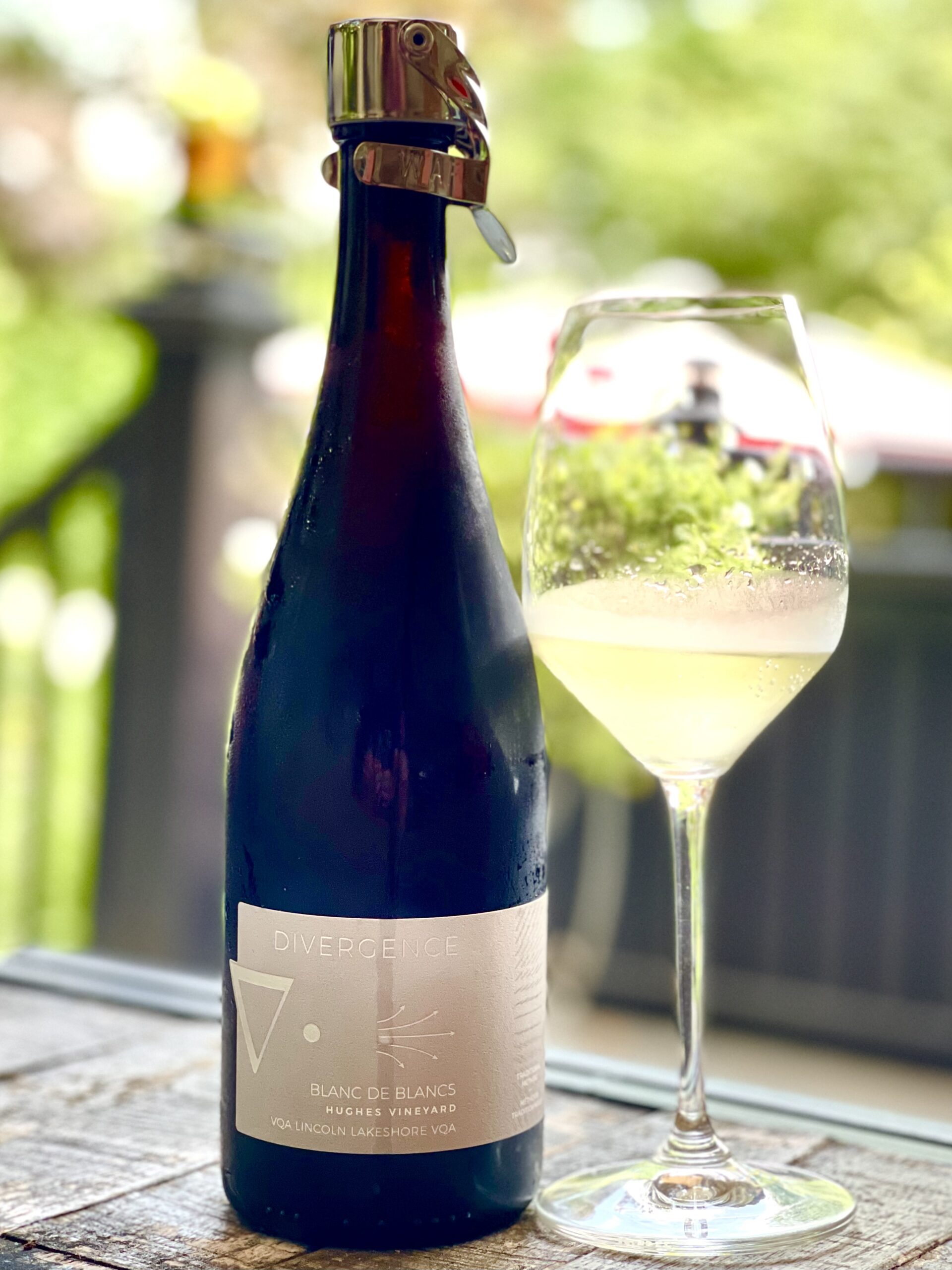
Divergence Blanc de Blancs 2020 ($75, 93 points) — Brand owner and winemaker Jeff Moote continues to expand his sparkling chops with this fine 100% Chardonnay sourced from the Hughes Vineyard. It spent 42 months on its lees with the base wine barrel fermented pre-triage and had a 2% dosage of its own base wine. The nose picks up all those lees aging notes, along with flint and saline followed by toasty brioche, vibrant lemon, green apple, and pear skin with an elegant bead in the glass. There’s a persistent bubble on the palate that elevates the apple, quince and lemon fruits with toasted almonds, flint, warm brioche and sizzling acidity on a long, bright finish. “I like the intensity,” says Moote, “it comes through in the Chardonnay character.”
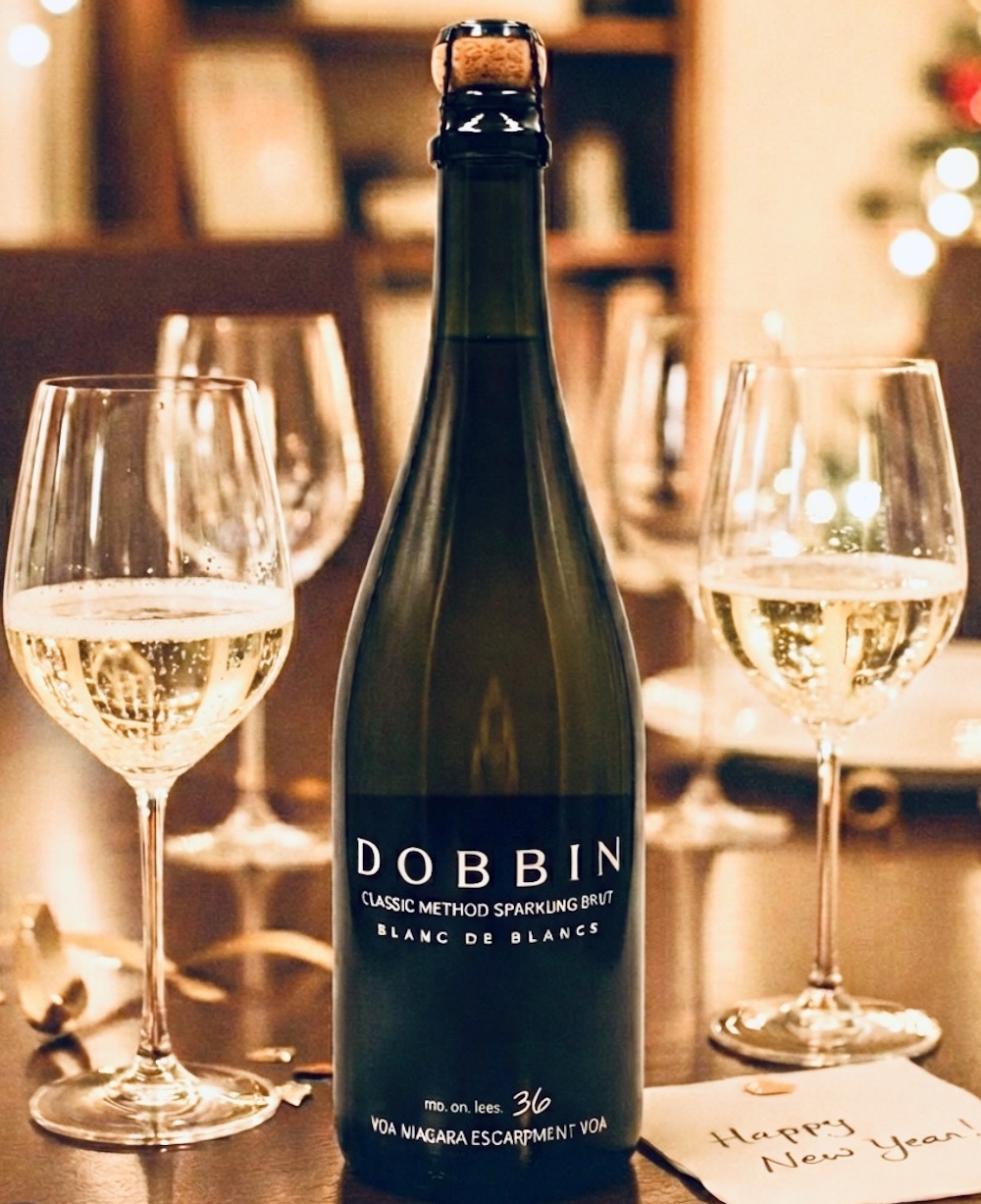
Dobbin Blanc de Blancs Sparkling NV ($75, 93 points) — The Chardonnay grapes for the first traditionally-made sparkling wine from Dobbin are sourced from the Beamsville Bench. Although it is bottled as a non-vintage wine, the fruit is all from the 2021 vintage. It was wild fermented in stainless steel, neutral barrels, and 500L puncheons, then underwent full malolactic fermentation. After eight months on its lees, the wine was bottled for secondary fermentation and aged 36 months sur lie. Only 1,000 bottles were disgorged. There is lovely saline freshness on the nose with pear, lemon toast, subtle brioche and autolytic notes, and green apples. It has creamy/fresh texture on the palate and lively bubbles to go with zesty lemon, bright apples, quince and flinty notes with a layered, lifted and long finish.
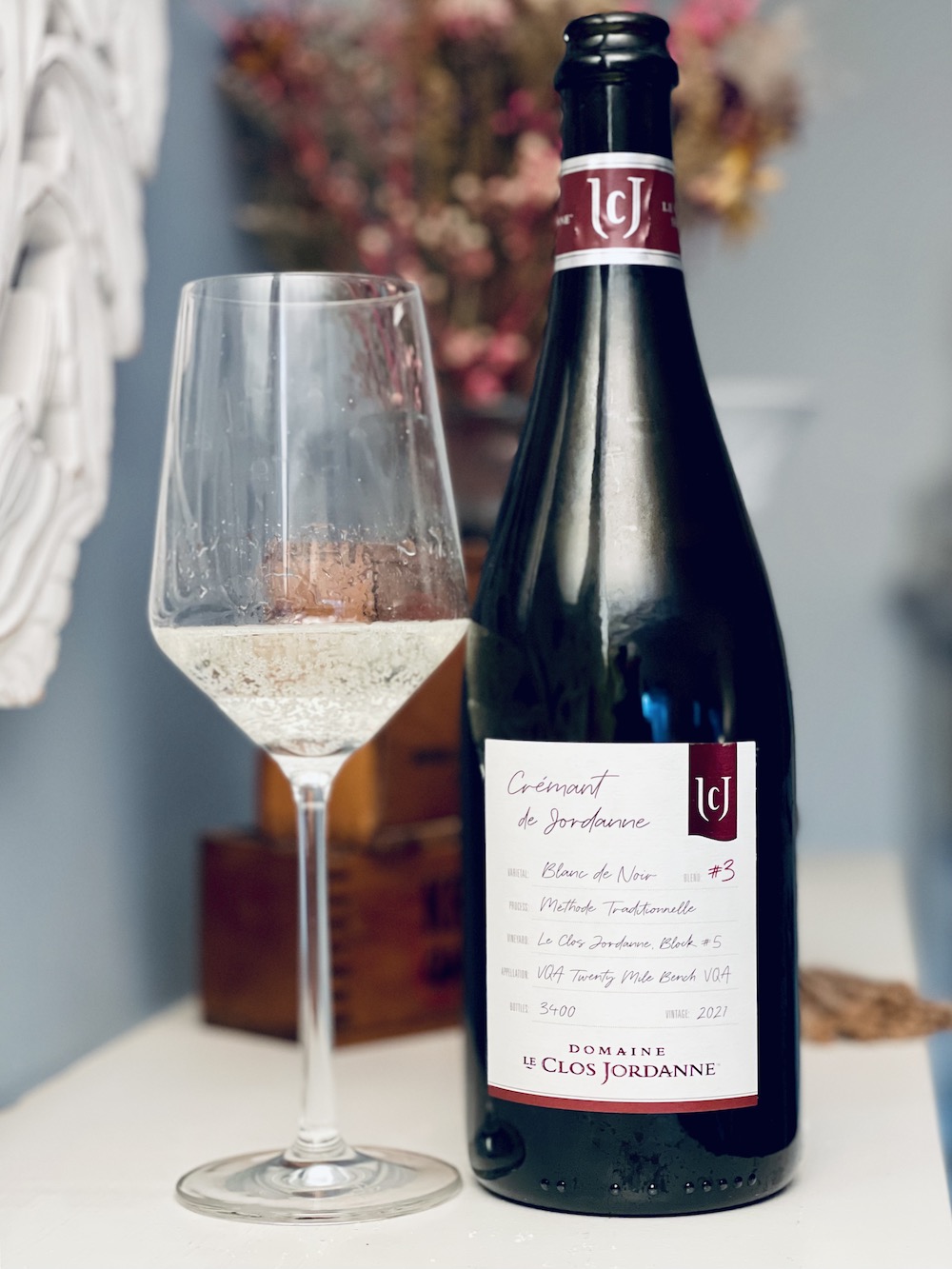
Domaine Le Clos Jordanne Crémant de Jordanne Blend #3 2021 ($55, 93 points) — This is the third and concluding chapter in the estate’s Crémant de Jordanne trilogy. This méthode traditionnelle sparkling wine is created from 100% Pinot Noir grown in Block #5 of the Le Clos Jordanne Vineyard and spends 34 months on its lees. It shows a tight, elegant bead in the glass with a nose of red currants, wild raspberries, lemon zest, red apple skin, florals, lightly toasted brioche, fresh saline and wet stony accents. The bubbles are lively on the palate with an integrated medley of red berries, lemon preserves, a silky texture, toasty/flinty notes and pure energy on a chiseled and lifted finish. Delightful, elegant bubbles.
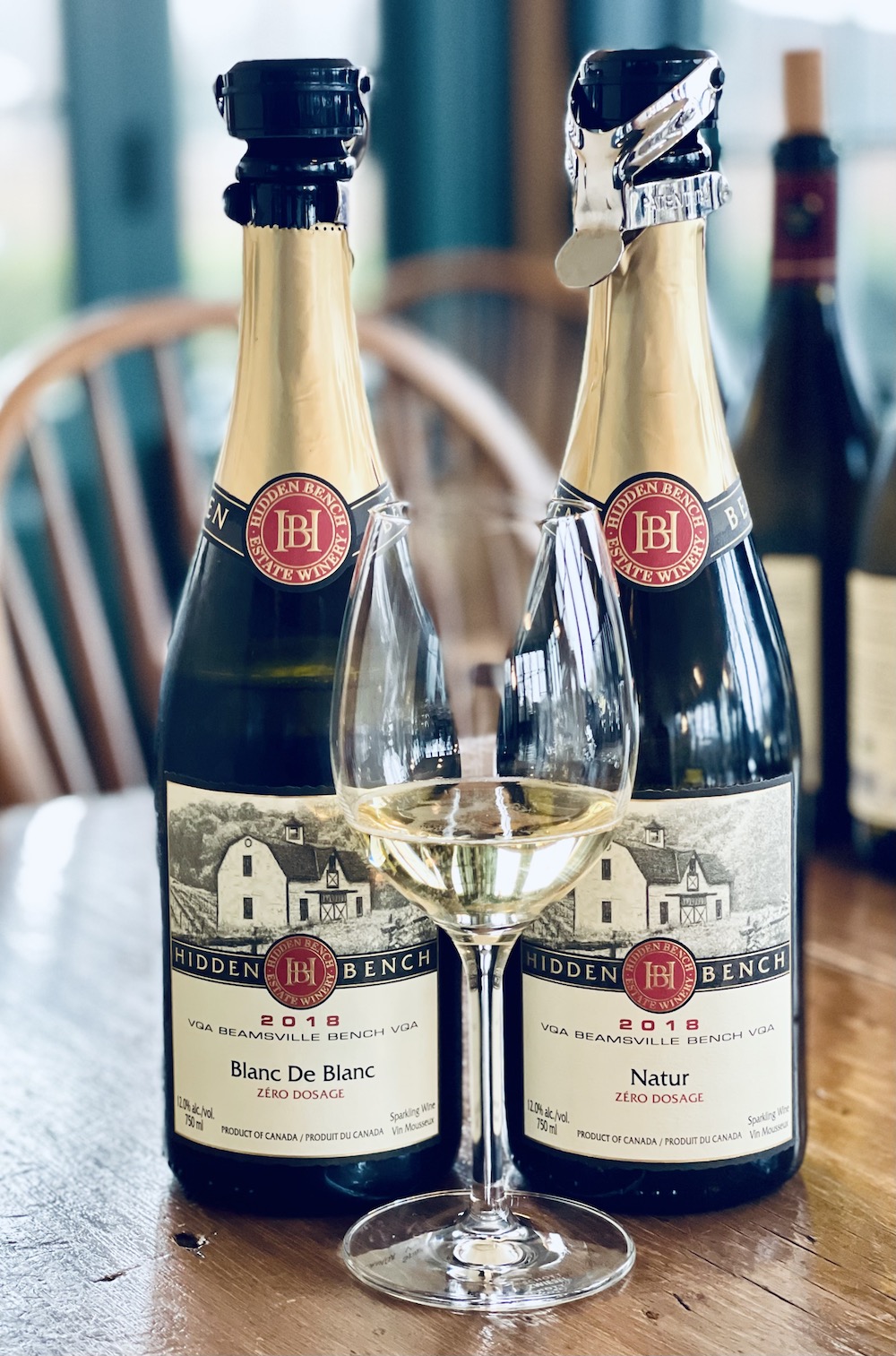
Hidden Bench Blanc de Blanc 2018 ($55, 93 points) — The 100% Chardonnay grapes are from a blend of the estate vineyards with aging on its lees for six years prior to the disgorgement in May of 2025. The wine is topped with the same wine, so it’s a pure expression of Brut Natur, with no sugar added to the finished wine. It shows an elegant bead in the glass with a nose of pear, green apples, baked brioche, saline minerality, and subtle autolytic notes. The palate reveals perky bubbles and notes of pear, quince and apples with a creamy texture, flinty notes, baked bread/brioche, lemon curd and tension on a lifted, long finish. Can cellar this through 2032 for further development.

Stonebridge Blanc de Blanc 2020 ($57, 93 points) — This is a 100% Chardonnay, traditionally made, “brut nature” (no dosage) sparkling wine that was fermented in French oak barrels for six months, followed by secondary fermentation and aging on its lees for nearly two years. Another 122 cases will be disgorged in batches. It has a minerally-driven nose of saline and crushed oyster shells, an elegant bead in the glass, lemon tart, pear, apple skin, and subtle toasty/brioche notes. It shows pure elegance on the palate with a gentle bead in the glass, stoney/reductive notes, pear/quince fruit, lemon zest and electric acidity on a bright, lifted finish. Can cellar through 2032.
Comment here