

By Rick VanSickle
In a story loaded with chapters, Niagara’s Domaine Le Clos Jordanne has just revealed its next instalment.
Also in this Niagara Wine Report: Stonebridge releases first big red wine from newly planted vines, our picks from the Vintages release Saturday, including the Hidden Bench Terroir Caché, Westcott Pinot Noir, Liebling Riesling, and the top Malbec from Versado in Mendoza, Argentina, and December Cellar Selections at the LCBO featuring On Seven top Chardonnay and Hester Creek The Judge.


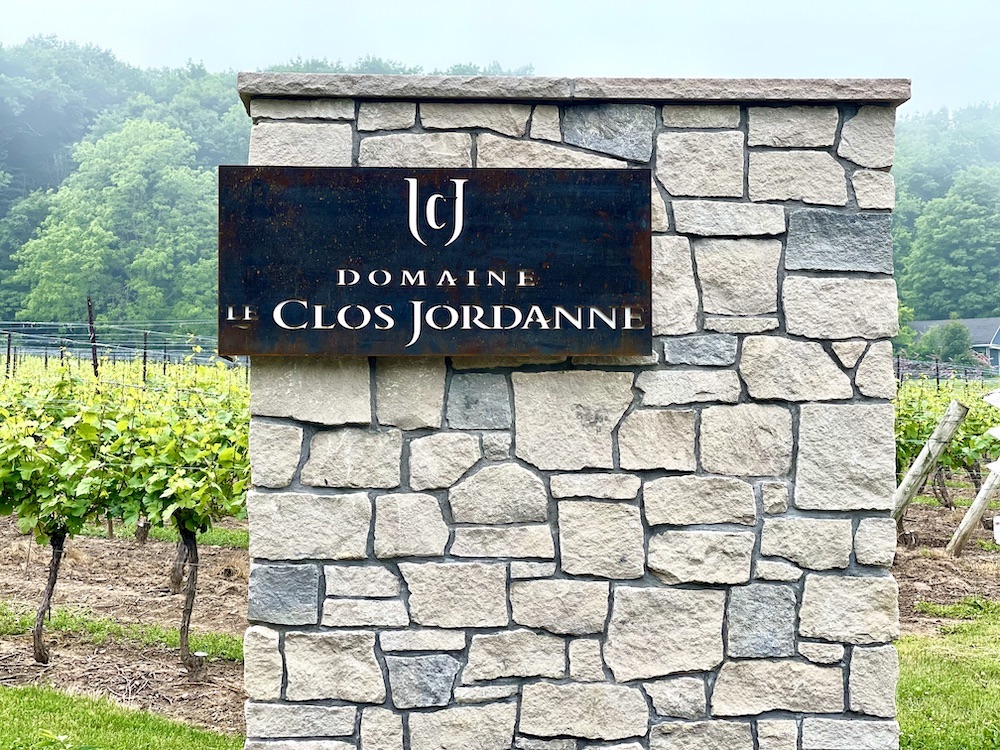
From its early beginnings and grandiose aspirations, Le Clos Jordanne (as it was originally named) began as a unique Franco-Canadian partnership between Boisset, La Famille des Grands Vins, of Nuits-St-Georges, France, and Ontario-based Vincor Canada in 2000.
The concept called for a stunning Frank Gehry designed estate winery set among the sprawling vineyard planted to Pinot Noir and Chardonnay. It never came to fruition.
There were twists and turns along the way, including changes of ownership that’s now in the hands of Arterra Wines Canada, and a brief pause in production, but the goal has always remained the same — to produce spectacular, world class Burgundian style wines in the Niagara Peninsula. In that, they have succeeded every step of the way.



In June of 2024, the biggest milestone was achieved when Arterra purchased both the Angels Gate and Kew Vineyards wineries and finally had a home all its own. Production of Le Clos wines moved to Angels Gate on Mountainview Road in Beamsville and the brand was renamed Domaine Le Clos Jordanne.
The 83,600-square-metre (900,000-square-foot) location, and nearly $1 million renovation of the property, winery and estate, set the stage for the growing portfolio of wines made from over 120 hectares of vineyards in Jordan and Beamsville featuring Chardonnay and Pinot Noir born from vines imported from an award-winning winery in the heart of Burgundy, France.

Along with its single-vineyard Pinot Noirs, Chardonnays and “village” wines, Domaine Le Clos Jordanne added a sparkling wine to its lineup when the spectacular new estate opened last year. And now, with more terroirs to work with from Kew and Angels Gate, winemakers Thomas Bachelder and Phillip Brown have created new expressions and expanded their repertoire to include a single vineyard Pinot Gris (Pinot Beurot) sourced from the organically farmed Les Fauves Vineyard, and a Pinot Noir and Chardonnay from the Kew Vineyard.
Those three wines, plus version #3 of the Domaine Le Clos Jordanne Crémant de Jordanne and two Beamsville Bench “village” wines (a Pinot and Chard) have just been released for the first time.
The new terroirs

Pinot Beurot: The debut Beurot is the estate’s first-ever expression of Pinot Gris, a varietal the Burgundians affectionately call Pinot Beurot. Long respected in Burgundy for its quiet versatility, Beurot was traditionally used to lend Chardonnay added body and texture in cooler years, or to soften Pinot Noir in warmer vintages. But in truly exceptional years, it stood alone as a wine shared among vintners, families, and close friends. It’s sourced from the organically farmed Les Fauves Vineyard on the Beamsville Bench.
Beamsville Bench expressions: The Beamsville Bench has long been a source of quiet power, Le Clos says, “a terroir defined by its undulating slopes, ancient limestone, and vineyard rows that catch both wind and wonder. With the debut of our 2023 Beamsville Village Pinot Noir and Chardonnay, Domaine Le Clos Jordanne steps into a new narrative, one that broadens our lens while deepening our roots.” They are crafted from three estate vineyards, Les Fauves, Kew, and Mountainview, these wines are intended to represent a microcosm of the Bench: distinct yet harmonious, rugged yet refined. The wines are the estate’s first Pinot and Chardonnay cuvées from Beamsville alone, “a place that offers purity of fruit, vibrant natural acidity, and a fine mineral thread that runs like quiet electricity through the palate.”
Kew Vineyard wines: With its gentle slope and mineral-rich glacial soils, Block 350 at Kew Vineyard presents Pinot Noir and Chardonnay with a rare opportunity on the Beamsville Bench, one where elegance meets energy, and quiet depth takes centre stage, says Le Clos. “Though long admired for its Chardonnay, this parcel reveals a different voice in red: more tensile, more untamed, yet undeniably refined.”
Wines in Niagara tasted all six wines recently, and they are reviewed below. The wines are only available at the estate on the Beamsville Bench or through its wine club. Here’s what we can recommend:

Domaine Le Clos Jordanne Crémant de Jordanne Blend #3 2021 ($55, 93 points) — This is the third and concluding chapter in the estate’s Crémant de Jordanne trilogy. This méthode traditionnelle sparkling wine is created from 100% Pinot Noir grown in Block #5 of the Le Clos Jordanne Vineyard and spends 34 months on its lees. It shows a tight, elegant bead in the glass with a nose of red currants, wild raspberries, lemon zest, red apple skin, florals, lightly toasted brioche, fresh saline and wet stony accents. The bubbles are lively on the palate with an integrated medley of red berries, lemon preserves, a silky texture, toasty/flinty notes and pure energy on a chiseled and lifted finish. Delightful, elegant bubbles.
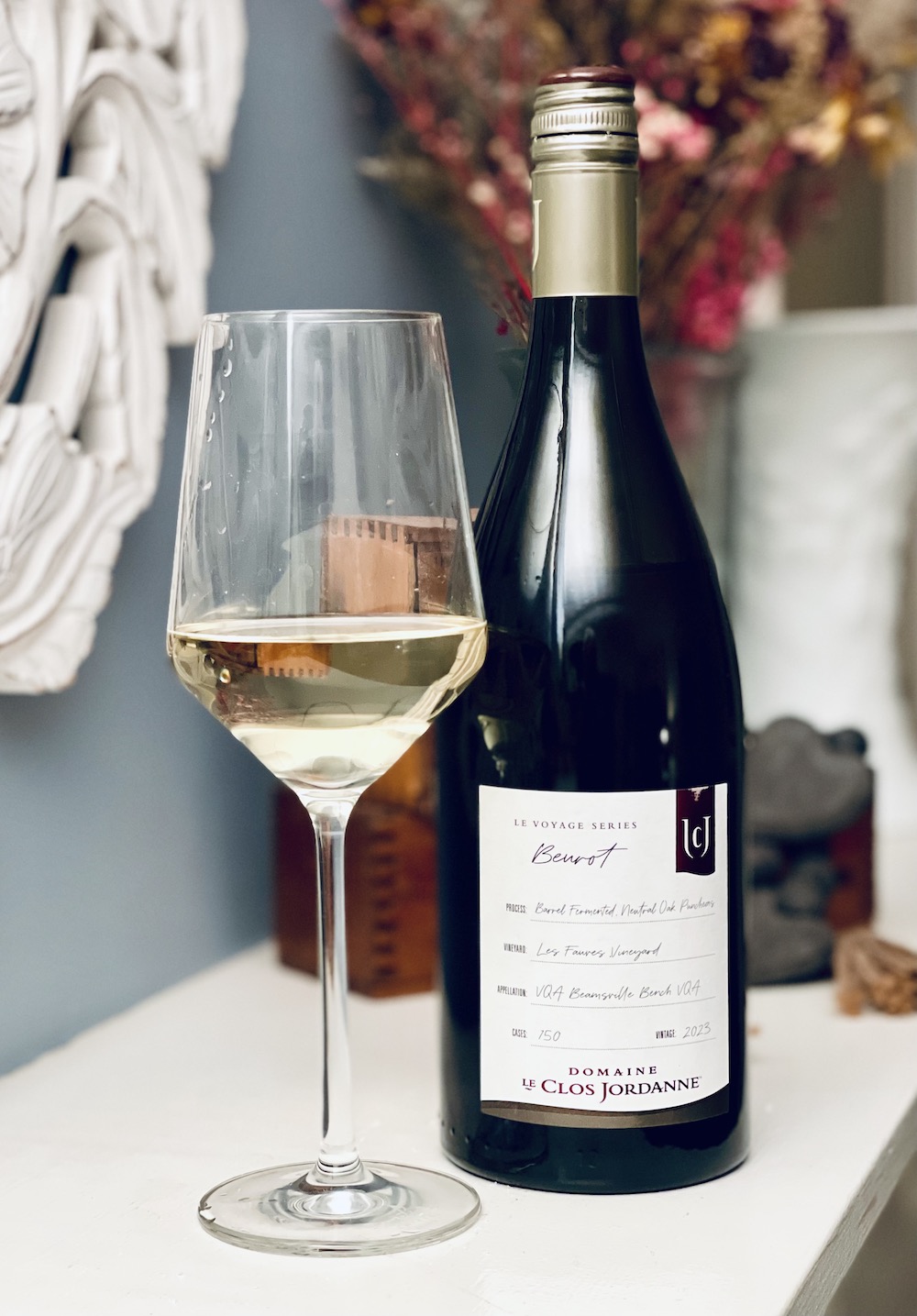
Domaine Le Clos Jordanne Beurot 2023 ($55, 93 points) — From the new Voyage Series, the Beurot is the first-ever expression of Pinot Gris, a varietal the Burgundians affectionately call Pinot Beurot, from Le Clos. It’s sourced from the organically farmed Les Fauves Vineyard on the Beamsville Bench and aged for 14 months in large format neutral Burgundian puncheons. It has a concentrated, rich nose of creamy pear, honeysuckle, yellow apples, subtle ginger notes, spice and a hint of flinty minerality. It has a viscous texture on the palate with ripe apples, quince and white peach, orange peel, more flinty/saline notes and that ginger spice thing going on through a lively, finessed finish. Beautiful expression of Pinot Gris, closely aligned with some of the better examples from Alsace.
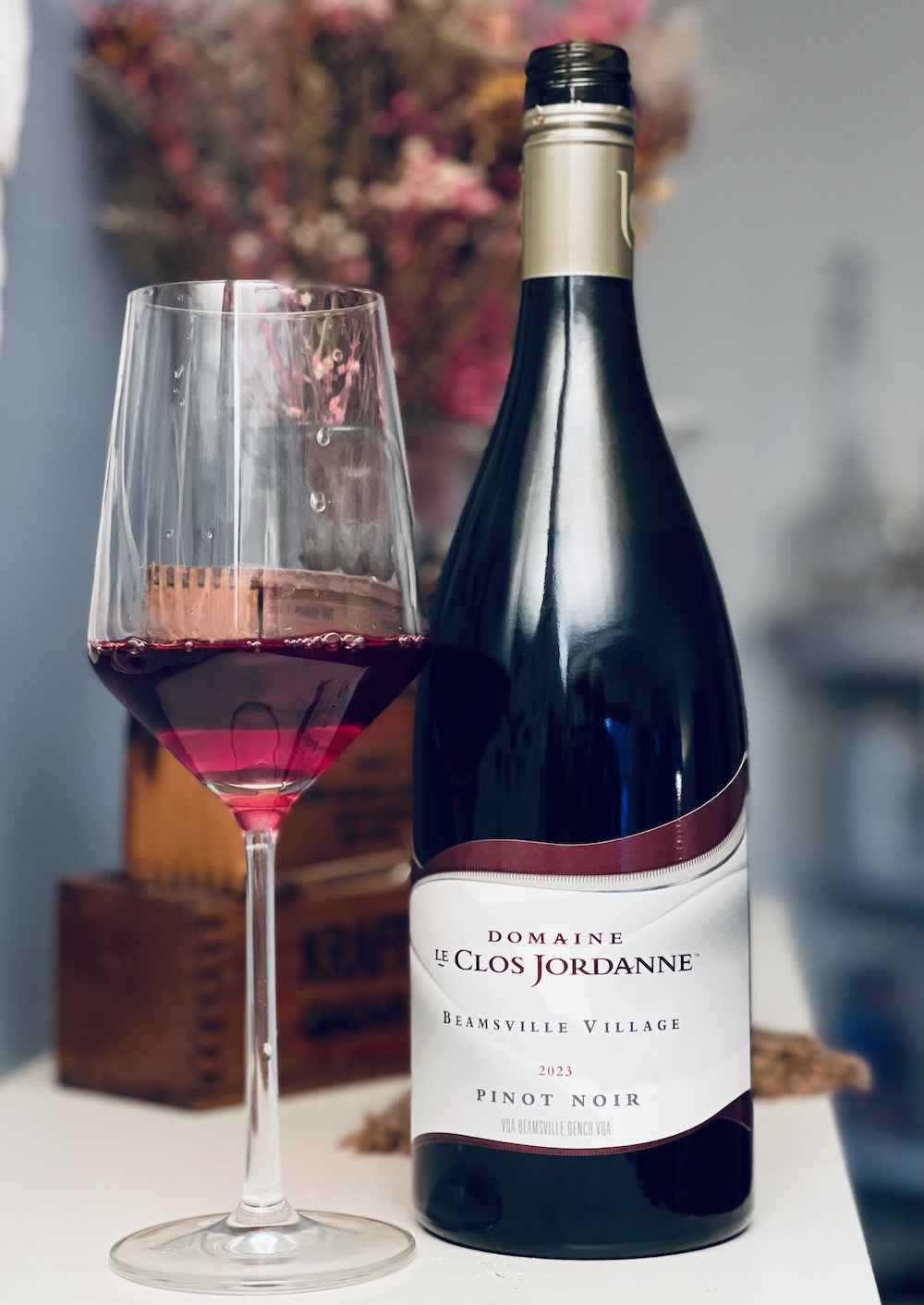
Domaine Le Clos Jordanne Beamsville Village Pinot Noir 2023 ($30, 91 points) — This Pinot and the Chardonnay below are the debut wines for the Beamsville Village collection. It’s blended from three estate vineyards, Les Fauves, Kew, and Mountainview and represents a microcosm of the Bench. It’s aged for 18 months in French oak (with 23.5% new barrels). Such a lifted nose of fresh-cut violets, brambly raspberries, dark cherries, pomegranate, earthy notes and lightly toasted spices. It’s ripe on the palate with chalky, silky tannins, pure red berries, anise, savoury/earthy notes and mouth-watering acidity on a lifted, finessed finish. Drinking nicely now but can cellar through 2032.

Domaine Le Clos Jordanne Beamsville Village Chardonnay 2023 ($30, 92 points) — The Beamsville Chardonnay grapes are sourced from Les Anges Estate Vineyard, Mountainview Vineyard, and Kew Vineyard. It was aged for 14 months in Burgundian puncheons. A pure and intense nose of ripe pear, lemon zest, yellow apples, nectarine, saline/stony minerality and integrated spice notes. There is freshness on the palate but also a creamy texture with riper orchard fruits, persistent lemon preserves, a touch of apricot, flinty/wet stones and spice in a layered, bright and finessed style on the finish. Can cellar though 2031.

Domaine Le Clos Jordanne Clos de Kew Pinot Noir 2023 ($42, 92 points) — There are two more debut wines from Le Clos, with both this Pinot and the Chardonnay below sourced from Block 350 at Kew Vineyard on the Beamsville Bench. The wine was wild fermented before aging for 18 months in Burgundian oak barriques. Is shows a lighter shade of red in the glass, like most Pinots from the tricky 2023 vintage, but the nose is bright and concentrated with ripe dark cherries, red currants, field raspberries, floral notes and lightly toasted spices. It’s intense on the palate with rich and savoury red berries, chalky tannins, a smooth, lacy texture, subtle earthy and savoury notes, integrated tannins and sizzling acidity on a lifted, finessed finish. Can cellar through 2034.
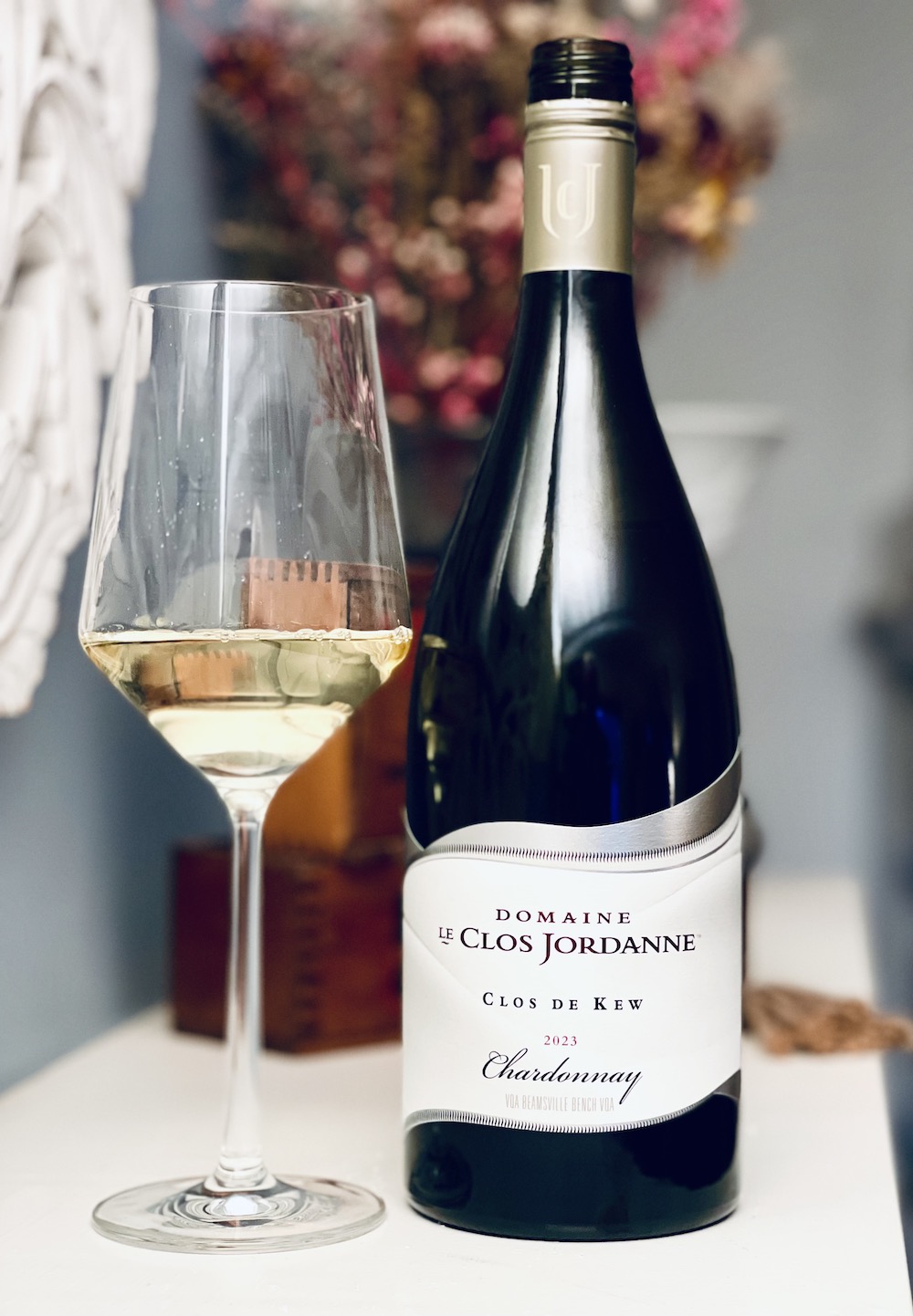
Domaine Le Clos Jordanne Clos de Kew Chardonnay 2023 ($43, 93 points) — The Kew Vineyard was planted in 1978 and now resides in the Le Clos family. The fruit was whole cluster pressed and wild fermented (like all Le Clos wines) and aged for 18 months in French oak (23% new oak). What a lovely debut from the Kew Vineyard. Such an expressive and lifted nose of poached pear, ripe apples, lemon tart, river-rock minerality and integrated spice notes. It’s creamy and textured on the palate with ripe orchard fruits, lemon chiffon, chalky/saline minerality, subtle spices and mouth-watering acidity driving the long, lifted finish. Can cellar through 2032.
A Stonebridge Cab Sauv worth talking about

Cabernet Sauvignon as a single-variety wine is slowly but surely starting to shine in Niagara. Not the big, jammy, high-octane versions we see from California, but more in line with the Left Bank versions in Bordeaux when in the hands of top Niagara winemakers.
The trick is ripening these late bloomers in the climate of Niagara, and premium-focused wineries such as Stonebridge, aren’t afraid to crop Cabernet Sauvignon to minimal levels to give these grapes as much exposure to the sun as they can for ripeness while maintaining acidity (which they have in spades in Niagara).
The 2021 Reserve Cabernet Sauvignon from Stonebridge in the Four Mile Creek sub-appellation, made by Peter Gamble and his wife Ann Sperling, is the first red vintage from the replanted estate in 2018. It wasn’t an ideal vintage for the late ripening varieties, so the winemaking team only picked 750 kilos across the 3.5 acres (a stingy 214 kg per acre). That came to just 1 to 2 bunches per vine. “The good news is,” said Stonebridge owner Faik Turkmen, “the grapes that were harvested were near perfection, the bad news, we were only able to produce 50 cases of this reserve wine.”
Here’s what I liked (the wine can purchased online here or at sister winery Lailey:
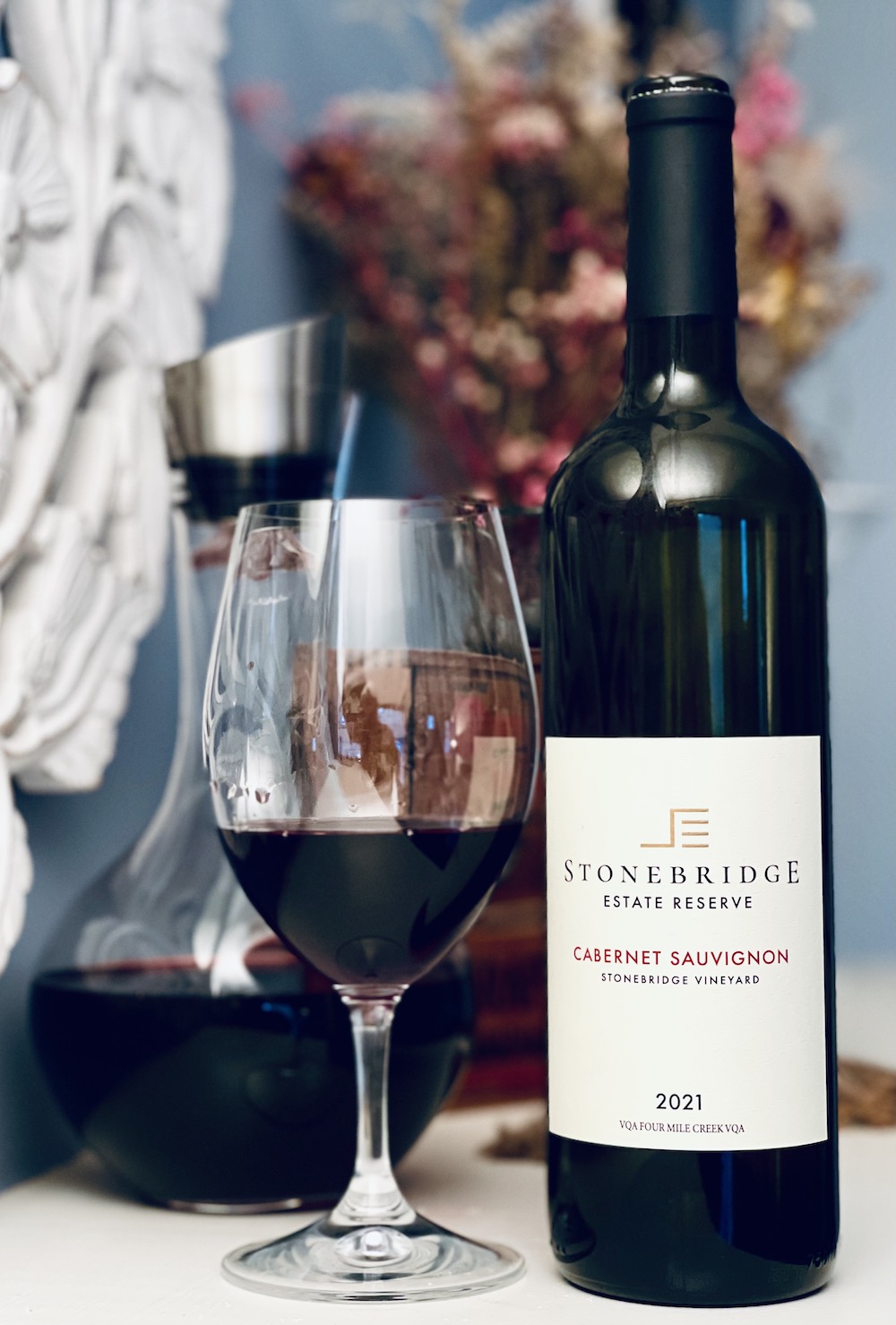
Stonebridge Cabernet Sauvignon Reserve 2021 ($78, 93 points) — The grapes were harvested by hand, then destemmed and wild fermented in a micro cuvee. The wine completed malolactic fermentation in French oak barrels and was aged for a total of 22 months before bottling. It shows a vibrant garnet colour in the glass with an enticing nose of cassis, ripe purple plums, blackberries, cherry/kirsch notes, cocoa, leather accents, tar and toasty spice overtures. It’s juicy and fruit-laden on the palate with notes of cassis, anise, black licorice, fennel seed, earthy/savoury accents, plums, chalky tannins, smooth texture and toasted spices that come at you in layer after layer. There’s power in this wine, but also restraint with an elevated finish bolstered by mouth-watering acidity and finesse on the long, lifted finish. This has the stuffing to improve in the cellar through 2036.
Our picks from the Niagara wines
released at Vintages on Dec. 6
We can highly recommend a trio of Niagara wines coming to Vintages shelves on Saturday, plus a gorgeous Malbec from Niagara wine couple Peter Gamble and Ann Sperling’s Versado project in Mendoza, Argentina.
Here’s what we can recommend:

Hidden Bench Terroir Caché 2021 ($48, new review, 93 points) — Hidden Bench makes two Bordeaux-inspired blends from its organic vineyards. The top barrels go into the flagship red La Brunante, but in 2021, no Brunante was produced, so the Terroir Caché benefitted from the declassified grapes grown in the three estate vineyards — Rosomel, Locust Lane and Felseck. The blend is 50% Merlot, 29% Malbec, 17% Cabernet and 4% Cabernet Sauvignon with aging in French oak barriques for 20 months (42% new oak, the rest mostly neutral). The nose has a lovely sandalwood perfume opening note followed by ripe black currants, dark cherries, plums, truffle notes, cocoa, and subtle earthy notes with vanilla-tinged spices. The tannins are assertive on the textured palate with layers of ripe, dark berries, anise, wild raspberries and cherries, with more cocoa, toasty vanilla and spice that all lead to a long, echoing finish with mouth-watering acidity keeping it fresh and lively. If pouring this for guests this Christmas, it’s best to decant for an hour or two prior to drinking. It can be cellared through 2035.

Westcott Estate Pinot Noir 2021 ($32, 92 points) — This is a wild fermented and barrel aged Pinot Noir sourced from both Westcott sites, that sees 22 months in older French oak barriques. It shows good colour in the glass and has an intense nose of brambly red berries, earthy/spicy notes, a touch of anise, violets and subtle spice notes. It’s rich and savoury on the palate with ripe tannins, a bit of cedar and a melange of dark cherries, black raspberries, cassis, spice and a lifted, vibrant finish. After retasting, this is in a very good spot and will be a perfect companion for Christmas when released at Vintages this fall and in December. Can cellar through 2032.
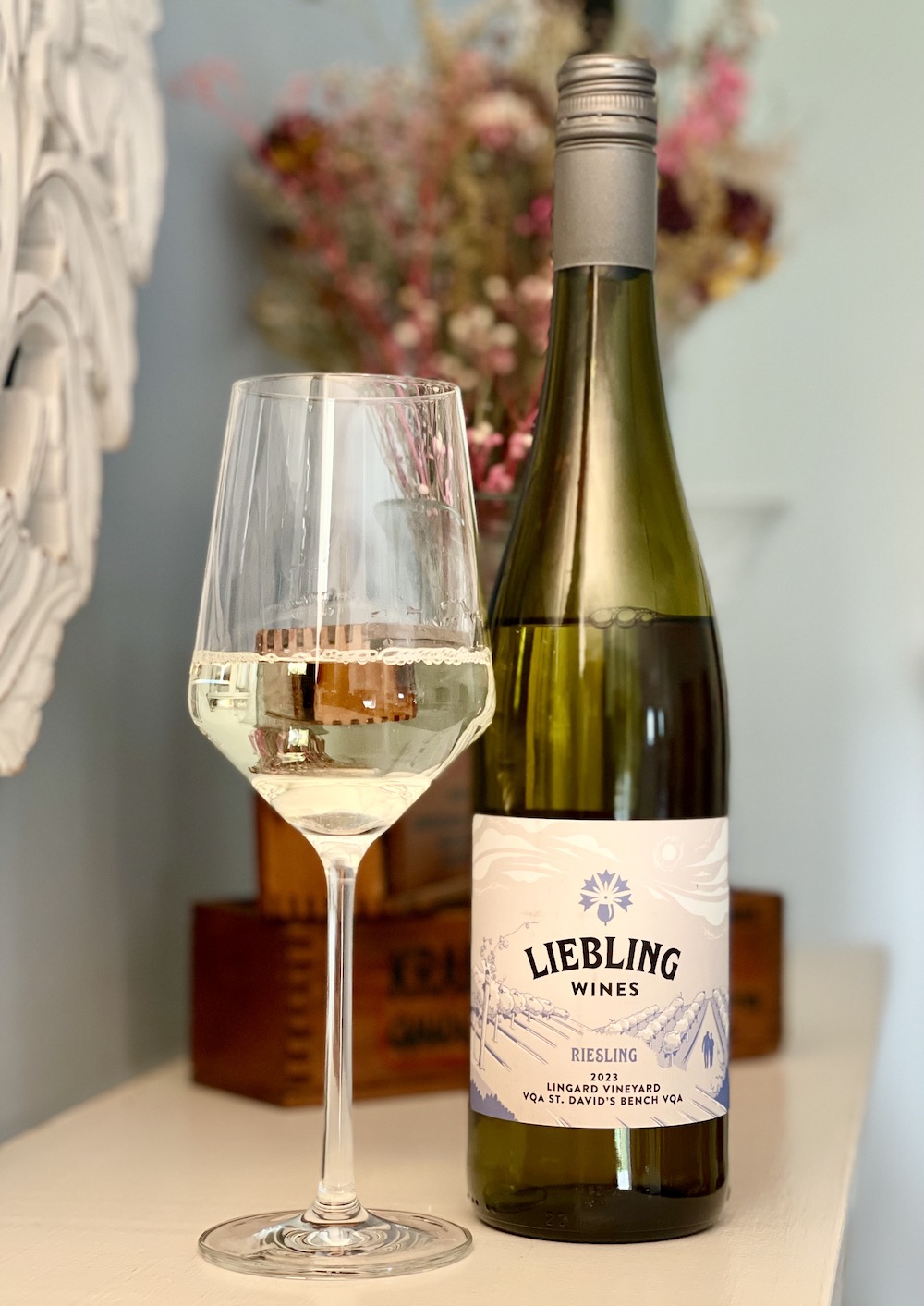
Liebling Lingard Vineyard Riesling 2023 ($33, 90 points) — The grapes are from the Lingard Vineyard on the St. David’s Bench that was planted in 2006 to the 21b Clone. Fermentation was stopped to leave a bit of residual sugar (8 g/l) to balance the crisp acidity. A classic Niagara Riesling nose of lime, grapefruit, floral lift, lanolin and white peach. It’s nicely balanced on the palate with lipsmacking citrus, summer peaches, ginger, honeycomb and yellow apple with a zippy, lifted finish. Can cellar through 2031.
A special Malbec from Niagara couple’s
Versado project in Mendoza, Argentina
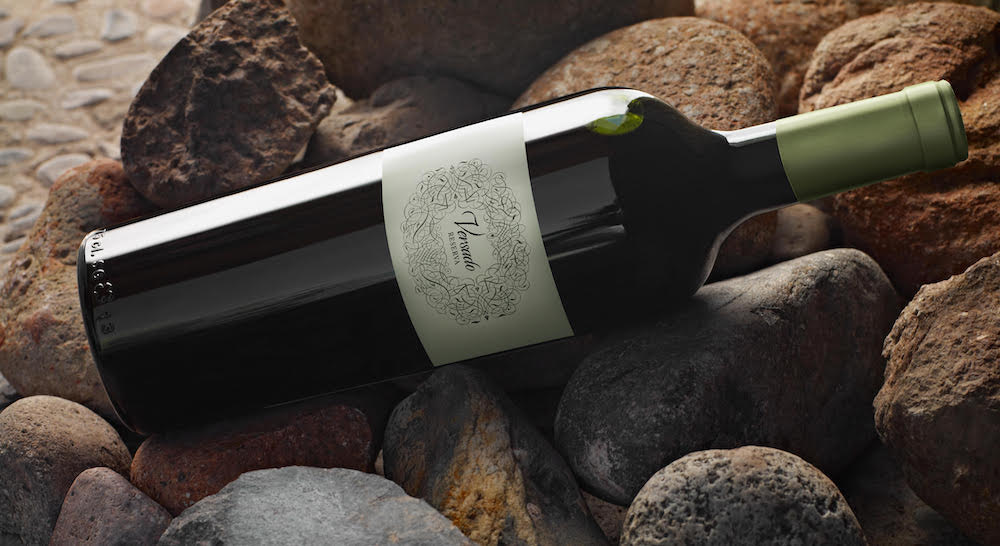
Versado Reserva Malbec 2020 ($70, 94 points) — The Reserva is the ultimate expression of Malbec in the Versado portfolio, which is owned and crafted by Niagara’s Peter Gamble and Ann Sperling. The 2020 vintage in Mendoza, Argentina, resulted in a more structured, intense style of wine, compared to the more fruit-driven Malbecs in past vintages, with smaller berries from vines that yielded only two or three bunches. It was aged for 24 months in French oak. The nose shows rich and deep notes of black currants, violets, plums, anise, a touch savoury with elegant spice notes. The potential of where this wine is going, with just a bit of cellaring, begins to emerge on the palate with its dense array of dark berries, spicy/savoury goodness, structured and ripe tannins, lifted spice notes and freshness through a lifted and long finish. Lovely Malbec at the highest end of the spectrum for serious Malbec. Can cellar through 2037. A wonderful treat for your Christmas celebrations. Note: for list of stores where the Versado is listed, click the ad at the top of the post.
Also released, but not reviewed by Wines in Niagara:
• Dillon’s Small Batch Dry Vermouth ($22)|
• Malivoire Forgotten Row Chardonnay 2021 ($37)
• Stratus Red 2021 ($55)
• Roeswood Shoulders of Giants 2020 ($45)
• Redstone Redstone Vineyard Merlot 2020 ($42)
• Konzelmann Family Reserve Meritage 2020 ($35)
• Hidden Bench Terroir Cache 2021 ($48)
• Domaine Queylus Reserve du Domaine Pinot Noir 2020 ($51)
• Thirty Bench Wild Cask Cabernet Franc 2022 ($55)
December online Cellar Selections at the LCBO
The online December Cellar Selections from the LCBO goes live on Dec. 4. We have two recommendations for Canadian wines. To order, go here.
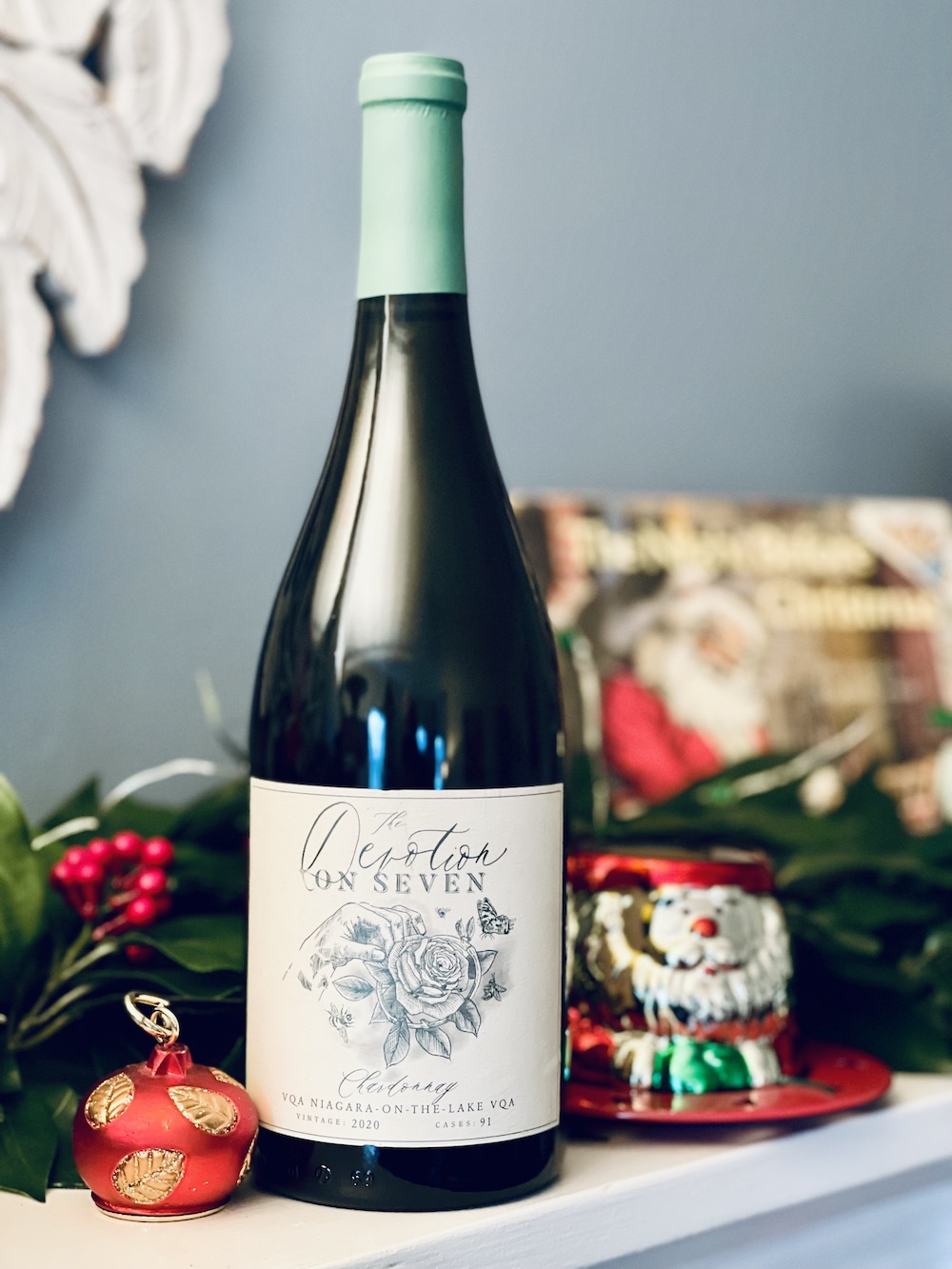
On Seven Devotion Chardonnay 2020 ($68, 94 points) — The top tier Devotion is a blend of Chardonnay from the finest barrels, the finest blocks, and made only in what owner Vittorio De Stefano and winemaker Gamble believe are the finest years. A touch tight on the nose at first (note, first reviewed in August 2024), but with swirling, the aromas unfold to show pristine, elegant notes of perfumed pear, apple, apricot, bergamot, sea breeze salinity, elegant spices, and never-ending persistence. It’s much more open knit on the palate with ripe pear, lemon tart, quince, a creamy texture, saline freshness, toasted hazelnuts and spice in a layered, complex style highlight by freshness and finesse on a long, luxurious and lingering finish. A soulful Chardonnay that will reward with 3-5 years in the cellar and will impress even the most discerning wine lover on your Christmas list.

Hester Creek The Judge 2021, Okanagan Valley ($75, 93 points) — Crafted in a classic Bordeaux style using Merlot, Cabernet Franc, Cabernet Sauvignon, and a co-fermentation of Petit Verdot and Malbec, each varietal was hand-picked, hand sorted and destemmed before being cold soaked for two days prior to inoculation. Fermentation took place in Italian Ganimede fermentation tanks before the wine was gently pressed off the skins. The lots were blended and barreled down in a combination of new and neutral French oak barrels. After aging for 24 months in barrel, the wine was blended and bottled in May of 2024. It has a juicy, rich and concentrated nose of black currants, blackberries, kirsch, figs, vanilla bean, wild herbs and baking spices. It’s made in a big, bold style, yet still shows some elegance on the palate with a mélange of dense dark berries, black cherries, anise, plums, cocoa, and fine oak spices all shrouded in tannins and spices with a lifted, finessed and long, long finish. A lovely vintage of the estate’s flagship red with room to improve through 2040 and beyond. Just add a nice cut of ribeye steak for maximum pleasure.
Comment here