
By Rick VanSickle
In 2022, the Al Borgo project was barely a concept of a concept with newly planted experimental vines and grandiose plans for a destination winery in an unlikely location in Niagara.
Today, with the doors finally open at the region’s newest estate winery and the first wines on the shelves, it’s not so much a concept anymore as it is a fully emerging 80-acre “wine village,” with 22 acres of vines planted since 2020, with the goal of 50 acres in total for what will eventually be a 40,000-case production annually.
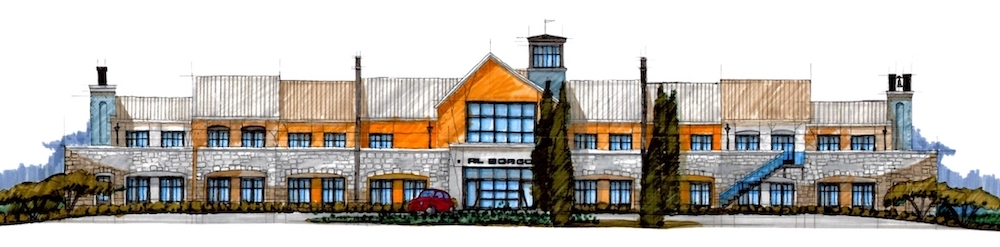
The ground has been broken on a community artisan marketplace, café, tasting room, retail space, winery, a 250-person capacity, multi-use piazza, which will be used to promote the arts, food and history of the region, and a 10,000 square foot seasonal entertainment venue.
In April, the estate begins constructing much-needed accommodations in the form of 10 one- and two-bedroom high-end villas, fronting on Mountain Rd. and backing onto the wetland with pedestrian access to the winery complex.
The ambitious Al Borgo Estate Winery is a project from founder/owners Alessandro Spassiani, below, and Joseph Panetta. Spassiani is the owner of the Borgo Contract Seating company in Toronto and one of the founding partners of the Vieni Estates winery, located nearby on Fly Road.

The name Al Borgo is in reference to the Italian town where Spassiani grew up called Sora, which is in Lazio, in the province of Frosinone, about an hour southeast of Rome. Sora is the twin town with Vaughan, Ont., where Spassiani lives. “In Sora there is an older part of the town referred to by the locals as Borgo, meaning village,” explained Spassiani when I first met him in 2022. “To the village” is the literal translation of Al Borgo.
Spassiani is no stranger to Niagara. Even before his partnership with Vieni he owned a business called Woodrich Furniture Inc. on Dieppe Rd., which later moved to 131 Cushman Rd., in St. Catharines, before starting his contract seating business in Toronto.

As Spassiani watched the Ontario wine industry grow he became more and more fascinated with the quality of wines being crafted in Niagara. His dream of owning his winery began 22 years ago even as he became a partner in Vieni.
“We have the climate and now so much innovation,” Spassiani told Wines in Niagara. “We can produce wines just as well as anywhere. There’s been major improvement in the quality.”
He bought the Zimmerman Road property, located in Beamsville and part of the Vinemount Ridge sub-appellation, previously planted to soybeans and corn, 2019 and immediately and began planting 25,000 vines. And what he planted might just be the most intriguing aspect of this new winery and wine village.
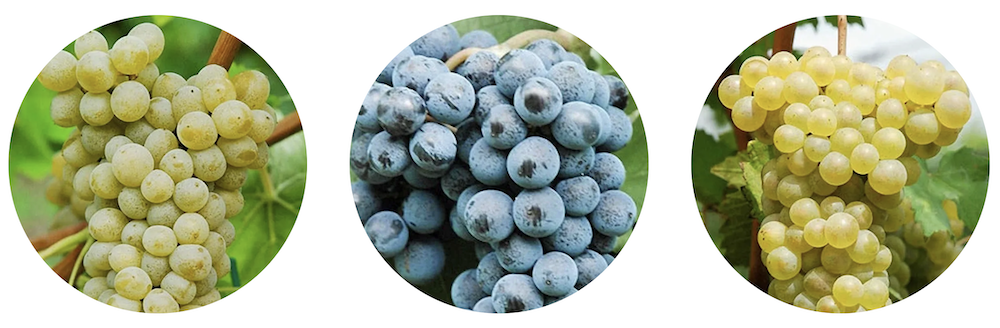
Yes, there is Pinot Grigio, Pinot Noir, Chardonnay, Vidal, Baco Noir, and Cabernet Franc, all proven winners in the Niagara region, but Al Borgo is the first in Canada to plant a range of disease resistant and cold weather tolerant — Sauvignon Rytos (the only planting in Canada), Soreli, Cabernet Volos and Merlot Kanthus.
These new VQA approved varieties are naturally more resistant to pests, requiring fewer pesticides to grow and thrive as well as cold-tolerant, and disease-resistant capable of withstanding winter temperatures as low as –24 C. The results are wines crafted from healthier, more sustainable grapes.
Spassiani lobbied hard to get all the new Italian varieties approved by VQA and were rewarded for their hard work last summer when all the grapes they submitted were given the green light under the category of “varieties produced by inter-specific crossbreeding that may be indicated on the label of varietal wines.” It wasn’t the “vinifera” definition they ultimately wanted, as they are considered in Italy, but it does get them in the game with a VQA badge with the new varieties listed on the label.
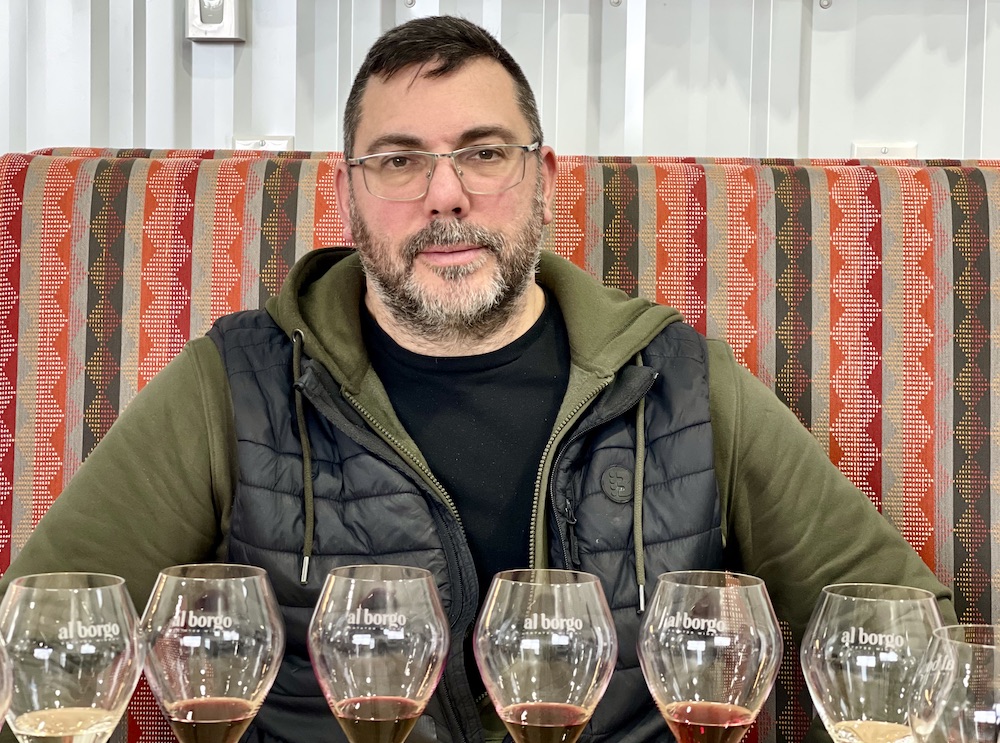
“We’re still in the experimental stage with these new grapes,” Spassiani tells me as we tasted the wines recently with Mauro Scarsellone, owner of Ridgepoint Wines, and Mauro Salvador, the winemaker of Al Borgo wines and Vieni. “Most people can’t even pronounce the grapes, so we are seeing a little bit of resistance.”
Spassiani and Scarsellone, who also has some of these new grapes planted at Ridgepoint, believe the new grapes will change the wine industry due to several benefits the grapes bring to the table.
First and foremost, the grapes are highly resistant to disease, making them more sustainable with spraying cut in half, as well as survivable by 2 or 3 degrees Celsius during the coldest winter days. “Two or three degrees can save our asses in the winter,” Scarsellone says.
They also make wines with lower alcohol with grapes that mature two to three weeks earlier than other varieties, they say.
“Our goal is to create a destination that promotes the region but also moves the industry forward with lower alcohol wines that get to market quicker and are less expensive,” Spassiani says.
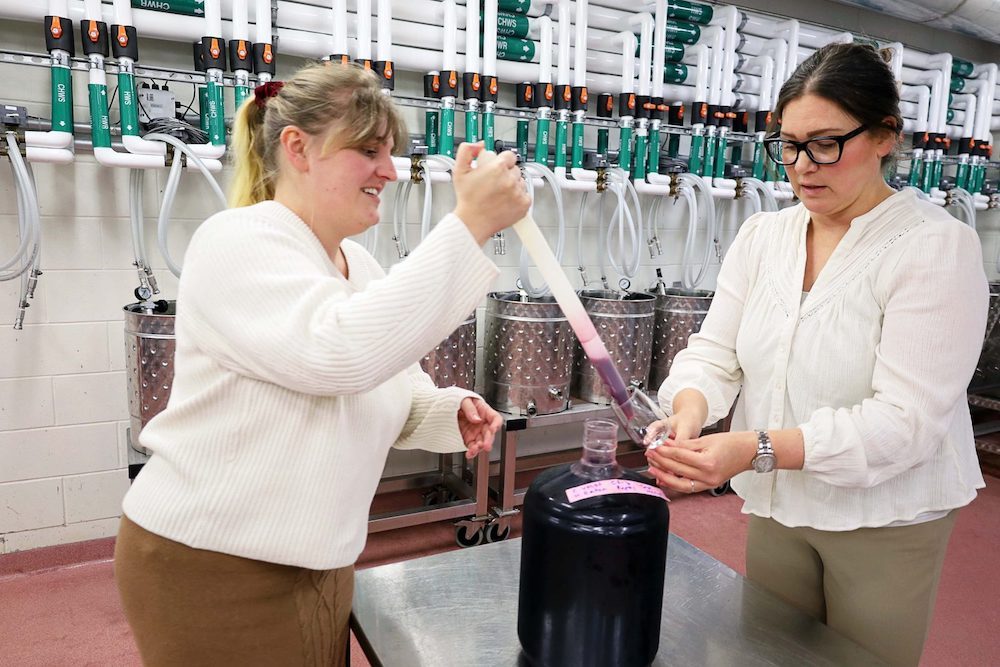
Brock’s Cool Climate Oenology and Viticulture Institute (CCOVI) has been working with Al Borgo and others who have these varieties planted. They are exploring how these new to Ontario grape varieties can be used to make distinctive new wines that align with consumer trends and improve growers’ sustainability efforts. The Brock researchers say these new options are poised to make a splash in the Ontario wine industry.
“If you look at the demographics, you see the older population is still going for the bold reds, whereas the younger generation is looking for lighter wines,” says Jennifer Kelly, a senior scientist of oenology at CCOVI. “We want to remain aligned with the desires of all consumers and producers — and our research and outreach activities at CCOVI will continue to have that focus — but this new research is really exciting for a new segment of consumers who want environmentally responsible wines with lower sugar and alcohol content,” she says.

First grown in Europe in the early 2000s, Soreli and Cabernet Volos carry a significant proportion of genes from vitis vinifera, the species of grapevine from which wine has historically been made around the world. Because they are more disease and cold resistant, says Brock, these new varieties are well-suited to cool climate wine regions and reduce the need for pesticide use, making them more sustainable. They also have a shorter ripening season, which makes them good candidates for producing wines with lower alcohol and thus an attractive option for younger consumers seeking out these qualities.
While making research wines from these grapes, the CCOVI team experimented with alternative yeast strains during the fermentation stage. This meant forgoing commercially available standard strains, often of the saccharomyces cerevisiae species, for locally isolated strains of saccharomyces uvarum. Kelly says the results so far have been favourable from both a production and sensory point of view.
“These yeasts naturally produce less alcohol because they consume the grape sugars differently,” she says. “Instead of turning as much sugar into alcohol, they create other compounds — some of which contribute to the wine’s overall profile. The result is a lower-alcohol wine that still tastes balanced and expressive.”
Kelly says that for Niagara wineries, this can create a very desirable outcome by giving the wines a distinct flavour. “It is an opportunity to highlight their own microbial terroir, as the yeasts we are utilizing have taken up residency in the winery and may be unique to the vineyard, giving them a regional signature for the winery itself,” Kelly says.
The CCOVI team has also been investigating the use of a post-fermentation filtration process that uses reverse osmosis to remove water and ethanol from wine.
“We take the wine and reduce its ethanol content by running it through this system, and with that, we have a higher level of control over the overall alcohol content of the wine,” says Kelly. “If we desire to drop the alcohol by one or three per cent, we can calculate that and do that accordingly.”
New mildew resistant varieties
Bred for resistance to downy mildew and powdery mildew as well as exceptional cold hardiness, these clones are excellently suited to difficult sites.
Cabernet Volos
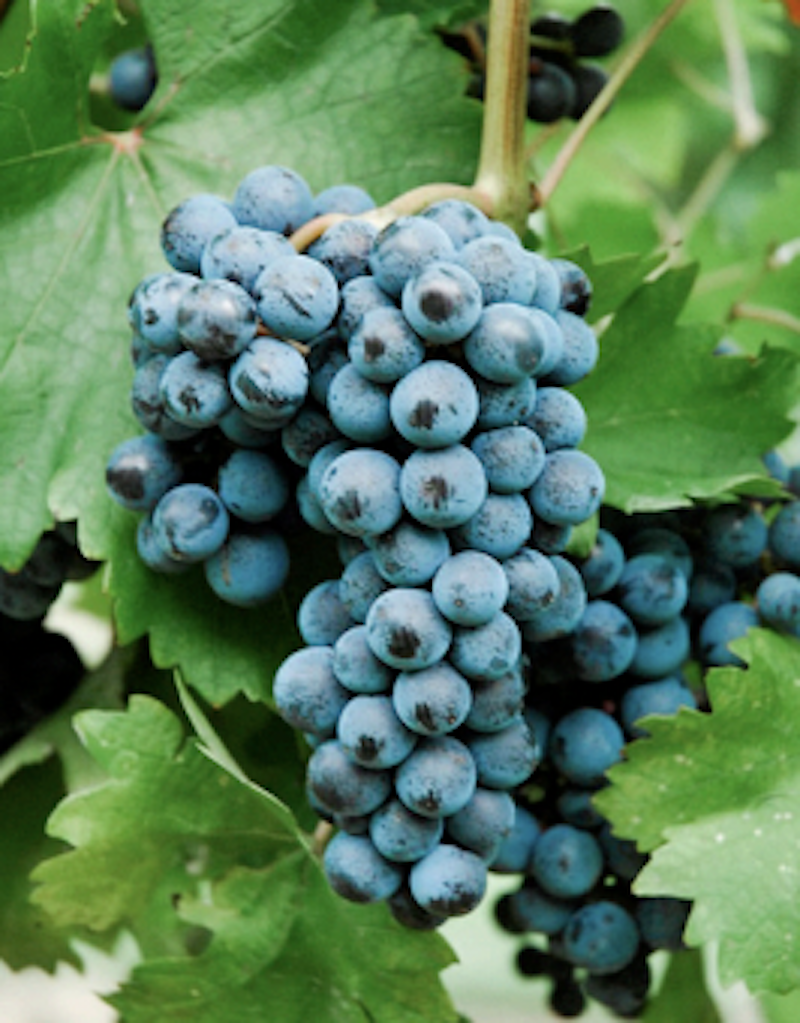
• Parentage: Cabernet Sauvignon and Bianca, resistance to downy mildew is good, and powdery mildew fairly good, it’s cold hardy down to -24 C. Harvest and vigour are medium.
• Cluster: Cylindrical cluster, relatively compact with a wing always present.
Berries: The small berry is spheroidal. It has a thick skin, blue-black colour with a thick pruinosity. The pulp is soft or slightly firm with herbaceous flavour.
• Vigour and growth: Grapevine with medium vigour and semi-upright growing habit. Adaptable to different trellising and pruning systems particularly to the spur systems because of the high base bud fertility.
• Enological potential: Grapevine is able to achieve an excellent sugar accumulation with good acidity. The aromatic profile is complex with intense fruity notes that are reminiscent of the parent, Cabernet Sauvignon. Polyphenols complex of excellent quality. Suitable for production of wines requiring medium to long refinement periods also thanks to the high content of intense pigments.
Sauvignon Rytos
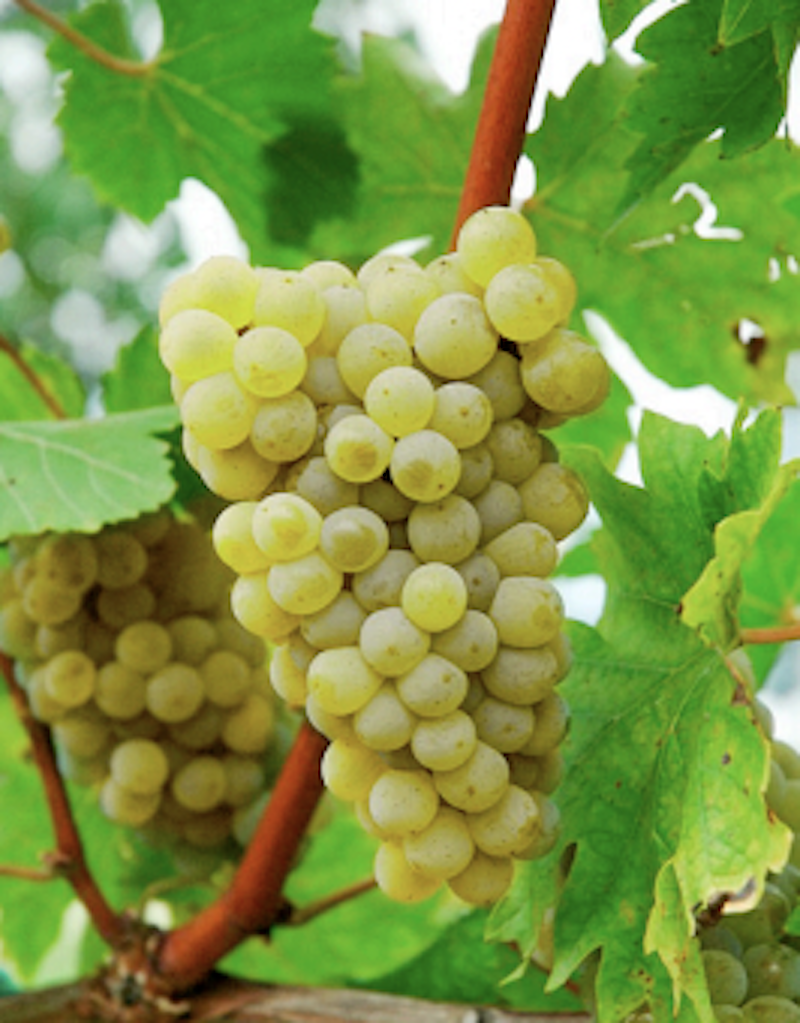
• Parentage: Sauvignon Blanc and Bianca, resistance to downy mildew is good, and powdery mildew is excellent, it’s cold hardy down to -23 C. Harvest is medium, vigour is medium high.
• Cluster: Average cluster length, cylindrical, compact. A short wing is rarely present.
• Berries: The berry is small, slightly elliptical with thin skin and average pruinosity. Pulp with soft consistency and neutral flavor.
• Vigour and growth: Grapevine with good vigour and upright growth habit, sometimes drooping. It requires green pruning to limit the excessive growth. Adaptable to different trellis and pruning systems but performs best on long pruning forms as the guyot-type.
• Enological potential: Sugar accumulation is as good as must acidity. The free and glycosidic aromatic compounds are superior to the average varietal and have tropical hints combined with a marked mineral scent. This variety can produce wines with an intense aromatic outline and a positive and very complex potential amplitude. It is suitable for ready-to-drink wines or wines requiring a long refinement.
Soreli
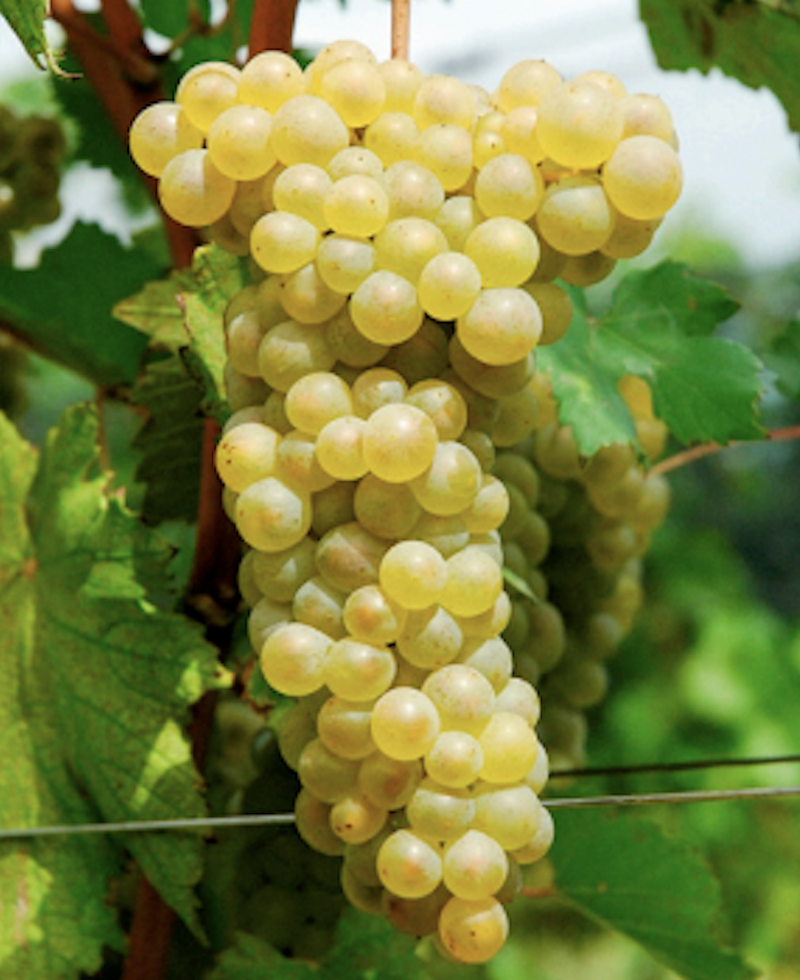
• Parentage: Tocai Friulano, resistance to downy mildew is excellent, and powdery mildew is excellent, it’s cold hardy down to -24 C. Harvest is early, vigour is medium high.
• Cluster: The cluster is cylindrical, its length is above average, from medium-compact to semi-loose with two short wings.
• Berries: Small, spheroidal and uniform berry. Thick green skin with golden hues and medium pruinosity. The pulp is slightly compact and has a neutral flavour.
• Vigour and growth: Medium-high vigour grapevine with semi-upright or drooping growth habit. Adaptable to different trellis and pruning systems because of the high fertility of the basal buds.
• Enological potential: Sugar accumulation is excellent, and acidity is within the average range even in hot years. The aromatic profile is intense for the volatile aromatic compounds, mainly for the glycosides associated with tropical notes, pineapple and passion fruit. The aromatic amplitude is above average with a positive sensorial profile and above average structure and pleasantness. It is suitable for blending with fleurtai for well-structured and balanced wines to be consumed after short periods of refining. It resembles the parent Tocai Friulano.
Merlot Kanthus
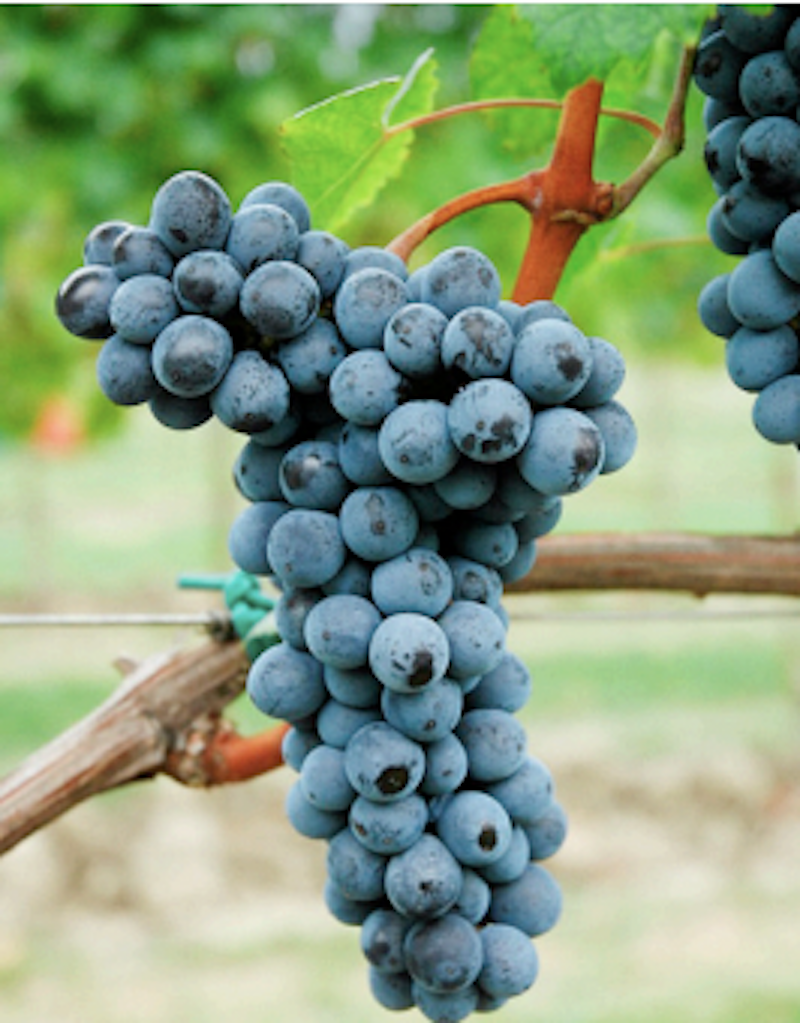
• Cluster dimensions: slightly lower than average, cylindrical, semi-compact with an evident wing.
• Berries: Slightly small, lower than average berry size, elliptical; blue-black thick skin with thick pruinosity. The pulp is slightly hard white with fresh herbaceous taste.
Vigour and growth: Fairly good vigour and with semi-upright growth habit. Adaptable to different trellising and pruning systems. It can be pruned to spur cordon system because of the high fertility of the base buds.
Enological potential: High sugar accumulation though maintaining a good acidity in the must. The aromatic profile of free compounds is positive with evident pyrazine notes, whereas the glycosylated compounds are within the average range. Excellent polyphenol content for quality, intensity and amplitude with a high anthocyanin content. It is conducive to the production of wines requiring a medium-long refinement period.
“These exciting additions reflect our commitment to innovation, sustainability, and exceptional taste,” says Spassiani. “Each variety brings its own unique character and terroir-driven expression — ideal for wine lovers seeking exclusive, estate-grown wines.”
Tasting the new Al Borgo wines
I had the opportunity to taste several of the new Al Borgo wines (plus one from Ridgepoint), both traditional varieties and blends, as well as the new disease resistant wines with Spassiani, Scarsellone and Salvador at the winery’s new temporary tasting facility, which is now open to consumers from Friday to Sunday.
There is a robust collection of wines available to purchase and explore. You find more information on Al Borgo here on the winery’s website.
Here’s what I liked:

Al Borgo Fiore di Vigna 2024 ($25, 89 points) — While winemaker Salvador and Spassiani are still experimenting with these new grapes, they have decided, for the most part, to keep the grapes away from oak to first learn about their true attributes. This blend of 60% Sauvignon Rytos and 40% Soreli is made in a super dry style with only 2 g/L of residual sugar and no oak treatment at all. The nose shows pulpy grapefruit, green apples, passionfruit, herbs and a melange of tropical fruits. It’s bright and lifted with fresh citrus, apple/quince, a touch of kiwi and guava with a bright, not overly acidic, finish.

Al Borgo Sauvignon Rytos 2023 ($25, 88 points) — This was the first grape planted and the first wine made at the estate. It was fermented and aged in stainless steel with some lees aging. There’s some similarity to Sauvignon Blanc here with a nose of lemon curd, kiwi, white peach, grapefruit, fresh cut grass and herbs with subtle earthy notes. It’s rounded on the palate with ripe peach and yellow apple fruit, a touch of grapefruit, herbs and flint with a lively finish. I can envision this white wine with a touch of oak and/or concrete aging.
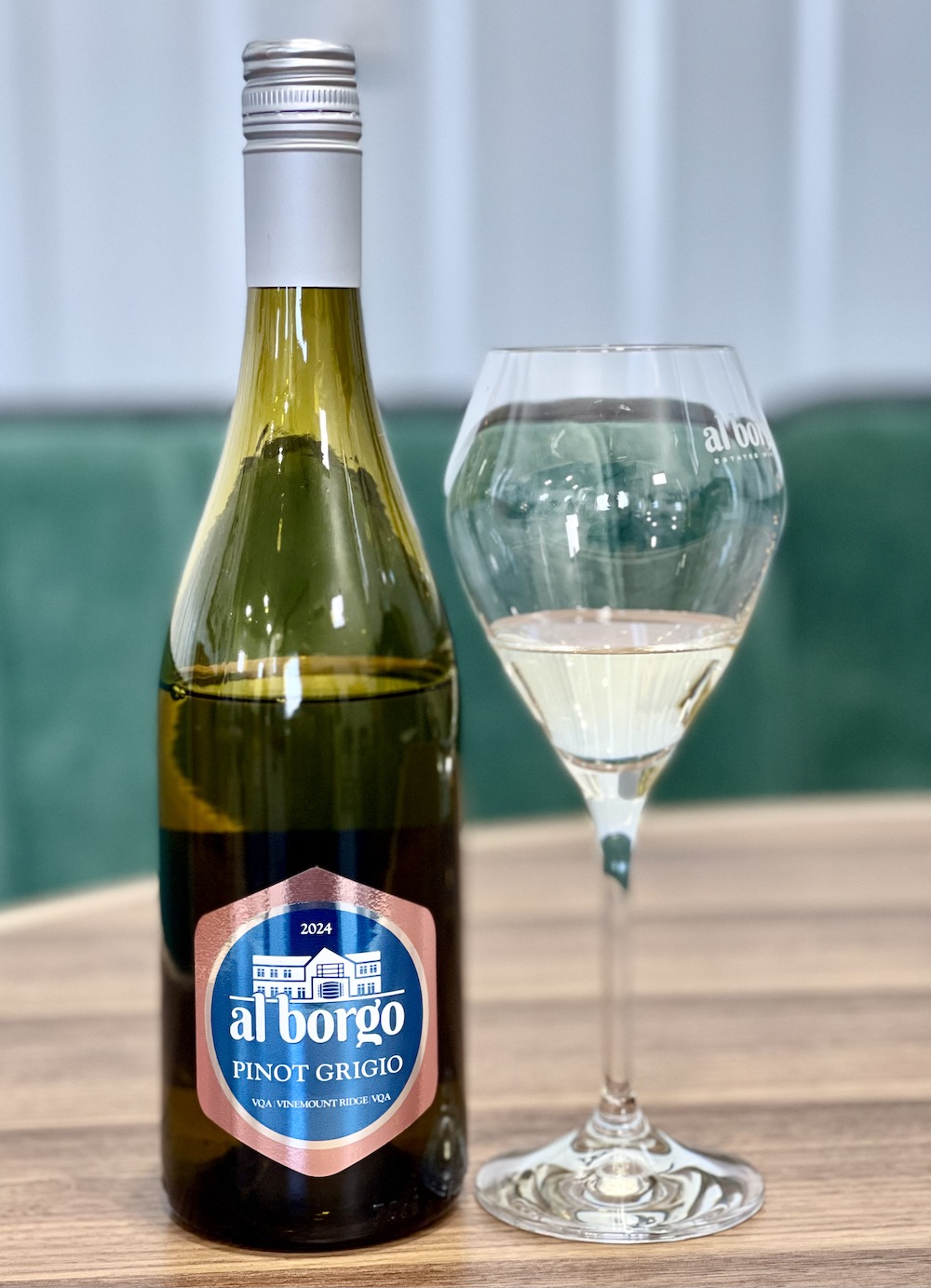
Al Borgo Pinot Grigio 2024 ($19, 88 points) — This shows a lightish pink twinkle in the glass from a touch of skin contact with a nose of fresh apples, white peach, pear skin, lime and saline minerality. It’s fresh on the palate with a medley of orchard fruits, a touch reductive and savoury with a vibrant, lifted finish.
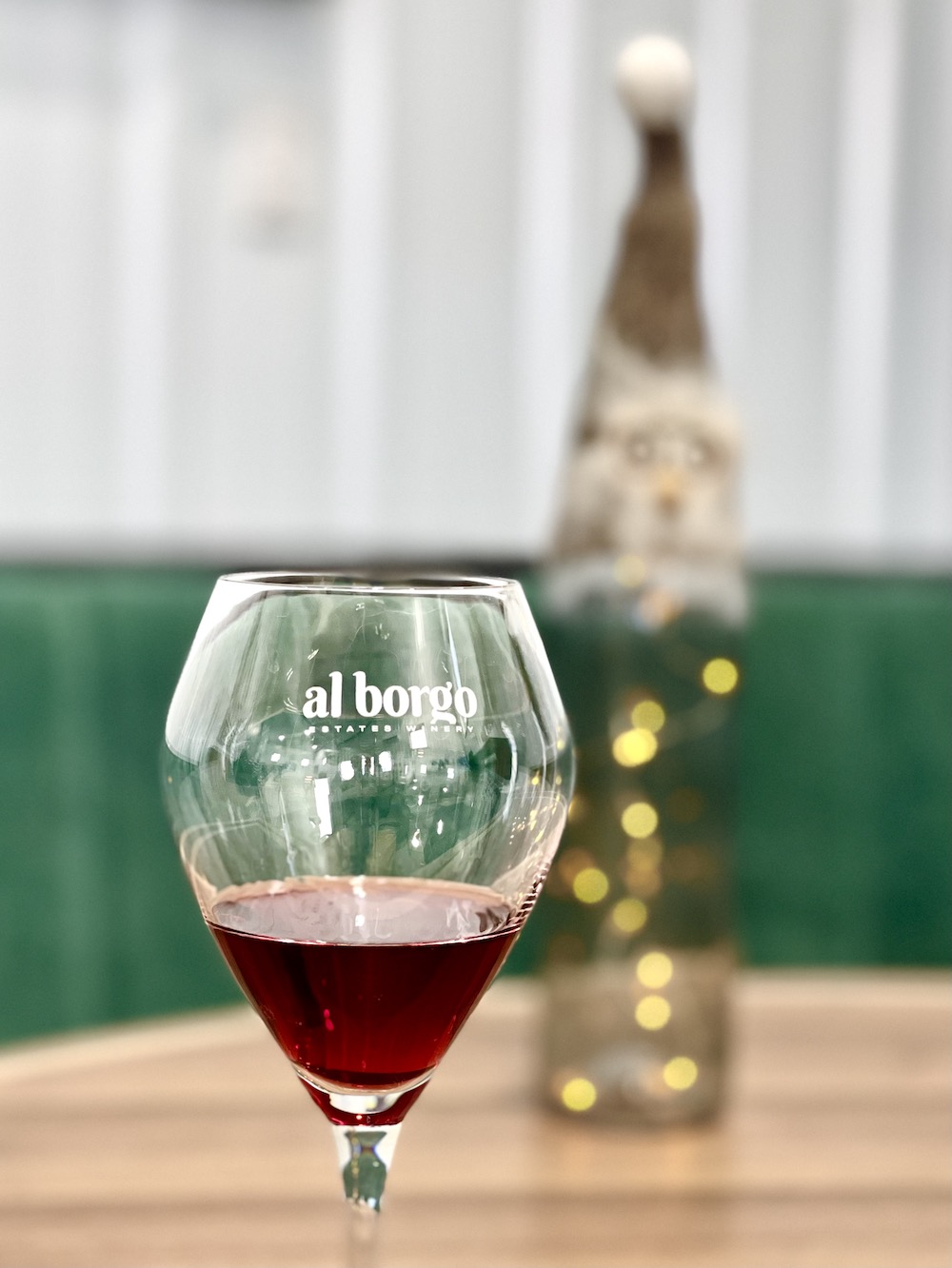
Al Borgo Pinot Noir Reserve 2023 ($36, 91 points) — It should be noted that we tasted this Pinot even though it was only bottled two weeks ago (hence no bottle shot). I decided to review the wine as it showed no signs of bottle shock. The wine was aged for 24 months in all used French oak barriques. “For our first vintage, we really just wanted to see what Pinot will do here,” said Salvador. Such a pretty, clean nose with vivid dark cherries, strawberries, cranberries, violets, a touch of earth and lightly toasted spice notes. It has a silky texture on the palate with ripe red berries, anise, savoury/earthy notes, truffles, stony minerality and a long, finessed finish. Can cellar this through 2032.
Al Borgo Cabernet Franc Reserve 2023 ($35, 92 points) — The Cabernet Franc is aged for 24 months in a combination of older French and new American oak barrels. This is a really nice wine from new vines and shows the potential of the terroir at Al Borgo. It has a lovely dark ruby hue in the glass with a nose of wild black raspberries, anise, Morello cherries, herbaceous notes, savoury spices and fresh turned earth. It’s classic Niagara Cab Franc on the palate with good structure, polished tannins, ripe red berries, aniseed, dried herbs, toasted vanilla bean and spice with a fairly lifted and finessed finish. Can cellar through 2034.

Ridgepoint Avanti 2024 ($20, 88 points) — Ridgepoint owner Mauro Scarsellone, a friend of Spassiani who is also experimenting with these new disease resistant varieties, created this 50-50 red blend of Cabernet Volos and Merlot Kanthus that’s made in an “easy going, quaffable” style with no oak treatment. This first vintage is to get a feel for the varieties and how they play together without the influence of oak. On the nose it shows savoury/smoky dark berries, tar and juicy plums. It’s loaded with currants, blackberries, purple plums, and anise/licorice with light tannins and mouth-watering acidity on a lifted finish. Would like to see how oak contributes to the blend in the future.
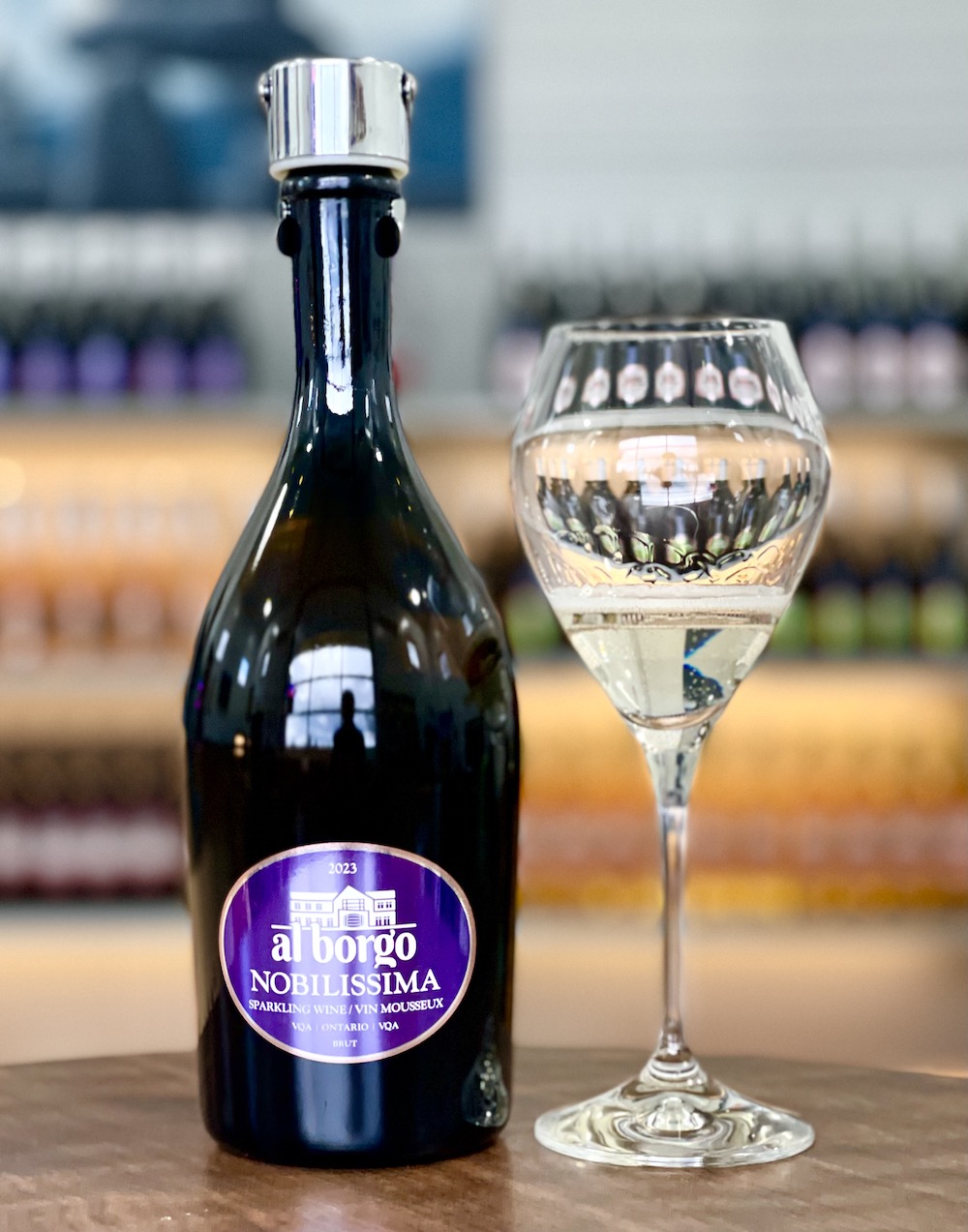
Al Borgo Nobilissima 2023 ($24, 88 points) — This is a charmat style sparkling wine made from predominantly Vidal grapes with just a pinch of Moscato. It’s made in a Brut style and spends a few months on its lees. It has a robust bead in the glass with notes of citrus, peach, florals and fresh apple slices on both the nose and palate. The finish is brisk and lifted. A friendly, perky sparkling wine.
I really enjoy reading your stuff Rick. You might not remember me but I worked with you at the Ottawa Sun nearly 30 years ago as assistant sports editor. I am long retired and recently moved to Jordan Station, where much of the summers are spent traversing local vineyards, sipping — and fruitlessly attempting to learn about — local offerings. I also had a good chuckle over your musings on junkets. I still simultaneously laugh and wince at the time I spent four days on a dive boat in Australia, almost three of which were spent puking over the side. All the best. Jim Wilson.
Small world, Jim. Hope you are doing well and living the life in beautiful Jordan. I love this part of Ontario, especially if you love wine. Cheers, Rick