
By Rick VanSickle
I wrote my wine first wine column while working as an editor for the Calgary Sun newspaper over 25 years ago.
Also in this Canada Wine Report: New wines from Henry of Pelham and our picks from the first Vintages release of 2026, including icewine from Stratus, Fielding Estate Cab Franc, Flat Rock Red Twisted and Chardonnay from the new Volta winery in Prince Edward County.

I have no idea what I wrote about in that debut column in 2000, but I do know what I didn’t write about — Canadian wine. It just wasn’t on my radar, especially in Calgary where there was zero interest in domestic wines.
Those first wine columns in the Calgary Sun were focused on the traditional wine regions that appealed to Albertans at the time — namely California (especially Napa) reds, big Aussie Shirazes and over-oaked Chardonnays, Bordeaux reds, Super Tuscans … you know, anything that fit perfectly into a steady diet of steak, frites and chuck wagon races.
What I wrote about then tended to be what I had in my own cellar — the popular trophy wines of the day. As incredibly narrow-minded as that sounds, it wasn’t until we packed up the twins one summer and headed over the Rocky Mountains to a new region for us, the Okanagan Valley, that my eyes and palate were opened for the first time to Canadian wines (other than the Baby Duck my parents always had on hand for “special” occasions).
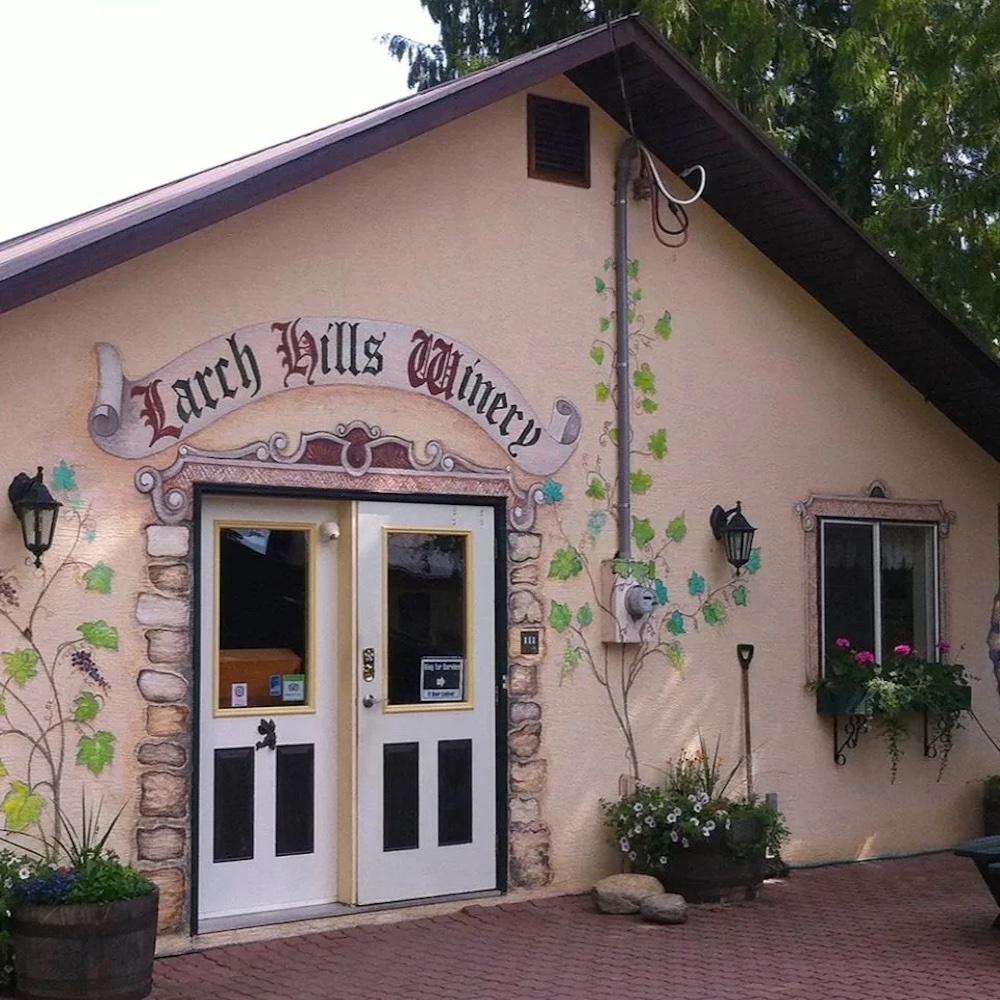
It was the Larch Hills Winery in Salmon Arm, B.C.’s most northern winery at the time, that first caught my attention as we travelled south to the Okanagan. This quaint, tiny winery with magnificent views impressed me so much that I took notes as I tasted the wines and asked questions — so many questions — about what I was tasting. It would be the first Canadian winery I ever wrote about but certainly not the last.
Travelling to the Okanagan became and annual summer vacation. We fell in love with the region, the wines, the vibe and especially the people we met along the way. I had no idea Canadians were making wines at such a high level in a region that I had no idea even existed.
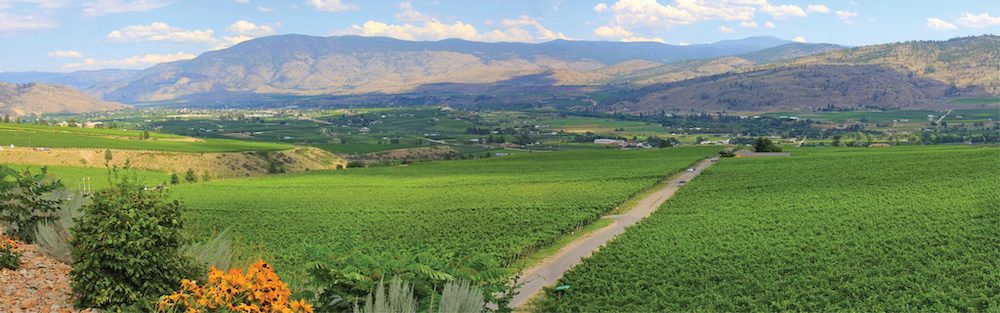
My wine columns were quickly becoming more Canadian and less Napa. I expanded to Ontario wines, which also blew me away once I had the chance to discover what they had to offer. In those days, the larger wine companies — namely Vincor (now Arterra Wines Canada) and Andrew Peller Ltd. — had the marketing funds to bring wine journalists to their properties in both the Okanagan Valley and Niagara for deep dives into their wines. They also made sure to include other wineries that we would not otherwise get to visit on our own.
During our annual family trips to the Okanagan, we gravitated toward the south of the valley, between Oliver and Osoyoos, close to some of our favourite wineries at the time — Tinhorn Creek, Hester Creek and Culmina — all located on the west side of the region on rocky, high elevation terrain with spectacular views. It’s collectively called the Golden Mile Bench, and for good reason.
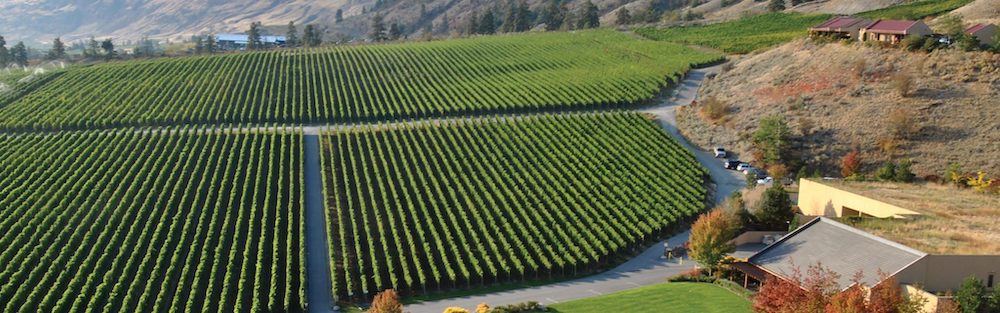
It was later, once I was transferred back to the Toronto Sun as both an editor and wine writer, that Tinhorn Creek was sold in 2017 to Andrew Peller Limited as part of a $95 million deal that also included Black Hills Estate Winery and Gray Monk Estate Winery. And two years later in 2019, Donald and Elaine Triggs sold their stunning Culmina winery to Arterra Wines Canada.
I have not tasted a Tinhorn or Culmina wine since they changed ownership. The big wine companies, at one time the most aggressive in getting their wines into the hands of wine journalists, have abandoned that strategy in favour of more populist marketing campaigns focused on wine lifestyle rather than the wine itself.
Hester Creek, now that’s a different story. The gorgeous estate that sits on land purchased in 1967 by B.C. wine pioneer, Joe Busnardo, has been a going concern since my early days of B.C. wine writing. And the wines have followed me from Calgary to Toronto and now Niagara, even though Wines in Niagara is primarily focused on Niagara and Ontario wines.
Today, Hester Creek sits on 115 acres of land with 88 acres of grapes under vine. The wines are crafted by winemaker Mark Hopley who takes his inspiration from the terroir and leads a team of future Okanagan winemakers.

It was in 2004, that B.C. entrepreneur, Curt Garland, purchased Hester Creek out of receivership and made substantial investments to the vineyard and winemaking. His vision was to create the Tuscan experience in B.C. wine country through luxury accommodations, fine dining and a state-of-the art winemaking facility and tasting room.
Sadly, Garland passed away on Nov. 21 of last year. In an end of the year update from the winery, fans of Hester Creek were encouraged to “raise a glass to Curt Garland — our founder, leader, mentor, and dear friend. Curt’s warmth, determination, and visionary spirit shaped Hester Creek into more than a winery. Over the years it became a place of community, resilience, and heartfelt hospitality.”
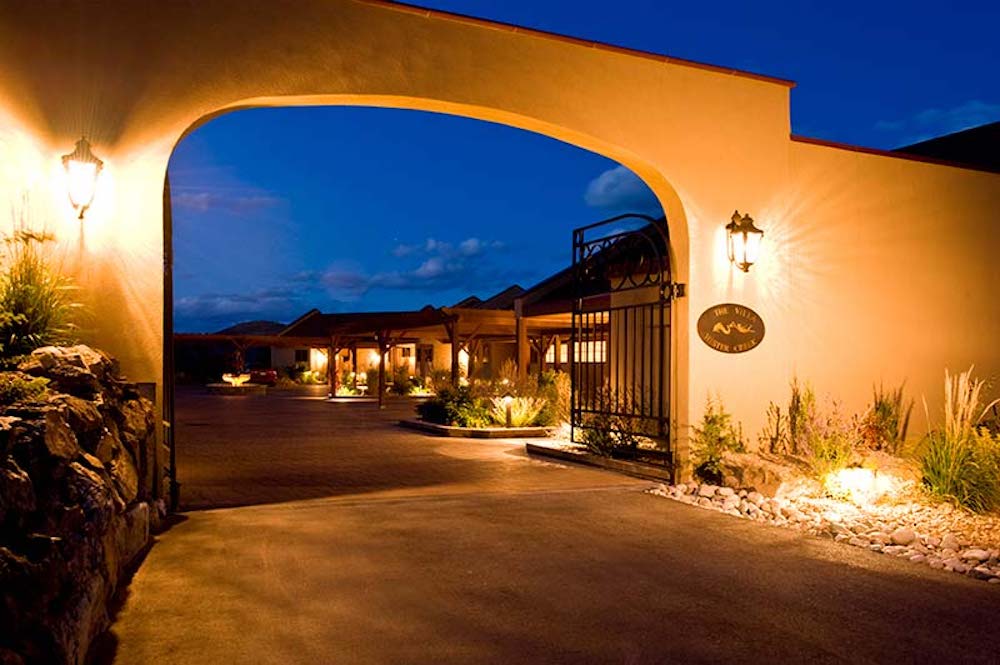
The top Garland red wine, reviewed in this report below, stands as a lasting tribute to his legacy.
Mark Sheridan, president of Hester Creek, said that under Garland’s guidance, the winery has “evolved into one of the South Okanagan’s premier estate wineries, earning the distinction of Winery of the Year British Columbia in 2023. Curt was a very humble man and did all his community work quietly with little to no fanfare. He donated to many foundations such as the Salvation Army, the Hospice House and the Spirit of the North Healthcare Foundation.”
Wines in Niagara recently retasted the Garland and Judge top tier reds from the 2022 vintage as well as a Meritage from 2024 that was sourced from the Columbia Valley in the U.S. and a new wine from the estate called Undici — Hester Creek’s first “Super Tuscan” style blend.
Here’s what I liked:
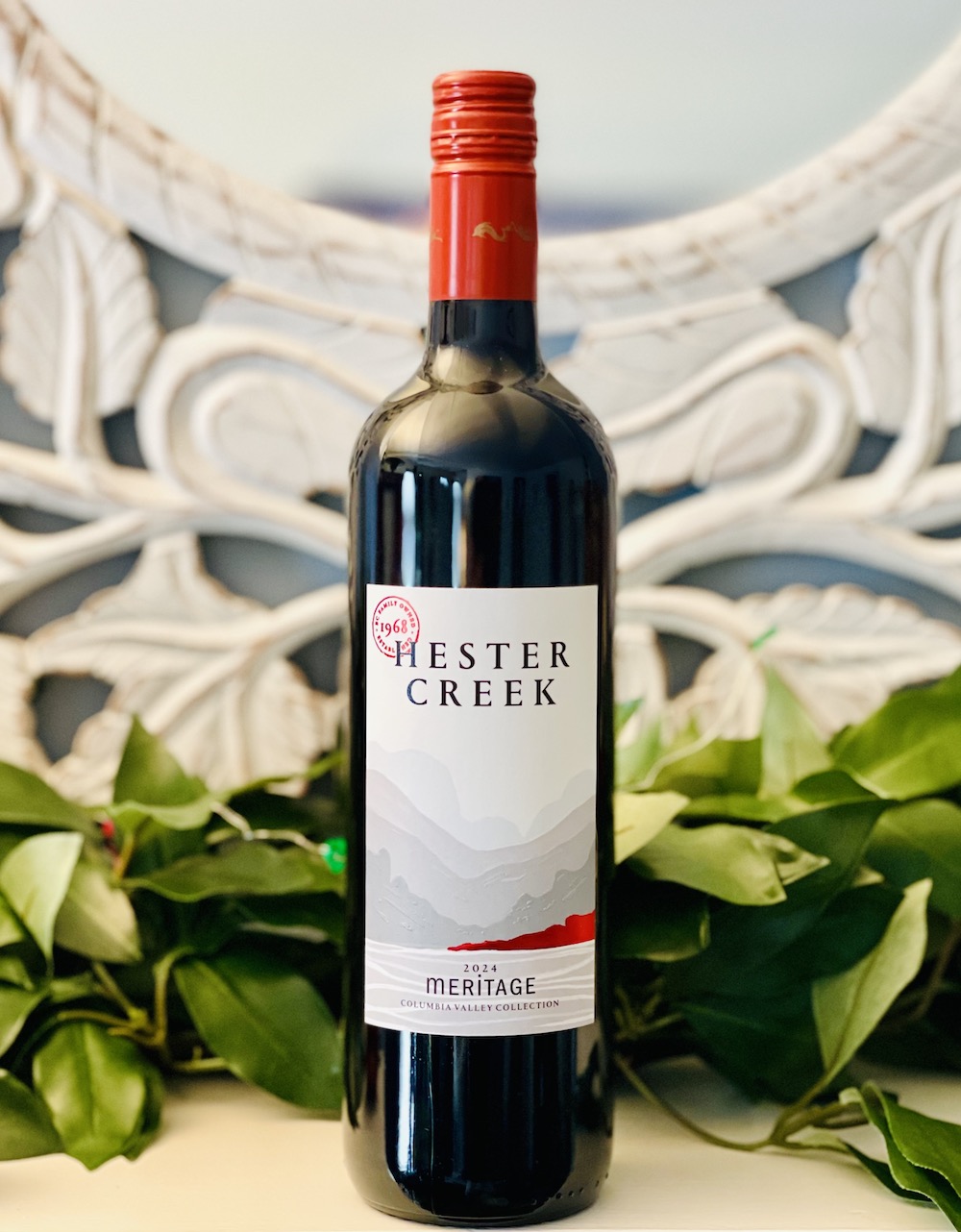
Hester Creek Meritage 2024 ($23, 90 points) — The 2024 Meritage from Hester Creek is part of the Columbia Valley Collection sourced from the Red Mountain AVA as a replacement for the bad winters in the troubled 2023 and 2024 vintages in the Okanagan Valley. It’s a blend of 62% Cabernet Sauvignon, 22% Merlot, 8% Malbec, 7% Cabernet Franc and 1% Petit Verdot that’s aged for eight months in a combination of French and American oak. It has a juicy, vivid nose of ripe cassis, blackberries, ripe Morello cherries, charred cedar, toasty vanilla beans and spice. It’s mouth-filling and pure with a medley of dense dark and red berries, a touch of anise and brambly notes with defined tannins and a vibrant, lifted finish. Good value red here to fill the gap while waiting on the Okanagan reds from 2025 to emerge.
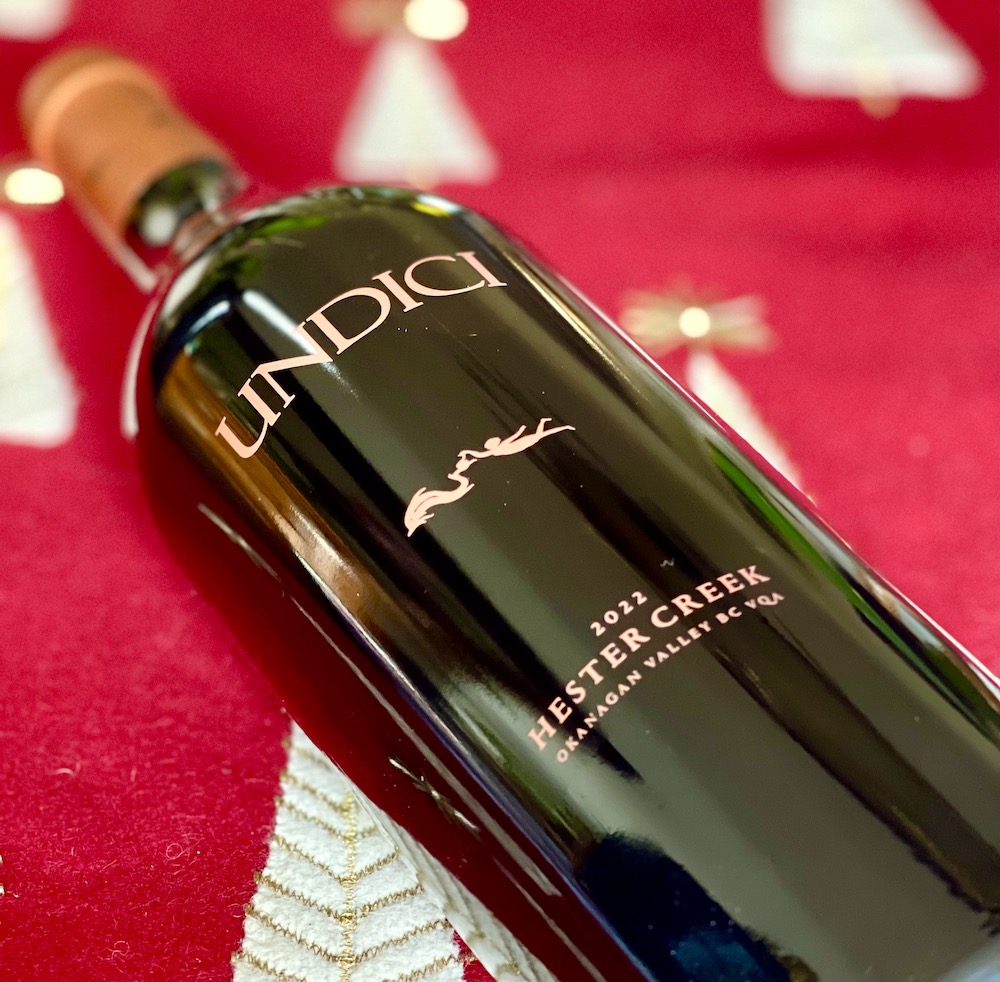
Hester Creek Undici 2022 ($60, 93 points) — This is Hester Creek’s first “Super Tuscan” style blend, made predominantly from Sangiovese (61%), Merlot (19%), Cabernet Sauvignon (16%), Petit Verdot (3%) and Malbec (1%). The fruit comes from the Osoyoos East Bench Vineyard, which is nicknamed Vineyard Eleven, known for producing grapes the winery rates 11/10 for quality. Undici is Italian for Eleven. The wine is aged for 24 months in 100% French oak barrels. Now, I know there is a sprinkling of Sangiovese grapes being grown in the Okanagan Valley and even less than that in Niagara, so I put this “Super Tuscan” on the rare side of the ledger. It’s quite interesting with a nose of dark cherries, savoury herbs, purple plums, roasted espresso beans, brambly black raspberries, saddle leather, dried tobacco and rich spice notes. It’s quite earthy and savoury of the palate with gritty tannins, a medley of red and dark berries, plums, dried sage, smoky accents, and spice box with mouth-watering acidity on a long, lifted finish. Can cellar comfortably through 2035.
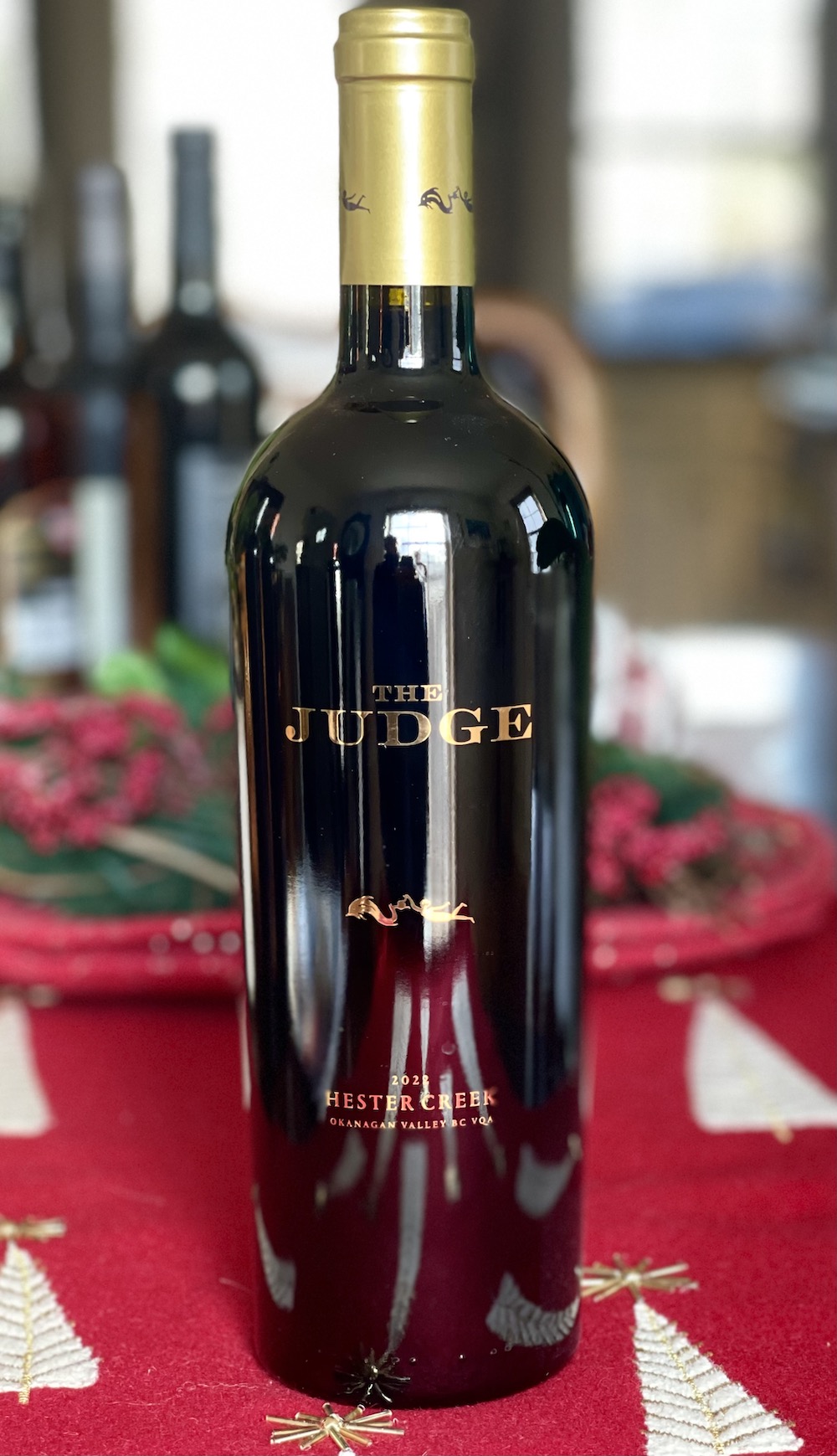
Hester Creek The Judge 2022 ($50, retasted, 94 points) —The 2022 vintage at Hester Creek was a warmer, juicier vintage than 2021 for big reds such as this and Garland below. The “Right Bank” blend for the 2022 Judge is 47% Merlot, 34% Cabernet Franc, 17% Cabernet Sauvignon and 1% each of Petit Verdot and Malbec. The blend was aged in a combination of new and used French oak barriques for 24 months. I decanted this before tasting it the first time and the second time seven months later and it opened up to bold and concentrated cassis, black cherries/kirsch, tobacco leaf, anise, cocoa, toasted vanilla bean, subtle earthy notes and rich spice accents on the nose. It’s mouth-filling on the palate with polished tannins, dense, ripe cassis, Morello cherries, black currant jam, savoury notes charred cedar plank that comes at you in layers, followed by toasted spices and a long, long, finessed finish. A gorgeous wine that will reward even further with cellaring to 2038.
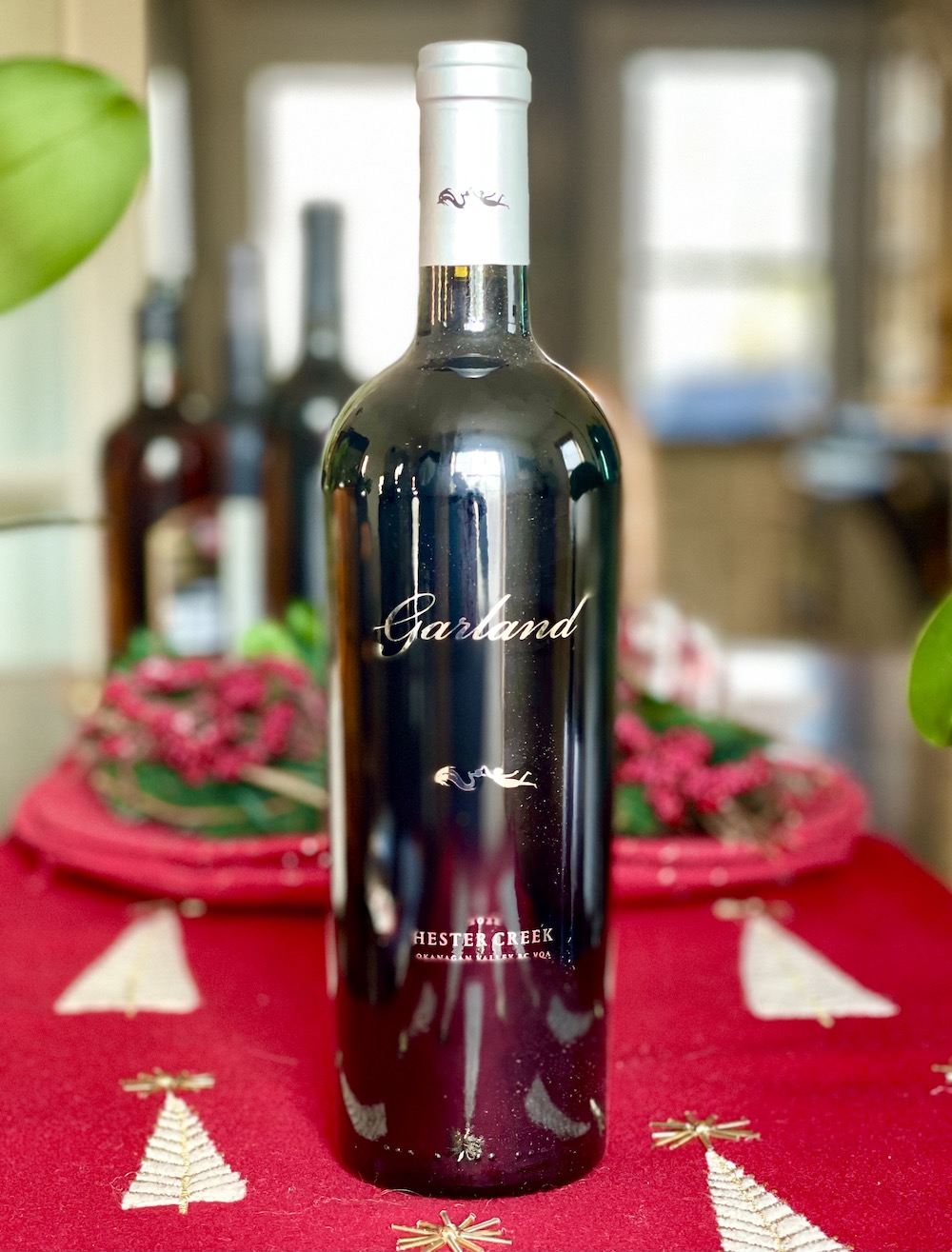
Hester Creek Garland 2022 ($65, retasted, 95 points) — The Garland is the “Left Bank” version of the big reds from Hester, made up of a blend of 77% Cabernet Sauvignon, 10% Cabernet Franc, 9% Petit Verdot and 4% Malbec. The blend was aged exclusively in French oak barriques for 24 months. The Garland is named in honour of founder Curt Garland, who passed away on Nov. 21 of last year. This is a blockbuster of wine that comes out of the gate expressing itself with profound and assertive ripe cassis, blackberries, anise, plums, dried Cuban tobacco leaf, cloves and toasty vanilla spices. It’s highly structured on the palate with ripe tannins melting into the heavily saturated dark berries of cassis and black currants with purple plums, a touch of kirsch, star anise, savoury/earthy notes and mouth-watering acidity bringing finesse and length to this beautiful red blend. After tasting this for a second time, seven months apart, and it’s already showing more integration and elegance. It has the potential to age through 2040, and I would suggest at least a year or two before opening your first one. A gorgeous wine.
A trio of Henry of Pelham wines
Wines in Niagara is getting back into the groove of tasting after a leisurely holiday break, starting right here with new wines from the Short Hills Bench winery Henry of Pelham. Here’s what I can recommend.
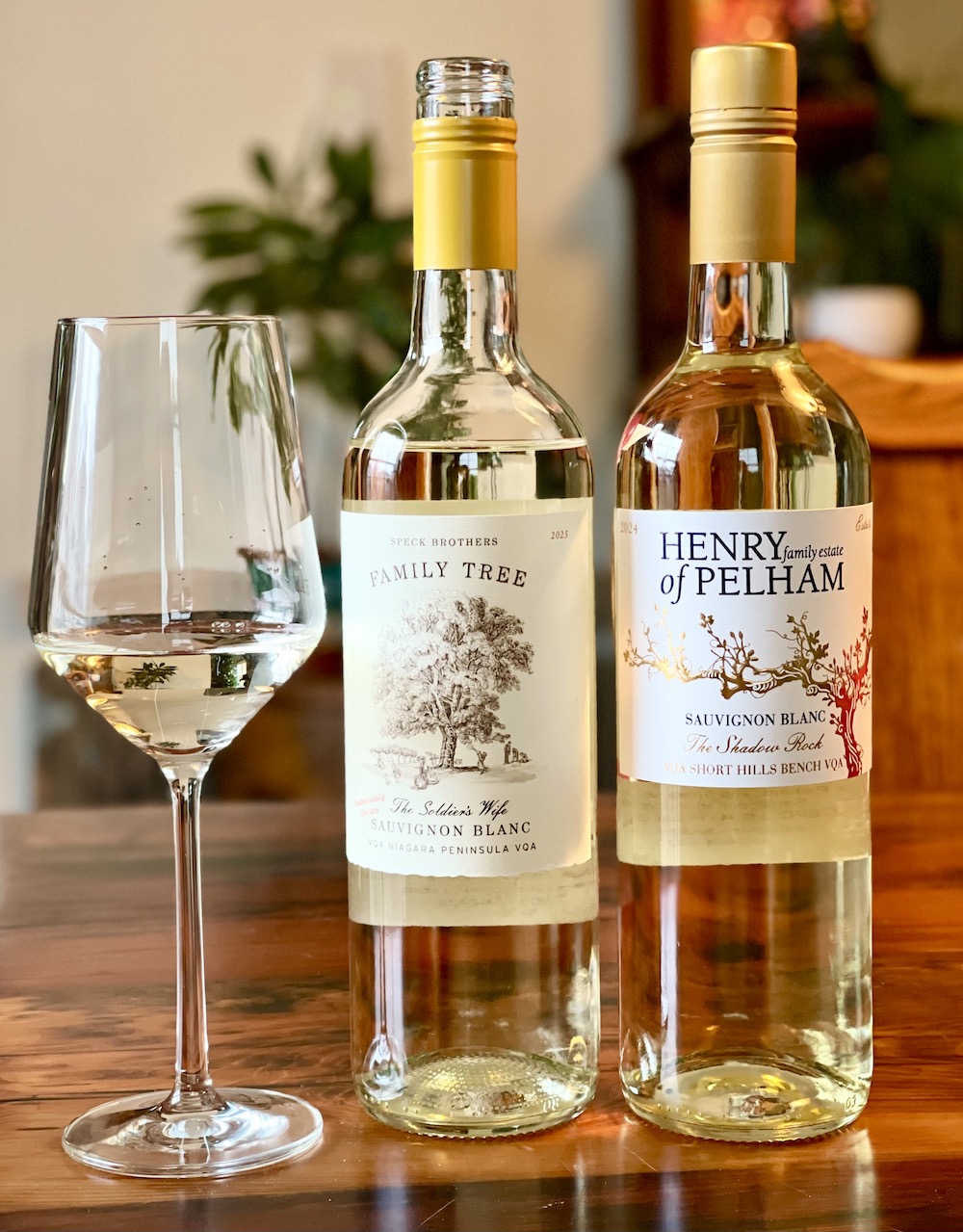
Henry of Pelham Family Tree The Soldier’s Wife Sauvignon Blanc 2025 ($17, LCBO, 88 points) — The first of two Sauvignon Blancs from Henry of Pelham available at most LCBO stores is made in a fresher, more herbaceous New Zealand style with a bright and lively nose of passionfruit, grapefruit, pea pod, garden herbs and kiwi. It’s tangy on the palate with vibrant citrus, kiwi, and lime cordial with a crisp, fresh finish.
Henry of Pelham The Shadow Rock Sauvignon Blanc Reserve 2024 ($22, LCBO, 89 points) — Sourced from estate vines planted in 1999, the Shadow Rock grapes are late picked and 50% barrel fermented in oak barriques and foudres, and 50% fermented in stainless steel. The components are brought together and aged in European barriques for six months. This is a more elegant style of Sauvignon Blanc, with a nose of gooseberries, baked apple, grapefruit/lime citrus, white peach, chamomile and spices. It’s rounded on the palate with concentrated notes of summer peaches, yellow apples, lemon tart, melon and some oak spices on a lush, long finish.
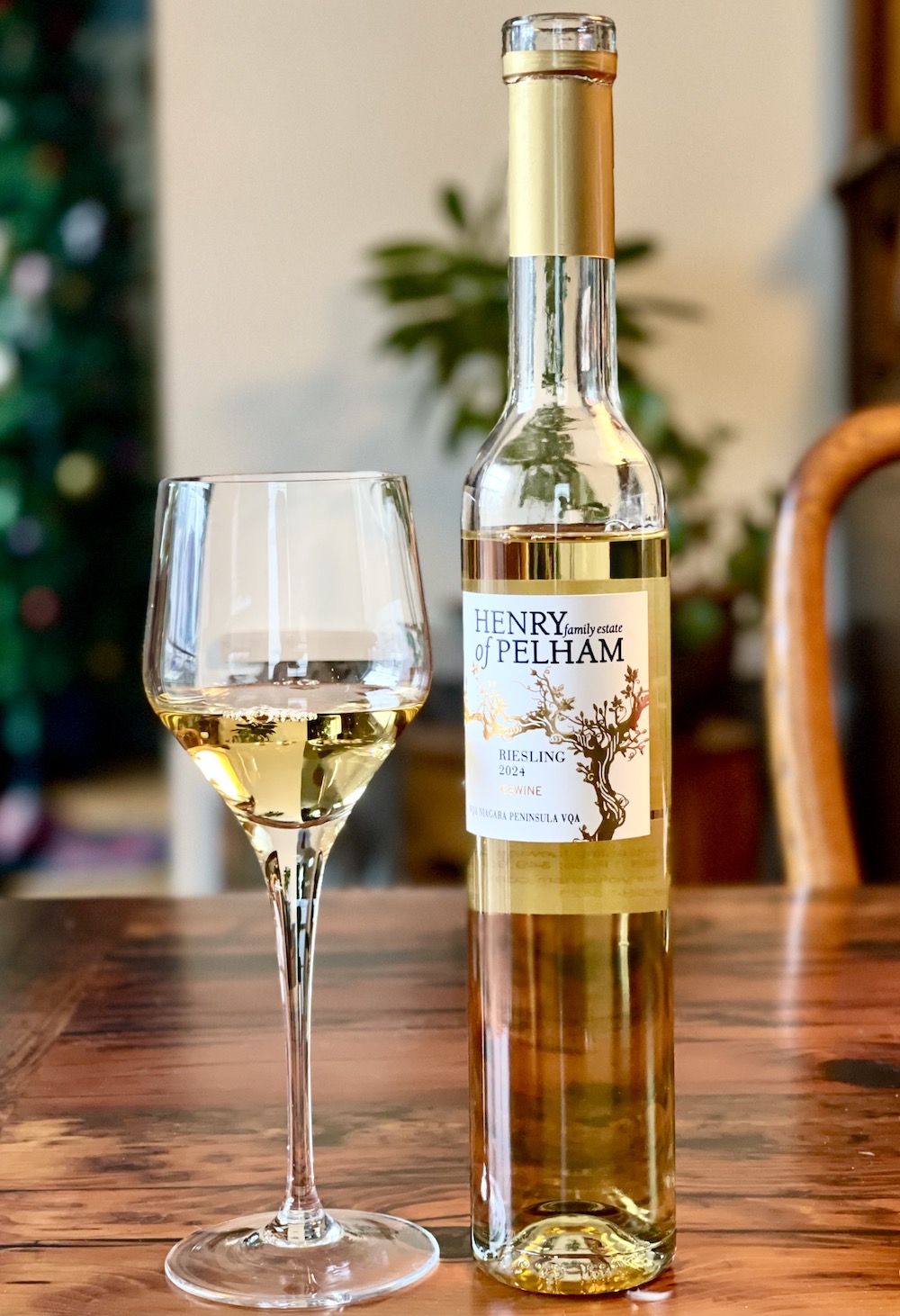
Henry of Pelham Riesling Icewine 2024 ($50 for 375 mL, LCBO, 93 points) — Henry of Pelham is often one of the first Niagara wineries to pick icewine grapes when it reaches the legal minimum temperature of -8 C or colder. It’s more than a cool publicity stunt, it also allows for the winery’s icewine program to ensure some bright acidity to blend into the later picked icewine grapes.
The winery’s first pick of Riesling icewine in 2024 grapes was on Dec. 13. Due to the return of a strong global icewine market post-pandemic, the 2024 vintage was the first since 2019 that Henry of Pelham has made an icewine.
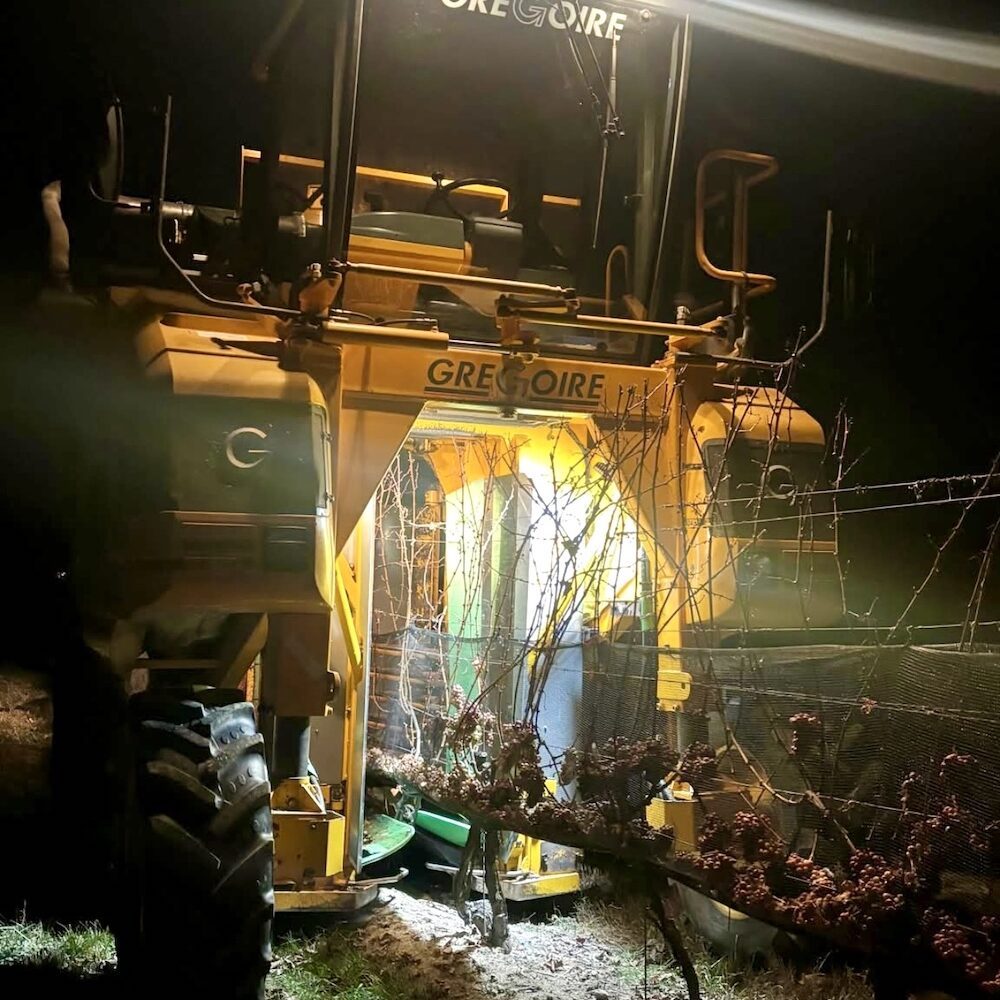
Matthew Speck, co-owner of Henry of Pelham, told Wines in Niagara at the time of the pick in 2024: “With the incredibly warm growing season of 2024, we expect the icewine grapes to be very ripe, making powerful icewine with almost tropical fruit overtones. It is beneficial to be able to start picking early this year, as the grapes are more advanced in ripeness than what is typical. This will help maintain freshness, a very desirable characteristic in icewine.”
The nose on this icewine shows the opulence of the vintage with pronounced notes of ripe apricot, honeydew melon, peach tart, mango, honeysuckle and lemon-focused marmalade. It’s rich and viscous on the palate with a silky feel that amplifies the compoted tropical fruits, wild honey, apricot/peach tart and lemon zest with just enough acidity to keep it lifted on the finish. Save a bottle for the cellar, up to 10 years, and watch how it evolves.
First LCBO Vintages release of
2026 comes out on January 10
Here’s what we can recommend from the Vintages release that hits shelves this Saturday.
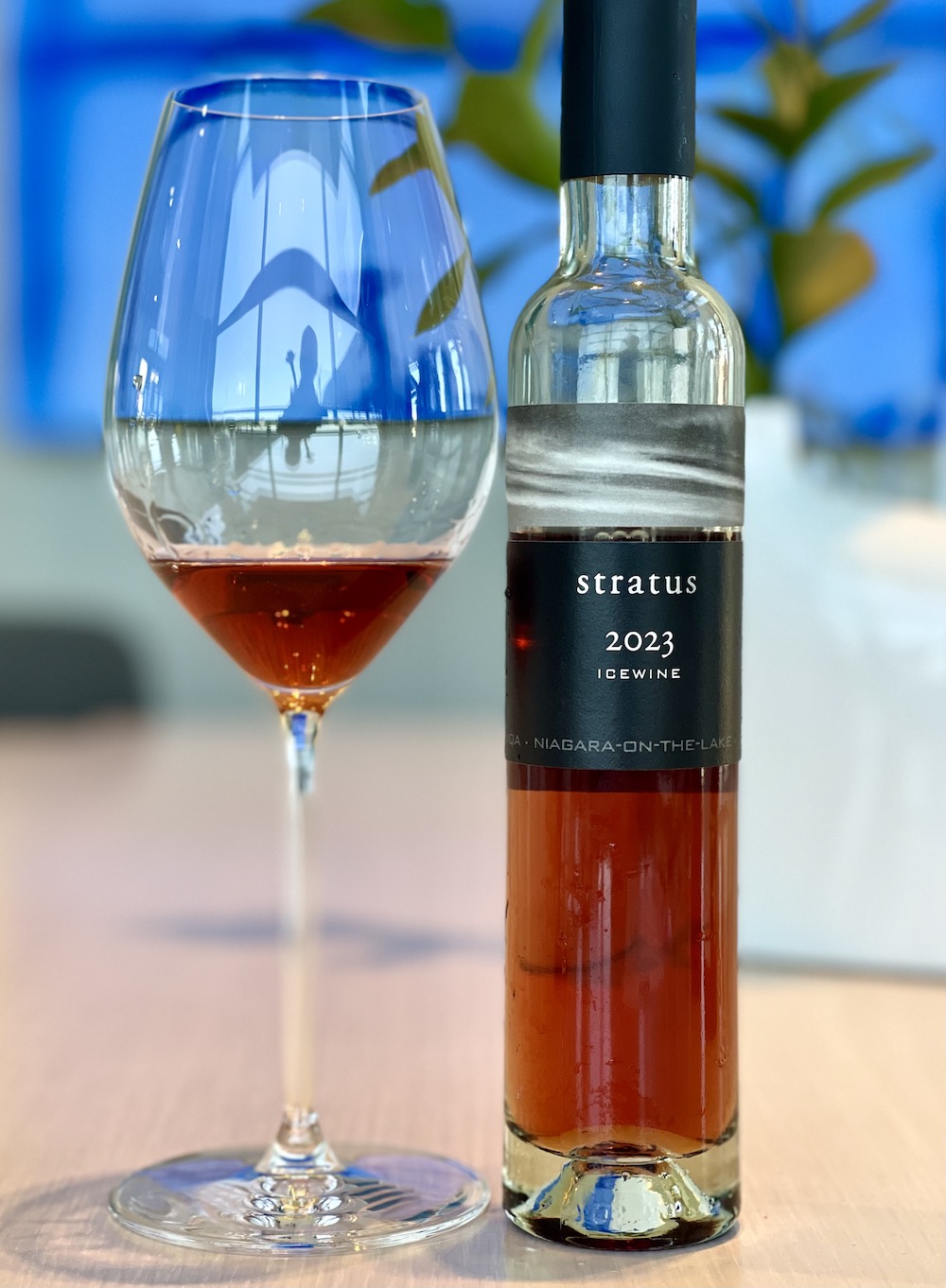
Stratus Icewine Red 2023 ($45 for 200 mL, 94 points) — Winemaker Dean Stoyka is well aware of the struggles icewine has faced in recent years with a diminishing appetite from consumers, but he’s not about to give up on it at Stratus where sales of the Canada’s most famous sweet wine have never waned. “I’ll never stop making it, it’s in our DNA,” he said. “I get frustrated when people poo-poo it. For me, I want to make icewine to compete with the best sweet wines in the world. It’s like our forgotten golden goose.” Harvesting icewine at Stratus is not too stressful. It’s picked at the first opportunity and with less brix (sugar) than most icewines in the peninsula. The assemblage is 43% Petit Verdot, 35% Cabernet Franc and 22% Cabernet Sauvignon that was harvested on Jan. 15 with 14% abv, substantially higher than your average bottle of icewine. It has lovely herbaceous notes on the nose with strawberry tart, black raspberries, red currants, and dark cherries. It has a beautiful and luxurious texture, vibrancy, and sweetness, yes, but nicely balanced by the racy acidity, keeping all those sweet cherries, summer strawberries and herbs in balance. Great aging potential here until 2032.
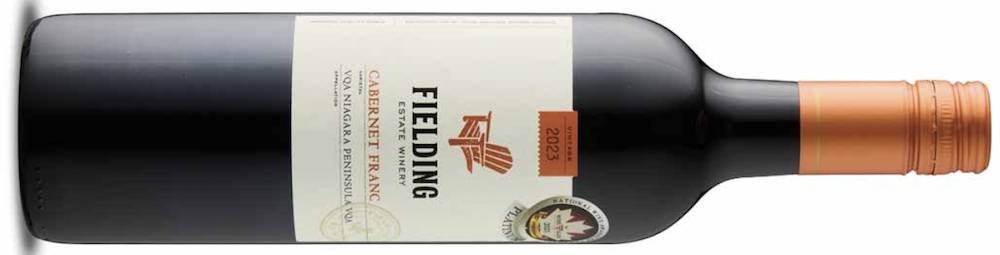
Fielding Cabernet Franc 2023 ($26, 90 points) — The fruit is sourced from three different vineyards in Niagara, all harvested very late in the growing season from low-yielding vines. After macerating on their skins for an extended period, the wines were drained into barrel, where they aged for 12 months. After aging on lees, the wines were assembled and bottled, without fining or filtration. “At this price point,” winemaker Richie Roberts said, you want this wine to be approachable.” And it is that in spades. The nose shows brambly black raspberries, black currants, herbs, anise, dark cherries and spice. It’s a mouth-filling fruit bomb on the palate with a soft texture, ripe red fruits, a touch of licorice, subtly savoury notes and lifted, vibrant finish. Can cellar through 2032.
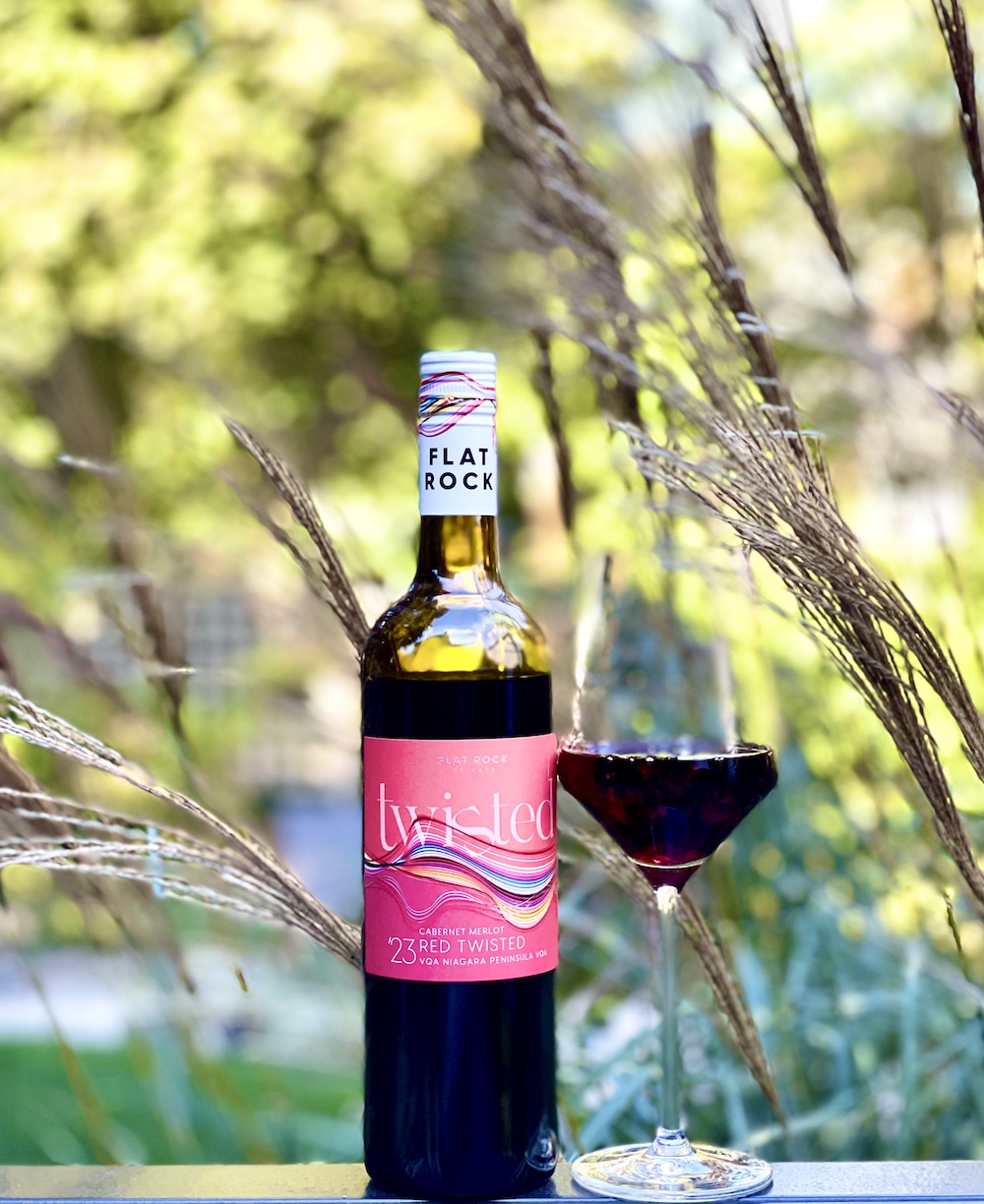
Flat Rock Cellars Red Twisted 2023 ($20, 89 points) — For Flat Rock’s 2023 Red Twisted, the winemakers envisioned a Twenty Mile Bench marriage of single-vineyard Wismer sourced Cabernet Franc (60%) with single-vineyard Merlot (40%) from a parcel 500 meters away from the Flat Rock winery. The components were vinified separately, brought together and aged in a combination of French and American oak. It has a rich and savoury nose of brambly raspberries, dark cherries, black currants, anise, toasty vanilla and spices. With the ripe tannins on the palate adding structure, the melange of savoury red and dark berries shines through in spades, with a lovely splash of herbs of spices on a vibrant finish. Good value red blend chock full of personality.
A debut wine from Prince Edward County
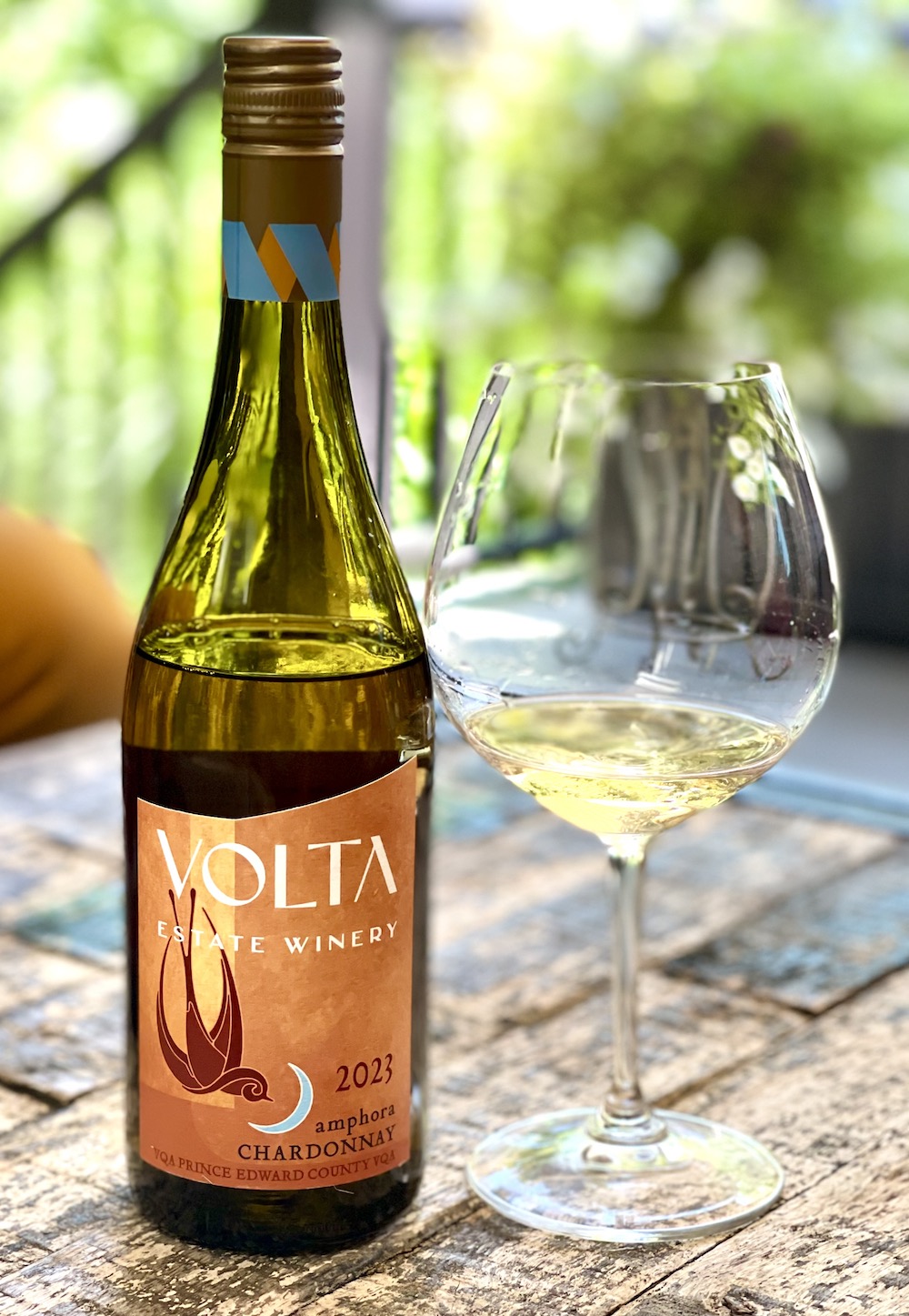
Volta Amphora Ramirez Vineyard Chardonnay 2023 ($30, 92 points) — This is the second Chardonnay in the Volta debut portfolio from Prince Edward County. It was fermented and aged in sandstone amphora for eight months while on its lees with occasional stirring. It shows ripeness on the nose, but still that nice vein of fresh salinity and seashells to go with pear, quince, bergamot in an elegant style. It has gorgeous texture with just a hint of reduction adding complexity to the ripe melange of orchard fruits, citrus zest and crushed stones through a lively, lifted finish.
Other Niagara wines released but not reviewed by Wines in Niagara:
• Organized Crime Break-In Pinot Noir 2022 ($25)
• Henry of Pelham Icewine Duo ($60 for 2 X 200 mL bottles)
• Inniskillin Gold Vidal Icewine 2023 ($100 for 375 mL)
• 13th Street Expression Series Riesling 2024 ($20)
• Bachelder L’Ardoise Niagara Chardonnay 2023 ($26)
• Megalomaniac Narcissist Riesling 2024 ($20)
• Ravine Sauvignon Blanc 2023 ($23)
• Featherstone Red Tail Merlot 2023 ($20)
Comment here