By Rick VanSickle
The Prince Edward County wine community is still small enough that it takes care of one another in life — and even in death.
It’s a tight knit community of 43 or so wineries, most of them tiny, family-owned estates focused on the unique limestone terroir of the region that’s expressed through the still and sparkling wines made from Chardonnay and Pinot Noir.

The Last House Vineyard is typical of the breadth and style of the micro vignerons who choose to work their magic exclusively with grapes grown in the County, and particularly, their own vineyard.
Last House hand farms only 5.25 acres of low-yielding grapes — 50% Pinot Noir and 50% Chardonnay that was originally planted by the late Richard Karlo in 2009 in soil that is Ameliasburgh clay loam over a layer of limestone shale. There is also a Golden Russet apple orchard for a small production of cider.
Owners André Gagné and his wife Debra Mathews were relative new kids on the block on the County wine scene when they sold their home in the west end of Toronto and bought the 11-acre property in Prince Edward County in 2016. It’s located on County Road 20 in Wellington and came with a stunning two-storey home with water frontage on Lake Ontario in the Hillier ward, plus a renovated winery.
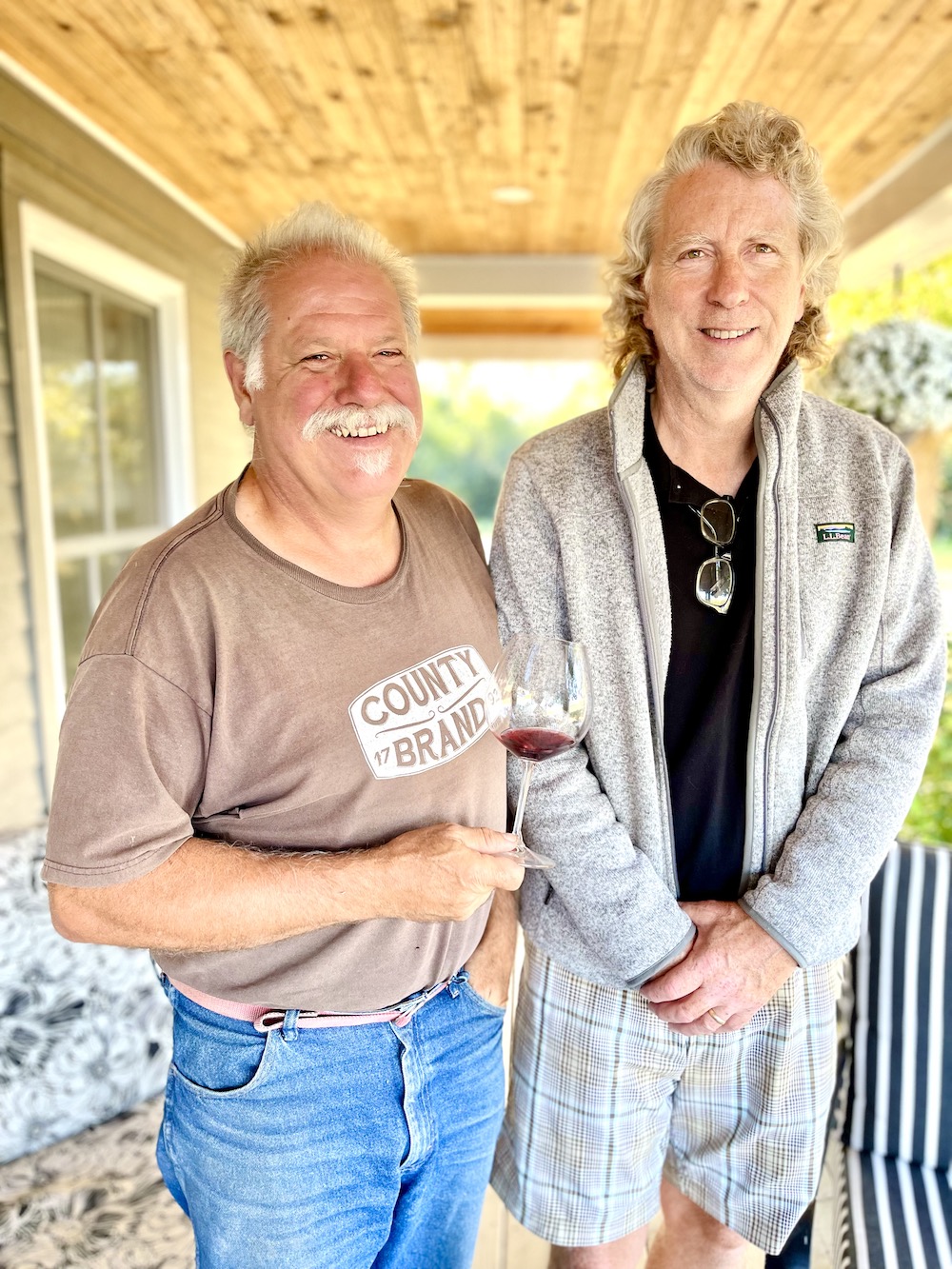
Gagné believes the secret to great wine is healthy ripe fruit, which means it all begins with the farm work. All the canopy effort is done by hand. No herbicides are used, with weeds are removed manually and via cultivation. Sprays to combat insects, and disease are mostly organic. Conventional sprays are rarely used. Leaf thinning is kept to a minimum, with a preference for long slow ripening. Harvest is done by hand with small picking baskets. Fruit is processed without delay.
Gagné believes that if you begin with healthy fruit and then trust it, the winemaking will (almost) look after itself. Last House uses minimal intervention with the appropriate elevage for the current year’s conditions. The wine team has not had to use enzymes, nutrients, colour, or tannin additions and hope to avoid all of these in the future. There is limited pumping, racking, and use of sulphur. The use of oak barrels is balanced to the wine style, and almost always used barrels. All wine is bottled without fining or filtration and is corked by hand.
One of the smartest things Gagné did when establishing the Last House style, was bring in one of the most respected visionaries and pioneers in the County, Geoff Heinricks, who shares many of the same beliefs in terms of both his approach to farming and winemaking. “We are grateful for his invaluable contributions in establishing Last House,” Gagné once told Wines in Niagara. You can read his book A Fool And Forty Acres: Conjuring A Vineyard Three Thousand Miles From Burgundy, for some of his insights on County winemaking.
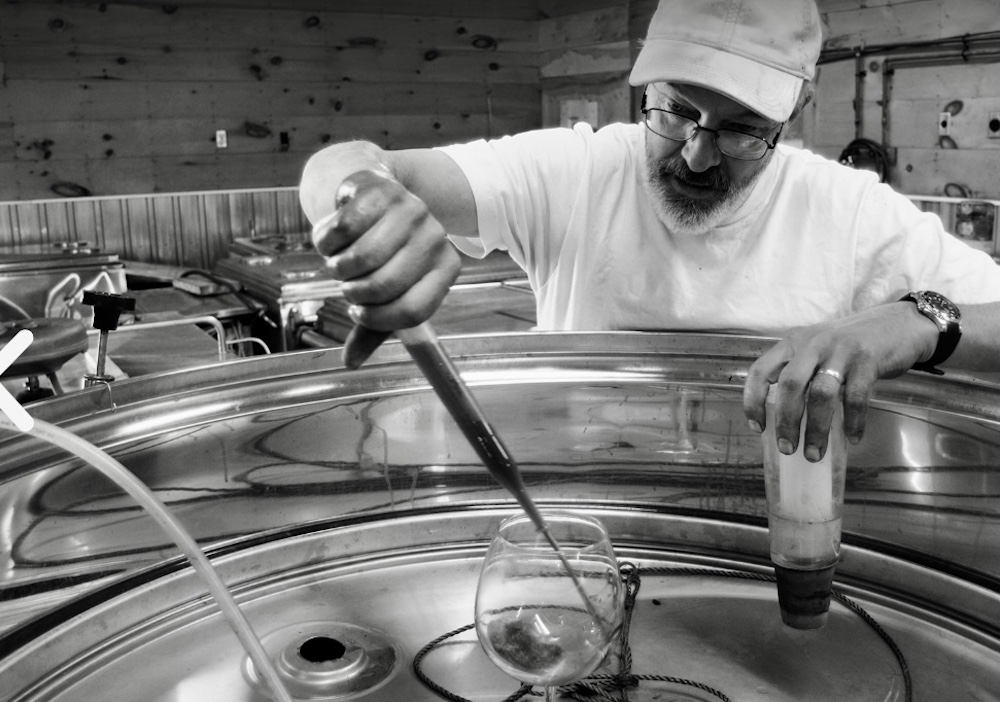
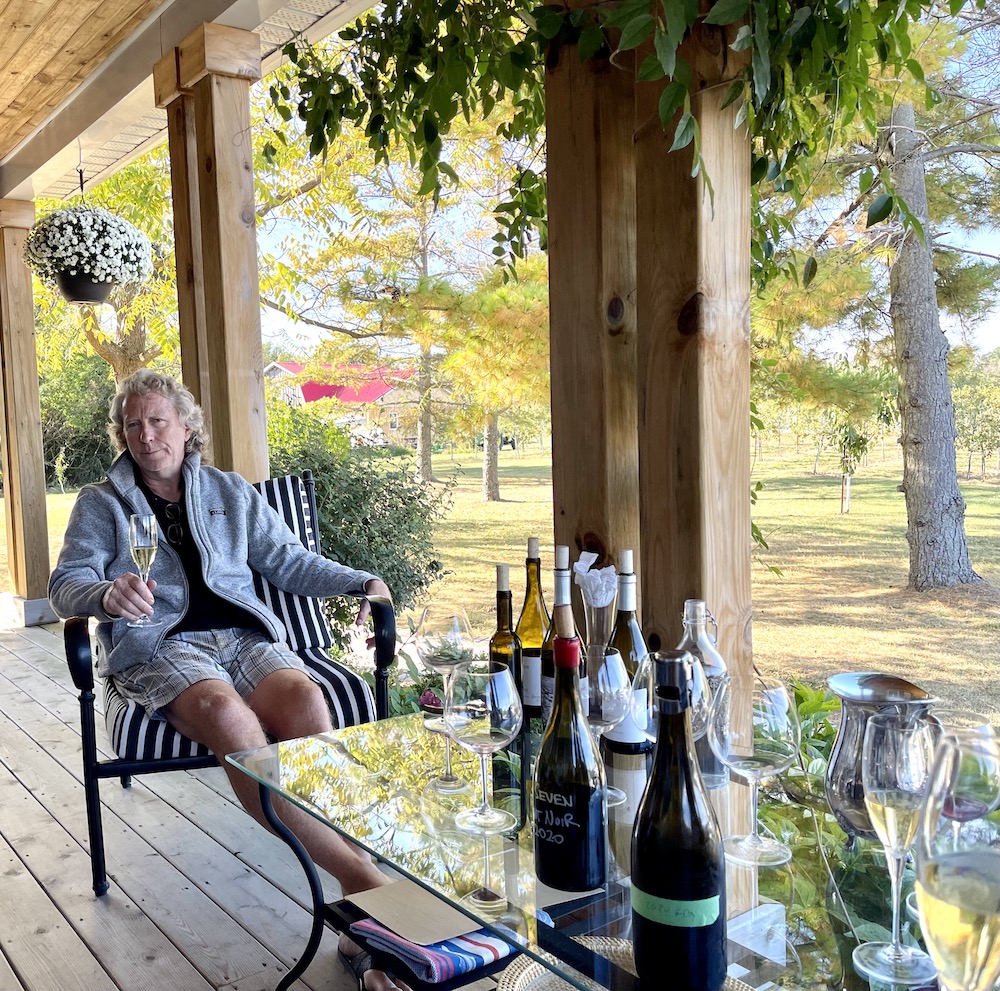
Heinricks and Gagné decided to honour Long Dog co-owner and winemaker, James Lahti (above and in very top photo), a pioneer of The County and a renowned IMAX film editor, shortly after his passing in the summer of 2023.
“Geoff did some work with James in the early days,” Gagné told Wines in Niagara. “It was Geoff who was given the two stubbies (oak barrels) by James who then put them to use at Last House. Geoff and James stayed in contact up to his last few years. Today, it is like he is not remembered. This is why Geoff and I came up with the Hommage idea.”
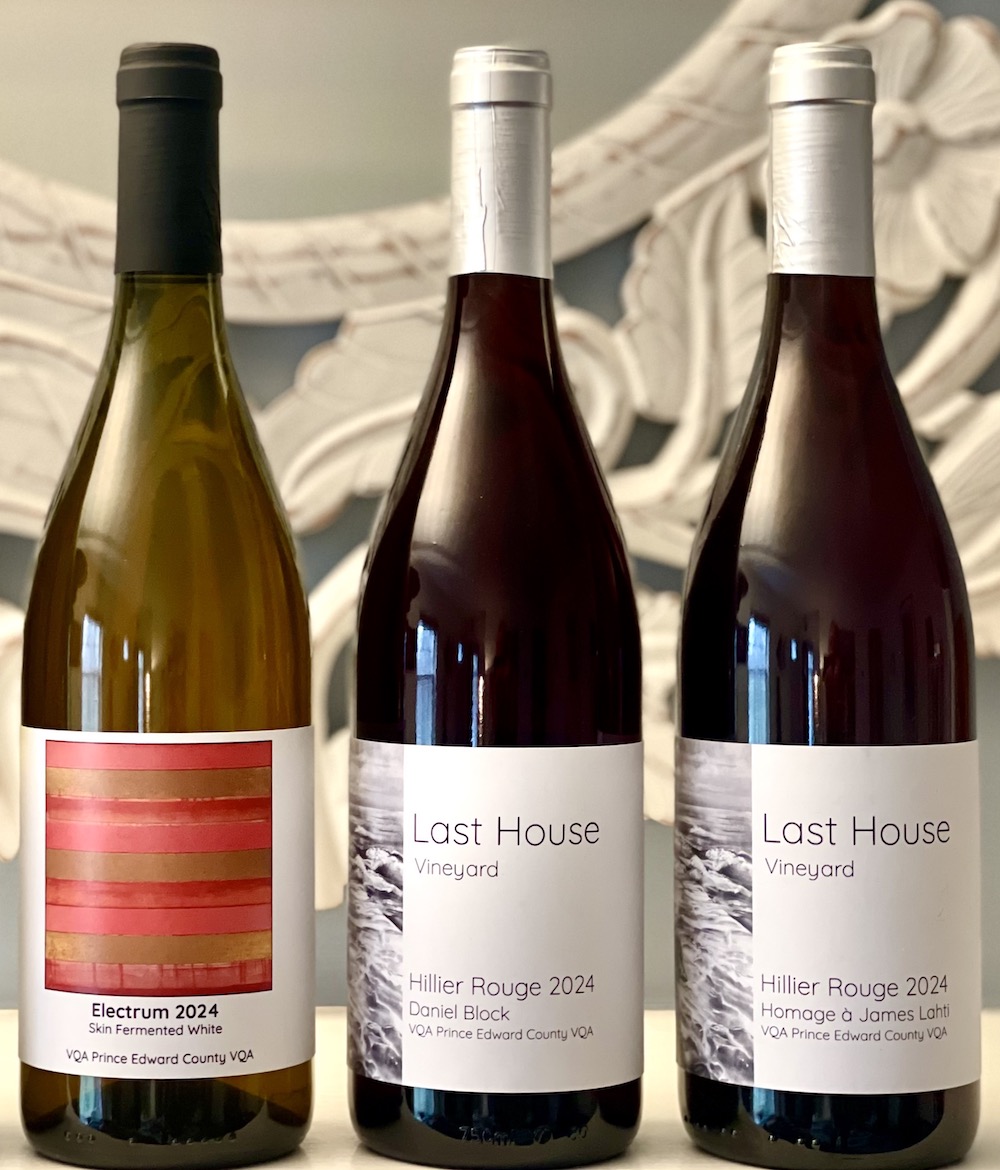
The fruit of that gesture is being realized with the release of the Last House Vineyard Hillier Rouge Hommage á James Lahti Pinot Noir 2024, a first-time blend of blocks from the Pinot Noir grapes in the estate vineyard and aged in the gifted barrels from Lahti.
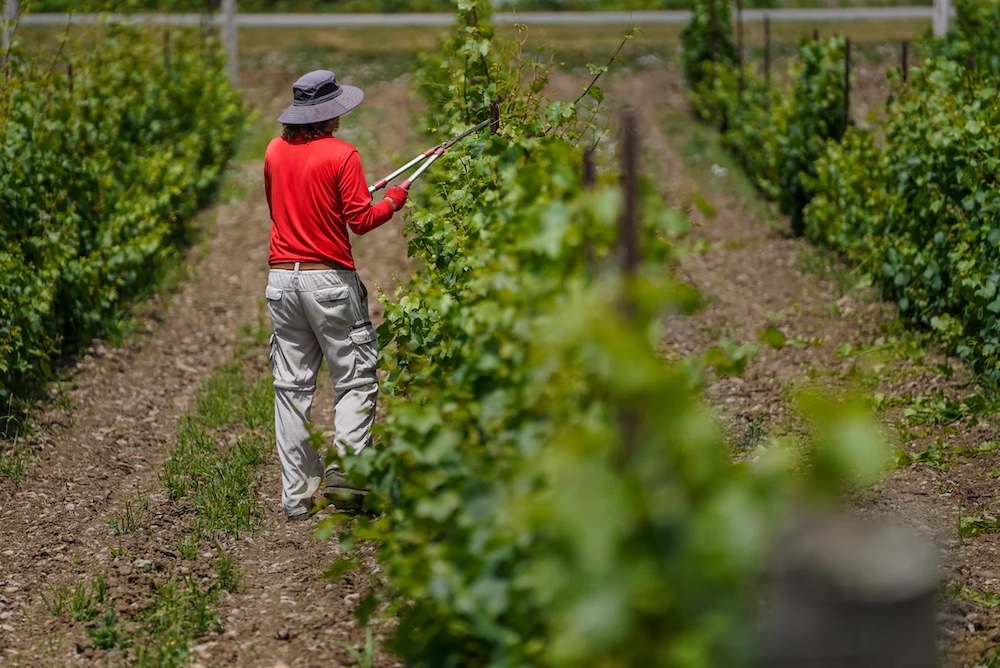
As Heinricks explains it, “James was one of four people that signed up and attended the very first seminar I gave to people curious about growing (in the County). He spent a long time studying the soil map … which was no longer available at that time. He went home and started cutting cedar for posts on his property … he was that keen and excited. That never left him.”
Heinricks said that “we, as outsiders over time in the industry, naturally got on … I did some consulting for him a bit, but he accrued a good library and studied intently. Dan Sullivan (Rosehall Run) worked with him the first few vintages on the winemaking. When it came time to start Andre’s wine program, getting good wood (barrels) was very hard … the temptation was to go new, which is always an error in a young winery and vineyard,” explained Heinricks.
“Andre bought some new Hungarian barrels I favoured, and I worked them hard with hot water treatments, picked up methods at Domaine Leroy,” said Heinricks. “I knew James would likely be finishing up with some of his oldest barrels, and I asked if I might buy a pair. James said that for me, just come get them in a few days when he racked … no charge. Two 225 L stubby JK Cooperage Hungarian barrels. And “that is how they got to the winery. I miss James a lot.”
The Hommage á James Lahti Pinot, with Lahti’s two barrels used in the aging process, is one of two sensational Pinot Noirs now released by Last House. A touching tribute to a County pioneer who left us far too soon.
We review that wine, along with the Hillier Rouge Daniel Block Pinot Noir 2024 and the quirky Electrum Skin Fermented White 2024, in this report. Note: Wines can be purchased online here and consumers should note that Last House only accepts visitors to the winery by appointment only. Here’s what I liked:
First releases from the 2024
Last House Vineyard wines

Last House Vineyard Hillier Rouge Hommage á James Lahti Pinot Noir 2024 ($44, 94 points) — As mentioned in the intro, this Pinot is a tribute to the late Long Dog co-owner and winemaker, James Lahti, a pioneer of The County. It’s a first-time blend of Last House blocks planted in 2009 and 2018. The wine was 25% whole cluster pressed and aged for 13 months in two 225 L, stubby JK Cooperage Hungarian neutral barrels that were gifted to Last House by Lahti. It’s unfined and unfiltered. This is a slightly grittier version of the Daniel Block below and shows a lighter shade of red in the glass. When I first nosed this wine, my imagination went to Gagné and Heinricks walking through the vineyard, picking just ripe Pinot Noir grapes and squishing them straight into bottles for everyone to enjoy. Of course, that’s not quite the way it works, but this Pinot does manifest itself as a bare-bones, pure and naked version of County terroir that is irresistible from the first whiff to the last thrilling sip. The nose starts with striking violet notes that melt into wild raspberries, strawberry tart, anise, forest floor and truffles in a purely pristine rendition of the beloved Pinot grape that shows little signs of human intervention. The palate reveals more intense red berries with savoury/floral notes, chalky minerality, aniseed, umami, subtle reductive notes and crunchy pomegranate with silky tannins and a long, echoing finish that lasts for minutes. A beautiful thing that will continue to bring pleasure through 2031 but is in fine drinking shape right now. A defining County Pinot Noir with a very human story behind it.
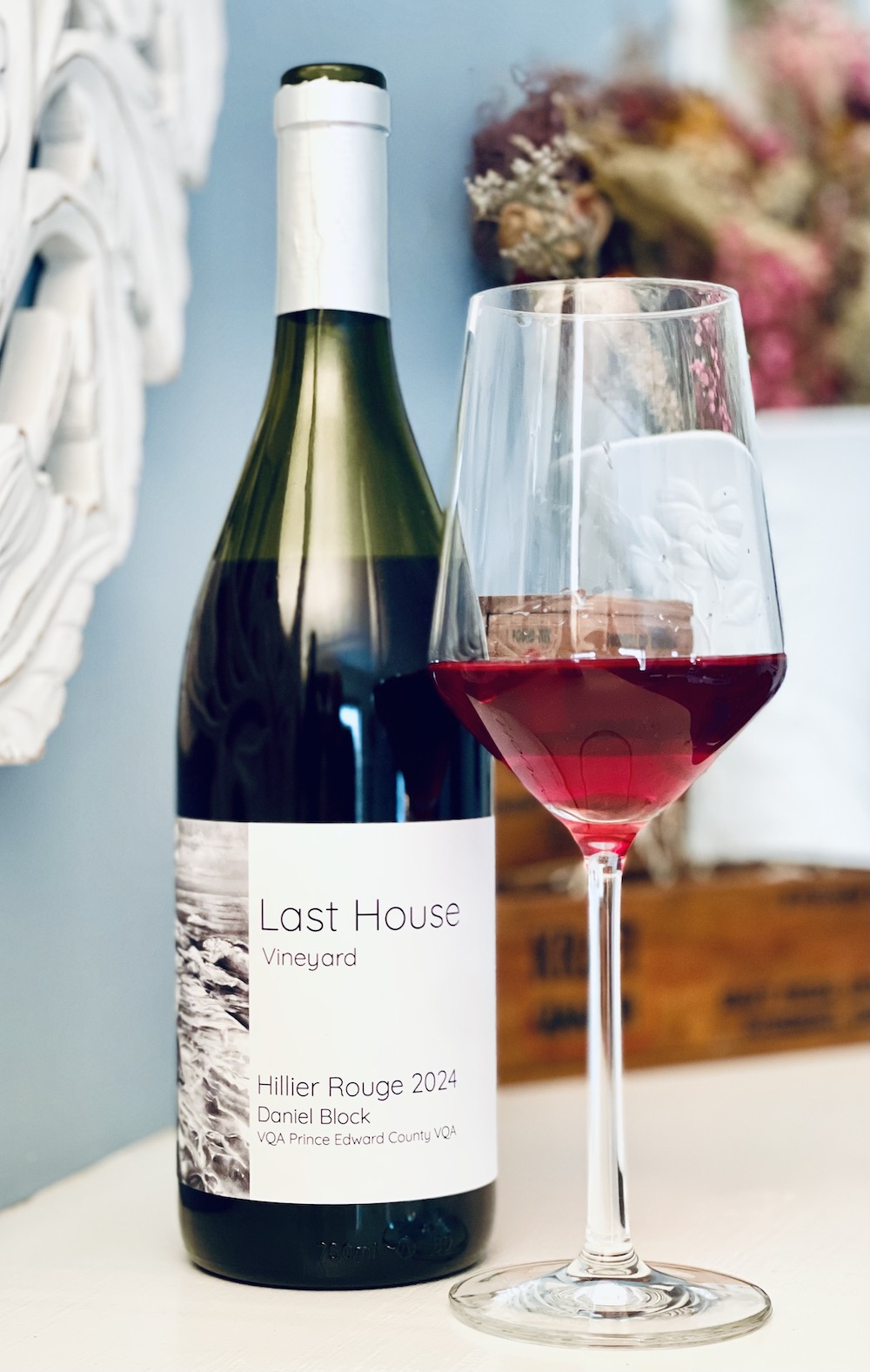
Last House Vineyard Hillier Rouge Daniel Block Pinot Noir 2024 ($42, 93 points) — The grapes were sourced from a single block of Pinot Noir planted in 2009. It was whole cluster pressed with punch downs three times a day and aged in neutral French oak for 12 months. It was bottled unfiltered and unfined. What a gorgeous, site specific County Pinot Noir. So beautiful and profound with a chalky/crushed stone nose followed by purple flowers, brambly wild raspberries, forest berries, pomegranate, and elegant perfumed spices that’s deep and layered. It shows much less of the reductive notes on both the nose and palate that this tiny parcel in Hillier is prone to impart, and which I love in moderation. It lights up on the palate, showing a rich medley of ripe red berries, red currants, floral notes, wild mushrooms and subtle/elegant spice notes with such a satiny texture that all lead to a pristine, highly finessed finish that goes on forever. A thrilling example of County Pinot Noir. Can drink now or hold through 2029.
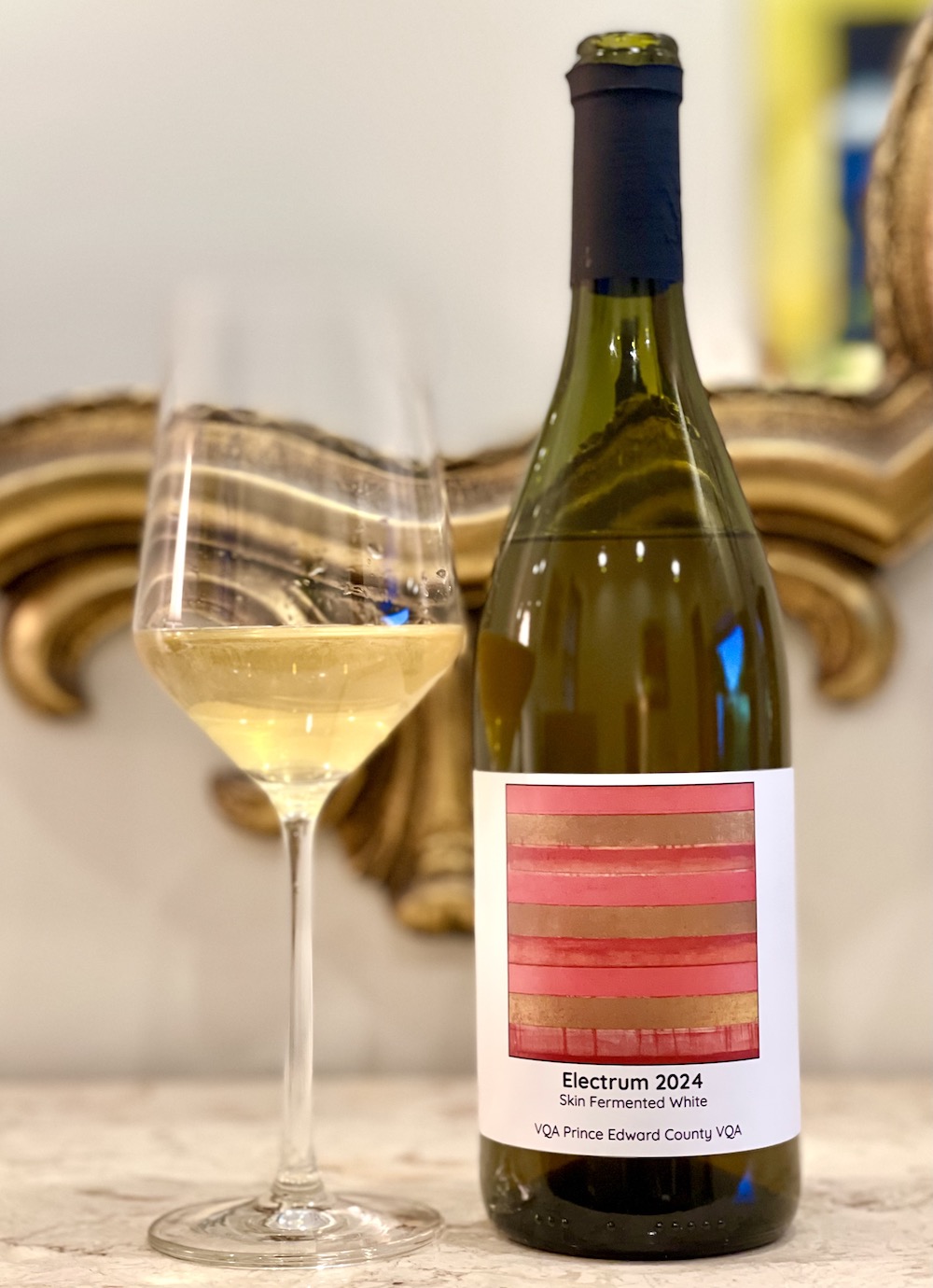
Last House Electrum Skin Fermented White 2024 ($30, 90 points) — Sourced from a single block of Chardonnay planted in 2018 this “orange wine” was 25% whole cluster pressed with punch downs three times daily and 26 days of skin contact. It was finished with no fining, no filtering and very little sulphur added. It was aged in a 220 L JK Hungarian oak, what Gagné likes to call his Lucky Barrel. “Since 2019 the best wines of each vintage come out of that (barrel),” said Heinricks. “It’s spooky.”
It shows a light amber colour in the glass with a nose of elderflowers, quince, citrus marmalade, peach tart, saline minerality, jasmine, a touch of reduction, tea leaves and savoury notes. On the palate, this is a wild and untethered orange wine with a level of reduction that the cool kids will adore (I mean that in the best sense of the word) with earthy/savoury notes, light tannins, peach pie, marmalade, bin apples, a touch of tropical fruits, sizzling acidity and energy through the bright finish. A cleaner style of orange wine with just enough funk to attract lovers of this style and maybe find a few converts along the way. Reductive notes will fade a bit with a little time in the cellar, if you prefer.
Comment here