
By Lidija Biro
How do you choose a bottle of wine? By price, by region, by an interesting name or label, or are you looking for wine made sustainably?
Wines made in the Niagara Peninsula are part of an economic supercluster, generating over $1 billion for the provincial GDP and creating thousands of jobs across agriculture, tourism, and hospitality. Thus, it is an important industry that needs to remain sustainable and resilient.
So, what does sustainability really mean for the world of wine?
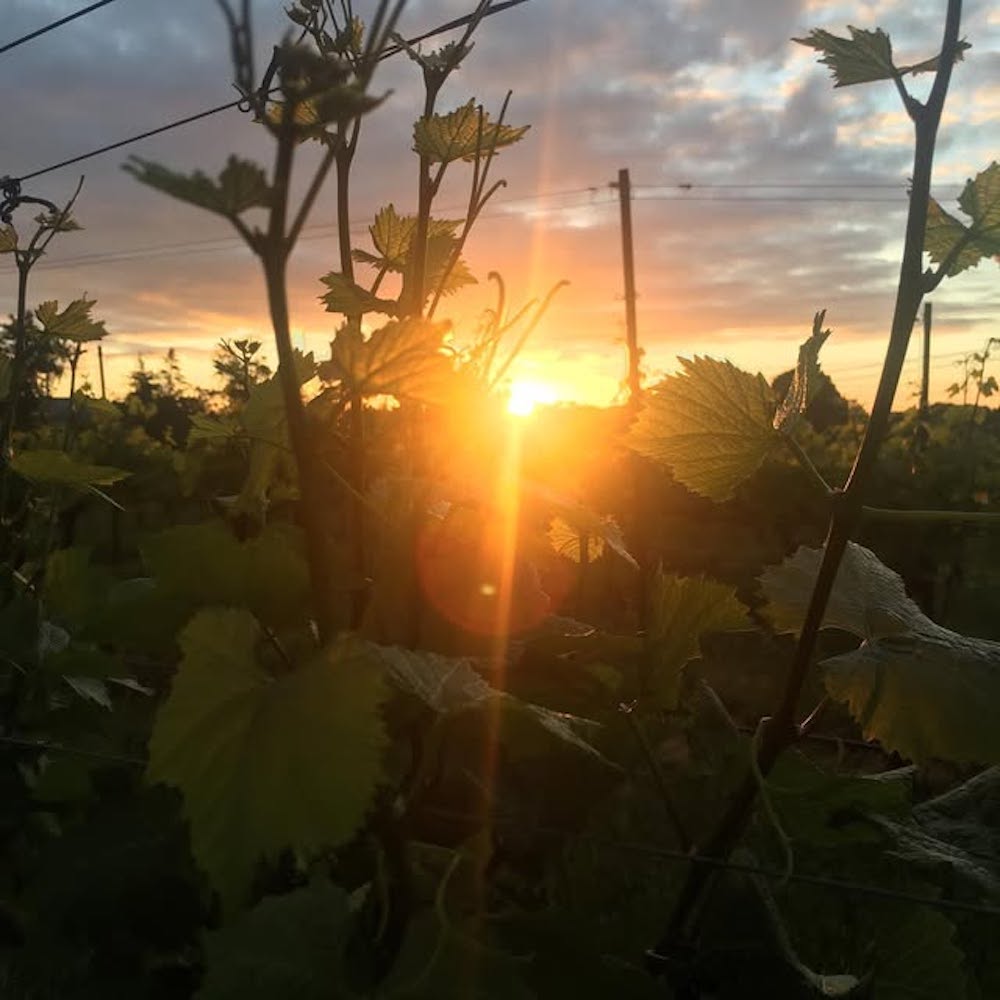
Each wine region may have slightly different regulations when it comes to sustainability. But it is generally accepted that sustainable wine refers to wine produced using holistic methods that minimize environmental impact, conserve water and energy, support fair labour practices, and maintain economic viability for future generations.
While all sustainable or eco-friendly wines focus on the environment, they have different specific practices and certifications.
Organic farming is a regulated system that is focused on eliminating chemical and synthetic inputs. Examples of organic certifications in Canada include EcoCert, Pro-Cert, Pacific Agricultural Certification Society (PACS) and Fraser the Valley Organic Producers Association (FVOPA).

Biodynamic farming eliminates chemical and synthetic inputs but places more emphasis on biodiversity by treating the farm as a self-sustaining living ecosystem with a variety of plants and animals integrated into the farm. In Canada, the certifying body is Demeter International.
Regenerative farming focuses on enhancing and restoring ecosystems rather than just sustaining them. Of primary concern is soil health. This is done by minimizing soil disturbance, reducing or eliminating tilling to prevent soil erosion, maximizing crop diversity, rotating crops and planting a wide mix of vegetation to improve soil biology maintaining ground cover. This is achieved by using mulch or cover crops to protect the soil from the elements, keeping living roots in the soil and ensuring the ground has living plants year-round where possible, and integrating livestock thus allowing animals to naturally fertilize and graze the land. Currently, there is no official, legally binding definition or accredited certification for regenerative agriculture in Canada.
In Ontario, sustainable viticulture and winemaking is broader by definition. It allows the strategic use of certain non-organic treatments, if necessary, but does focus on overall ecosystem health, carbon reduction, water recycling, and social equity. To certify a vineyard or winery “sustainable,” there is Sustainable Winegrowing British Columbia and Sustainable Winegrowing Ontario (look for the green leaf logo on the wine’s back label).
Globally, the highest standards of sustainable wine growing and production are those of Chile, New Zealand, and Austria.
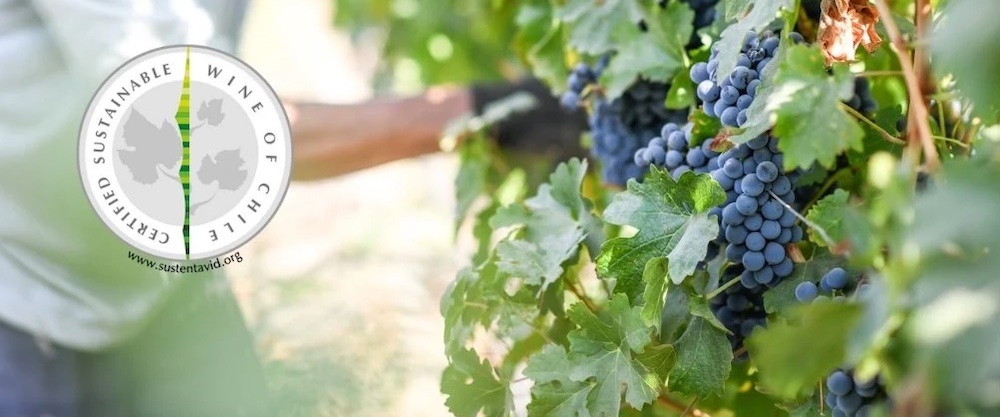
Note: The Wines of Chile Sustainability Code is widely regarded as one of the most comprehensive systems globally. It evaluates an incredible 346 requirements across four pillars: vineyard, winery/bottling, tourism, and a highly notable focus on social/labor initiatives.
The Sustainable Winegrowing New Zealand (SWNZ) program is an industry pioneer established in 1995. It is highly demanding, requiring independent third-party audits and annual data reporting across six focus areas: soil, water, plant protection, waste, people, and climate change. It covers an impressive 98% of the country’s vineyard area.
Benefiting from strict EU regulations and native eco-laws, Austria is a global leader in organic viticulture, with roughly 25% of its total vineyard area being organically cultivated. The requirements mandate rigorous ecological, economic, and social standards.
Across Ontario, 48 producers/wineries and 169 vineyards are certified sustainable.
Certified producers and grape growers are audited by independent third-party auditors annually; however, some think the certification and adherence to the regulations lack rigour.

Vigneron Harald Thiel of Hidden Bench Winery (organic producer, EcoCert certified) reflects on Sustainable Winegrowing Ontario: “It has been a difficult implementation, as adherence is voluntary, and many growers did not see the benefit until it was included in the purchase contracts of larger wineries.”
When asked what improvements he’d like to see, Thiel responded, “We consider the current Sustainability Standard to be just the minimum standards for growers and wineries and would really like to see herbicides such as glyphosate (Roundup) — which is a well-documented carcinogen — removed from the permitted products. Perhaps with a different recognition as the cost of non-herbicide grape growing is a significant difference.”

Bill Redelmeier, proprietor of Southbrook Vineyards (biodynamic producer, Demeter certified) chimed in, “I believe in the Ontario Sustainable Winegrowing program, and we have supported it from the beginning, though I wish that it was more rigorous, more broad and more supported in the marketplace.”
Redelmeier adds: “The SWO is aspirational. It’s a great first step on the journey to true sustainability. Its major requirement is that you must obey the laws on pesticide usage, which seems a pretty low bar.
“You are not allowed to use pesticides or farm in a manner which is illegal, though you are allowed to use products like Roundup and Captan that are toxic to both the applicators and consumers. We hope that more will take that first step and go on to higher ends: organic, biodynamic or regenerative organic certification.
“To make SWO stricter and tougher is expensive. When SWO switched to demanding third party certification at the winery or vineyard’s expense, many members left. Farms and wineries are stretched to the limit already, and they face international competition which may or may not face those same expenses.
“How can we make producing wine or any other product sustainably worth the extra expense? Getting buy-in from consumers is tough, especially when you are facing the majority of wines that are not certified. They can be produced cheaper, but at what price to the environment,” asks Redelmeier.
Sustainability takes on a deeper meaning if one includes the philosophy and land/water stewardship practices of Canada’s Indigenous peoples.
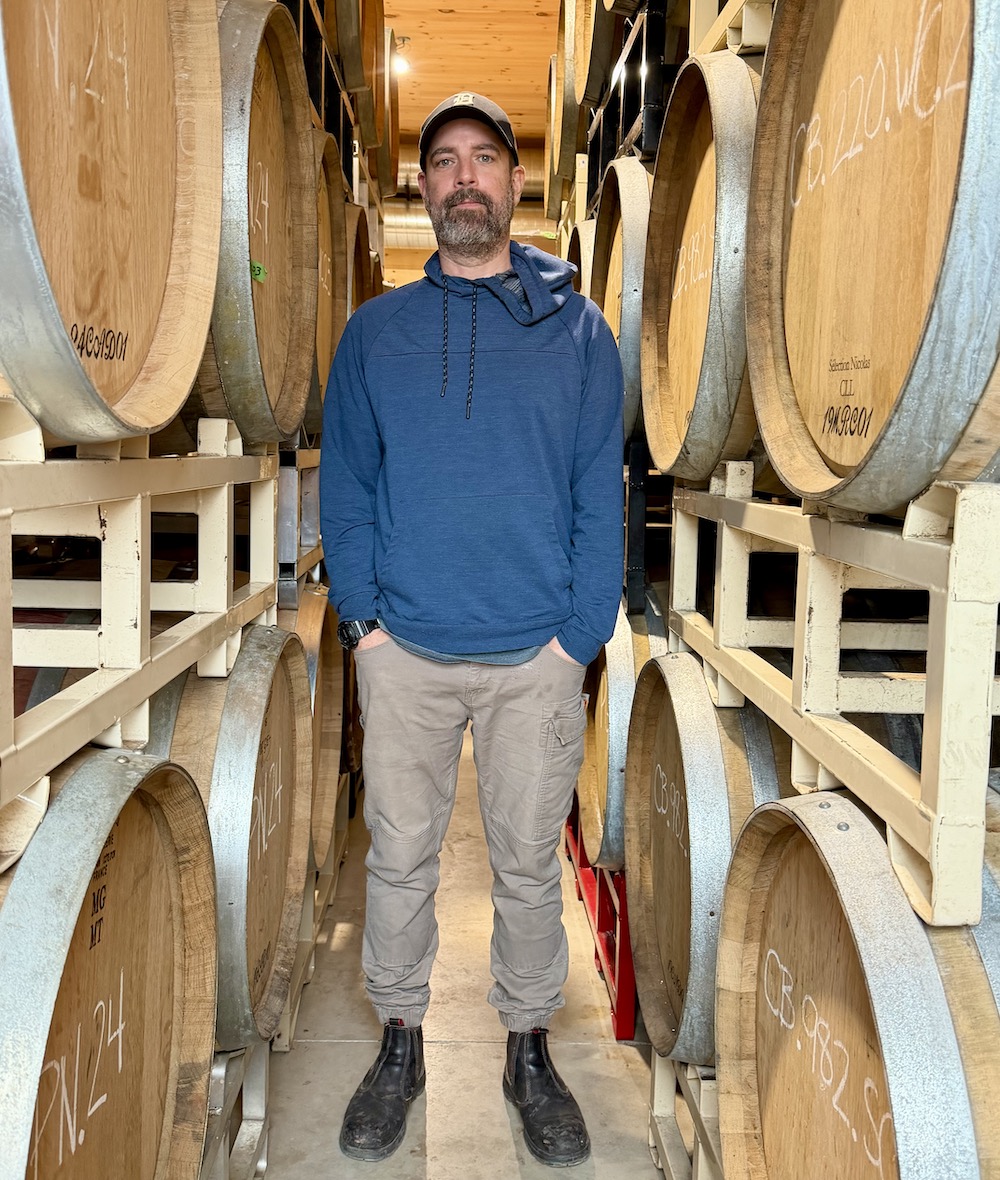
Winemaker Jonathan McLean of Black Bank Hill Winery, who is working on a Master of Sustainability at Brock University, views sustainable winegrowing efforts through an Indigenous lens.
About five years ago, Jonathan found out he was Indigenous stemming from his great grandmother. It had been family secret. But let’s start at the beginning with what Jonathan says is important to Indigenous researchers — self-location.
“My name is Jonathan McLean. I was born and raised in Lennon, Ont.,” he says. “I currently work here in Niagara, at Black Bank Hill, as the winemaker and viticulturist. I’m also a member of the Mohawks at the Bay of Quinte, specifically the Bear Clan. I am reconnecting, and this is through my father’s side and his mother, Emma Sager, and her mother, Adelene Smart. I can go back seven generations all the way to the Mohawk Valley, what is now upstate New York. I’ve also had the opportunity to work in the Okanagan alongside the Silk Okanagan First Nation.”
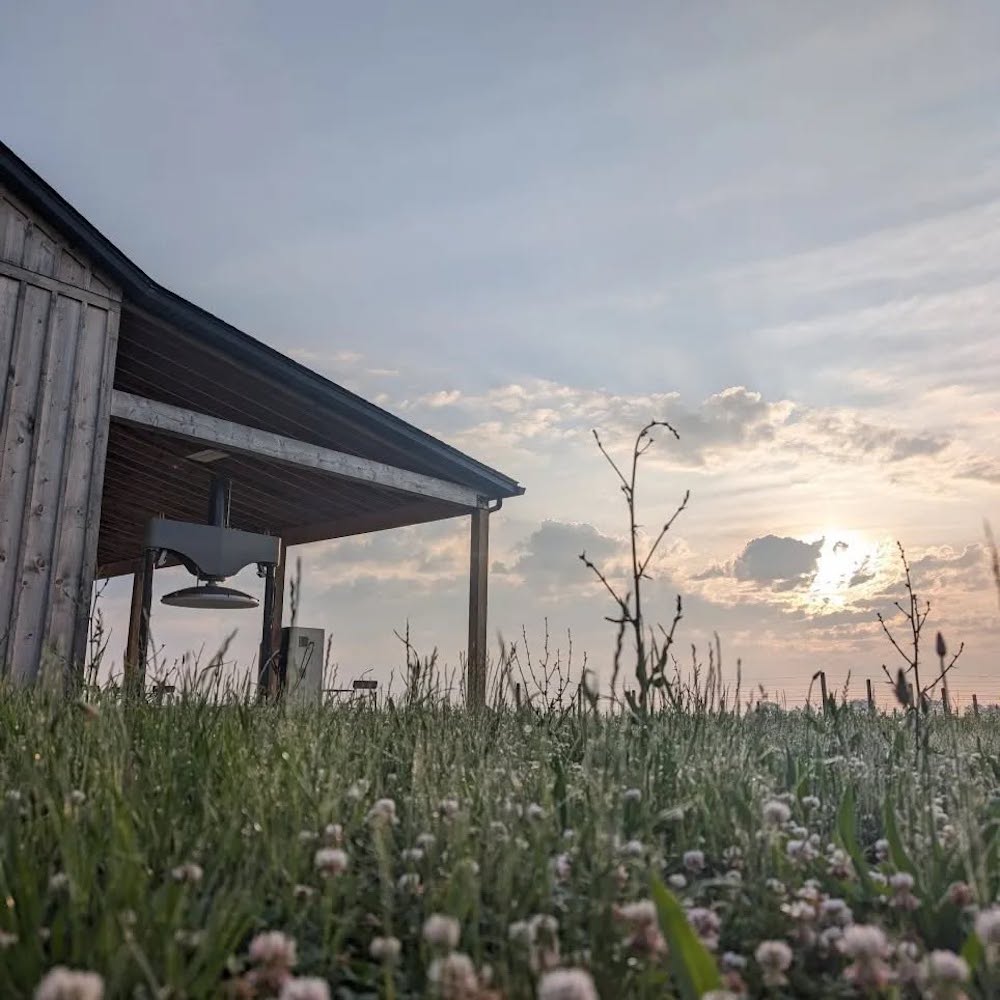
McLean’s sustainability work and knowledge stem from having produced wine in British Columbia. “I was also a part of the creation of the British Columbia sustainable wine growing program. I was on that committee for about five years, building the standards and building the framework of the program,” McLean says.
“So, I have in-depth knowledge of that program. It’s evolved a lot since I left … for the better. But one of the things that I noticed when I came here to Ontario was that sustainability seemed like an afterthought here whereas in B.C. it seemed more of a goal.”
McLean thinks SWO lacks teeth and is more about economic sustainability as opposed to community and environmental sustainability.
Finding his Indigenous roots changed McLean’s perspective in terms of seeing the world.
“One of the things that immediately struck me was the fact that I had spent five years on the sustainability program out in British Columbia, and we had never thought to consult the First Nations people that are in the Okanagan. They’re a big part of the industry out there and own 13% of the vineyards in the Okanagan and a major winery in Osoyoos (Nk’Mip Cellars).
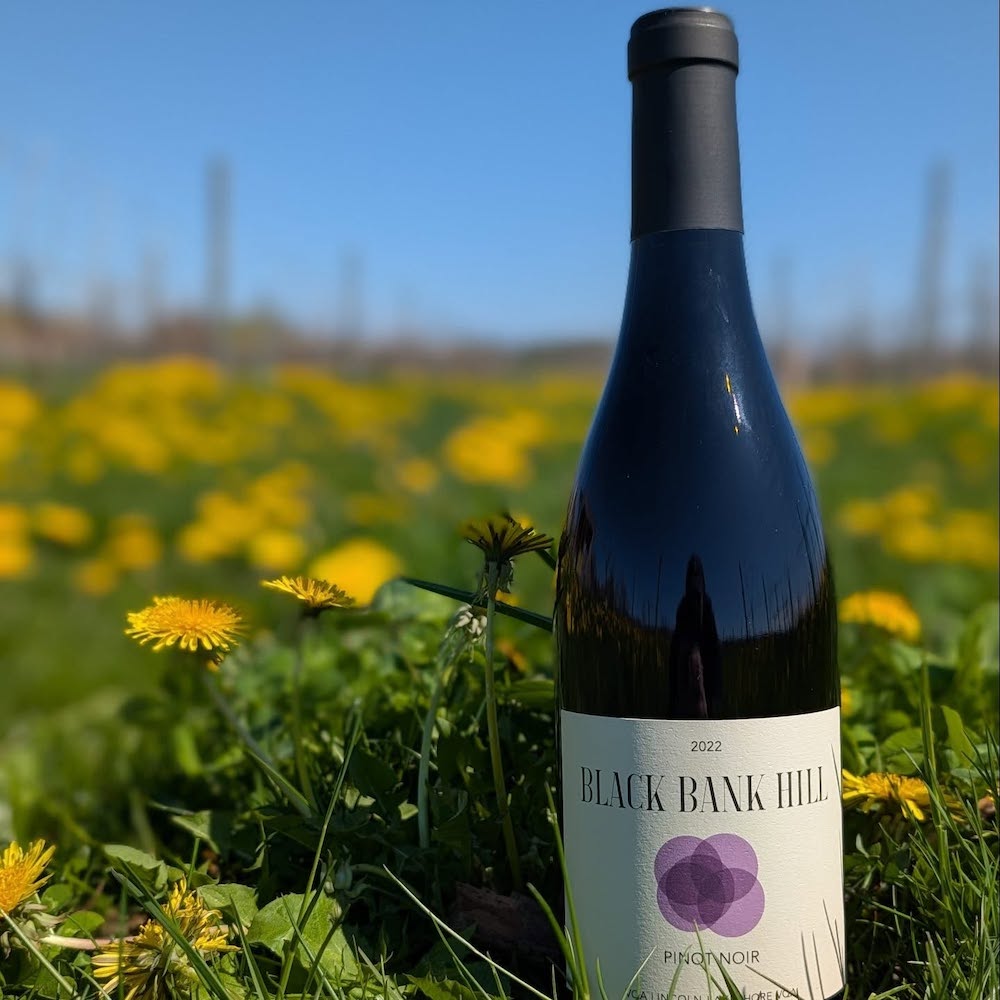
“So, that really struck me as a missed opportunity. And so, combining that with my experience with the SWO program, I decided to do something on my own and create my own program based on traditional knowledge.”
McLean admits “that program” is still many years away from being developed. He is working on the foundation of understanding Indigenous worldviews. He is treading carefully and respectfully, building relationships so not to be extractive by just taking something from other cultures without giving something back.
A big part of his master’s program at Brock is not only to build a strong foundation in sustainability but also a strong foundation in indigenous research methodologies.
McLean sheds light on some Indigenous perspectives: “One needs to understand that everything is connected and understand that those cedars up there, for example, are relation to me, and the rocks out there and the soil are all relations to me. When I’m out in the vineyard, I try to think of research as a relational thing, as opposed to something that I’m going to study and pull information from. Something that I’m going through right now with my research is the synergy between colonial science and Indigenous science. We talk about braiding those two systems, and that’s often called ‘two eyed seeing,’ ” he says.
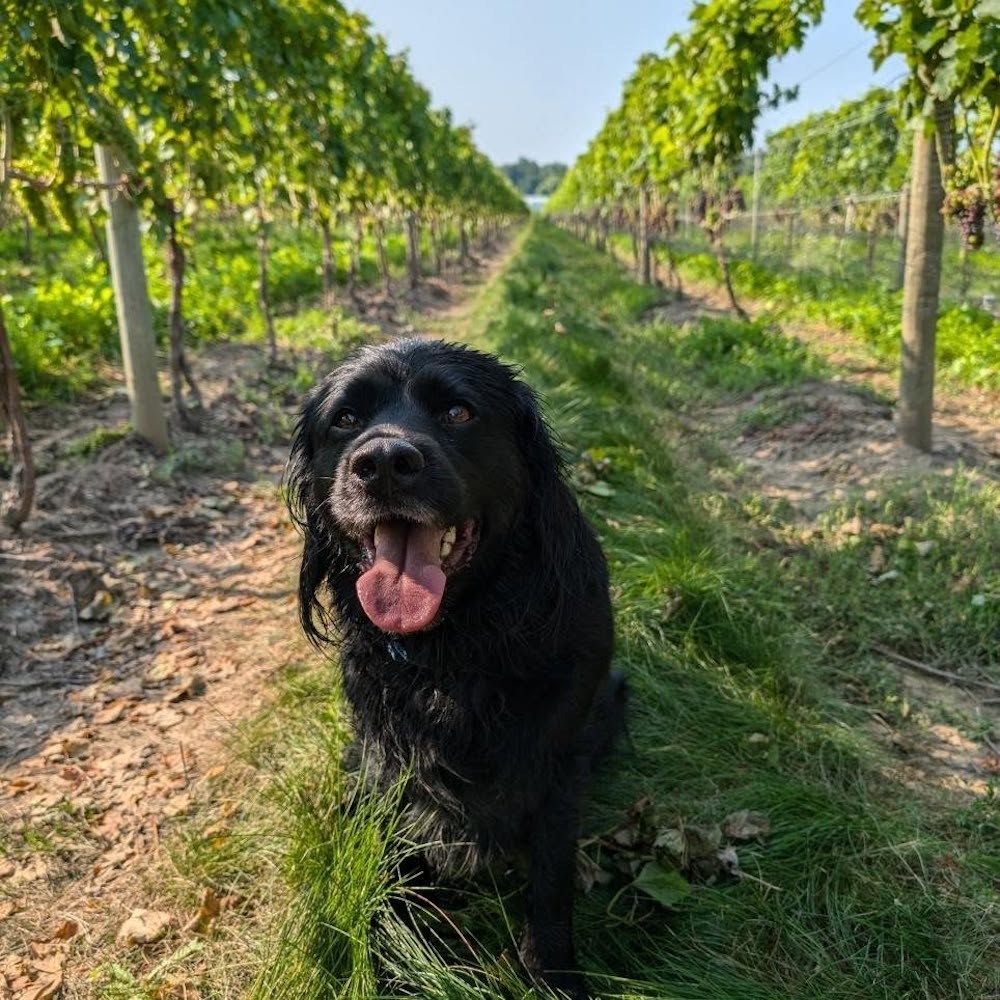
So how does this sustainability at Black Bank Hill play out? At Black Bank Hill, sustainable practices encompass the following: all the water used in winemaking and cleaning come from rainwater. However, McLean makes it clear that water is water, whether it comes from a civic source or from rain, it must be treated with respect.
At harvest, all the solids, all the lees are placed in buckets to be taken out into the vineyard and not flushed down into the septic tank. In the fall, McLean receives leaves from the neighbourhood, through a local landscaping company, which is used to make compost. In spring, he gets organic manure and mixes the two composts to fertilize the soil.
When it comes to sustainability and people, McLean laments the fact that no Indigenous students have taken advantage of a scholarship offered by Niagara College in the wine program. He says we haven’t created any space for them in the industry. So, he asks, “how can we be much more inclusive to Indigenous people, to minorities, to women, to new ideas?”

McLean explains: “Through the guidance that I get from the elders, I’ll know exactly how it will build itself. Everything is an ecosystem. Everything is connected, what is under the soil, what is on top of the soil. But I think from an Indigenous perspective, there exists a lack of spiritual connection.
“So, when I look at modern viticulture, I see, something that has been heavily commoditized due to economic pressure. So much so, that we have basically distilled our inputs down to just three things: pesticides, fertilizers, and water.
“I think, if we were to go back in time, growers were probably more aware of diverse ecosystems around their property and how that enhanced quality and prevented disease pressure.
“Agriculture is probably one of the most intensive things you can do to the land. This place used to be a big wetland at one point. I can even be critical of this property; it’s a monoculture. There are very few trees, very little going on here.
“When I talk about ‘relationality’, I’m thinking about the raccoons that could be living here, the foxes that could be living, burrowing under the ground. I’m thinking about all these things that would normally exist here, and don’t because we have basically paved this place over. So, how can I, as a better viticulturist, bring those animals back, bring more of a balance back to this property? That’s the ultimate goal.”
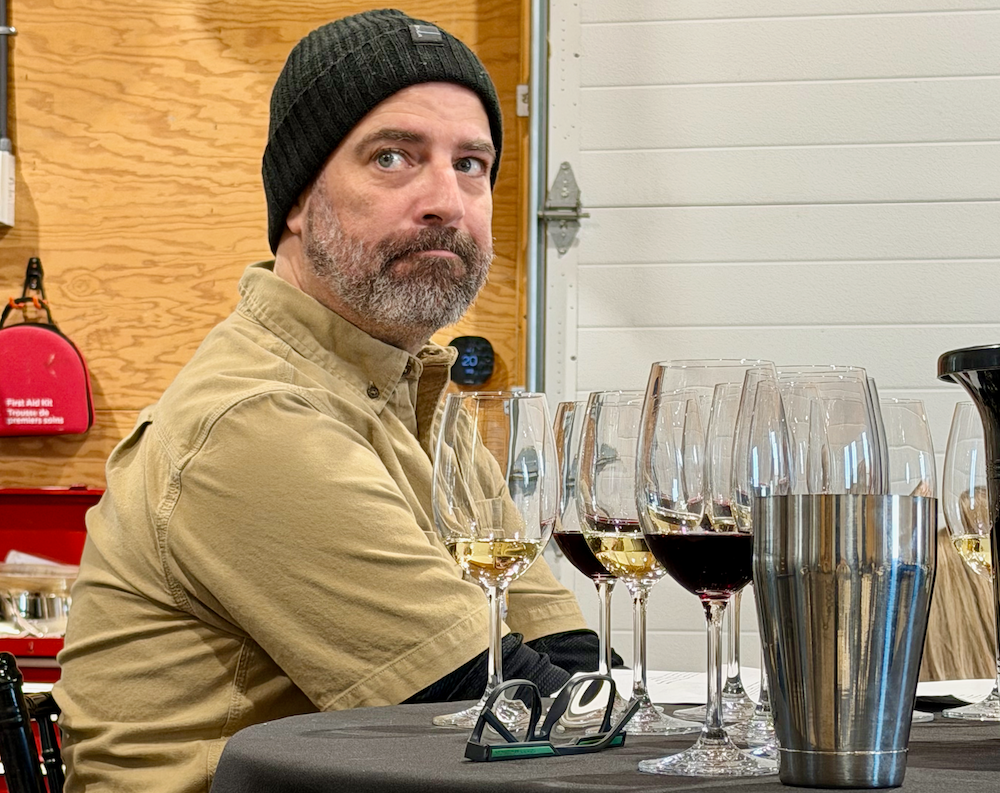
McLean is at a point in his career where love and empathy are seen as inputs to the vineyard beyond water and pesticides. He is building a habitat for barn swallows in place of the old barn on the property which has become unsafe and must come down. There’s a medicine garden in the works, too.
“But the most important thing is how I come into work every day and how I approach my vines,” he says. “For example, I will go out and drum in my vines for an afternoon. Or I will have (a) ceremony before I plant. These are things that I’m doing to help me build empathy. One thing that I’ve learned in sustainability science is that empathy is the thing that motivates and pushes people to do pro-environmental behaviours.”
McLean dreams of creating a community of grape-growers and wine producers in his immediate area, one based on Indigenous governance where everybody in the community has a gift of knowledge to share, such as knowledge about pruning or a piece of equipment like laser beams keeping starlings away.
“My sustainability program involves my neighbours, them learning from me and me learning from them. If I were to take all the growers from here and put them all in a room, they would all have different ideas of where they see themselves, where they see the wine industry, where they see the wine industry going. But the longer we stay in that room, the more our ideas start to converge. And the more we start sharing the same value system, and that’s really what this program that I want to do is about. It’s knowledge sharing, knowledge mobilization, but also creating relational empathy.” McLean concludes.
What can the consumer do to help sustainability in the wine industry?
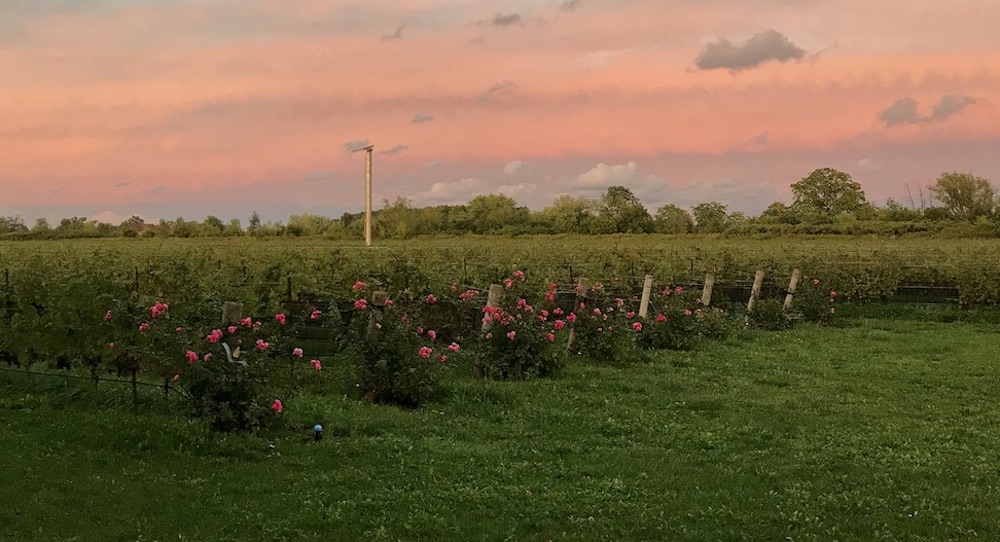
While wineries produce what they think will sell, consumers have a choice. They can look for wines with certifying marks that they support — organic, biodynamic, sustainable.
To quote Redelmeier: “If a winery can’t be bothered enough to support sustainability, why do they deserve your support?”
Good question!
Comment here