By Rick VanSickle
Heat, and plenty of if, seems to be the common theme that defines what many are calling a benchmark 2025 wine vintage in all regions of Ontario.
In Part II of Wines in Niagara’s annual Harvest Report, we have a range of winemakers/proprietors from Prince Edward County to the Ottawa Valley offering up their thoughts on the 2025 harvest and what to expect from the wines when released. You can read Part I of the report here.
We also have a report on the Lake Erie North Shore appellation from VQA and a detailed report from Jamie Slingerland, director of viniculture at Pillitteri Estates Winery in Niagara, with his thoughts on the harvest in Niagara-on-the-Lake and the outook for icewines. Grapes registered for the production of icewine from the 2025 vintage totalled 2,853 tonnes from 11 varieties, a significant increase over the 2024 vintage in which just 1,976 tonnes were registered.
In Prince Edward County, wet and rainy conditions delayed the season, according to VQA. By spring, the weather seemed to co-operate, offering less rain and more sunshine.
In June, the weather had changed completely, with the area receiving a lot of sunshine, heat and experiencing very dry conditions. The dry conditions persisted, causing some panic as the summer wore on. Vines were showing signs of drought and heat stress — minimal canopy growth, early signs of lignification of wood and chlorosis.
A well-timed rain event in the late summer was welcomed by growers and provided a break from the drought. Vines recovered quickly and grapes continued to ripen, meeting or exceeding brix requirements. Grapes from the County showed a depth of flavour, well-balanced acid, and peak phenolic ripeness.
The County’s Andre Gagne of Last House Vineyard, said that “looking back on the 2025 season, I think we will say that the overall quality of the wines will be exceptional.”
Veteran winemaker and owner of the County’s Rosehall Run, Dan Sullivan, agreed with Gagne, saying that “it will be interesting to see how the 2025s age, as sometimes drought stress can advance bottle aging timelines. That said, I doubt most folks will be able to keep their hands and lips away from what promises to be a fantastic vintage when it is released.”
In the emerging region of the Ottawa Valley, KIN Vineyard winemaker Brian Hamilton said that “with growing conditions that were both hot and dry, with cooler evenings, and small crop load, we were able to achieve ideal ripeness, and extended hang time before harvest started on Sept. 27.”
Here’s what winemakers/proprietors had to say about Harvest 2025 in their own words:
Prince Edward County

Christoper Thompson, winemaker,
Volta Estate Winery, Hillier
In three words: HOT, DRY, and FAST.
For us in PEC, we had the worst drought in well over 100 years. Hardly ideal for newer vines, but we managed our way through the season with careful (though expensive) water management.
Spring started off late, but things caught up to relatively normal timelines throughout the growing season. The season’s dryness resulted in small, concentrated berries, giving low juice yields but huge texture and character.
Once September hit everything ripened rapidly, almost all varieties sky-rocketing about 2 Brix per week, every week until we finished picking. Normally it’s a little steadier and we have rain intermittently, but this was relentless and condensed. We had almost no gap in picking at any point.

You’d finish sparklings, and be straight onto hybrids and Gewurztraminer, before Gris, Pinot, Chard, and then the late-ripeners. I’d normally have about 6-7 weeks between sparkling and the later-ripening reds like Cabernet Franc and Merlot. This year it was three weeks and six days start to finish, so very compacted and very, very ripe!
Drinkers used to PEC’s vibrant freshness, signature acidity, and minerality may be surprised to see a lot of wines coming in at 14% alcohol and higher. Wonderfully developed phenolics, big fruit profiles, higher alcohols, and boldness will be themes from this vintage for sure.
Sparkling wines remain dynamite from PEC as always if you got them off in time. Chardonnay and Pinot Gris will present noticeably riper in both fruit profile and structure, while Pinot Noir stayed truer to its typically poetic and nuanced beauty. Late ripening reds have never seen such an ideal growing season here for their taste, so look out for these big beauties as they emerge in coming years.
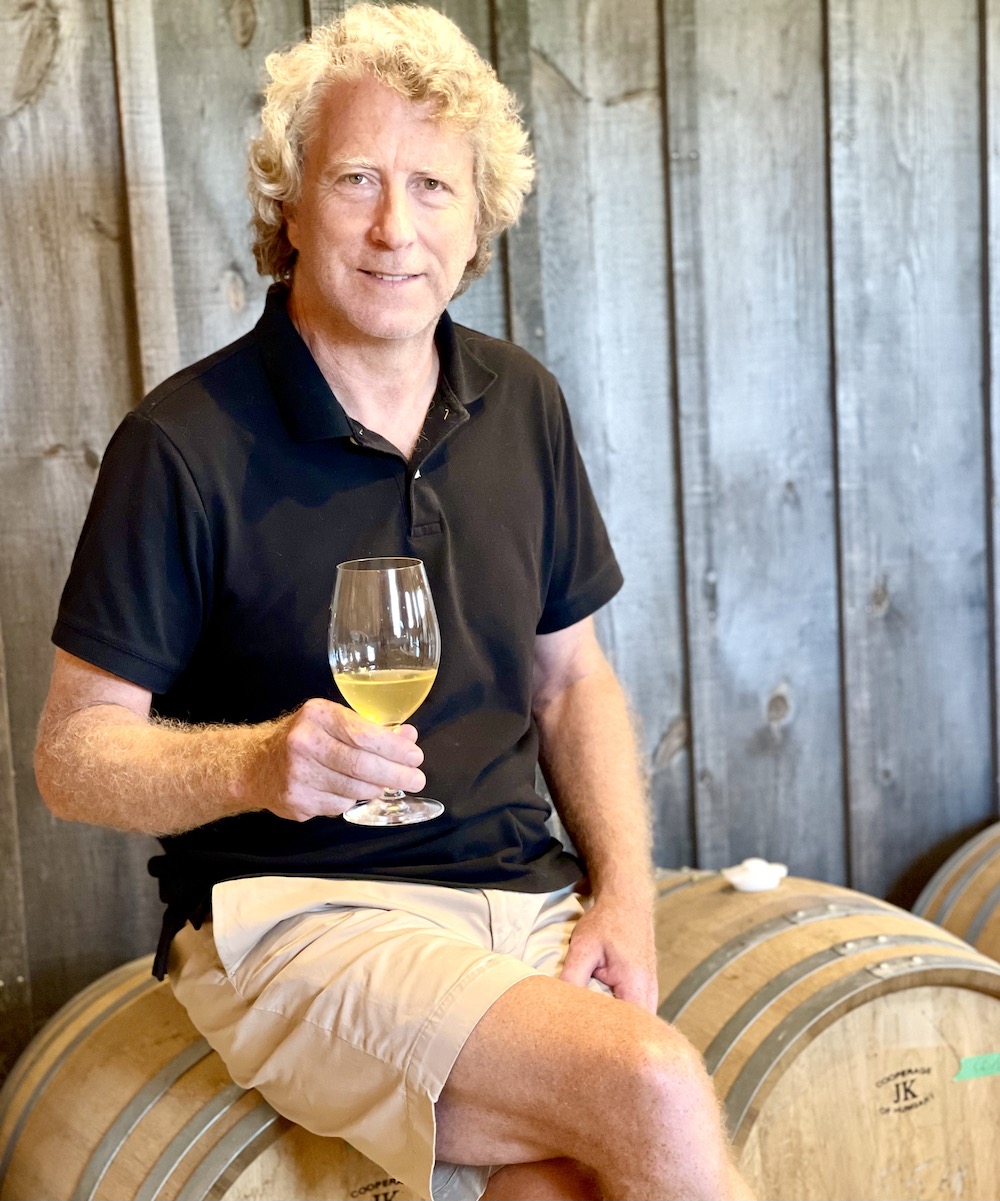
Andre Gagne, proprietor of
Last House Vineyard, Hillier Ward
The 2025 season started after a winter with more average temperatures and snow. The tied down canes were well buried under soil and adequately protected. The exposed aerial canes did not experience low enough temps to cause major bud kill. As a result, many exposed aerial canes were used as fruiting canes for the season.
The growing season was a bit slow to start with a cool spring and some wet conditions. Vineyard prep continued but behind the schedule of prior years due standing water, mud and tractor repairs. Buds started to show signs of life in early May. As things warmed up canopy growth took off with a gallop. No May frosts this year, and things were well set by the end of May.

June was normal with average rainfall right up until the last week. The tightened spray regimen used in 2024 was repeated. The increased frequency allowed the sprays to be organic and biologic. Flowering for the Pinot Noir was normal, but rain and wind affected the Chardonnay. Chard clusters were loose and berries smaller than in other years. Very few had shoulders.
July, August and September were extremely dry. We went nine weeks with under 10cm of rain. Vines showed signs of drought stress by mid-August with very early lignification and some chlorosis. Despite being located on Lake Ontario, we chose not to irrigate the vines. We did water the apple orchard.
The dry conditions brought low disease pressure and allowed the spray schedule to relax slightly. We experienced very little black rot, powdery mildew and a fraction of the downey mildew we usually experience. But the wasp population exploded and resulted in significant fruit loss. Fruit damage by wasps encouraged botrytis.
The vineyard required only one full top-pruning due to the drought. A light leaf pulling was completed in early August. Tucking was also less arduous than prior years.
The first picks were Chardonnay and Pinot Noir for traditional method on Sept. 18. Our mature blocks of Pinot and Chardonnay were picked on Oct. 3 and 5 with excellent quality but lower volumes. The younger block of Pinot Noir was picked on Oct. 1 and is destined to become an homage to Rosé des Riceys. Geoff Heinricks said he has been waiting 30 years for the right fruit for this style of Pinot Noir to be made in Hillier.
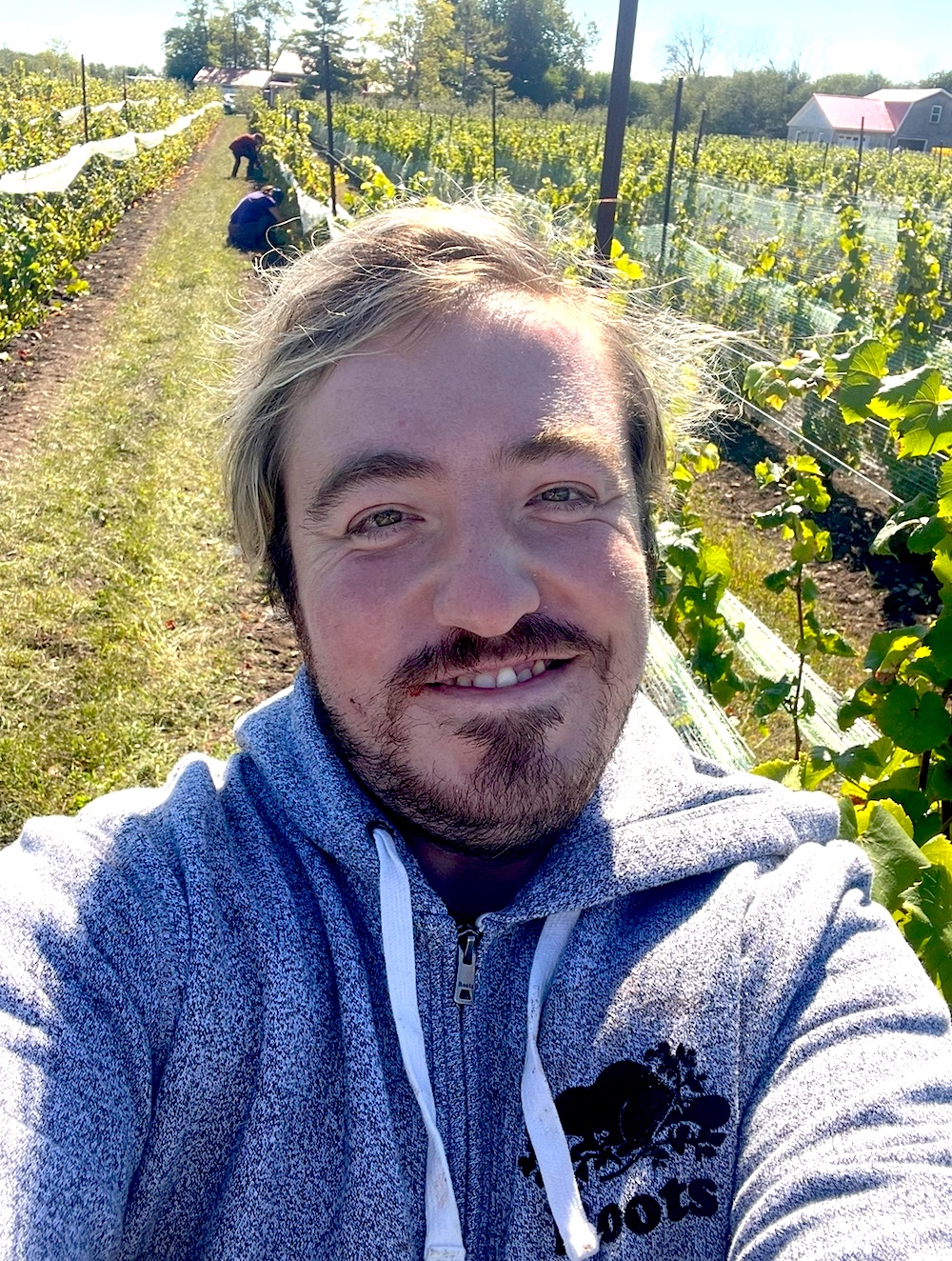
At this point we still had two acres of younger Chardonnay left to pick. In 2024 we let the Block hang until Oct. 17. Alas, the wasps forced us to go earlier on Oct. 7. Even then, the damage was excessive, but the wine is going to be very special!
For 2025, we lost the entire crop of Golden Russet Apples from our orchard. With the drought, the trees went into survival mode and dropped most of the fruit! No cider was made in 2025.
Looking back on the 2025 season, I think we will say that the overall quality of the wines will be exceptional. Reserve level wines are in barrel. The volume of Pinot Noir was 75% of 2024, but in line with the historical average. The Chardonnay volume, affected at flowering and then by wasps was at 40% of 2024. With the decision to not irrigate, all wines will be an honest reflection of their Hillier Ward terroir in 2025.
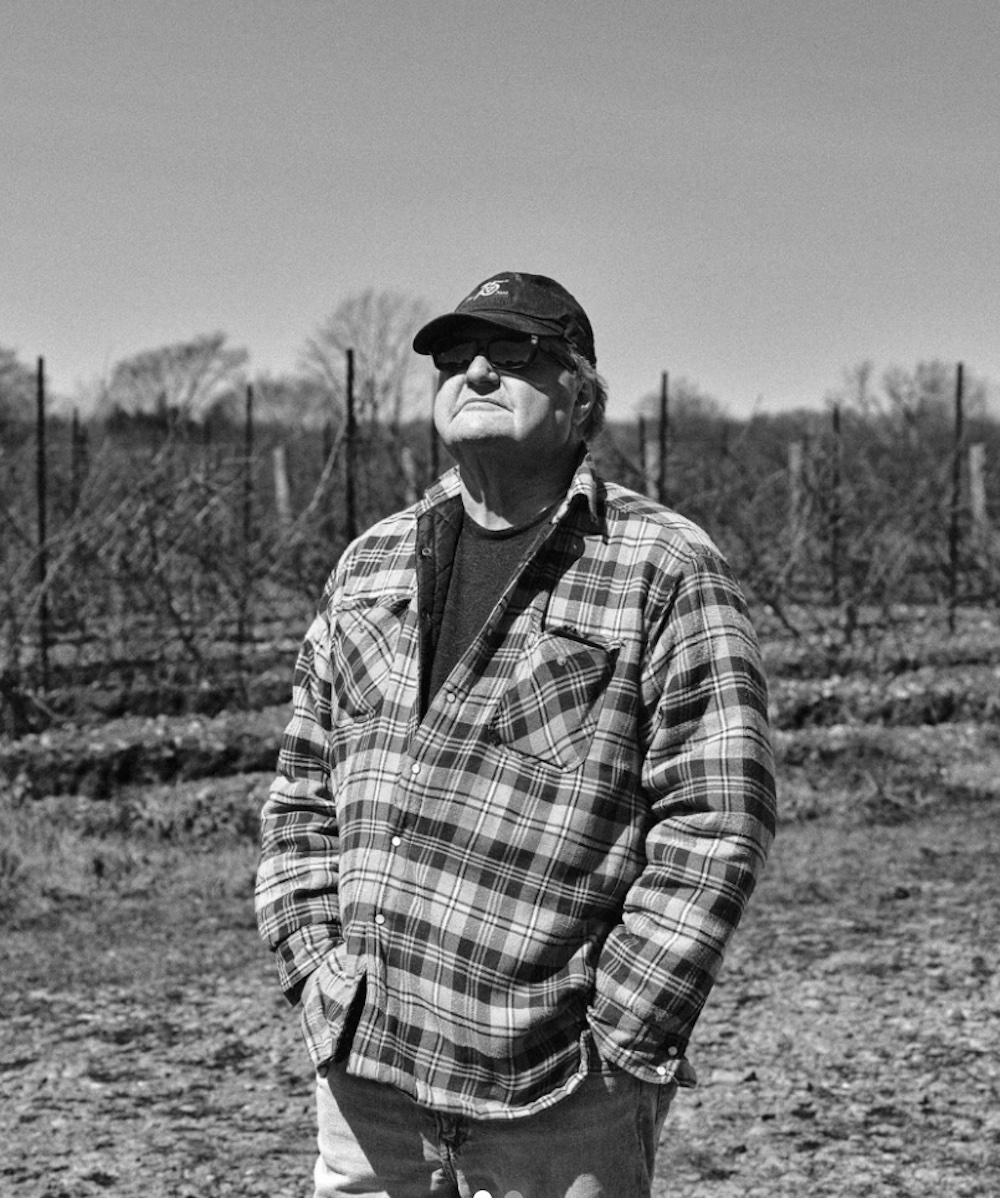
Dan Sullivan, proprietor/winemaker
Rosehall Run Vineyards, Hillier Ward
The past year marked a quarter century of grape growing at Rosehall Run Vineyards.
Over those years I think I can say with confidence, that quality wise we have never had such a great run of strong vintages than the 2022-2025 period. Even 2021, a year overly maligned in retrospect, yielded some fine wines after the legendary 2020 harvest.
Climate change is shaping the future of viticulture here in PEC in a predictably unpredictable way. While the general trend is to warmer, drier growing seasons there are still the threats of collapsing polar vortexes, late frosts, hail and drought that make grape growing a masochistic pursuit.
All kidding aside, I believe that the resiliency and adaptability that vigneron in Ontario display, place us among the most promising and sustainable growing regions in the world.
In PEC there are no permanent vineyard irrigation systems, and most are dry farmed over in most locations, a thin layer of rocky soil. In 2025 the limitations of the moisture capacity of our clay limestone were rigorously tested by an extended drought that defined the vintage.
The season began with a cool April followed by a wet cold May which turned out to be a blessing. By bud break we were about a week behind normal and had received almost six inches (147 mm) of rain in May alone.
By June the weather pattern shifted abruptly, and a consistently warm, dry weather pattern took hold. From June 1 to July 31, we received a total of 40 mm of rain placing us into drought conditions. Vineyards on very thin soils and younger vines showed considerable drought stress in many instances. We were fortunate that the well-developed roots of our vineyards, now well into maturity, weathered the drought admirably through Aug. 13 when we received a desperately needed 20 mm of rain. Thankfully, another 50 mm fell about a week later on Aug. 19/20, which set us up for the September sprint to harvest.
In September arid conditions returned with only 20 mm of precipitation with some humidity requiring vigilance for downy mildew and botrytis which we were able to manage well setting us up for near perfect conditions to harvest.
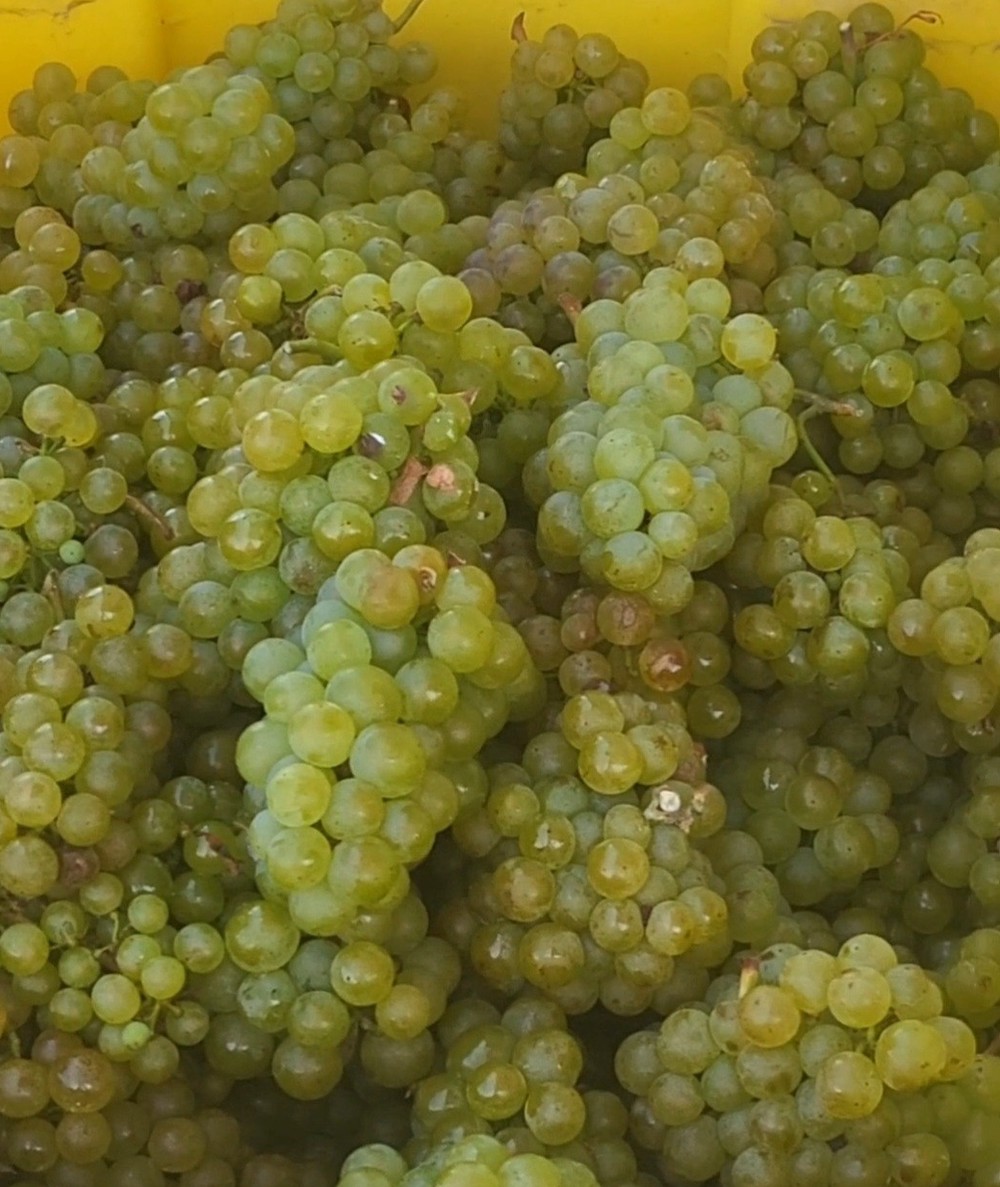
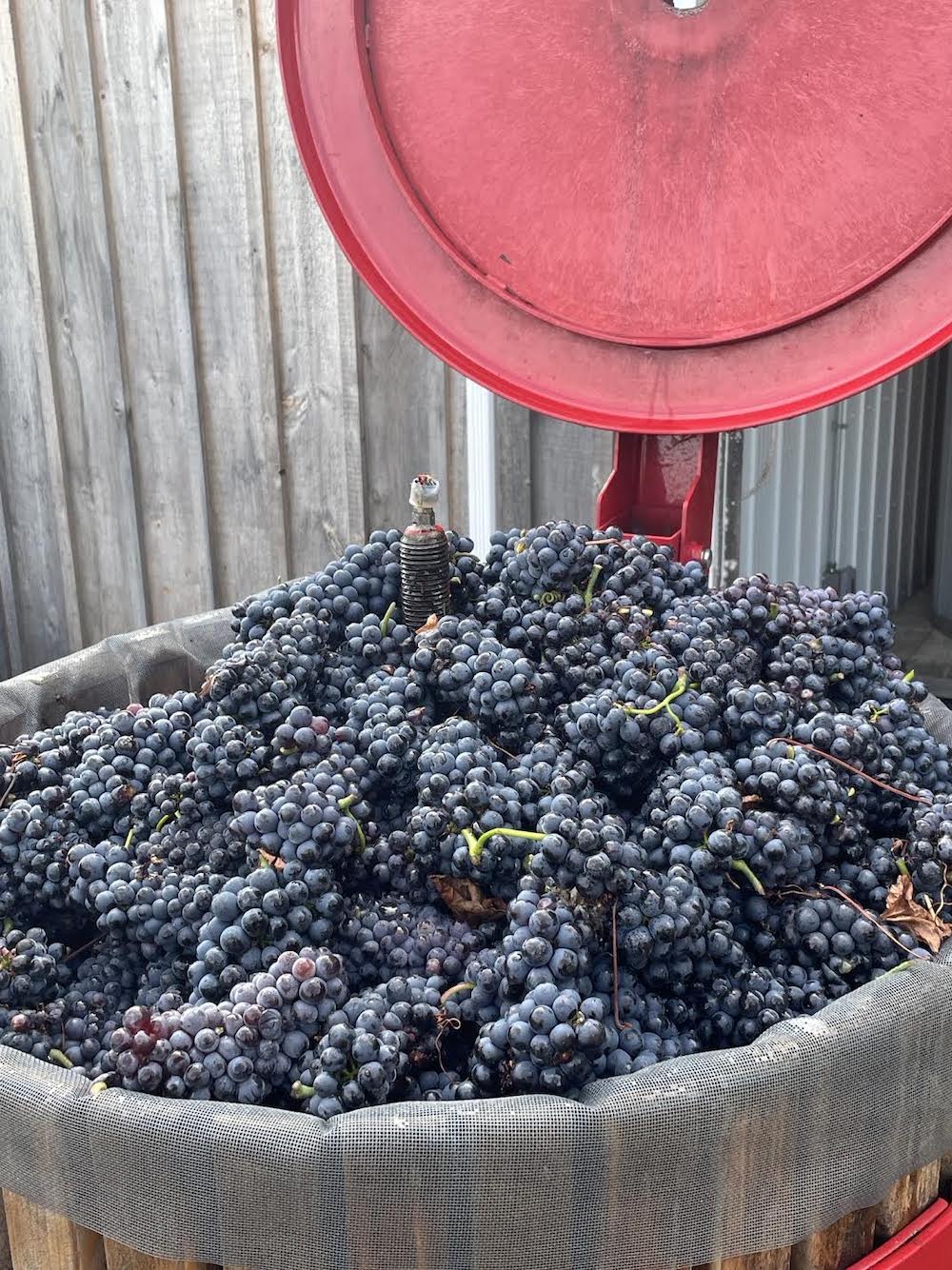
The only significant rain (a scant 15 mm) during harvest came on Oct. 7/8, by which time we had picked the entirety of the Pinot Noir, followed by Pinot Gris, Chardonnay and Sauvignon Blanc. Our Tempranillo was picked on Oct. 16 to conclude.
Overall yields were down a little due to small clusters and some preharvest thinning of fruit off weak shoots.
The quality, predictably, is amazing, with thick mature skins and ripe tannins on the reds and full-throated fruit intensity and depth of flavours on whites.
It will be interesting to see how the 2025s age as sometimes drought stress can advance bottle aging timelines. That said, I doubt most folks will be able to keep their hands and lips away from what promises to be a fantastic vintage when it is released.
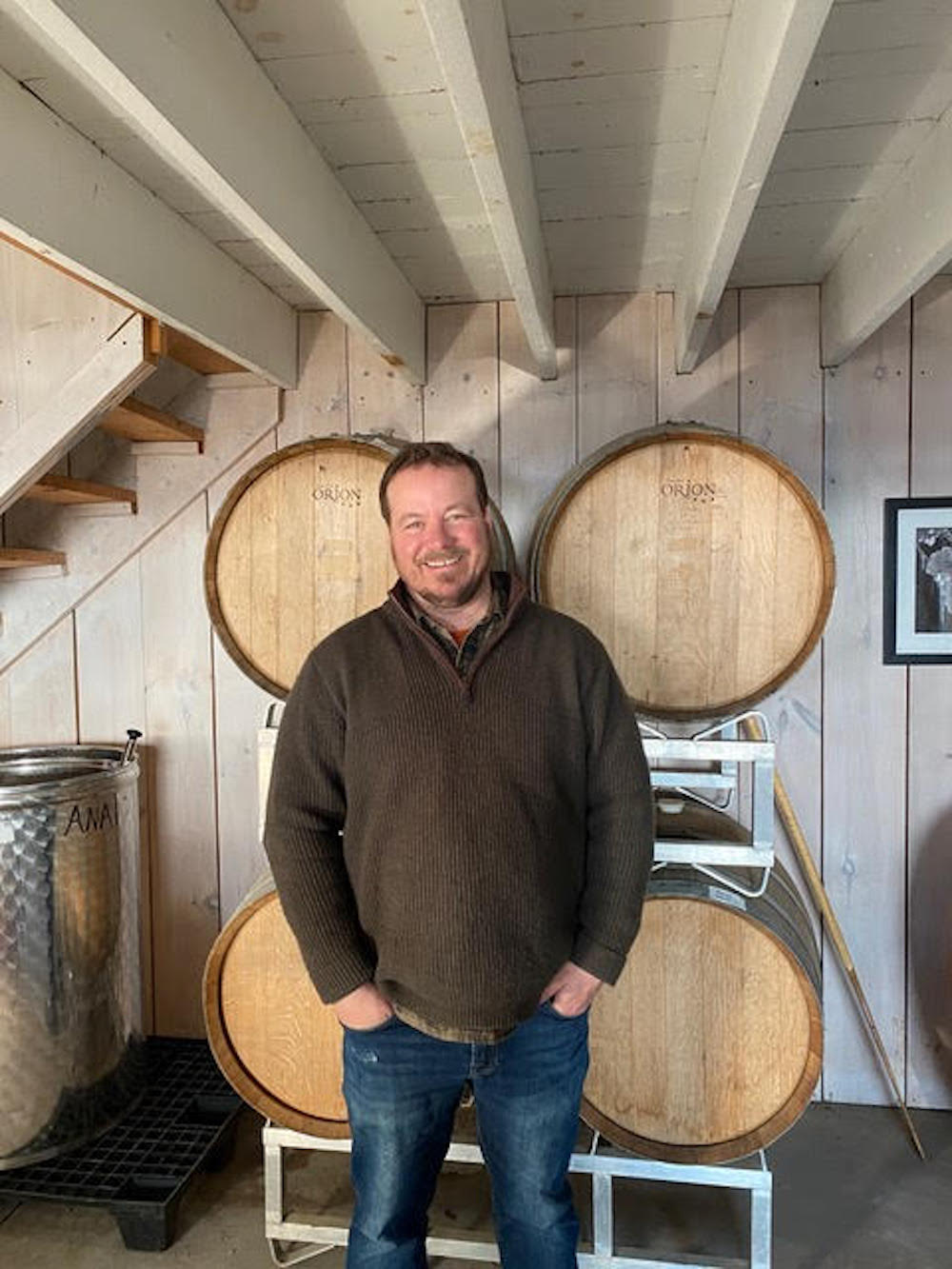
Jonas Newman, proprietor,
Hinterland Wine Company, Hillier
2025 started out with dryish weather in the spring. We were able to get into the fields quite early and pruning and tying went on at a relaxed pace.
We, of course, had the usual brush with frost in May but made it through unscathed. Early June felt “regular” with a couple of rain events, nothing of consequence. Then the heat. And the dry.
We calculated that we did not get rain of significance for almost 10 weeks. Older vineyards seemed fine, especially on deeper soil, but younger vineyards, while free of disease seemed to have no canopy at all. It is what I imagine Sonoma to be like, without the irrigation systems to save our ass.
Some growers took to bucket watering, which from the road seemed to have no real effect. The dry and heat continued into September and October with just enough rain to annoy us and mess with harvest schedules.
As for the grapes, what looked like a B plus vintage, yield wise, went quickly to C minus. The clusters were there, they just had no weight. To a person, everyone has said they are 30% under what they were anticipating. What little we had was clean and ripe.
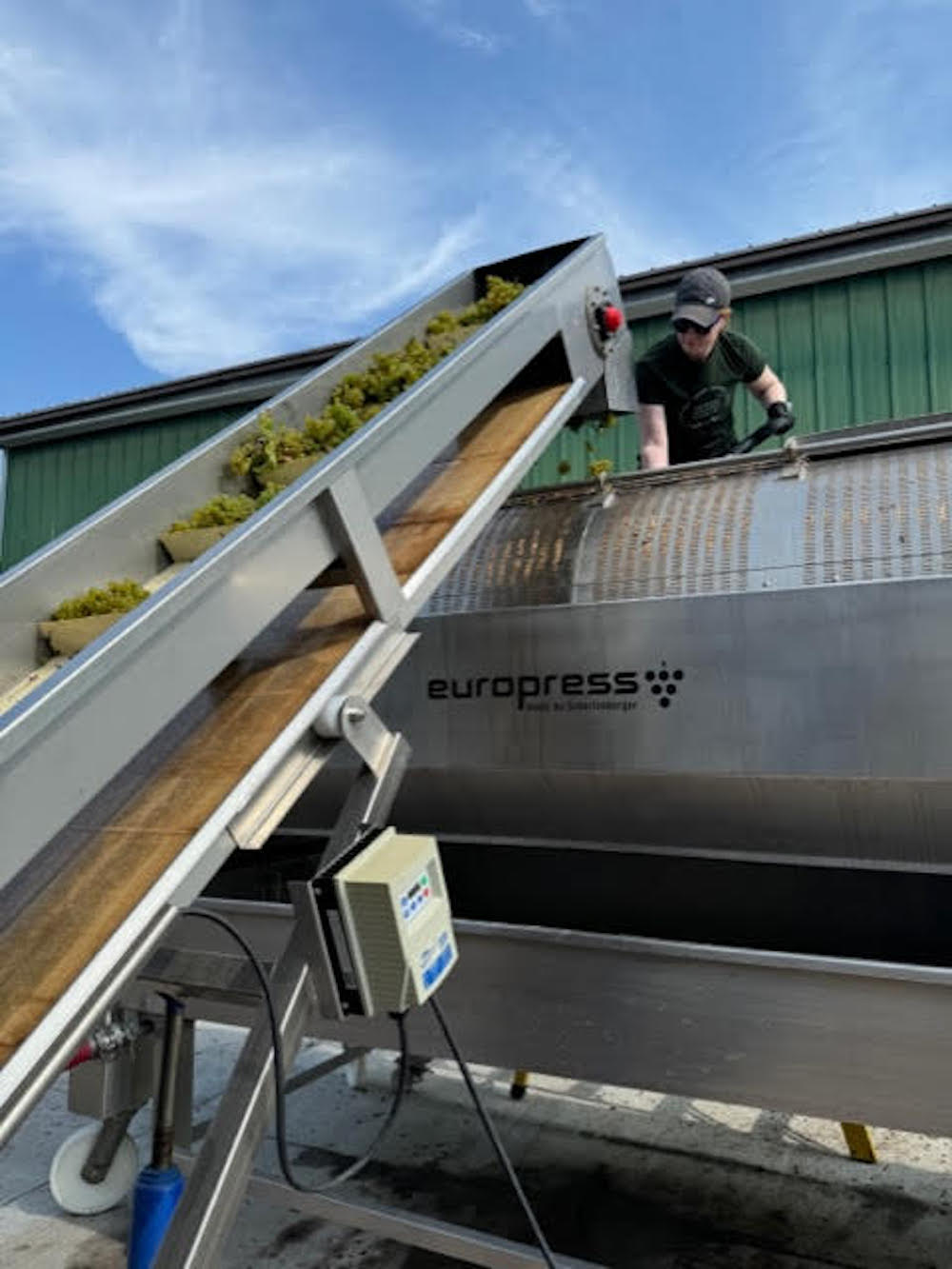
For sparkling, we harvested at the usual time with the grapes being a little riper that other years. Acids seemed to hold in September on and we are taking steps in the cellar to protect against malo. I suspect the finished wines will be in the 13% alcohol range, so preserving acid will be key. Flavours are great. The only we are lacking is volume!
For still wines, wines so far seem super concentrated with great flavours and structure. Reds will be the big winner. There is some weirdness in the whites, however, some saying their Chards are 14.5% alcohol. Tasting them now, they are generous, if a little over the top, but I wonder about the longevity of the 2025 whites. There is probably some “sorcery” in the cellar that we will start thinking about to firm these wines up a bit, but it is certainly an a-typical vintage, myself personally dealing with things I have never seen before.
If it wasn’t for the old-fashioned winter we had this year, I would have said that climate change has its full grip on us now, and we will have to rethink how we grow grapes. We’ve had some hot dry vintages over the years, but this is easily the most extreme I have seen in my career.

Derek Barnett, winemaker at
Karlo Estates Winery, Wellington
It was a great vintage for most varieties with stand outs for me being Pinot Noir, Cabernet Franc and, dare I say, Cabernet Sauvignon.
Super ripeness with nice long hang-times before harvest. Flavours are intense, balanced and wines I think will be structured for good aging potential.
I do like the Chardonnay’s a lot, too, at least from where we have sourced the fruit from. Elegant with balanced acids and super texture.
I can’t speak to the growing season in the County as much but know it was one of the better ones in the last 10 years with Marquette and Petite Pearl showing some brilliant intensity with better than normal yields. I was impressed when I tasted through them a couple of weeks ago. same with all three Frontenac varieties. An exciting year all around!
The Ottawa Valley
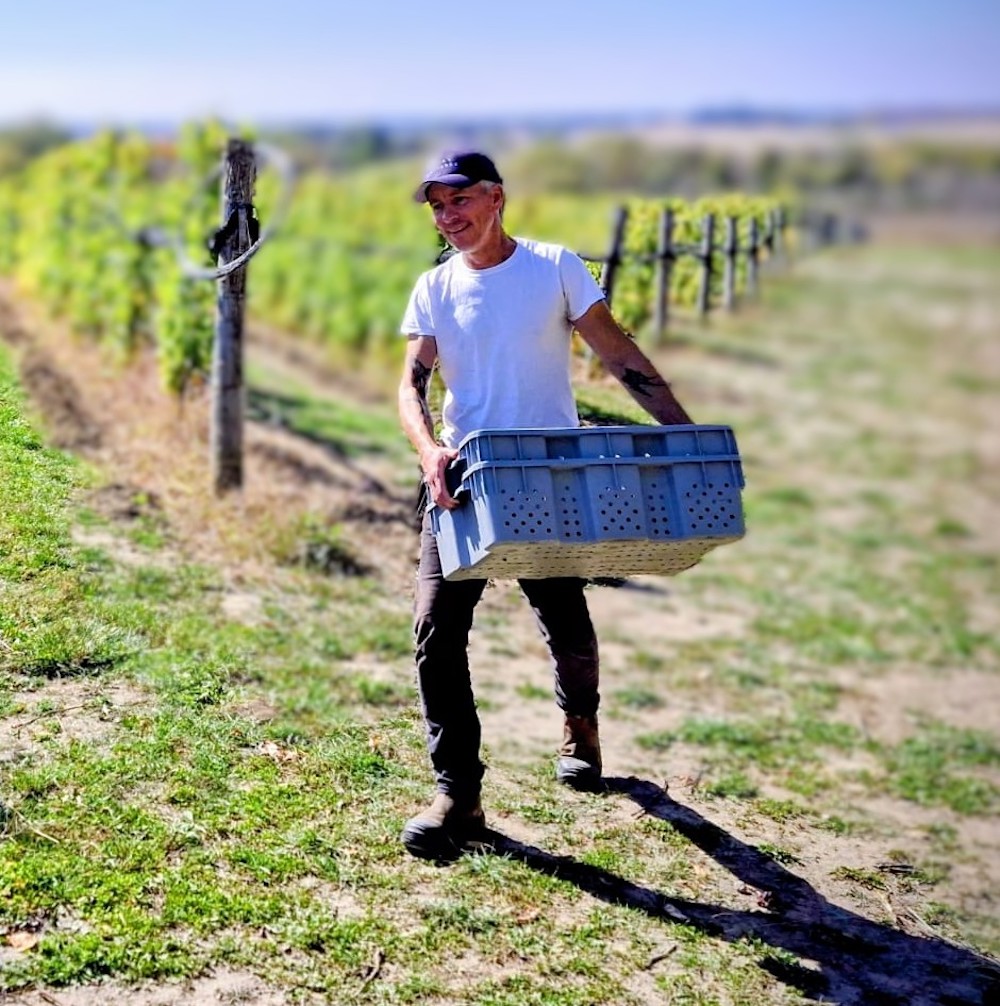
Brian Hamilton, winemaker,
KIN Vineyards, Carp Ridge
The 2025 season at the Carp Ridge Vineyard saw ideal growing conditions for achieving extended hang time and phenologically ripe grapes. Yields were reduced due to the poor bud viability of the vines that resulted from the extremely wet conditions of the 2024 that saw mid-season canopy loss to disease and pests.
In 2025, the majority of the Carp Ridge Vineyard needed to establish new crown shoots to increase carbohydrate stores in the vines’ roots, trunk, canes and buds to maximize the crop potential in 2026.
The spring of 2025 saw vine pruning and brush clearing begin May 5, with tie-up of vines to the fruiting wires immediately following. Budbreak was delayed by one week and began May 21.
Conditions through the spring were drier and cooler than usual and we avoided rain during the flowering period which began June 27, also about one week later than usual. The vine canopy was managed well throughout the season with only minimal disease and pest damage.

By veraison, the vine growth cycle had made up for the late start to the season and colour change began August 7.
With growing conditions that were both hot and dry, with cooler evenings, and small crop load, we were able to achieve ideal ripeness, and extended hang time before harvest started on Sept. 27.
Carp Ridge Chardonnay and Pinot Noir both show great colour, depth, complexity and freshness and will follow a 10-month elevage before bottling. Historically, these wines have enjoyed 2-3 years of bottle time prior to release permitting a great integration and display of finesse.
Lake Erie North Shore, report from
Ontario Wine Appellation Authority
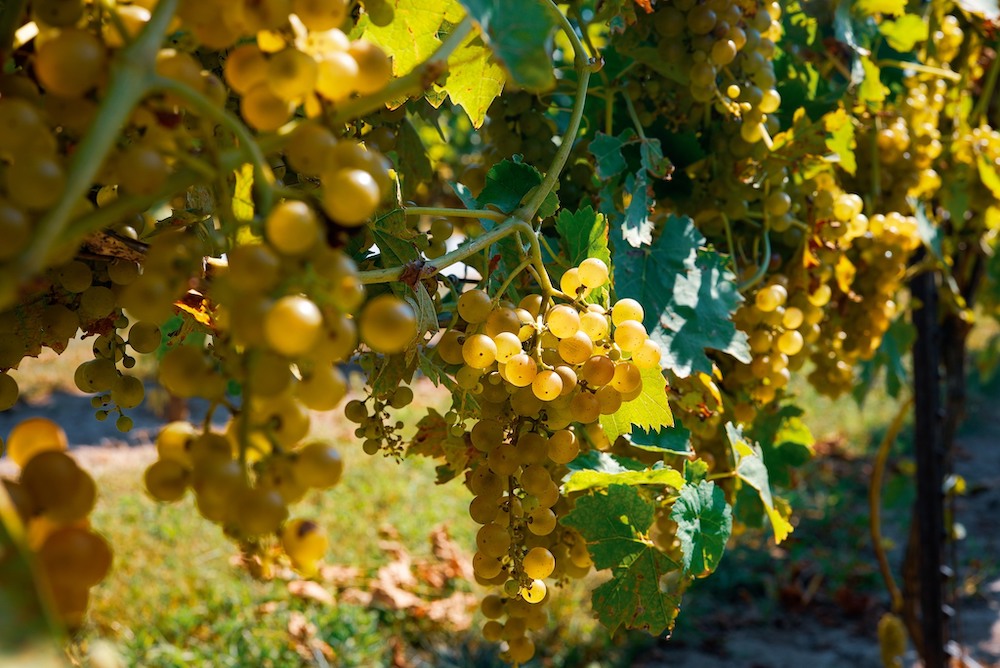
In sunny Lake Erie North Shore, some wineries reported an early start to the season, according to VQA Ontario. May and June were cooler than average, and vines made little progress during those cooler times.
However, July and August provided sunshine, heat units and growing conditions that were exceptional for red varieties like Cabernet and Merlot.
The area welcomed very little rain – heat and drought were the main stories for LENS. By Labour Day weekend, some wineries reported being 7-10 days behind the 2024 season, but grape quality was exceptional.
As summer ended the weather conditions remained relatively dry throughout September and October, allowing for long hang time and premium ripeness across both aromatic white varieties and red varieties. One grower reported Viognier, harvested on Oct. 24, at 26.2 brix. Many red varieties were harvested well above minimum requirements, in the range of 23-25 brix. Harvest was completed by the end of October.
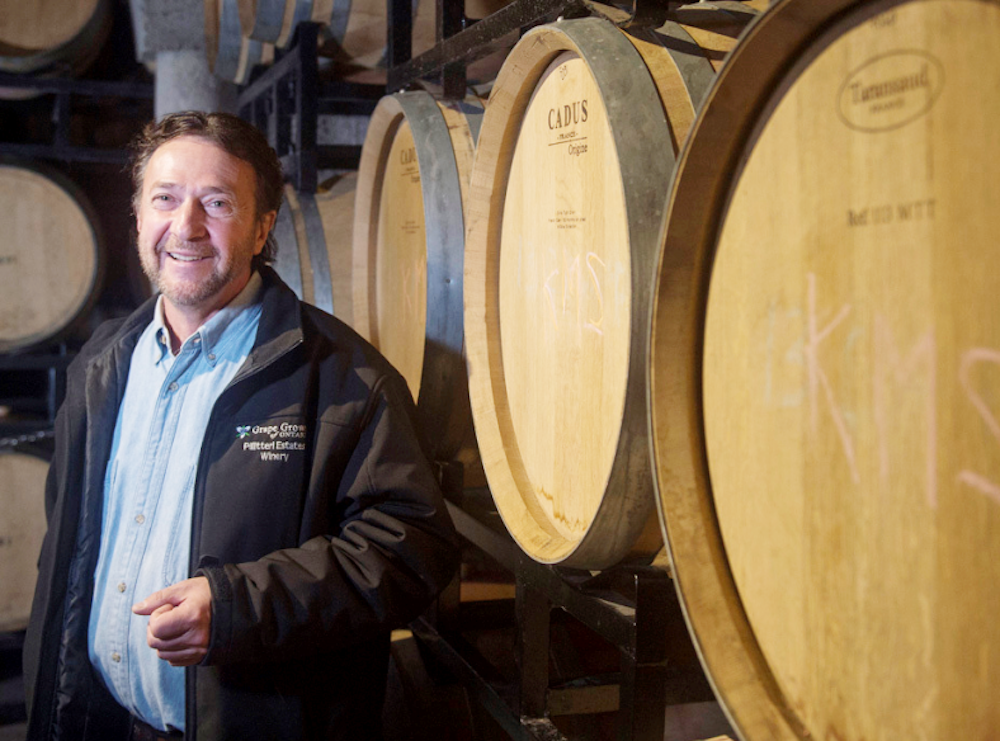
Jamie Slingerland, director of viniculture,
Pillitteri Estates Winery, Niagara-on-the-Lake
Vintage 2025 was an extremely good vintage, one to remember. A warm start, mostly dry weather and a fantastic finish. Like every year it’s all about the weather.
Winter 2025: Winter was mild with the typical snowstorms from the third week in January to the end of February. Icewine grapes had just got their colour before Christmas allowing a few hours to pick at -10 C on Dec. 22, 2024. The rest was completed Jan. 8, 9 and 10. After that there was only one more cold spike. It was generally a mild winter, an El Nino summer.
Spring 2025: Spring was mild and relatively stress-free regarding cold temperatures. There were good moisture reserves in the soil. Fruit bud survival, although it always ranges between varieties, was very good with an average of 78%. Which means a normal crop with regular fruit thinning.
April was warm with moderate rainfall and April 29 temperature hit 20 C which had us thinking will it be an early spring? In mid-May, buds began to break. All of May was above freezing, temperatures in the teens and rainfall was moderate. These were all good conditions to work the ground and get an early start to the season.
May 16 hit 26 C, so there were indications that an early spring was on the way but then it cooled a bit at the end of the month. The season looked to be a few days ahead of average. Downy mildew was a problem for some if your vineyards had problems last year. At this point everything was good.
Summer 2025: June had warm weather. Early warm weather which is always good for early vegetative growth of the vine and helps to advance bloom. But it became too much of a good thing as temperatures spiked in mid-June to 30+ C for a five-day heat wave that we later discovered cooked some blossoms and blossom tips resulting in reduced crop on bunches and near zero crop in some blocks in some fields on some varieties, it was random.
It is very rare to have this kind of warm weather and damage like this. We were lucky on our five farm locations on all our varieties with no full blossom/crop loss, but we had some blossom tip loss. Most of June had low rainfall and warm temperatures. But there was a good soaker in late June bringing the month total to 2½+ inches. The vines were in great shape. Definitely great patio weather, too, for the whole summer.
With the warm weather insect activity spiked and growers had to be on top of that and early powdery mildew. July, traditionally, continued to be dry and hot with almost no rainfall. Most growers with irrigation started in early July once bloom was complete.

It is not good to irrigate during bloom as it promotes botrytis. Young vines need water often as they have shallow roots. 4-6 weeks of dry weather can stress/stunt a young vine. Mature vines on heavy ground after 6- 8 weeks of dry weather need irrigation to avoid stress as their roots do not travel as deep in the soil. Sandy soils allow root growth to grow deeper to access water thus mature vines on sand can withstand drought much better.
Drought stressed vines do not perform as well as they can lack some vital nutrients for growth and fruit development depending on how bad the drought is. Foliar nutrient applications can help but nothing can replace a good soaker with a couple inches of water or rain.
Dry weather slows cell division in fruit thus producing smaller berries. It also reduces plant vigour, which is bad as you need a certain leaf to fruit ratio. Slightly smaller berries can be a good thing as the skin to pulp ratio is higher helping with more tannins on reds. If the berries are too small, then often the flavour profile is poor. Are we growers and winemakers ever happy? lol. Yes, we are all happy when the vine is in balance, with enough fruit, right size/quality of berries and vegetative growth, good fruit to leaf ratios, low disease/insect pressure, enough growing degree days, sufficient nutrient/water/sun/temperatures and unstressed. It is a lot to ask for from Mother Nature but by the end of August it had seemed all we asked had happened.
We irrigated our mature and young vines on heavier soils, and they performed excellently. Our mature vines on sandy soils that did not receive irrigation but did very well as their roots went deep enough to gather moisture. When roots go deep for moisture, they gather few nutrients, so we applied foliar fertilizers after our leaf analysis. We had also applied manure mulch each spring to improve organic matter to allow for greater water retention and reduce compaction. August continued to be dry and hot but moderated in the last few weeks. By Aug. 1, veraison was quite visible in red hybrids and in early vinifera by Aug. 4.
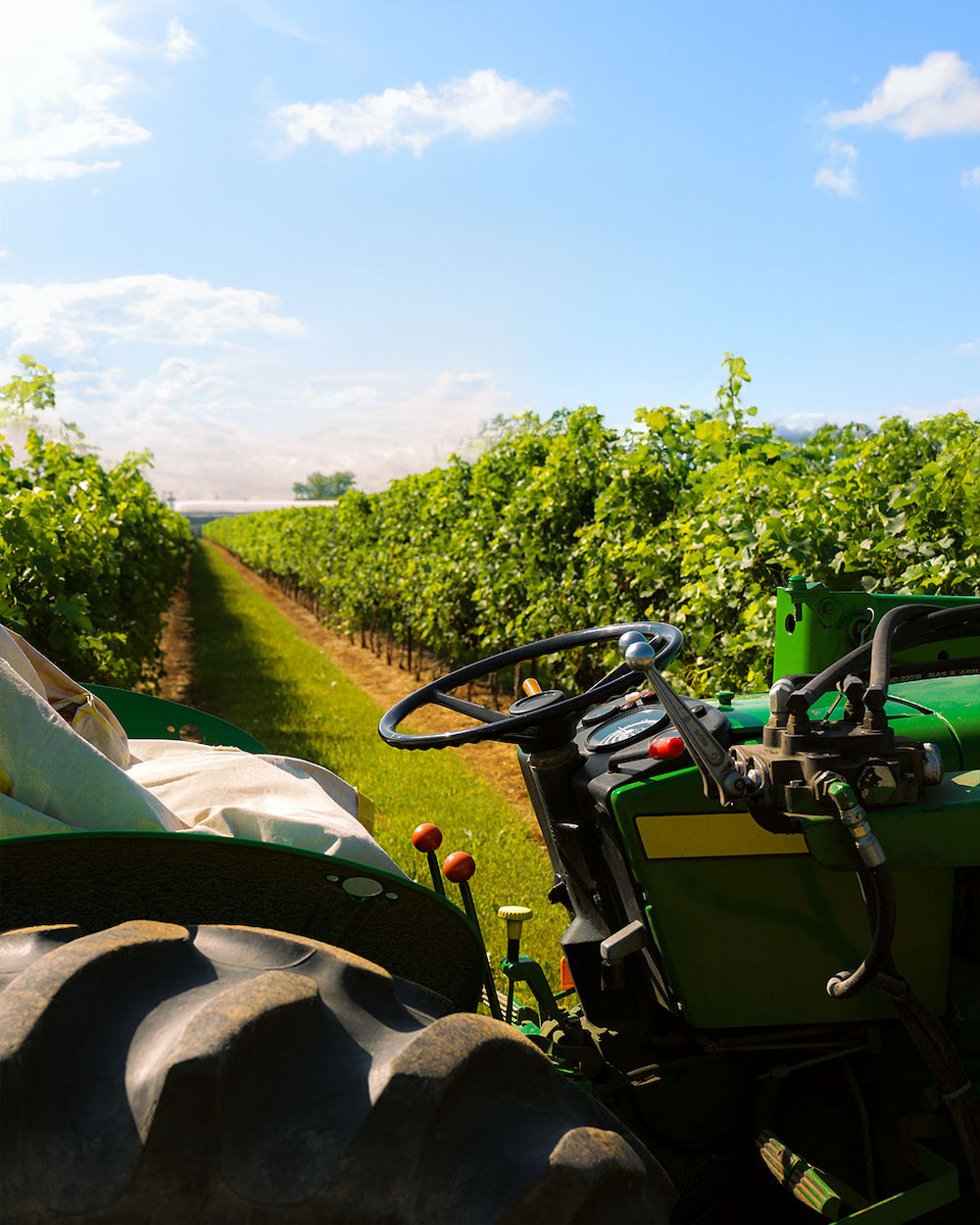
Fall 2025: The Fall can ruin a perfect growing season with too much rain which has been the case in other years.
The vintage benefited from a dry September and our Pinot Gris was the best ever by Sept. 20. Riesling was harvested Oct 2. as it was not holding up well to the heat and to beat a heavy rainstorm dumping 1¾ inches of rain a few days later. It came in clean but would not have lasted had it been left for icewine.
Holding Riesling for later in the season has become more difficult to grow each year due to warm fall temperatures and if there is lots of rainfall then look out. We picked ours in early October to beat the later October rains. The Merlot harvest went well, and we left lots for icewine and it held up well. Late October rainfall was easily absorbed into the dry soil without significant consequences to the remaining Cab Franc and Cab Sauv.
We are very much a Bordeaux varietal winery concentrating heavily on Merlot, Cab Franc and Cab Sauv. These varieties perform extremely well in NOTL but do not do well elsewhere due to either lower GDD (Growing Degree Days) or colder winter temperatures. There is good reason NOTL produces 70% + of Ontario’s grapes for wine, because undisputably the weather is best here to produce grapes for wine. The Bordeaux varieties for Pillitteri Winery in 2026 had excellent colour, sugar, flavour with good tonnages.
All three varieties were harvested days apart rather than weeks. Often the Cabs have high acidity with a cooler fall. But not in 2025 as acidity was dropping quickly with warm weather. This was the first time all three varieties were harvested in October. We have often picked the Cabs in mid to later November.
2025 for most varieties for our winery will be as good as 2020, which was an excellent year. Our Viognier was a beautiful golden this year with good tonnage. Our Shiraz was left for icewine which is always a danger due to a quick dehydration when they ripen.
This was a warm dry fall, and plants built up good carbohydrates to harden off for the winter. We were able to roll out all our netting out on Nov. 8-9 and after a few cold nights, the leaves started dropping. Freezing temperatures and a few days of snow followed and after 7-10 days the 90% of the leaves dried up and dropped.
By Nov. 14 a small crew of 35 people started hand pulling the stubborn leaves that wouldn’t drop. By Nov. 18 we started closing nets and that crew grew to 80 workers for another 10 days. With great relief we had finished before other growers had started. Leaves drop slower in closer proximity to Lake Ontario because of moderating effect of the lake. Netting vineyards for Icewine is a major effort at Pillitteri Winery that we usually complete by Dec. 1 plus or minus a few days.
This year it was completed by Nov. 27th. After that we had eight people pick up dropped grapes and patch netting for another four days. Below 0 C weather continued every day until the end of December. The change from amber colour in Vidal to brown determines fruit quality for Icewine.
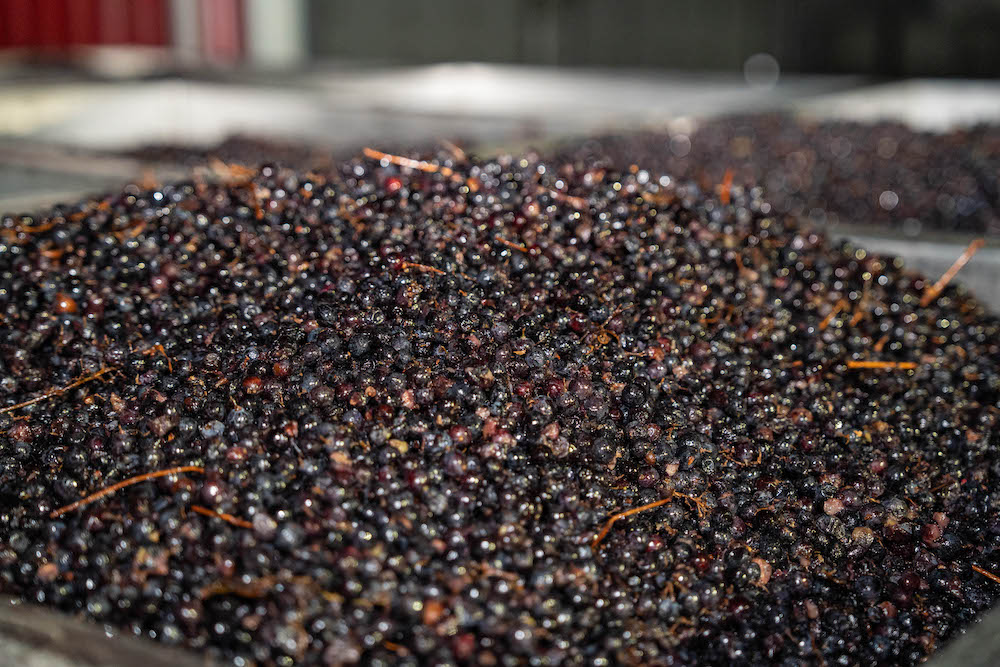
By Dec. 1 the white Vidal grapes had browned by 30%. By Dec. 4 everything was 100% brown. We won’t pick until the grapes are brown.
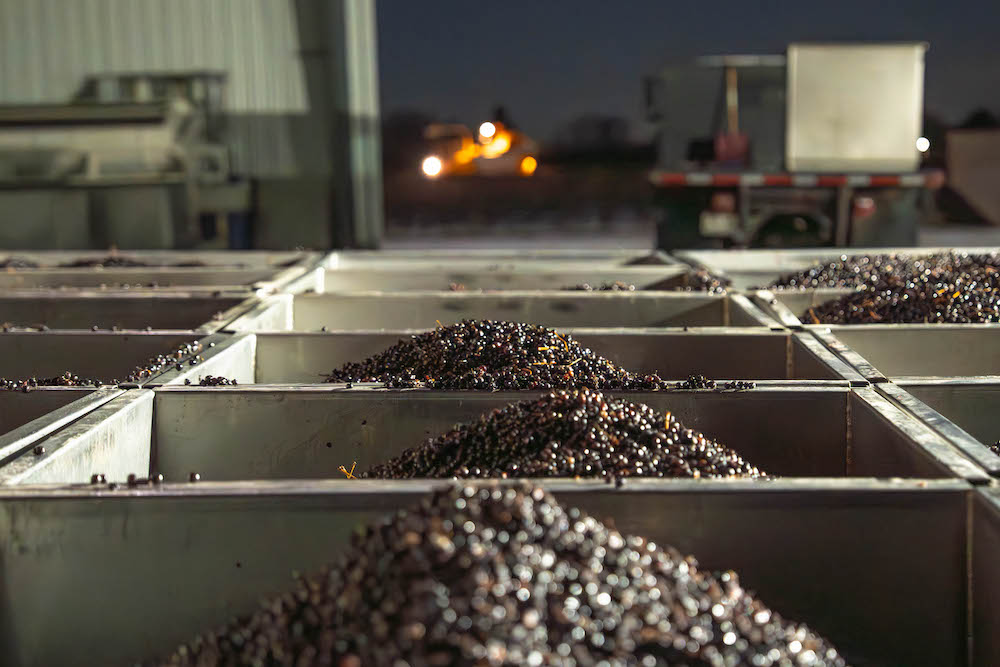
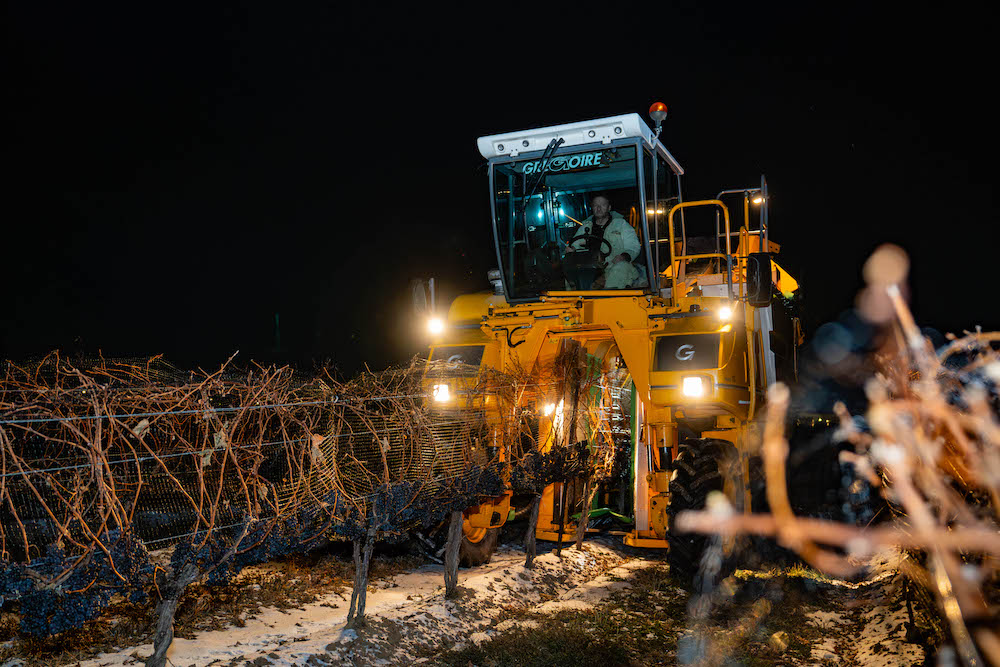
On Dec. 4 into Dec. 5, we picked all the red grapes, Merlot, Shiraz and Corvina in nine hours. The harvester was operating at optimum efficiency as we picked 12 tonnes an hour. On Dec. 9, 13,14 we picked for another 30 hours and completed all the Vidal. This is the first time we picked all our icewine grapes in December.
It was the best ever icewine vintage for us in terms of the percent of grapes recovered at 99%. Often birds and dehydration will reduce the crop between 30-60%. 2025 was the best quality and quantity, and everything went perfect for the entire vintage for every variety. The only unfortunate thing was we couldn’t leave the Riesling for icewine, but it turned out great as a table wine.
Comment here