
By Rick VanSickle
Ontario winemakers and grape growers are heaping early praise on the 2025 wine vintage, calling it as good or better than many of the best years since the turn of millennium.
While it’s rare that all regions in Ontario are reporting “exceptional” results from back-to-back 2024 and 2025 vintages, it’s even rarer that an odd number vintage is in the conversation with the wines from the even numbered 2010, 2012, 2016, and 2020 vintages.
Note: Very top photo of Hidden Bench by Elena Galey Pride.
Said veteran viticulturist and winemaker Ann Sperling: “Following the wines from fermentation to malolactic and now aging in barrels, at Stonebridge (Four Mile Creek) we’re projecting this harvest to be better than 2020.” That’s high praise from someone with the depth of knowledge as Sperling, who consults for several Niagara wineries.

And one other oddity shapes the 2025 wines coming your way beginning this spring. We’ll let Inniskillin winemaker Nicholas Gizuk explain: “Rarely do we see a year where every style is so varietally true and consistently well-showcased; in my opinion, the overall quality is nothing short of outstanding.” From fresh whites to bold red blends, nuanced Burgundian Pinots, Chardonnays and Gamay, to Rhone varietals, winemakers are loving what they are tasting.
Wines in Niagara over 40 reports from most winemaking regions in Ontario, including all sub-appellations in Niagara, Prince Edward County, the Ottawa Valley with added details from VQA for Lake Erie North Shore. In his substantial harvest report, we have split it into two parts — first is this thorough look at Niagara from winemakers and grape growers in all sub-appellations chiming in followed later this week on Wednesday with Part II, looking at Prince Edward County, the Ottawa Valley, and Lake Erie North with a deep dive into the icewine harvest from Pillitteri’s Jamie Slingerland.
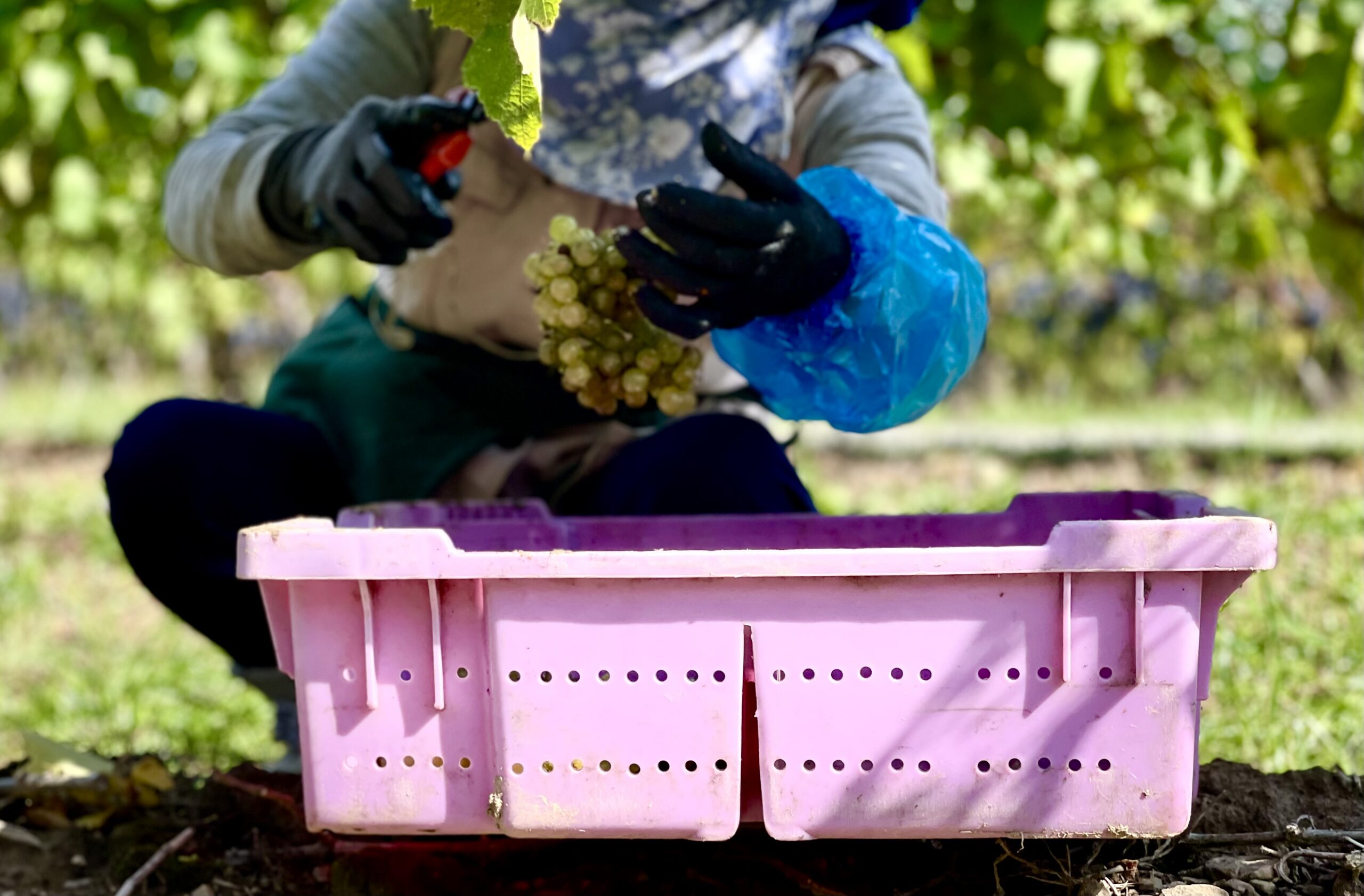
This our 15th annual harvest report, the most extensive look at the wine vintages available for Ontario wines. We thank all our contributors for their time, analysis and well thought out conclusions. The report is not possible without you.
Note: Our annual Vintage Chart with 2025 added and new drinking windows for vintages dating back to 1988 in Ontario is coming up soon on Wines in Niagara.
After a cool start to the 2025 season, a hot, dry summer and timely rain balanced the harvest and paved the way for what many felt was going to be an excellent season for grapes. The 2025 harvest began on Sept. 3, five days later than the 2024 harvest.
Henry of Pelham, always one of the first Niagara wineries to begin the harvest, was predicting a “promising vintage” from the very beginning. “We had a cooler than usual spring followed by a very hot and dry summer which is perfect for grape vines,” said Matthew Speck, senior vice president of for the Short Hills Bench winery. “The early fall has turned to cool nights and warm, dry days which is ideal for ripening the fruit while retaining the bright fresh fruit characters that Niagara is famous for. We expect the crop size to be fairly typical in quantity with amazing potential.”
It wasn’t a perfect recipe for the kind of worry-free vintage that 2020 provided, but by the time harvest rolled around, winemakers began to feel confident of an excellent year for both red and white grapes across the board in 2025, with concentration of fruit and plenty of zippy acidity for freshness.
Ontario Grape Growers CEO Debbie Zimmerman to told Wines that “despite reduced yields, the long, sunny days, limited rainfall and cool nights in the fall produced an exceptional vintage of clean fruit with notable concentration and balanced acidity, once again demonstrating the resilience and quality of locally grown Ontario grapes. 2025 will be an exceptional vintage.”
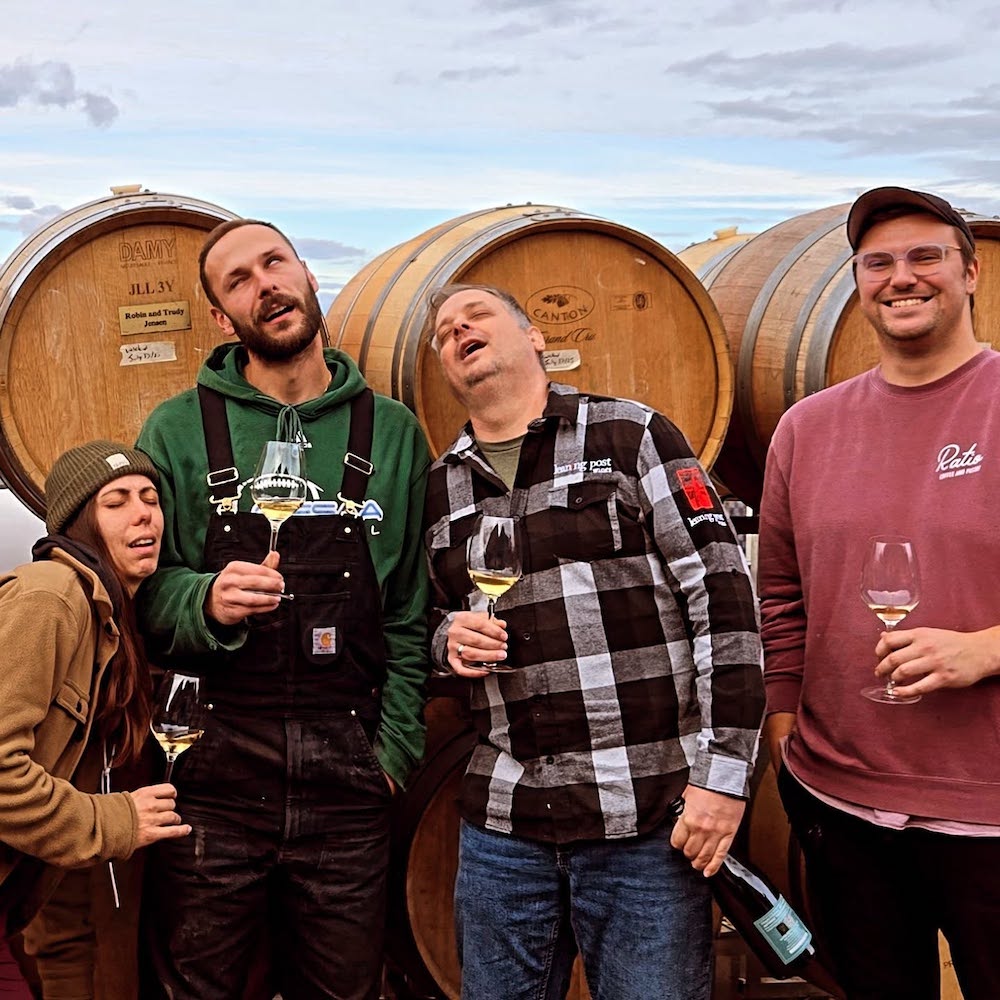
VQA Ontario (the Ontario Wine Appellation Authority) declared that “while yields across all three designated viticultural areas were slightly lower than expected across several varieties, quality is reportedly quite high. Both red and white wines from this vintage will show concentration of flavour while maintaining Ontario’s hallmark acidity.”
Assistant Creekside winemaker Yvonne Irvine said of the harvest in Niagara: “One of the more interesting things is we went from 2024 with an over-abundance of grapes and some vineyards left unsold, to 2025 with much competition to lock in fruit and in a lot of cases, not getting as much as you needed. There was a dramatically higher demand perhaps from consumers choosing Canadian products more than they had in the past, which is something I hope we continue to grow.”
Peninsula Ridge winemaker Sean Palmer called the 2025 vintage “a beautiful display of what confidence looks like when the vineyards and Mother Nature come together in harmony and quality.”
Vineland Estate winemaker Brian Schmidt put a geopolitical spin on the 2025 vintage. “The most important feature of 2025 was not the quality of the wine we will make — it was the changes in how and where that wine can be sold in Ontario. The tectonic plates were shifting beneath us, rearranging our retail landscape in real time,” he said.

The provincial government made selling wine in convenience stores, grocery stores, Costco, the LCBO, and a winery’s own onsite retail stores more advantageous, he said. “Fold into this mix the opportunity presented to us by products from the U.S. being removed from store shelves. This shift provided new opportunities for Ontario grape growers and winemakers. We had been given a gift. More Ontario VQA wine would be made and enjoyed. Historically we lived with the threat that surplus grapes grown in Ontario would not find a home. That concern was gone. Wineries were now asking for more grapes to meet the demand for VQA wine.”
In Part I of our detailed harvest report, winemakers, growers and winery owners from east to west of the canal in Niagara share their thoughts on the growing season and what to expect from the wines once they begin to show up on store shelves this spring and a year or two down the road for the bigger red wines. Here’s is what they said, in their own words, beginning with the Niagara Peninsula.
The Niagara Peninsula
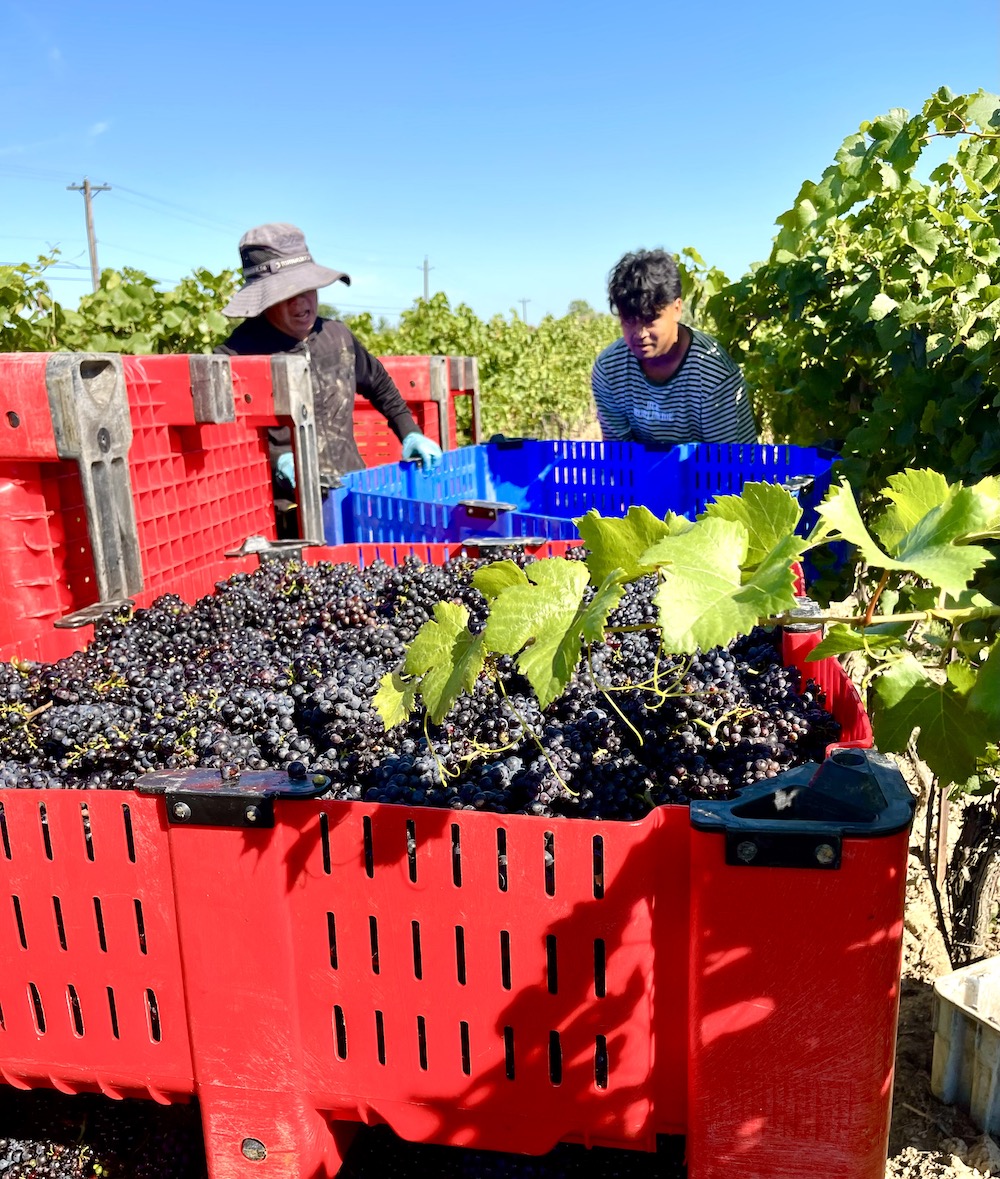
“After a year of weather plot twists,” VQA concluded in its final assessment of the 2025 vintage in Niagara, “from fake spring to a stubborn summer heat wave, Ontario growers still brought in fruit with incredible flavour and balance. Early signs point to a vintage with the depth and energy we saw in 2022, 2023 and 2024, setting up 2025 to be another standout year for Ontario wine.”
Here’s what winemakers and growers had to say in their own words.

Ann Sperling, consulting winemaker
and viticulturist, Lailey Winery
and Stonebridge Winery, Niagara
River and Four Mile Creek
Nothing to report re: 2025 Niagara harvest. No rot. No breakdown. Nothing to remove from the sorting table. No picking on less desirable dates due to rain events. No bad or sluggish ferments. No acid adjustments … no chemistry tweaks. No excuses.
Following the wines from fermentation to malolactic and now aging in barrels, at Stonebridge (Four Mile Creek) we’re projecting this harvest to be better than 2020. Vines are more mature and established so even though it was a very dry season, the vines were not stressed. Fruit development and maturity evolved with balance and structure, so the resulting wines have substance and are harmonious, even at this young stage.
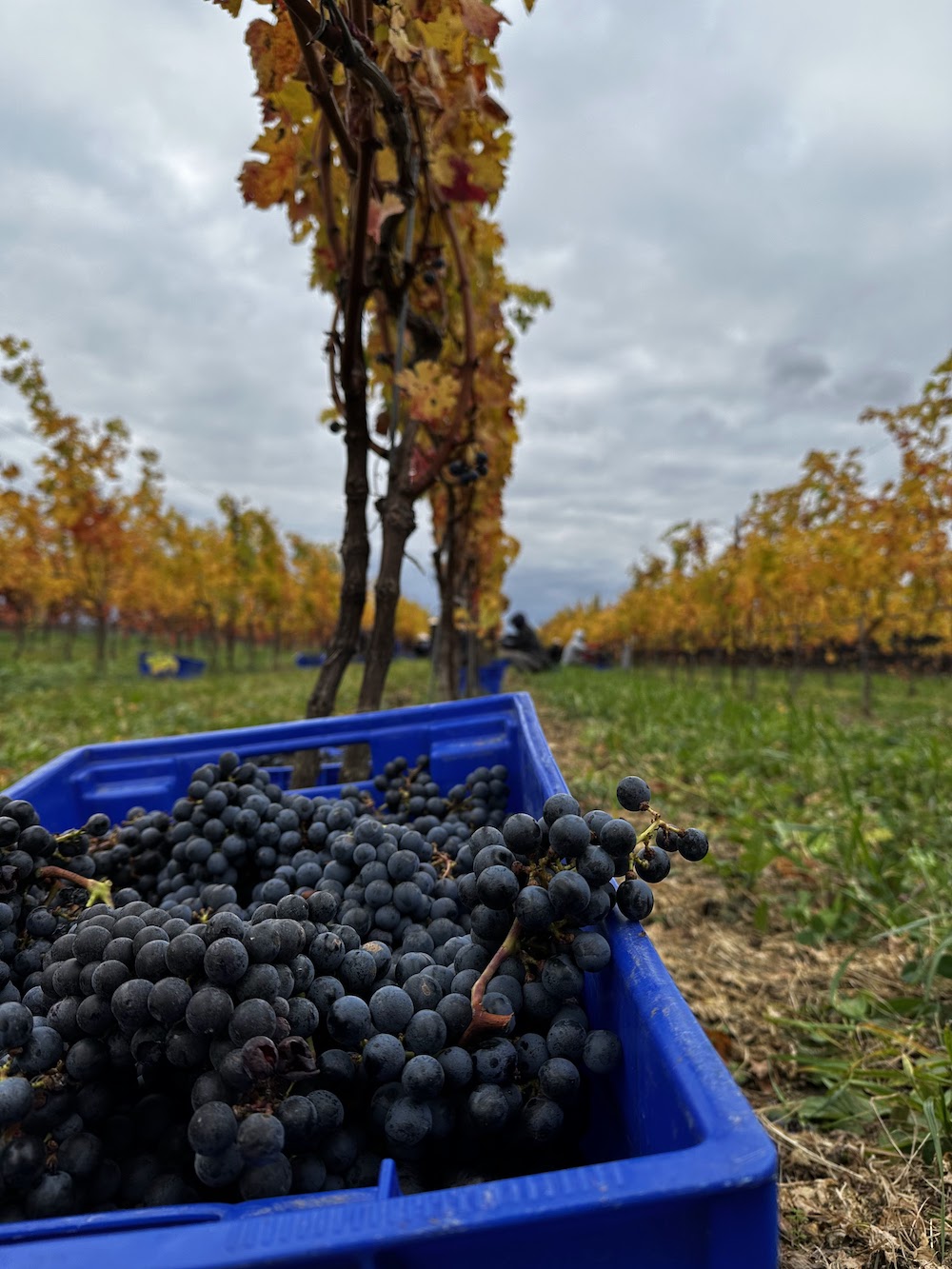
New plantings (third leaf) at Lailey (Niagara River Parkway), cropped for the first time, including very expressive and fresh, Sauvignon Blanc harvested in September as well as Cabernet Sauvignon harvested from two clones — 169 and 336 in late October. Fermented under various methods, we have a range of profiles to feed our palette for future blending complexity.

Cory Mio, vineyard owner and brand
owner of Sempre Mio, Lincoln-Lakeshore
2025 was another year of new normals and polarity. We experienced intense flooding the night of April 3, and our creek breached the banks, flooded our basements and vineyard, and also washed the driveway away.
Parts of king street along the Bench eroded along the drainage ditch. But all the early moisture would come to sustain the vineyard in the months to come, I think.
2023 and 2024 had epic rainfall in August and July those years, and 2025 had epic drought. There were 10-12 weeks of zero rainfall in the heart of the summer, humidity was historically low, and there was an extended dry harvest period also.
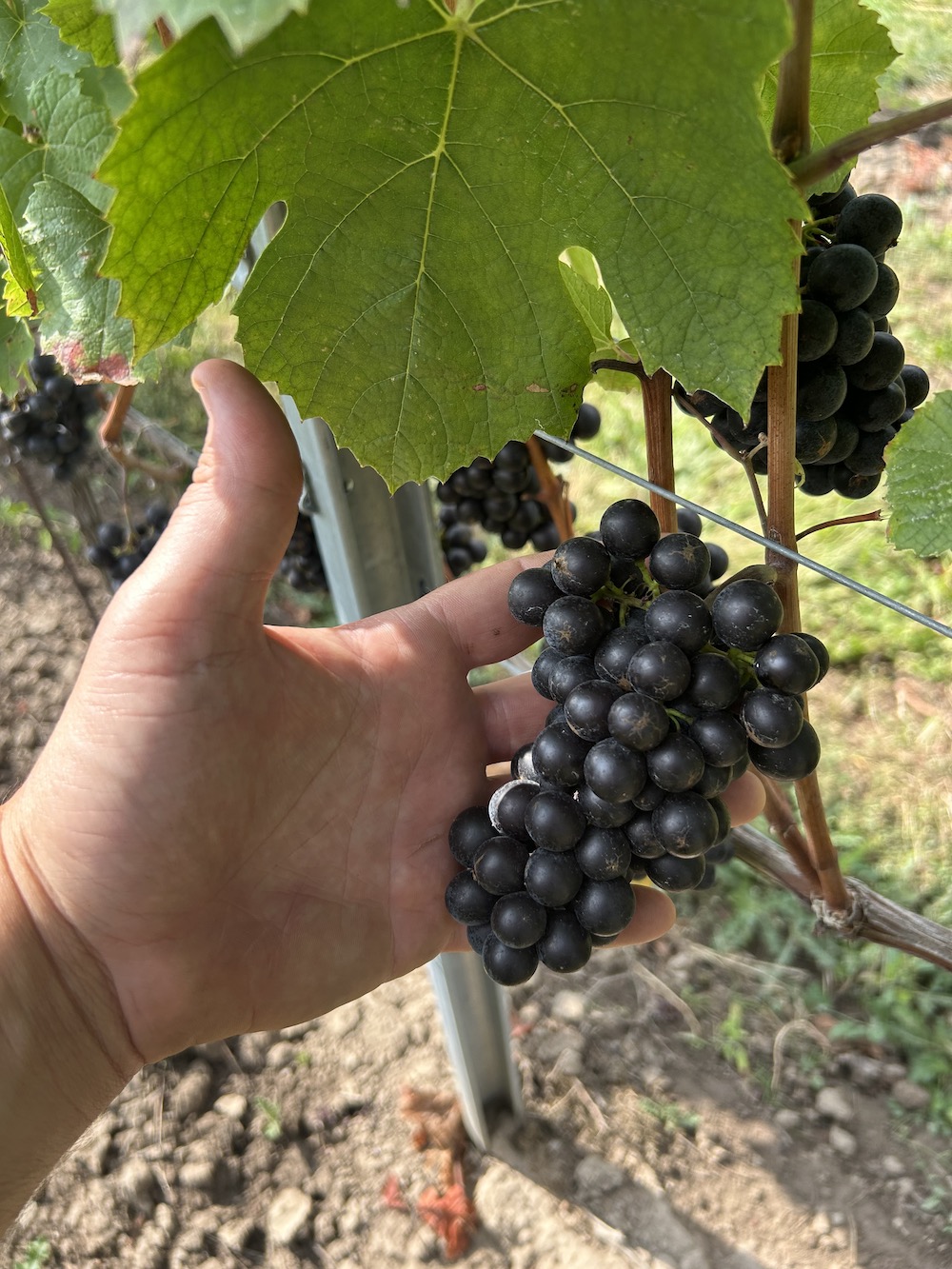
Tiny berries, tremendous flavour concentration, little to no disease pressure, though crop yields were variable across varieties and clones here. Anecdotally, I think our vines planted on 101-14 rootstock Vs 3309 suffered more from the drought across different grape varieties. I noticed drought stress and crispy leaves in the blocks and rows planted to that rootstock, none on the others. We dry farm and do not irrigate here.
It was like a Tuscan or California summer and fall. Perhaps comparable weather wise to 2016, though I think the wines will eventually be more in the vein of 2012 or 2020, in my opinion, as I have found that the wines thus far are not lacking in acidity or structure and believe will have extended longevity.
With that in mind, I think what most excites me from our vineyard are those varieties and clones adapted to be grown in places with climates that resemble what we experienced in 2025. Despite the intense heat and drought, the baby Albariño vines fared very well and grew happily in their new home!
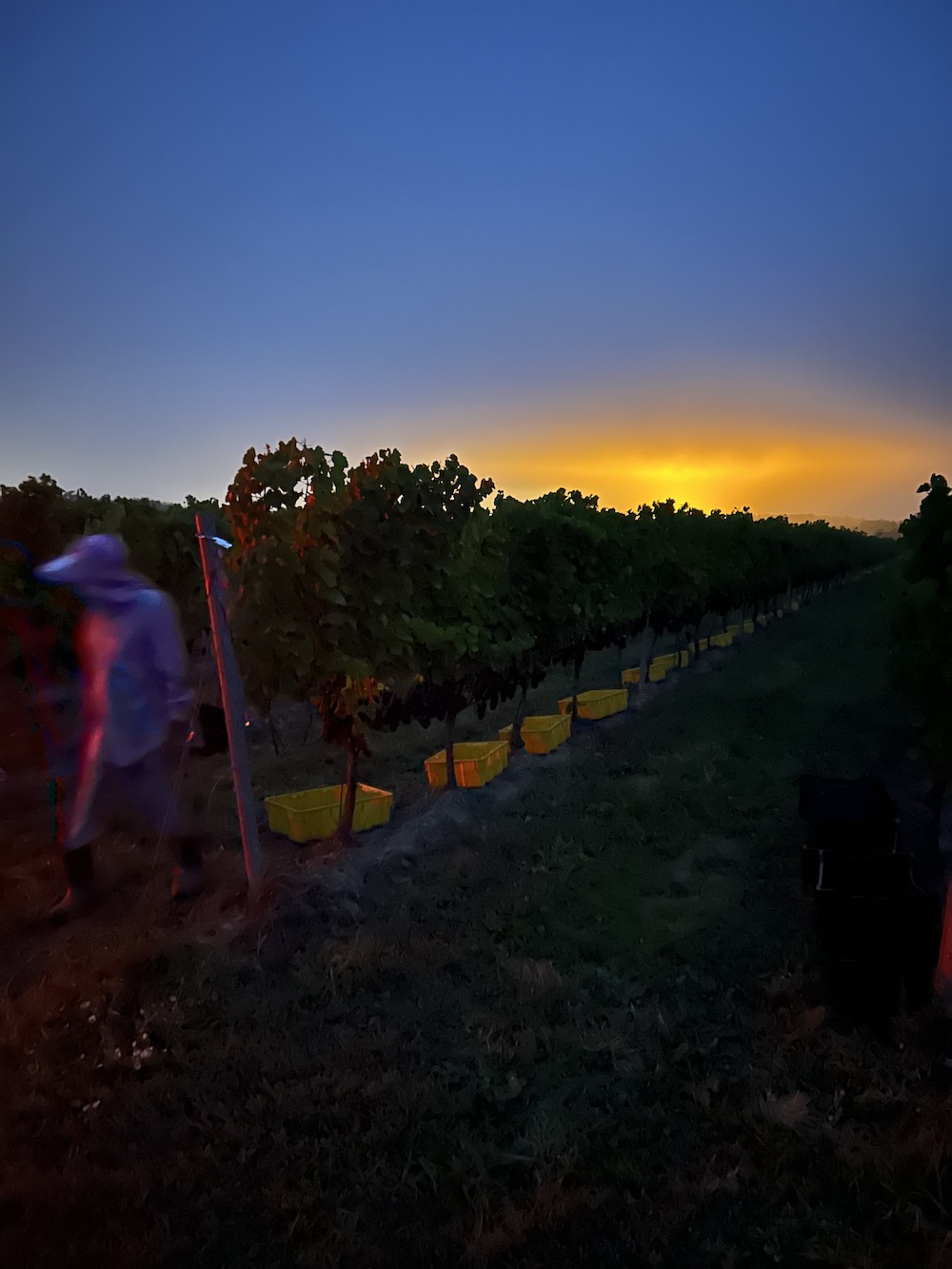
Our Hyde Wente Chardonnay clone from California was arguably the most interesting tasting block this year and will be the dominant clone comprising our future 2025 Sempre Mio Chard. The rest of the block was shared with Westcott, and I think Casey (Kulczyk, winemaker) felt similarly.
We made a Cabernet Sauvignon for Sempre Mio too and shared some of the fruit with Derek Barnett and Ilya (for The Good Earth). We wrapped up our harvest and picked beautiful, ripe Cab Sauv on Oct. 25 at over 25 brix. Couldn’t ask for anything more in a Niagara harvest frankly if that happens.
Lena (Cory’s wife) and I are so stoked for this Cabernet. I think it will subvert a lot of expectations as to what is possible with that grape here, and I hope ours changes some minds. It’s massive, in the best way- but also distinctly cooler climate. It’s delicious already, and I think could go toe to toe with the best of B.C. Cabs, in my opinion.
Honestly, it was an epic year — the best I’ve experienced in a growing season. It’s the kind of rare year where everyone wins — the disease pressure was so low, there was significant cost savings on the growing side. Yields were also relatively consistent aside from Cabernets.
The quality was excellent, so the winemakers were really pleased, and because harvest was dry, the logistics allowed for patient picking decisions and less processing urgency. And ultimately, I think the wines, especially entry level, will punch well above their price point as they are released, and consumers will hopefully feel like they’re getting a lot more wine for their buck. 2025 is an all-timer. Book it.
Emma Garner, senior winemaker
at Andrew Peller Limited,
several sub-appellations
May was one of the coldest that we have experienced in the past 50 years (I remember wearing two pairs of pants to my son’s baseball games and drinking lots of hot beverages, lol) which had the season off to a slower start – roughly two weeks behind our average ripening schedule.
June and July were fortunately very lovely, and we managed to almost catch up to our average ripening timeline. Then along came August – extremely hot and (perhaps even more impactful to grape ripening) extremely dry.
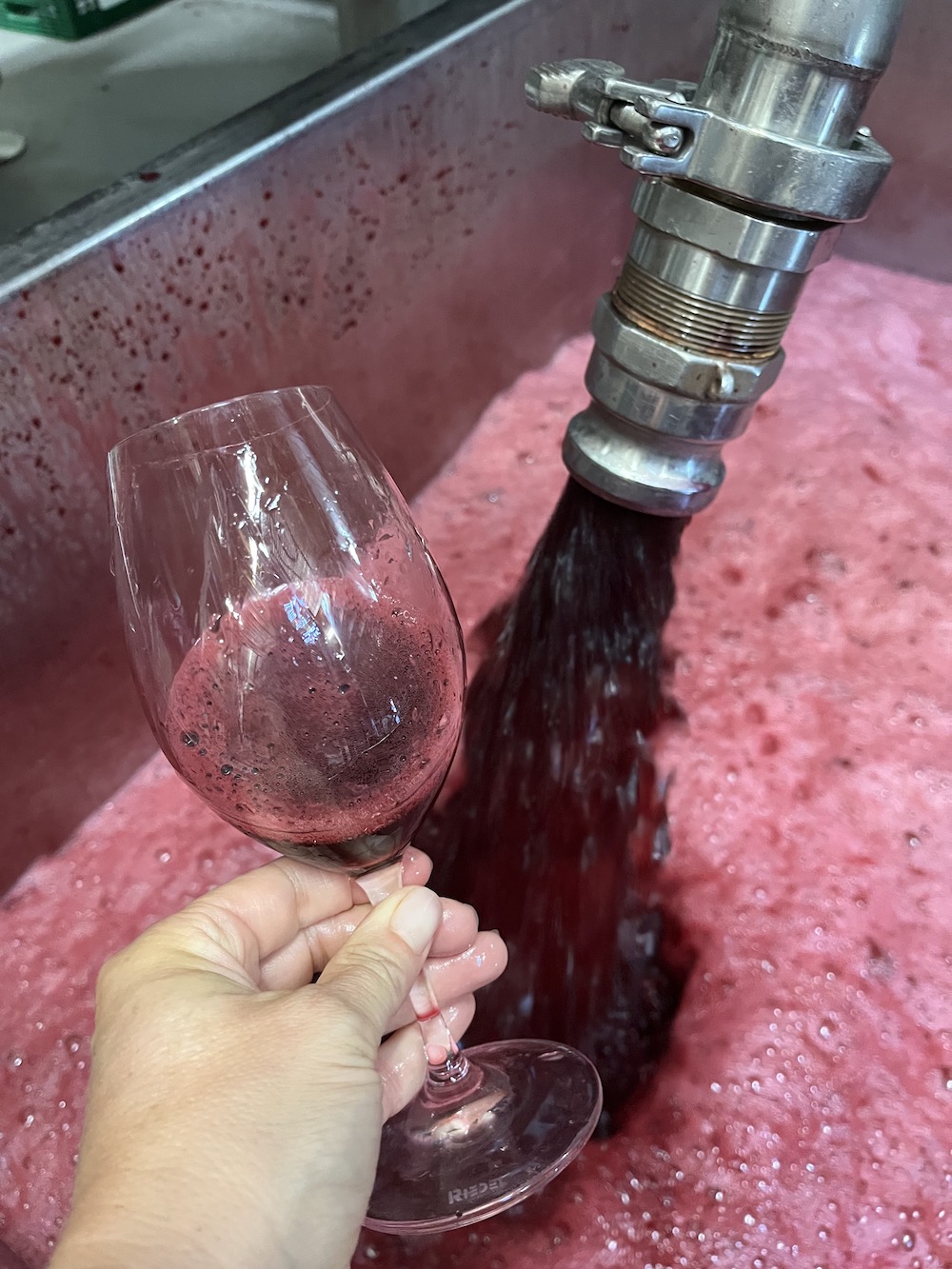
In vineyards where grapevines did not have established root systems, irrigation was required just to ensure that the vines survived. Fortunately, we got a bit of rain at the end of the month/early September, and we were off to the races. We began by picking Pinot Noir for (sparkling wines) after Labour Day and continued straight through to mid-November.
The warm, temperate, and dry fall was a godsend and allowed beautiful maturation (i.e. slow and steady, not too hot or wet) to occur. As a result, we were able to create wines with distinctive character, balanced acidity and intense flavours. We have yet to finish all of our blending sessions (Bordeaux varieties were next in line), but so far, I am very happy with the wines we produced this year.
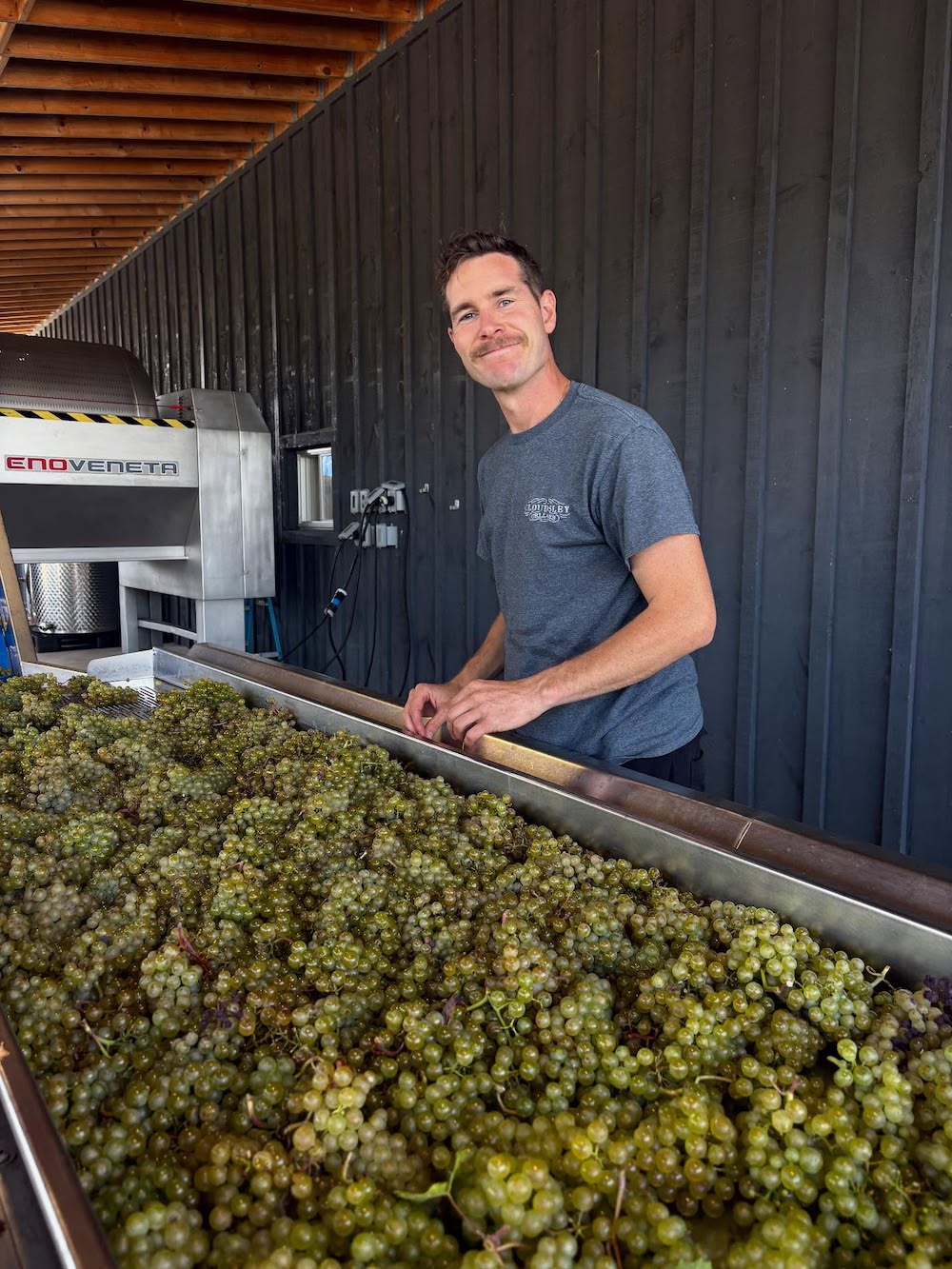
Matt Smith, winemaker, Cloudsley
Cellars, Twenty Mile Bench
This was a very hot and dry vintage as we can all remember. The vintage had very little mildew issues in the vineyard because of the drought conditions we had.
Drought was the challenge. Certain varieties and/or soils handled stress better than others. On the Twenty Mile Bench, we had some sites with deeper soils and older vines that handled the conditions relatively well. The deeper-rooted older vines really benefited from this, being able to pull moisture from deeper down.
Some of the younger vines and shallower roots really did struggle. The canopy was shallow, fruit was very light, in some cases we cut out most of the fruit so that the vine could simply survive.
Pinot Noir seemed to handle the drought better in the sense of crop than Chardonnay. The Pinot ripened slower, possibly because the vines shut down for a period because of the heat. While Chardonnay didn’t seem to shut down, the crop was significantly lower than Pinot Noir. We were 30% or more down in Chardonnay compared to our averages, whereas Pinot was about average. It was very interesting to see.

When we picked both Pinot Noir and Chardonnay, our numbers were very classic for sugars and acids. The quality was there, which was great to see. Our pick dates were average or even later than average in some cases which was puzzling in some respects because of the growing season we had.
It was an early start to the growing season and hot throughout. This would typically signal an early harvest, but not for our Bench Chards and Pinots. Whereas for Cabs and others it was. We had a long growing season with stress, and I think this in some ways benefitted some sites with deep water but not sites with shallow soils.
Overall, the vintage showed relatively well considering the stressful conditions. I’m thinking the Chards are showing nice concentration but also really nice elegance, similar to our 2022 Chards. The Pinot Noirs are showing similarly to our 2020s, which had really nice weight and also freshness. I’m looking forward to these wines.
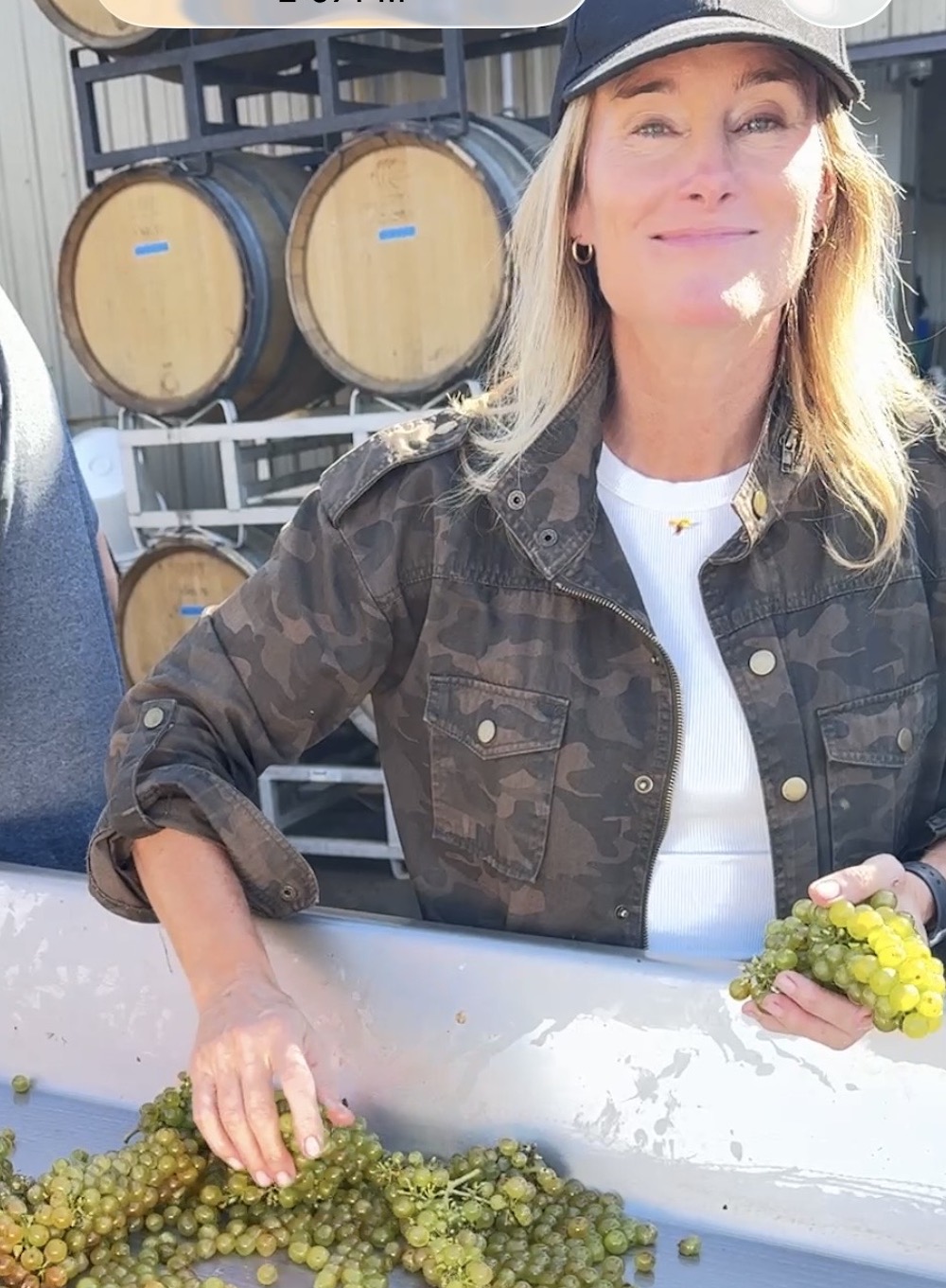
Kelly Mason, winemaker, Domaine
Queylus, Lincoln Lakeshore
The 2025 growing season will likely be remembered for one thing: heat. An unbelievable amount of it.
Early in the summer I remember stressing about leaf removal. Normally we’re looking for airflow through the canopy, but this year sunburn was a real concern — for both grapes and the humans working with them. The first week of the heat wave arrived … and simply never left. By mid-summer I was convinced we might be harvesting in August. Instead, the vines responded by slowing ripening — a bit of self-preservation.
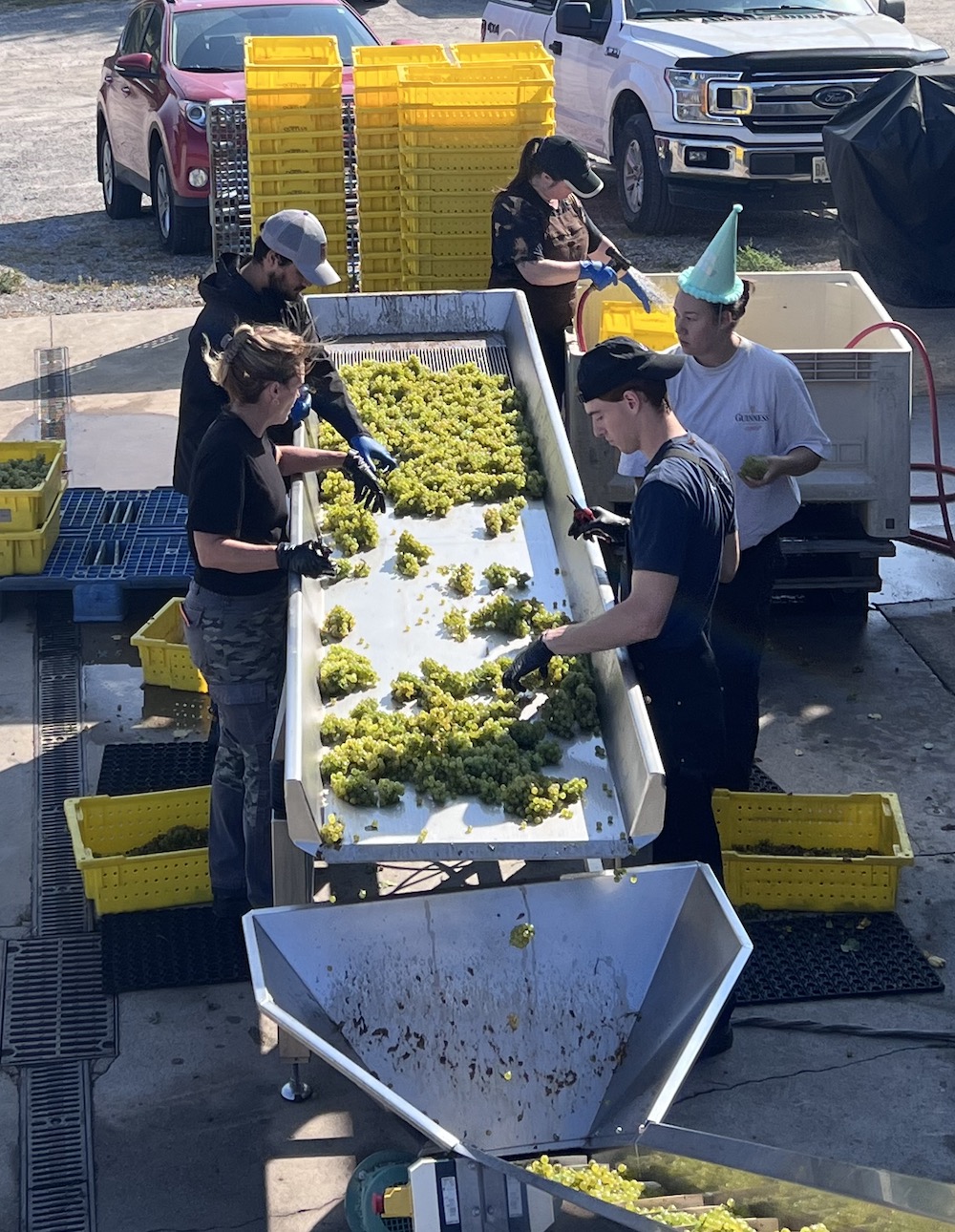
Chardonnay was picked on Sept. 20, so in the end, not particularly early after all. What followed was about 10 days of harvest Groundhog Day: fill the press, empty the press, clean the press … repeat.
By the first week of October, the Pinot blocks were ready. Normally we get a breather between Pinot Noir and the Bordeaux varieties — a chance to clean a few things, drink some coffee, and remember what sleep feels like. Not this year. Mother Nature had other plans. Multiple fermentations were running at once and the team was moving at full harvest speed. For context, we usually pick Merlot around Halloween and Cabernet Franc between Nov. 5 and 8. In 2025, everything was in by Oct. 14.
Our fermentation whiteboard quickly turned into the battleground for an intense game of tank Tetris — every winemaker’s favourite (and most stressful) harvest pastime. And, of course, the question everyone asks: will 2025 be better than 2020?
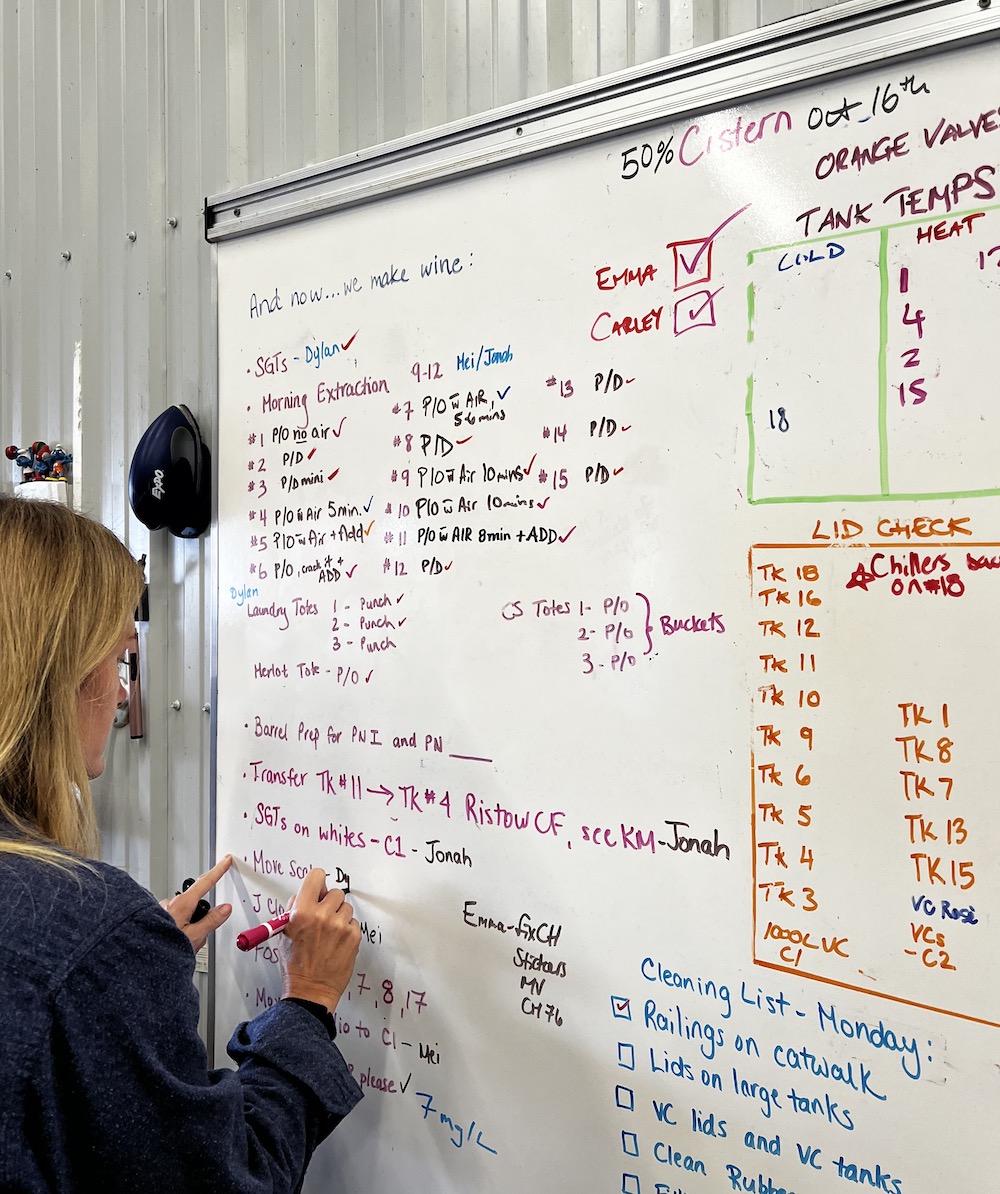
We’ll need another 14 months before making that call, but the reds looked very promising heading into barrel. If those early impressions hold, you may want to mark your calendar for 2027 and be ready to scoop up the reds from your favourite local producers.
As always, a huge thank you to the Queylus harvest team and assistant winemaker Emma Smalley, who stepped in like a champ while Brooke is on mat leave. And thanks to the pickers and grape truckers who somehow squeezed an entire harvest into a very small window — we all worked together to keep everything moving.
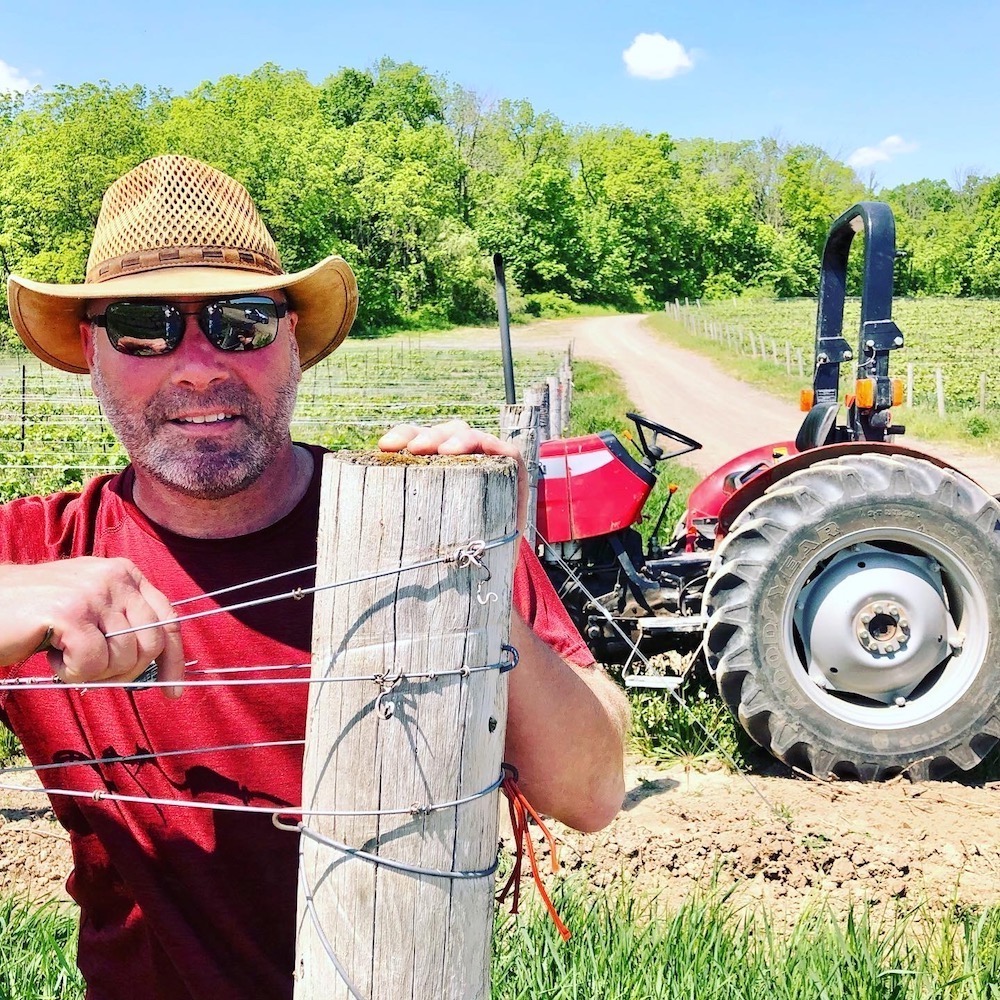
Brian Schmidt, winemaker, Vineland
Estates Winery, Twenty Mile Bench
For an Ontario winemaker that loves Riesling and Cab Franc, completing the harvesting of grapes by Oct. 30 is indeed cause for celebration.
That doesn’t mean harvest was over; we still had “winemaking duties.” For me, the angst I might have felt having grapes still hanging on the vine into November had subsided. For some of my fellow grape growers and winemakers, however, there were still thousands of tonnes of grapes across our region waiting to be picked — they just needed tank space. Let me continue …
If the 2025 vintage in Ontario were a movie, the title would have been Fast and Furious. Working backwards 45 days from our Oct. 30 completion date, on Sept. 15 Pinot Grigio was the first to come in, followed in quick succession by Gamay for a sparkling base, and Chardonnay Musqué for our unoaked Chardonnay. Then harvest came to a grinding halt on Sept. 17. The brains (PLC) of our trusty (old) press died.

There are few things more nerve-wracking for a winemaker than their press breaking down at the start of harvest. I won’t bore you with the details about what had to happen to get a new PLC sent to us before a weekend. Suffice it to say, it was a harrowing five days. On Sept. 22 our press was back up and running, and for the next 38 days our amazing harvest team worked day and night without complaint, taking advantage of the most perfect autumn weather in recent memory and bringing in the sum total of our harvest.
I feel as if I have shared this description in past “harvest reports:” quintessential would be how I would describe 2025. I could speak of the bud break on May 5. The amazing growing conditions that had vine shoot growth at times unmanageable (in the best possible way). I could speak of how dry August was and how we were all praying for rain. All of these vintage traits would lead us to the final conclusion that Vintage 2025 was, by all accounts, amazing.
But the most important feature of 2025 was not the quality of the wine we will make — it was the changes in how and where that wine can be sold in Ontario. The tectonic plates were shifting beneath us, rearranging our retail landscape in real time.
Our provincial government made selling wine in convenience stores, grocery stores, the LCBO, and a winery’s own onsite retail stores more advantageous. Fold into this mix the opportunity presented to us by products from the U.S. being removed from store shelves.
This shift provided new opportunities for Ontario grape growers and winemakers (and by extension VQA wine consumers). We had been given a gift. More Ontario VQA wine would be made and enjoyed. Historically we lived with the threat that surplus grapes grown in Ontario would not find a home. That concern was gone. Wineries were now asking for more grapes to meet the demand for VQA wine. Now back to grapes and wine …
Near the final weeks of harvest, grape growers and wineries were scrambling to find tank space for all the grapes we would use to supply this demand. Winemaking for red wine typically harvested later in the season requires winemakers to combine skins and juice in tanks to extract the colour from the skins this process step requires almost twice the tank space to make the same amount of wine as white wine going directly from press to tank.
This pressure was most intense in the month of November when autumn turns to winter and our vines begin their slow march into dormancy. Hungry birds and cold temperatures create challenges that keep growers on their toes until the last fruit is harvest from the vines.
Harvesting 18,000 acres of grapes in just 6-8 weeks would require levels of co-operation and organization we do not often experience and had not practiced for.

I am immensely grateful to all the Ontario grape growers who demonstrated patience and resilience. Together we will have harvested approximately 72,000 tonnes of grapes, or put another way, 50 million liters of wine.
For us at Vineland Estates, what did we learn during Harvest 2025? Just last week (as I write this in March) Our assistant winemaker Teo and I travelled to Europe. We enjoyed visiting old friends, we tasted amazing wine and ate far too much cheese.
We also inspected and will purchase a “new to us” grape press. The five days spent “fixing” the press and not “using” the press during a critical time in Sept. is not a struggle I wish to endure again. I suspect all Ontario Wineries will now be reassessing their capabilities and capacities to be better prepared for future vintages.
To say I love making wine in this ever-evolving, future-focused wine region is an understatement, and I look forward to many more Harvest Reports.
Thank you, Rick VanSickle, for assembling these Vintage vignettes and allowing us to share our stories. Cheers to you all.
Scott Kirby, proprietor of Kirby
Estate Wines, Niagara-Lakeshore
The 2025 harvest will be remembered as a season that required attentiveness from the very beginning. Bud break arrived in early May, following a cool and measured spring transition.
There were no measurable indications of early frost risk and allowing shoots to emerge evenly across blocks. This set the stage for a solid vintage start and the months that followed.
As the season advanced, summer brought extended periods of heat. While warmth accelerated canopy growth and fruit development, it also introduced moments of vine stress, particularly on lighter soils and younger plantings. Careful canopy management, where appropriate, ensured that stress remained controlled rather than detrimental. The goal was to preserve plant health and balance.
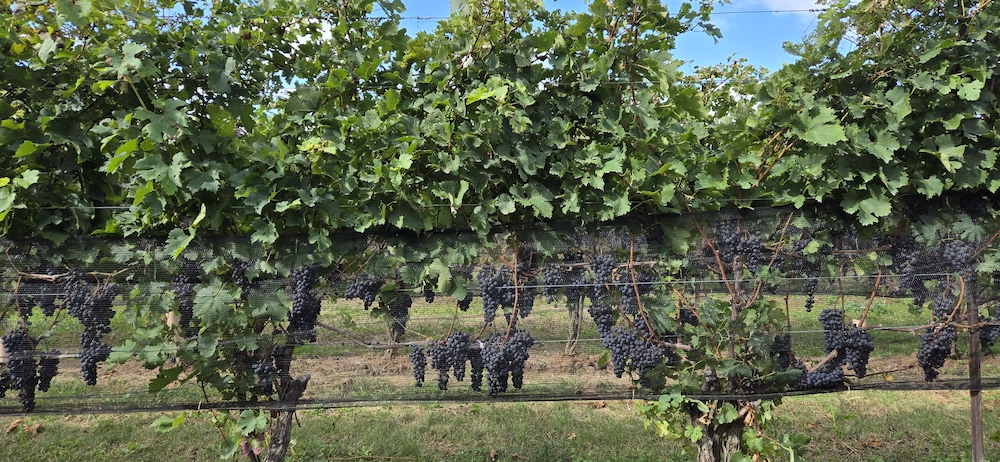
By late August and September, berries began to show promising structure. Skins thickened gradually, seeds browned evenly, and flavours achieved their phenolic peaks. Acidity levels held well despite the heat, supported by cooler nighttime intervals that preserved freshness.
The harvest window opened in the first week of October under stable autumn conditions. Moderate days and cool evenings allowed picking decisions to be made deliberately rather than reactively. Fruit was harvested through the month of October, block by block, based on taste and phenolic maturity rather than solely on numbers.
Across all varietals, sugar and phenolic ripeness aligned cleanly. Tannins were supple yet structured, and flavours were excellent with balanced acidity. The extended autumn window provided flexibility that is often the defining factor in Niagara vintages.
In the cellar, the fruit has shown balance and composure. Early ferments and barrel tastings suggest wines of elegance rather than power —structured, refined, and site-driven. If the growing season required patience, the resulting wines appear poised to reward it.

Vadim Chelekhov, winemaker, Palatine
Hills Estate Winery, Niagara Lakeshore
2025 was a very typical year for Niagara-on-the-Lake vineyards. This vintage was full of challenges — unexpected temperature swings, heavy rainfall and extreme drought throughout the summer months.
Some vineyards suffered hail damage, and some were rained on during the bloom period of certain grape varietals, resulting in uneven cluster formation. I am very glad to say that most of these events have not affected our vines at Palatine Hills Estate Winery.
Early warm temperatures in the second half of February and early March 2025 were worrisome, but thankfully, vines did not wake up too early, before possible late-spring frosts. As the warm weather settled in early May, we observed a typical bud break on May 12 for grape varietals such as Pinot Grigio, Merlot and Sauvignon Blanc. The rainy second half of May and early June created challenges for vineyard work and bloom/fruit set for our Merlot and white grape varietals.

Thankfully, our fruit set well, with a small reduction in crop (about 10%) compared to 2024. Overall, we did less fruit thinning last year, which saved on manual labour later in the season.
Harvest began as usual the last week of September with Pinot Gris, Sauvignon Blanc, Baco Noir, and Vidal Blanc grapes for sparkling base wine, marking the season’s opening. The extreme heat and drought we experienced in July and August accelerated the onset of veraison and ripening in white grape varieties on our property.
Proximity to the lake mitigated high daily temperatures. Conservative leaf removal allowed thicker canopies to cover the berries well, protecting them from sunburn. Dry and mild temperatures in September, October, and the early part of November allowed all grapes to achieve full phenolic ripeness and flavour, while preserving acidity and accumulating a good amount of sugar.
Such conditions allowed for the creation of fruit-driven, elegant, and well-balanced wines. Across the board, all varietals on our property performed very well in 2025. I would like to highlight the outstanding performance of Merlot, Pinot Gris, Riesling, and Chardonnay grapes in our vineyards, turning into delicious wines.
I predict that all Palatine Hills Estate Winery wines from 2025 will be of good to excellent quality, and some will be cellar worthy.
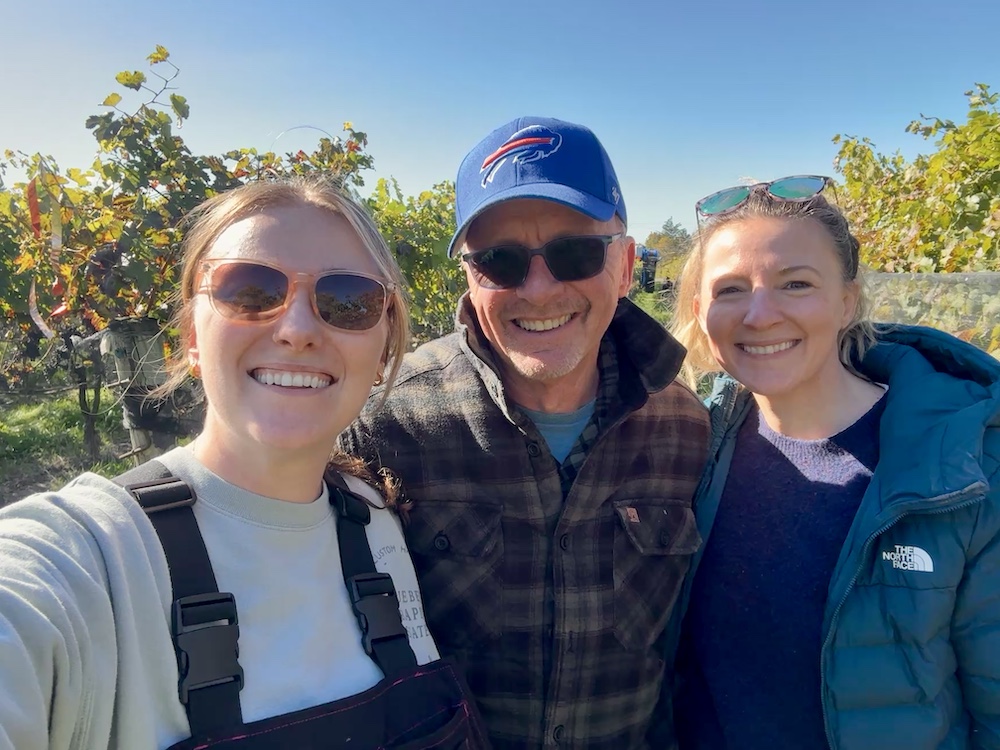
Jessica Solanki, grape grower,
Liebling Wines and Huebel Grapes
Estates, Niagara-on-the-Lake
Coming off a dry and hot summer, 2025 was an ideal vintage from a grape grower’s perspective — minus the lack of water.
We had a cool and late spring, but summer and fall’s consistent heat and lack of disease pressure really made it a standout growing season. These conditions led to quality fruit across the board, no matter what variety.
From our vineyards, fruit came in clean and concentrated. Straddling that grower and winemaking side with Liebling, it is exciting to witness that now coming into fruition in the wines being bottled and in barrel. I think we will see standouts across the board for this vintage — but in particular, I would keep an eye on the ’25 reds and aromatic whites once they’re released.
White varieties had such great intensity and varietal character, which we are seeing now, specifically in our 2025 Liebling Sauvignon Blanc that we recently bottled. The red fruit was very ripe and expressive without having to hang into December — a nice treat for growers to be done harvest earlier than usual, minus icewine.
We reached sugar levels and overall ripeness in blocks, specifically Cabernet Franc, that we haven’t seen in a long time. Overall, 2025 is a standout vintage. Nearly every variety had the chance to show what it does best without being forced by Mother Nature to be picked too early, or too late.
In my young grape-growing and wine career, 2025 already stands out as a pretty spectacular harvest — especially since every grape grown was made into wine — it made my grower heart happy after a few back-to-back hard vintages.

Grant Westcott and Carolyn Hurst
proprietors, Westcott Vineyards, Vinemount
Ridge and Butlers’ Grant Vineyard
The 2025 harvest commenced on Sept. 10 with early-picked Pinot Noir for sparkling base wines and concluded in early November with late-harvested Cabernet Franc — a harvest window of nearly eight weeks across six varieties.
Brix levels were excellent throughout, consistent with the concentration effects of the hot, dry summer, with individual lot readings ranging from 17.6 Brix (early Pinot Meunier for sparkling) to 25 Brix (late-harvested Cabernet Franc). The season reinforced the vintage narrative: lower yields but outstanding ripeness and flavour concentration.

The 2025 vintage at Westcott Winery stands as a testament to the ability of skilled viticulture and well-chosen vineyard sites to convert a challenging growing season into exceptional fruit. The defining characteristics of 2025 were:
Concentration: The hot, dry summer produced smaller berries with higher skin-to-juice ratios, elevating colour, tannin, and flavour intensity across all red varieties.
Ripeness: Weighted average of 22.4 Brix across all lots is among the highest in recent Westcott harvest records, enabling full physiological maturity for both reds and whites.
Clean fruit: Reduced summer humidity dramatically lowered disease pressure, delivering clean, healthy bunches across virtually every delivery — a significant quality advantage over more challenging seasons such as 2024.
Harvest flexibility: The warm, dry fall allowed Westcott to pick on their schedule, optimising each lot for its intended wine style — from sparkling-grade early picks to premium reserve-level late picks.
Reduced yield: Crop volumes were lower than recent vintages, consistent with the region-wide trend of smaller berry size and compressed cluster weights in drought years. Quality gains more than offset the volume reduction for a premium producer of Westcott’s positioning.
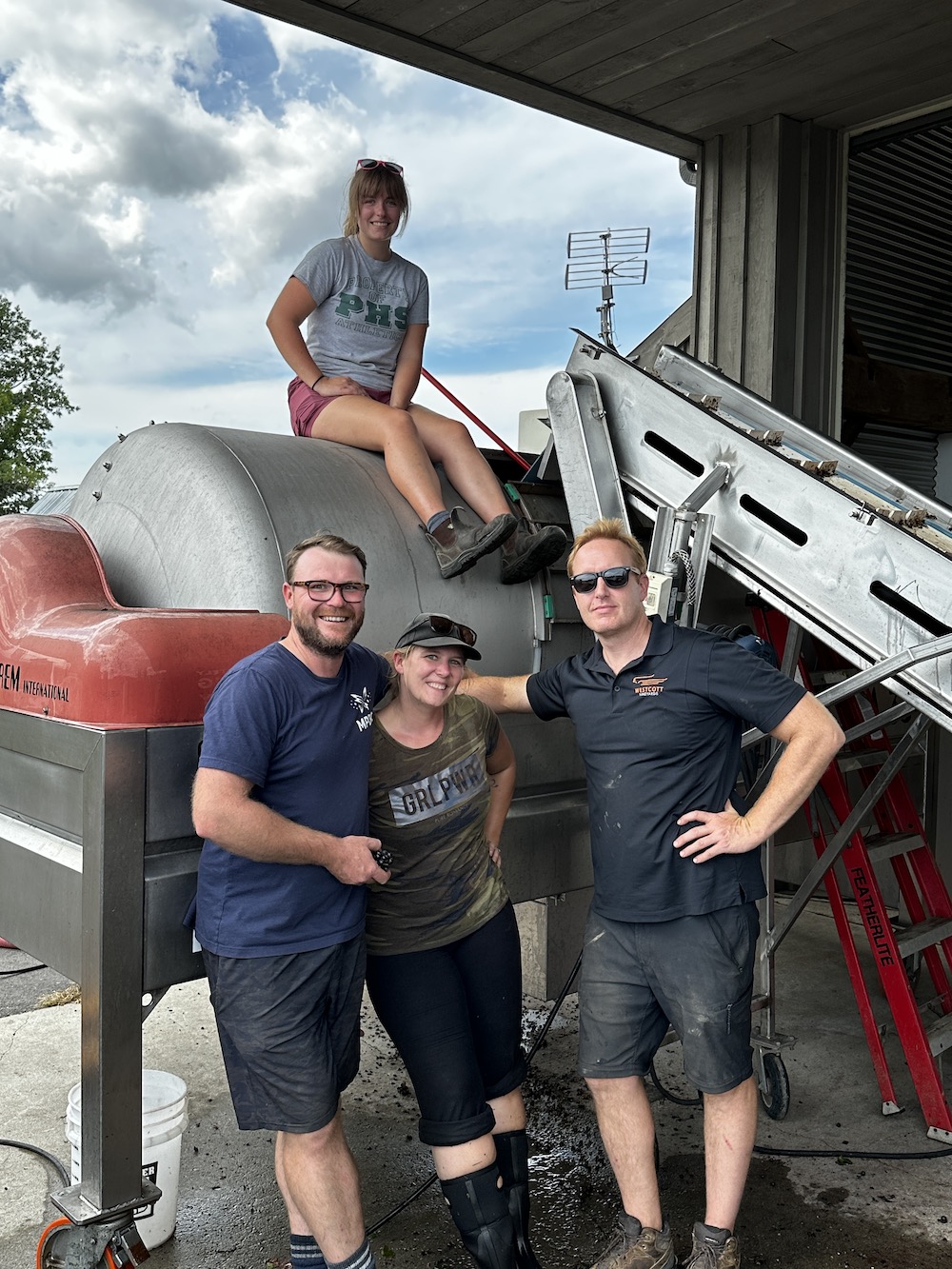
Westcott is well-positioned to produce outstanding wines across all six varieties in 2025. The Pinot Noir program — the heart of the Westcott identity — arrives with exceptional Brix across all estate lots, a full range of harvest dates for blending complexity, and the deep flavour concentration that rewards extended barrel ageing.
The Chardonnay program benefits from both earlier picked, higher-acid fruit and later-harvested, richer lots. Cabernet Franc, perhaps the most exciting story of 2025, achieved ripeness levels rarely seen in Niagara and may well produce a defining vintage for the variety.
VQA Ontario concluded that 2025 sets up as “another standout year for Ontario wine” — the quality of this vintage fully supports that conclusion.

Chris Robinson, winemaker, Kacaba
Vineyards and Winery, Twenty Mile Bench
Vintage 2025 will be remembered by anticipated hot and dry conditions, which ultimately led to a successful harvest and exceptionally high-quality fruit.
The warm winter allowed for early bud break, while the summer’s heat effectively reduced disease pressure, enabling the vines to thrive. We did experience rainfall in July, with high humidity. We opened the canopy by leaf removal and shoot positioning.
Kacaba achieved a full crop, with our red grapes exhibiting elevated anthocyanin levels that contributed to deep colour intensity and rich flavours. Late-season ripening with ideal temperatures further enhanced key varieties such as Cabernet Franc, and Cabernet Sauvignon.
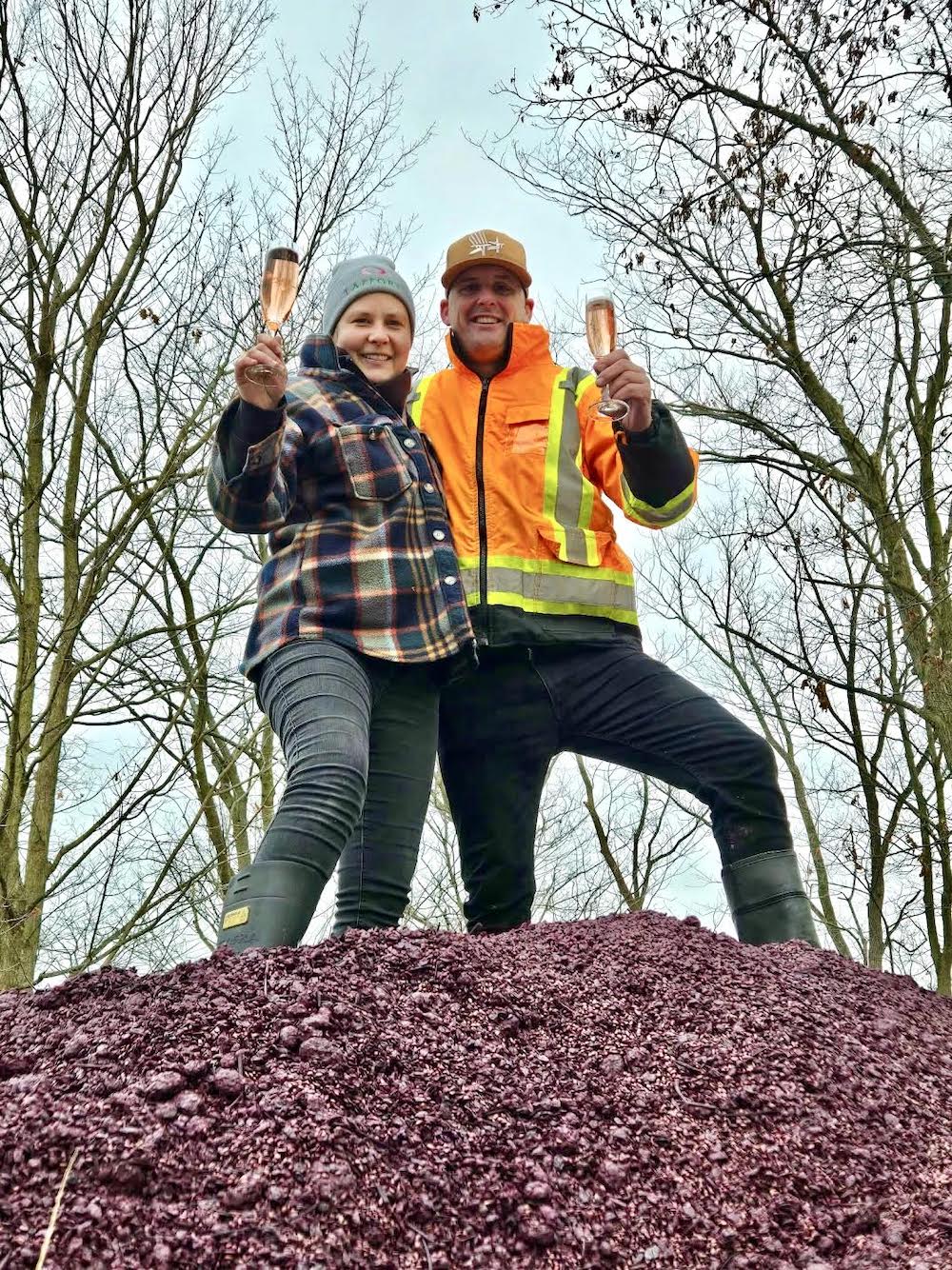
The 2025 vintage is expected to be another outstanding vintage for Kacaba Vineyards. The integration of high anthocyanin levels enhances the red wines’ aromas, complexity, and aging potential, promising a well-structured tasting experience.
The harvest emphasized all round quality, ensuring that only the best fruit was selected, reinforcing Kacaba’s commitment to excellence in winemaking. Overall, this vintage reflects the vineyard’s ability to turn anticipated challenges into opportunities for superior wine production.
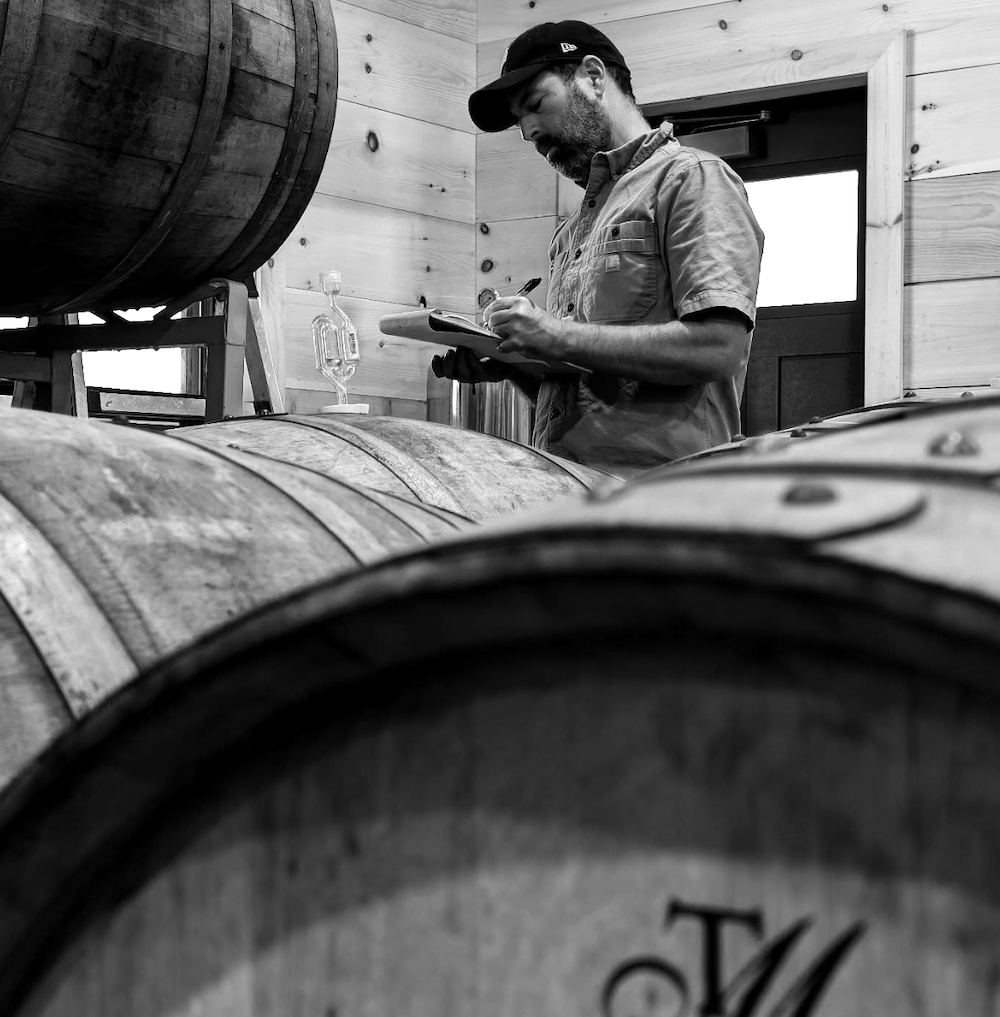
Jonathan McLean, winemaker,
Black Bank Hill, Lincoln-Lakeshore
There was very little to dislike about 2025. Despite all the snow that winter, temperatures stayed in the Goldilocks zone for most of the season. Spring was the main character in this vintage’s story, starting off slower because of the cool weather. We don’t typically mind this because it keeps budbreak at bay until the threat of a late frost has passed. Then things got interesting.
June kicked in the door and dragged summer in with it. Budbreak delivered healthy shoots, but with all the snowmelt and generous May rain, our soils were saturated, and vine growth exploded. I’ve never seen anything like it in my career, you could practically watch them grow.
Once summer really got cooking, everything dried up quickly and brought the vigour to heel. Despite the arid stretch through July and August, our unirrigated vines stayed stress-free thanks to our unique Trafalgar soils.
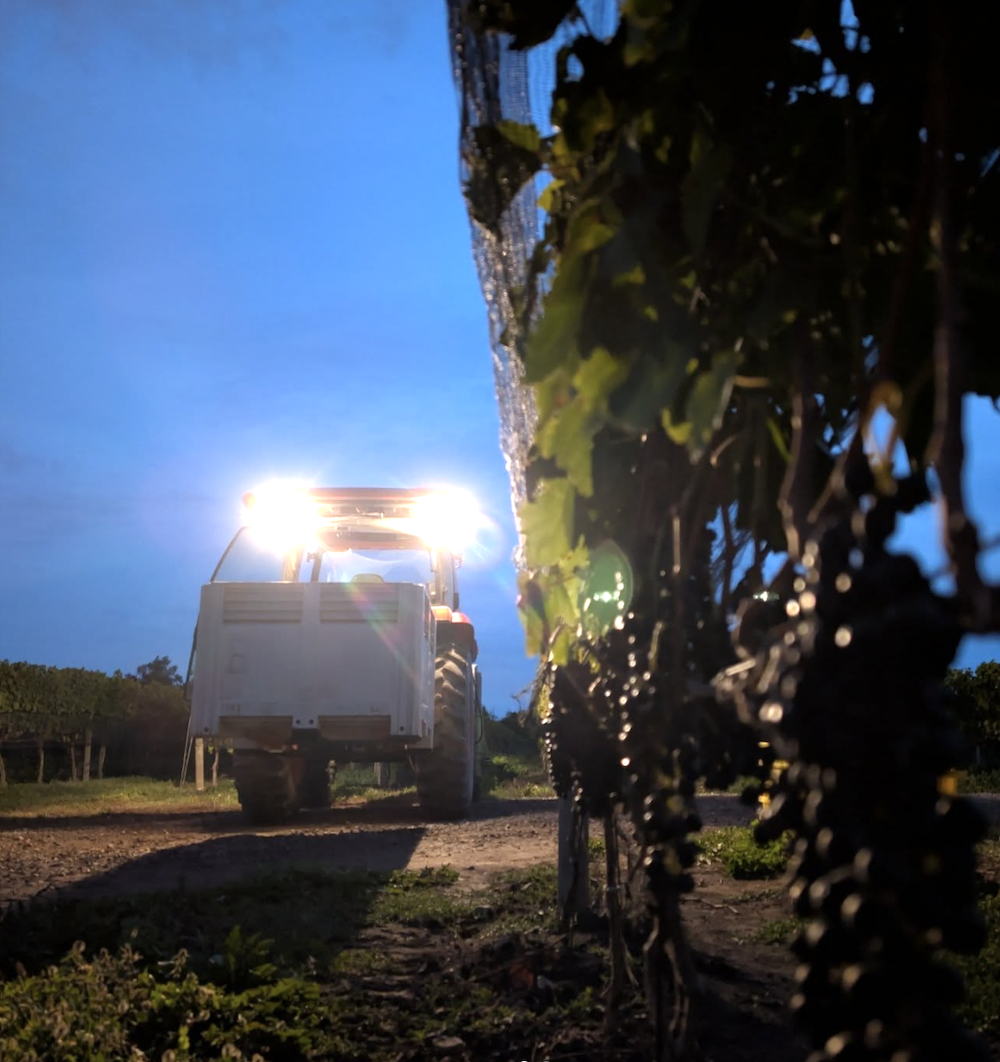
By mid-July, it was clear the vintage was compressing, making timely canopy management a challenge. At the same time, high yields meant fruit thinning required extra attention.
We rode this incredible season into harvest with high expectations but prepared for the unexpected. There was very little disease pressure, however, ladybugs were persistent slowing things down on the sorting table. Every variety arrived 8-14 days earlier than usual, with Gewurztraminer and Merlot leading the pack. Cabernet Sauvignon was last off the vine, picked October 23, our earliest date since 2020.
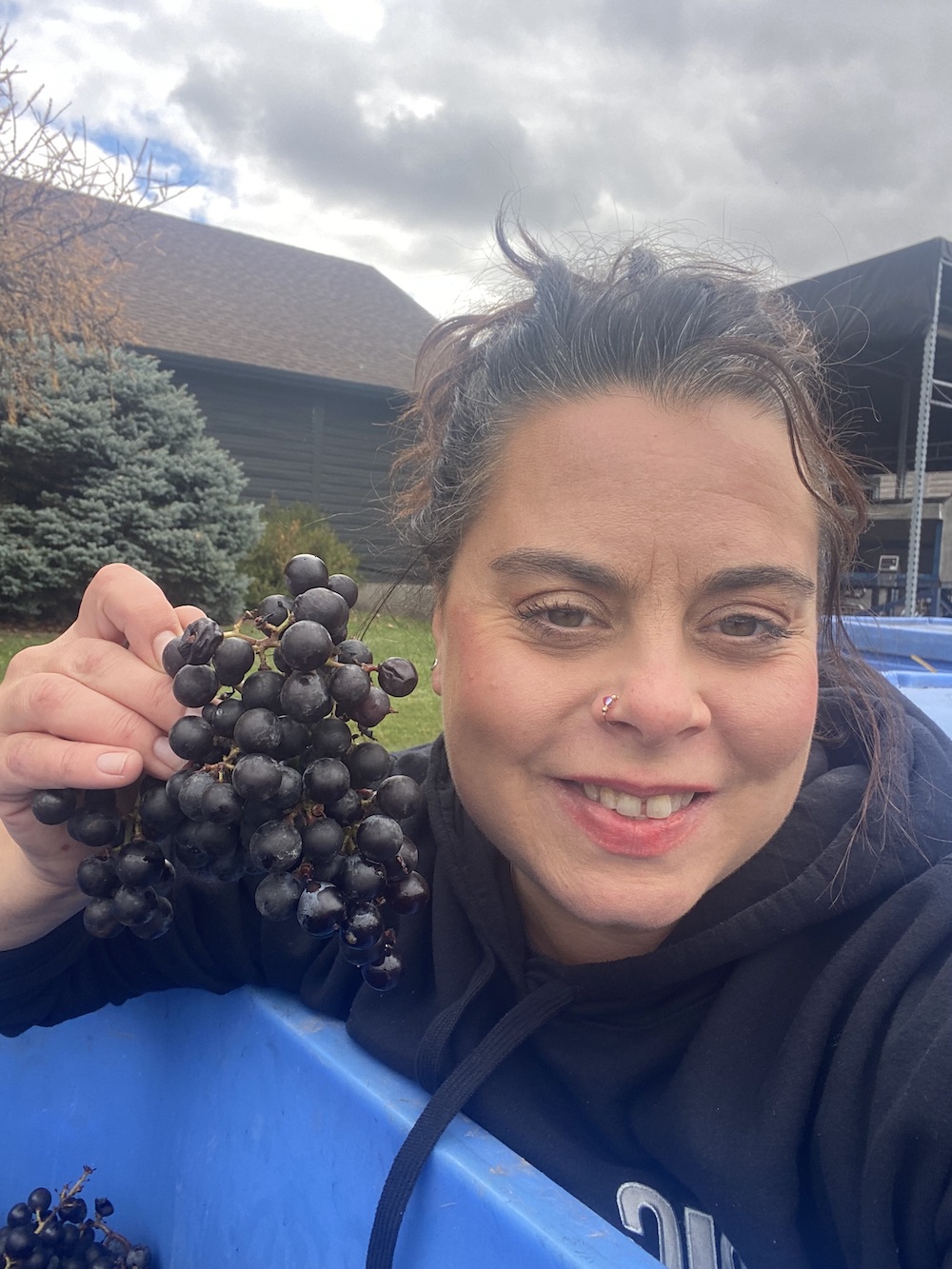
Yvonne Irvine, assistant winemaker,
Creekside Estate Winery, Creek Shores
The spring of 2025 was cooler with a more gradual introduction to the growing season.
Bud break was later than we’ve seen in recent years but if that put us behind, the summer sure sped things up with lots of heat and extreme drought conditions. With climate change, we seem to struggle with drought more often than we ever did before.
The growers that have methods in place to irrigate used them while others that don’t (like us) just prayed for some rain. The interesting thing with drought and high heat is that when it’s prolonged like that, the vines begin to shut down, only performing the very necessary tasks of staying alive and not much more.

I think we saw that in some white varieties for sure. Once September started looming and we finally saw some rain we were very watchful with the ripening process. With the heat we saw in the beginning of fall, things move quickly. Ripening is accelerated and acidity can drop dramatically in short periods of time. Sauvignon Blanc (one of our core varieties) was really hard to get a handle on this year. While we always do analysis on the grapes, we are mostly picking on flavour.
With multiple different wines made from Sauvignon Blanc, that usually results in 3-4 picks from our vineyard alone to capture all the different flavours and stages. It was really difficult to pick up the flavour of the grapes at that stage and probably because of heat and drought stress there was a lot of variation among the vines. This made for a bit of an informed guessing game.
It all worked out in the end, but it made picking decisions a little more stressful. Once harvest started (Sept. 5 for us with Pinot Noir for sparkling) it was a whirlwind vintage with many varieties being ready at once.
Riesling, for instance, was ready much earlier than usual and we were seeing higher than expected Brix levels on reds fairly early in the season. Phenolic ripeness seemed to be a bit behind the numbers, but it didn’t take long to catch up. It was a sprint more than a marathon with little to no breaks along the way.
Overall, I think we saw some very well-balanced wines despite all the heat of the summer. Some standouts for us:
Semillon: Probably the best vintage we’ve ever had with this grape. Beautiful complexity and character and just the perfect waxy texture and structure that you get from this grape.
Sauvignon Blanc: Actually, our final pick was our favourite and it’s quietly resting in barrel still. Abundant tropical fruit and ripeness while still maintaining a nice acidity to back it up.
Syrah: Lovely with big fruit character and structure, still keeping some black pepper spice.
Bordeaux varieties: Quite intense with higher tannins and alcohol as well. These were the ones you really had to watch for phenolic ripeness, though. Still looking forward to seeing how things evolve.
One of the more interesting things is we went from 2024 with an over-abundance of grapes and some vineyards left unsold, to 2025 with much competition to lock in fruit and in a lot of cases, not getting as much as you needed. There was a dramatically higher demand perhaps from consumers choosing Canadian products more than they had in the past, which is something I hope we continue to grow.
Of course, the drought conditions made berries much smaller and therefore blocks came in much lighter than expected, not helping the issue.
As with all vintages in Ontario, there is always something to celebrate, and this one was no exception. We are looking forward to watching the evolution of 2025 wines.
Winemaker Rob Power had this to add to Irvine’s report:
The only thing I would add is that, while the old “less quantity gives more quality” saw (saying) is shaky stuff, in my opinion, it does seem kind of true for 2025.
We’re seeing good ripeness and flavour concentration across the board, in both reds and whites. And it was CERTAINLY a stupidly small crop year, especially for whites. In that vein, our later pick Sauvignon Blanc, in barrel for the Sauvignon Blanc/Semillon blend, is astonishing. So is the Semillon.

Harald Thiel, vigneron/proprietor, Hidden
Bench Estate Winery, Beamsville Bench
After a mild winter with very little bud damage, the 2025 vintage began with a mild spring, with the first sign of bud break occurring on May 6.
Bud break was complete on May 18, which was about a week later than in 2024. The start of spring provided ample moisture with cooler temperatures until the end of May when the weather started to dry up. The first signs of flowering occurred around June 19, which is seasonal for us on the Beamsville Bench.
Weather from mid-June to August was very hot and extremely dry causing us to hand irrigate all young plants including replants 3-4 times. We recorded 23 days over 30 C during that period, which caused the vines to shut down (mid-season dormancy) and delayed maturation. The first signs of véraison were seen about Aug. 8 and progressed relatively slowly thereafter.

As harvest approached, September and October saw periods of good, dry weather, which meant we could push hang time for the fruit and were able to harvest when physiological ripeness, flavour, and brix were best balanced. Harvest started later than recent vintages this year with our first pick occurring Sept. 24 with grapes for sparkling and our first table wine grapes being picked on Oct. 1.
Across all varieties, our estate fruit reached exceptional levels of ripeness and concentration this year. However, cool nights during harvest (diurnal temperature shift) meant we were also able to retain freshness and acidity in the fruit as we picked. It is still too early to tell but we are quietly confident that the wines from 2025 will be very good to excellent with nice acidity and physiological ripeness.

Dean Stoyka, winemaker, Stratus
Vineyards, Niagara-on-the-Lake
The mild end to winter led to budbreak a week early, though temperatures were on the cool side and included an early April snowstorm.
May remained mild, though fortunately, frost-risk free. The rest of the year was as good as it gets! For Growing Degree Days, we recorded 1,541 which was slightly above average for our location; precipitation was slightly below average (500ml).
These statistics correlated with hallmark vintages like 2022, 2015 and 2007. The summer brought abundant sunshine, rewarding us with continued dry sunny weather from September to November. This resulted in an enjoyable harvest with little stress for the workers and high quality for the grapes.

Temps dropped nicely in mid-December, and we were first to harvest our Icewine and wrap the 2025 harvest before the holidays.
Expect great quality in Cabernet Franc, Chardonnay, Gamay, Syrah and Petit Verdot. We have been blessed with a run of great years, 2022–2025, which is perfect at a time when interest in Ontario made wine is peaking.

Vittorio De Stefano, proprietor, On Seven
Estate Winery, Niagara-on-the-Lake
The 2025 season ended-up being an ideal vintage — at least from a grape growing perspective.
Winter and spring started off well. A mild winter, and a wet spring. This combination caused the vineyard buds to bloom as expected.
The summer months were warm — but never too hot. It rained – but just enough and at the right time. Other than some de-leafing and fruit dropping, the vineyard was healthy, free of mildew and black rot pressures, and just vibrant.
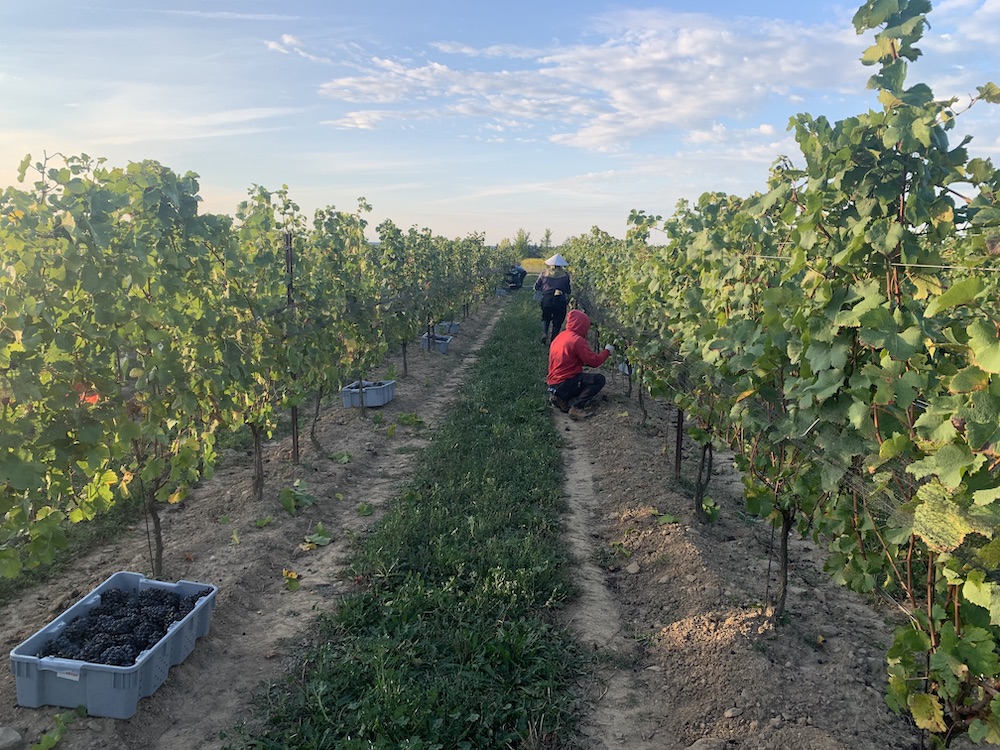
We were fortunate to be able to choose our desired harvest dates for the Chardonnay and Pinot Noir grapes – Sept. 19 and 21 respectively.
In the end, the harvest occurred under ideal conditions, crop yields within our typically low ranges, and fruit flavours for both grapes were intense with balanced levels of acidity. A great vintage. Excited to taste the wines once in bottle.

Sean Palmer, winemaker, Peninsula
Ridge Estate Winery, Beamsville Bench
2025 was all in all a beautiful display of what confidence looks like when the vineyards and Mother Nature come together in harmony and quality.
With a very cold start to the winter months and some freezing rain heading into the spring, most growers managed to make it through to spring with little or no damage.
Spring provided some daytime highs and rain but quickly started to reach above normal highs by May. Once this shift started, we were already heading into the beginning of summer, where the growing season had already long started.
As a winemaker, I couldn’t have asked for more from Mother Nature with the growing temperatures and moderating day and nighttime providing essentially what we needed.
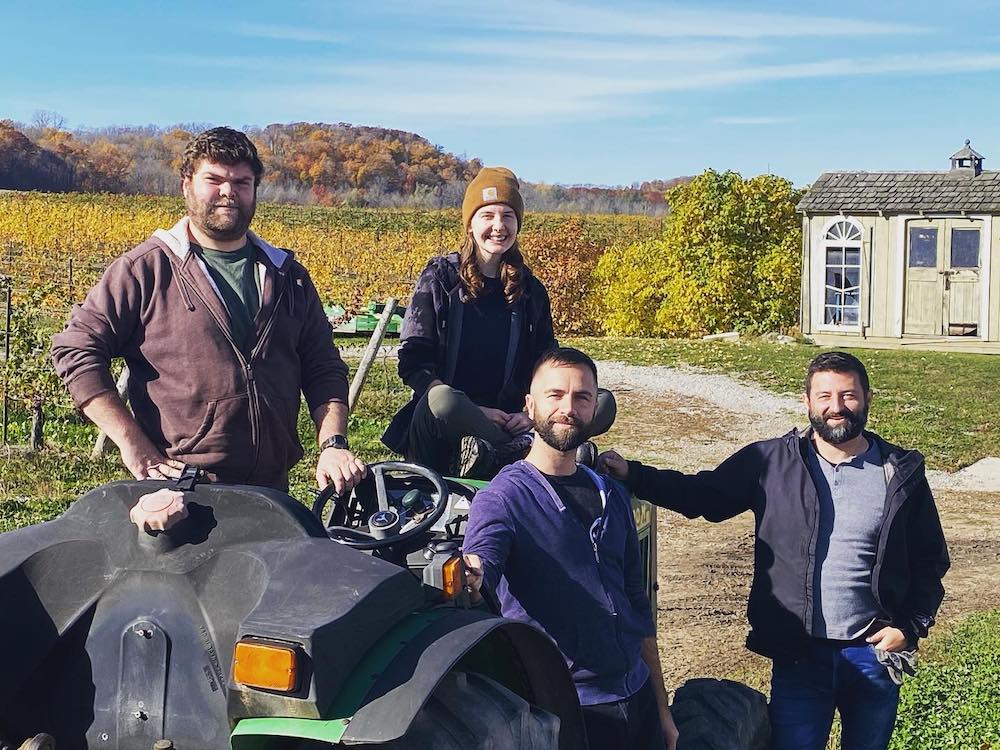
Once September hit, we quickly shifted to much cooler temperatures yet added consistency in weather and provided exactly what the grapes need to enter harvest. Sugars were slow to start for some varieties but caught up quickly to provide the balance and quality winemakers needed.
Harvest went successfully and quality was very much there for 2025. However, there was not much of a break for some winemakers as icewine temperatures were quickly dropping and for the first time in a while some of us were picking icewine early to mid-December.
With few breaks between whites and reds and with icewine so early, harvest 2025 was a condensed one, yet in my eyes, 2025 provided an exciting year and one to be proud of. I look forward to trying great wines for this vintage here in Niagara … Good luck to all the great Ontario winemakers out there.

Elisa Mazzi, winemaker,
Malivoire, Beamsville Bench
2025 – What a Harvest! (Although I feel like I say that every year …)
The season began with an incredibly dry summer. Week after week went by with almost no rain. At first, I was convinced we were heading toward a very early harvest, but the vines had other plans.
They seemed to respond to the stress by slowing everything down. Ripening took its time, and the sugars didn’t climb as quickly as we expected.
Despite that, the fruit came in beautifully balanced. The numbers weren’t dramatic, but they were steady and promising. Yields were a little lower than we hoped, which wasn’t surprising considering how little water the vines had to work with. The clusters were smaller and lighter, but often that concentration can bring great things.
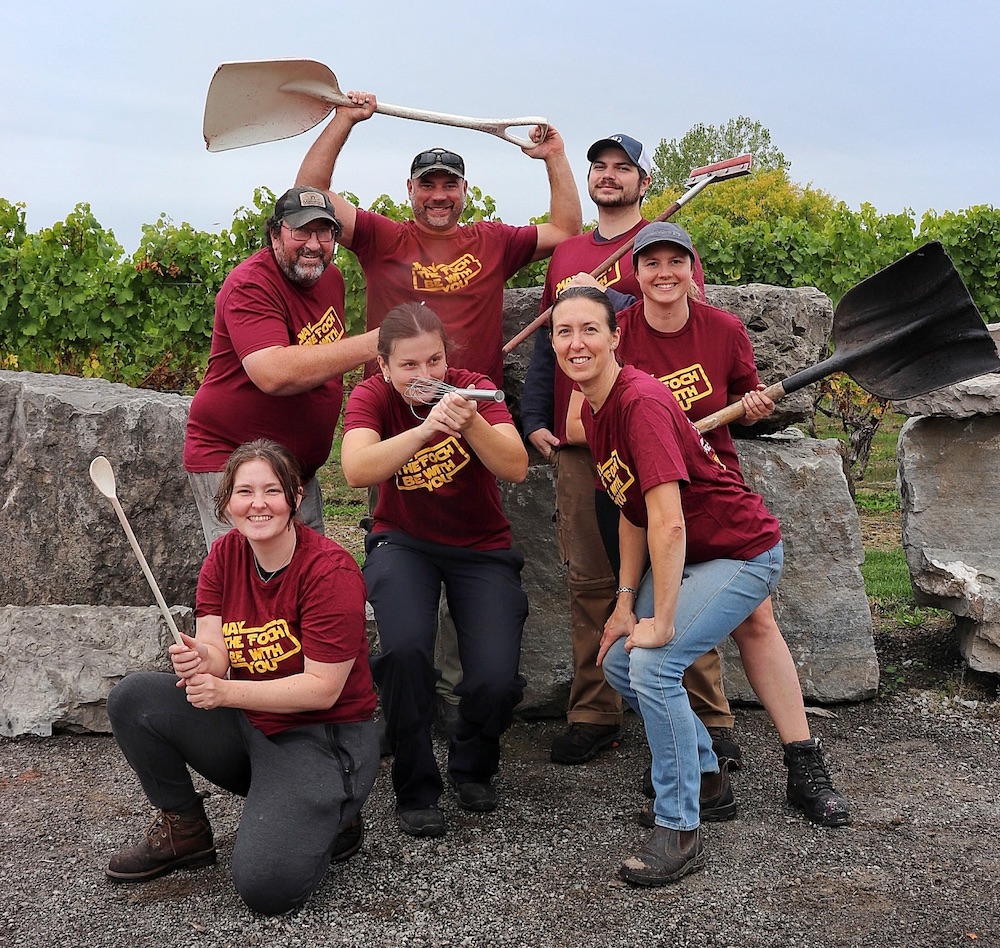
One of the most interesting parts of this harvest was the timing between varieties. Some ripened earlier than expected, while others seemed to take their time. Every day felt like a bit of a puzzle, watching the vineyards and trying to decide what needed to come in next.
And, of course, Gamay was once again the star of the show. It rarely disappoints, and this year was no exception — beautiful fruit, great balance, and lots of excitement for what it will become in the cellar.
September brought a stretch of heat that kept us on our toes. Warm harvest days can make things tricky, especially when working with fruit destined for rosé. Ideally, we want to press those grapes cool to preserve their freshness and aromatics — but when temperatures are pushing 30 C, sometimes you just work with what the day gives you and move quickly.
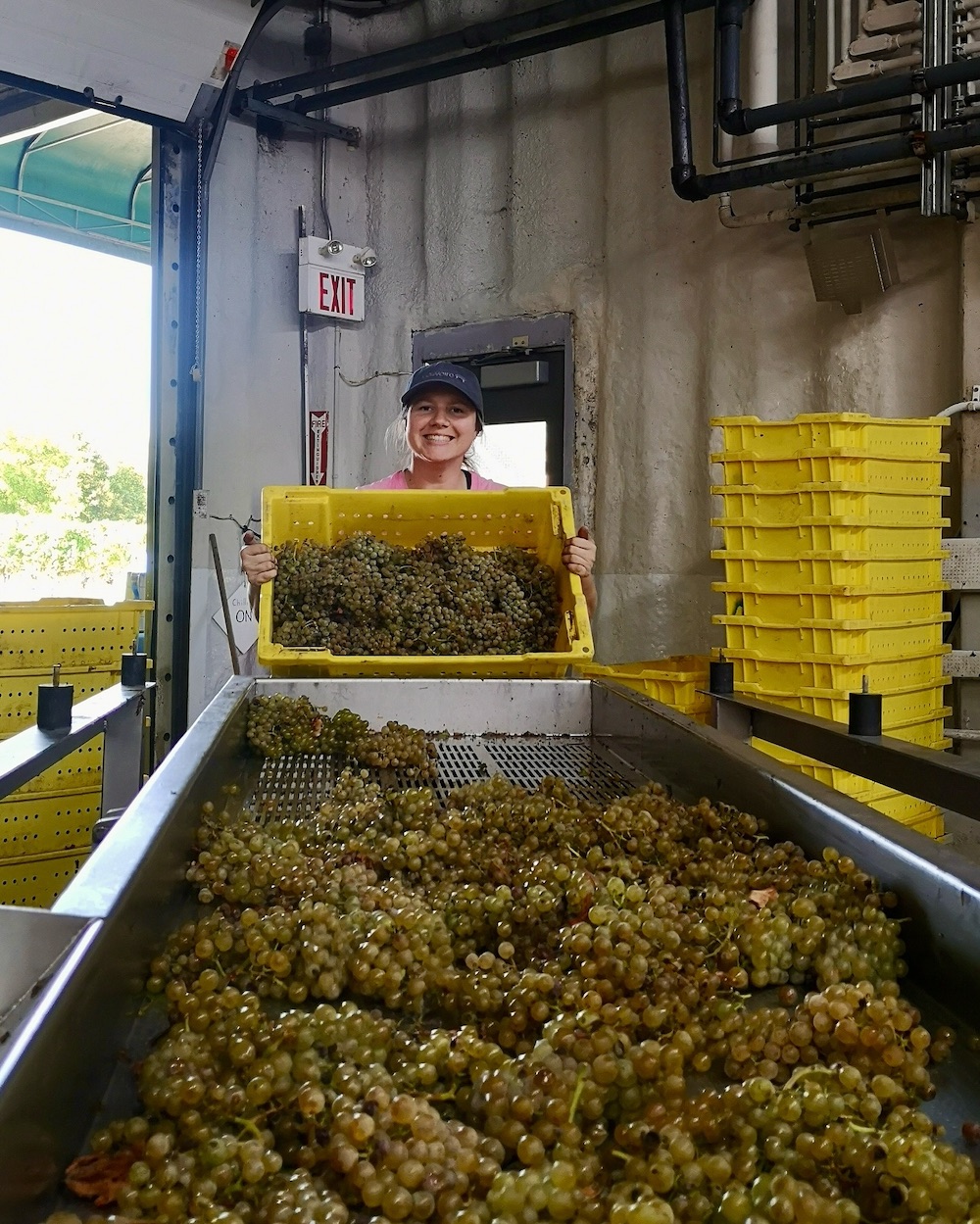
Toward the end of harvest, we brought in Cabernet Franc from the two vineyard blocks we’re now picking for the second year. The fruit was stunning — beautiful structure, great colour, and incredible potential. It’s one of those moments in harvest where you know something special is coming, even if you’ll have to wait a couple of years to see the full result.
And then, as if the season hadn’t already kept us guessing, we finished with a very early icewine harvest. The yields were surprisingly generous, and the juice recovery was excellent — something that doesn’t always happen with frozen fruit. Even better, the quality stayed exactly where we want it: rich, vibrant, and true to the character of a classic Gewürztraminer icewine.
Another vintage full of surprises, challenges, and small victories along the way. That’s harvest for you — every year different, and every year unforgettable.
Note: Shortly after filing this report, Mazzi announced she is leaving Malivoire to make wine in B.C.

Ilya Senchuk, proprietor/winemaker,
Leaning Post Wines, Lincoln Lakeshore
The 2025 growing season in Niagara will likely be remembered as a warm but balanced vintage — one that rewarded careful farming and thoughtful picking decisions. After a relatively moderate winter with good bud survival, the vines entered spring in healthy condition and ready for the season ahead.
Spring arrived slightly cooler than average, slowing early growth but giving the vineyards time to establish strong, balanced canopies. As summer settled in, the region experienced warm temperatures and long stretches of dry weather, keeping disease pressure low across most vineyard sites.
By mid-season it became clear that yields would be slightly lower in some blocks due to smaller berry size, particularly for Chardonnay.
September delivered the kind of conditions every Niagara winemaker hopes for: sunny days and cool evenings that allowed the fruit to ripen slowly and evenly while maintaining the vibrant acidity that defines our cool-climate wines. However, with the extremely dry conditions, differences in ripening patterns were wide, with some blocks ripening at similar times to last year, while other blocks were weeks behind.

Generally, early grape varieties (Sauv Blanc, Chardonnay, Pinot Noir) were slightly delayed into the first week of October, mid-season varieties (Gamay, Riesling, Merlot) were on time, and late varieties (Syrah, Cabernet Franc) were early. In other words, almost everything was ready in the first two weeks of October, so the harvest was very condensed. However, fruit quality was very high and working consistently and diligently rewarded us with good concentration and balance across the board.
Chardonnay: We had relatively small yields in the 2025 season, and wide variability on ripening times across the region. The warm, dry conditions generally favoured our cooler sites near the winery in Winona/Grimsby where we got higher natural acidities combined with earlier ripening. Some warmer sites and younger vines seemed to struggle more, with delayed ripening and lower acidities. All the fruit eventually got there and was clean and expressive with excellent flavour concentration and mostly good naturally balanced chemistry.
Early tastings suggest the 2025 Chardonnay wines will show precision, vibrant acidity, and layered texture, with both early appeal and strong aging potential depending on the block.
Pinot Noir: Pinot seemed to do much better with the dry conditions of the season, with less variability on harvest dates. With lower disease pressure and small berries, the fruit developed remarkable flavour intensity while maintaining the elegance and freshness Niagara Pinot is known for. Almost all our Pinot blocks achieved excellent ripeness without losing acidity, and the dry conditions allowed us to pick Pinot at our leisure, a rare occurrence in Niagara.
Early tastings suggest wines that combine aromatic lift, refined structure, and vibrant acidity, with the balance needed to evolve gracefully in bottle.
Cabernet Franc, Merlot and Syrah: The warm summer and extended fall provided excellent conditions for Niagara’s later-ripening red varieties. Merlot, Cabernet Franc, Syrah and Dolcetto all benefited from the dry growing season and long ripening window, allowing flavours and tannins to develop gradually and fully.
Merlot was the grape variety that was probably pushed forward the most by the warmth and sun, with early block ripening in tandem with Pinot Noir. Merlot seemed to enjoy the warmth of the season, producing fruit with soft, ripe tannins and generous fruit character. The smaller berries brought added concentration, while the cooler nights helped retain acidity and balance.
Cabernet Franc once again proved to be one of the most reliable red varieties in Niagara. The fruit ripened steadily through October, developing fully ripe fruit character alongside the variety’s classic savoury and herbal notes. Some blocks of Cabernet Franc fully ripe across the board, but needed to be picked early to keep alcohols in check
Syrah continues to be an exciting variety for the region, and the 2025 vintage offered ideal ripening conditions. The warm summer allowed the fruit to develop deep colour, savoury aromatics, and structured tannins. The wines are already showing classic Syrah character with blackberry, black pepper, violet, and subtle smoked meat notes, balanced by the natural freshness that Niagara’s climate provides.
Reflections on the Vintage: Harvest 2025 unfolded with a sense of calm that isn’t always guaranteed in Niagara. The steady weather allowed us the luxury of waiting for the vineyards to tell us when they were ready, rather than rushing fruit in ahead of rain or frost.
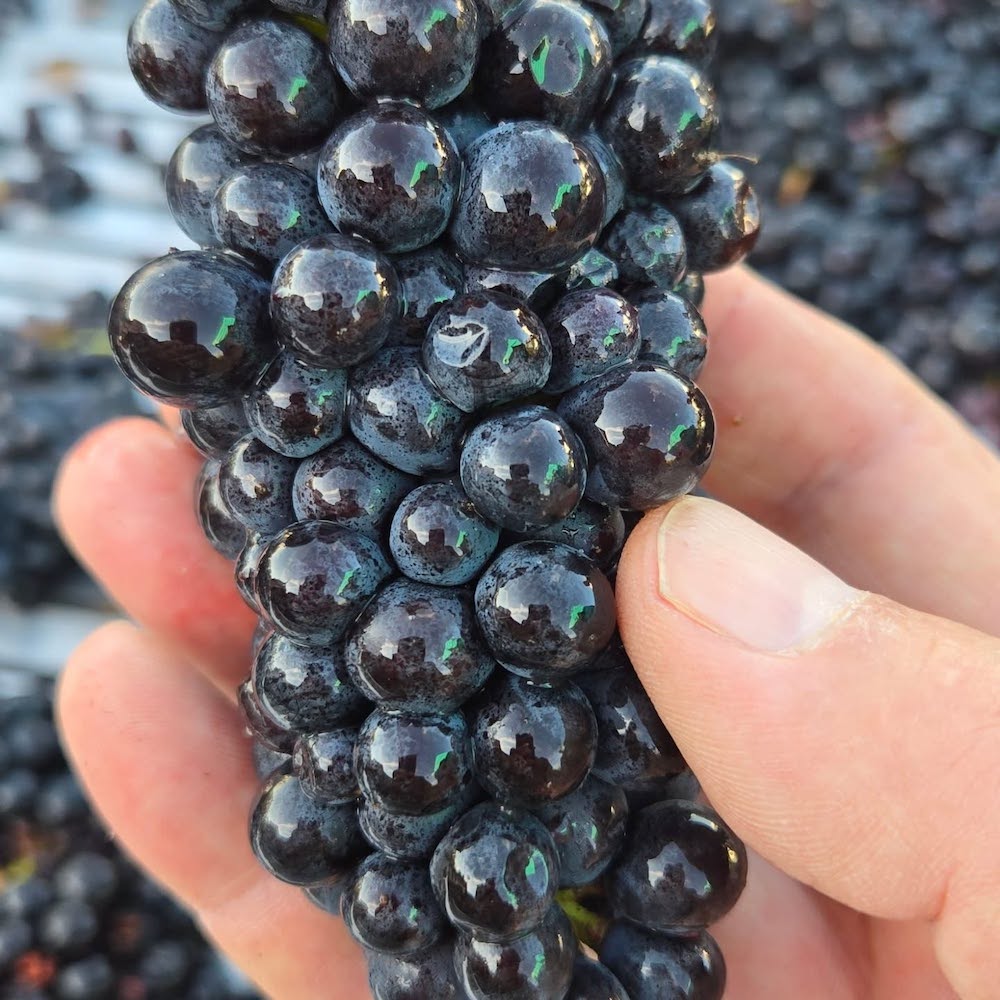
Across the cellar, fruit quality was exceptional — clean, balanced, and expressive of site. While yields were slightly lighter in some vineyards, the trade-off appears to be wines with greater concentration, vibrant acidity, and strong varietal character.
For Leaning Post, 2025 is shaping up to be a vintage defined by clarity, balance, and elegance, particularly in Chardonnay and Pinot Noir, while the later-ripening red varieties show impressive depth and structure.
As the wines continue to evolve in barrel and tank, the early signs are encouraging with bright aromatics, refined textures, and a clear reflection of Niagara’s vineyards. If these early impressions hold true, the 2025 vintage may stand as one of the more balanced and expressive harvests of recent years.

Tolga Icel, director, Icellars Estate
Winery, Niagara-on-the-Lake
2025 can best be described as a rollercoaster of a year. It had its ups and downs but by the end — it was exciting, thrilling, and is resulting in exceptional wines.
Despite being characterized by extremes, 2025 will be remembered as one of the great vintages of the 21st century. The consensus from the winemaking community is likely to be that bold red varieties were the true winners of the growing season.
In a vintage where sunlight, heat, and drought dominated, varieties like Cabernet Sauvignon, Merlot, Cabernet Franc, Malbec, and Syrah stood in the spotlight. At Icellars Estate Winery, The House of Reds, we were more than pleased. As we primarily grow red varieties, all our fruit came into the winery in beautiful condition, and the resulting wines are stunning.
The growing season began with a cold May. At Icellars, we ran our wind machines four times between the start of May and early June. We set our wind machines to startup at a conservative temperature to avoid frost risk. It’s possible we were too cautious, but we’ll take that chance to protect our vines.

However, with the arrival of June came the heat and dry weather, and we could finally get on track. Flowering happened at a very usual time for Niagara, and this allowed us to look ahead and plan our harvest timing. June, July, and August were extremely dry months with very little precipitation. We were forced to irrigate our vines a couple times throughout the summer.
We interplant missing vines yearly and tend to irrigate our younger blocks more often. The roots of younger vines haven’t had the time required to branch in search of water and are often more vulnerable to drought.
The summer continued with very little disease pressure as the region was hot and dry. This allowed us to dial back our spraying as there was very little need to combat disease pressure.
However, in the hot and dry summers, insects like leafhoppers and Japanese beetles can become a nuisance. This was certainly the case all over the vineyards in Niagara, particularly with Japanese beetles. This insect loves feeding on leaves in the upper canopy, causing damage that looks much worse than it actually is. But by the time we arrived at veraison, the vines were looking healthy, the fruit was hanging beautifully, and the change of colour – like flowering – once again was in typical timing for Niagara. After an extremely early 2024 vintage, it seemed like we were back to average for 2025.
As harvest was around the corner, we began tracking berry maturity with our internal sampling and testing methods. We noticed right away that there was great concentration developing in the skins. The berries had plenty of colour and flavour and sugars were rapidly accumulating. At Icellars, we appeared to be on schedule for all our pick dates. Most varieties came off with typical timing, a little extra hang time, and a little extra sugar accumulation.
We had virtually zero rot or breakdown on our fruit, which is always something to be proud of. As our earlier varieties came off the vine — Pinot Noir, Chardonnay, Malbec — we noticed significant yield decreases. In some blocks, without any crop manipulation, we were down as much as 40% in yield compared to the year before. This was likely attributed to some spring frost damage knocking back primary buds allowing for the less fruitful secondary buds to push instead.

Across the board, each variety came off light, but with exceptional sugar and phenolic ripeness. At Icellars, we’re certainly happy to take quality over quantity, and that could easily be the slogan for the 2025 Vintage.
With a year like 2025, our red varieties looked to be exceptional. Our Cabernet Sauvignon and Merlot in particular may be some of the best we’ve ever crafted. While quantities are certainly small, the density, phenolic concentration, and fruit profiles of those two wines are stellar. It almost seems unfair to shine a spotlight on those two varieties, as Pinot Noir, Syrah, and Malbec are similarly divine.
These are wines that demand higher rates of new oak, as well as longer aging time in barrel. We will certainly aim to make more Reserve-tier wines from this vintage. Similar to 2020, this vintage will go down as one of the great ones in Niagara, and Icellars will lead the charge with our structured, elegant, and powerful red wines.

Nick Gizuk, Estate Winemaker,
Inniskillin Niagara Estate Winery
The 2025 growing season led us to a bountiful harvest in Niagara-on-the-Lake (NOTL) and the Beamsville Bench.
The Sauvignon Blanc was the undisputed standout of this vintage, with the Bench fruit ripening even ahead of varieties in the warmer Four-Mile Creek and Niagara River appellations. This year’s crop benefited from exceptionally even cluster ripening, allowing for mature skins that provided a sophisticated structural foundation. Rather than following strict numbers, we picked purely on flavour, ensuring the harvest captured the peak of the varieties’ aromatic expression.
Our Chardonnays, harvested during a dry three-week window in August, are already displaying remarkable complexity in the barrel. To complement their intense fruit character, we have opted for more neutral wood to ensure a perfectly balanced finish. The Riesling, a cornerstone of the Inniskillin brand, beautifully reflects the cooler start to the season. Some rain at peak ripeness required a careful harvest, our oldest vines successfully captured the unique terroir that makes this undervalued variety so special. From bone-dry styles to our sweet Süss reserve, the overall quality across all varietals this year is nothing short of outstanding, promising wines with great expression and future aging potential.
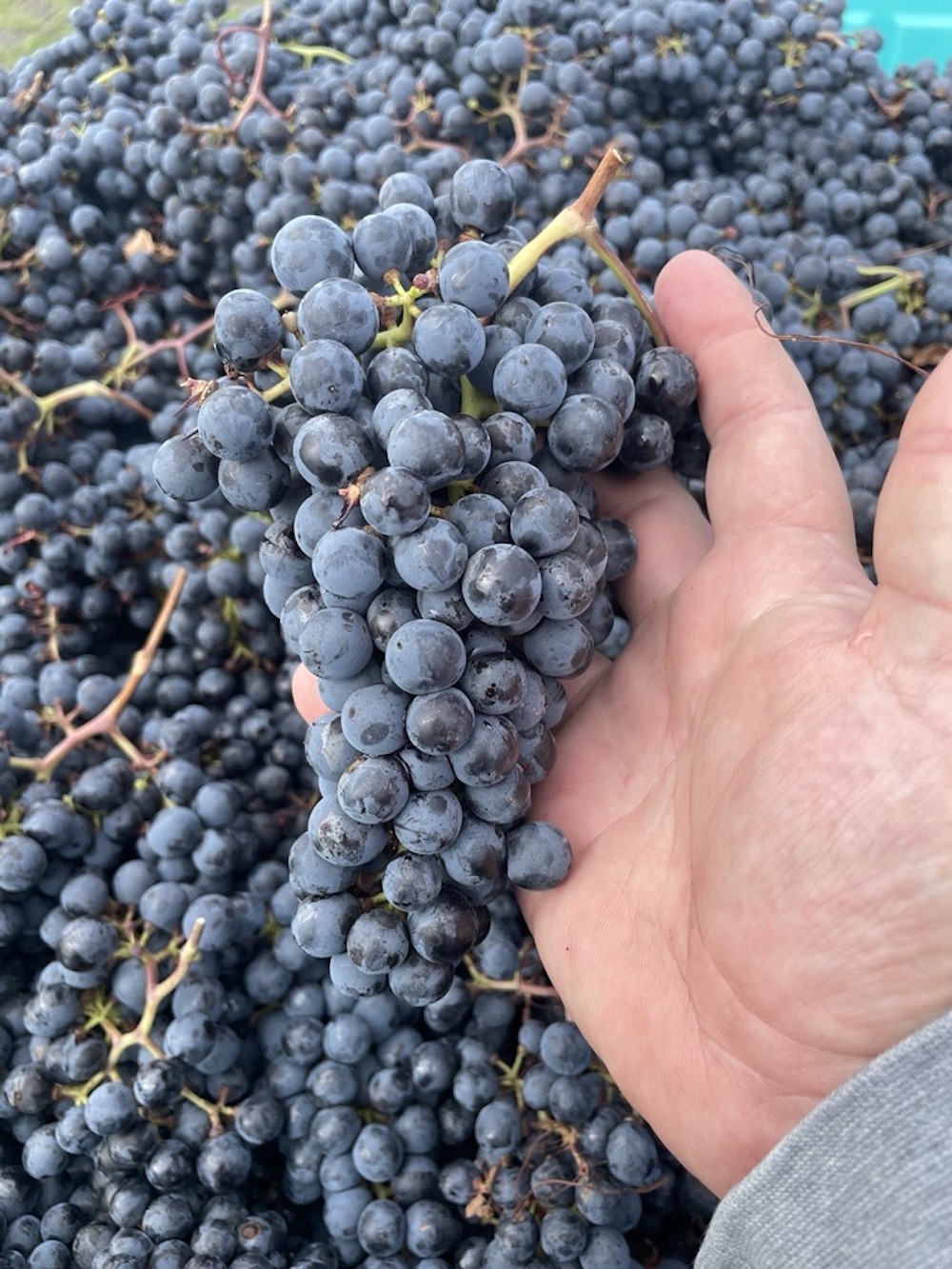
Our Pinot Noirs and Gamays are developing beautifully in the barrel, benefiting from what were arguably the cleanest picking conditions I have seen in Niagara to date. With little to no rot across the reds, this is shaping up to be an exceptional red vintage. Both varieties currently exhibit vibrant acidity and darker fruit tones because of the year’s smaller berry sizes, along with surprisingly soft tannins for such young wines. In the cellar, we are seeing deep purple hues accompanied by intense dark plum and blueberry notes.
The Cabernet Sauvignon benefited from an early bud break and extended hang time, achieving higher-than-average sugars at harvest. These factors resulted in a wine with much greater concentration and a profile that is significantly better than typical for the region. Even at this early stage of development, the wine already demonstrates remarkable promise and structural depth.
As usual, Cabernet Franc was also a standout and remains a personal favourite. With fruit sourced from five different appellations, each showcases its own distinct nuances. The Bench fruit displayed complex tannins while remaining slightly less ripe than the fruit from Niagara-on-the-Lake. Meanwhile, fruit from St. Davids and Four Mile Creek presented a more defined tannin structure earlier in the ripening period and was harvested specifically to capture that unique complexity.
2025 was a quick vintage with a big emphasis on picking priority/timing with small berries to ensure we maintained balance across all varieties. The Sauvignon Blanc this year was a treat to work with, very even ripening and great acidity retention should make for some structured wines. Atypical in the fact that the fruit from inland vineyards showcases great acid structure and balanced ripening vs the lake fruit, which was ripe very in early in the season.
This vintage highlights our strength in crafting notable cool-climate wines, offering signature expressions of our unique styles and terroirs. It is a season we will likely revisit for years, celebrated for the aging potential of the reds and the vibrant character of the whites.
Rarely do we see a year where every style is so varietally true and consistently well-showcased; in my opinion, the overall quality is nothing short of outstanding.
Niagara grape growers

Debbie Zimmerman, CEO of the
Grape Growers of Ontario
The 2025 growing season began with a seasonally cool and wet spring. Extreme heat conditions started in late June, coinciding with bloom, and the above-average hot and dry weather in July affected fruit set and resulted in lower yields, particularly in Chardonnay.
Evening temperatures and relative humidity remained elevated throughout August, and vines in some areas exhibited heat stress symptoms. Below-average precipitation persisted into the harvest period, reducing disease pressure and giving growers greater flexibility in picking decisions, though some water-stress symptoms were evident.
Despite reduced yields, the long, sunny days, limited rainfall and cool nights in the fall produced an exceptional vintage of clean fruit with notable concentration and balanced acidity, once again demonstrating the resilience and quality of locally grown Ontario grapes. 2025 will be an exceptional vintage.
Paul Franciosa, co-owner Grimsby
Hillside Vineyard, Lincoln Lakeshore
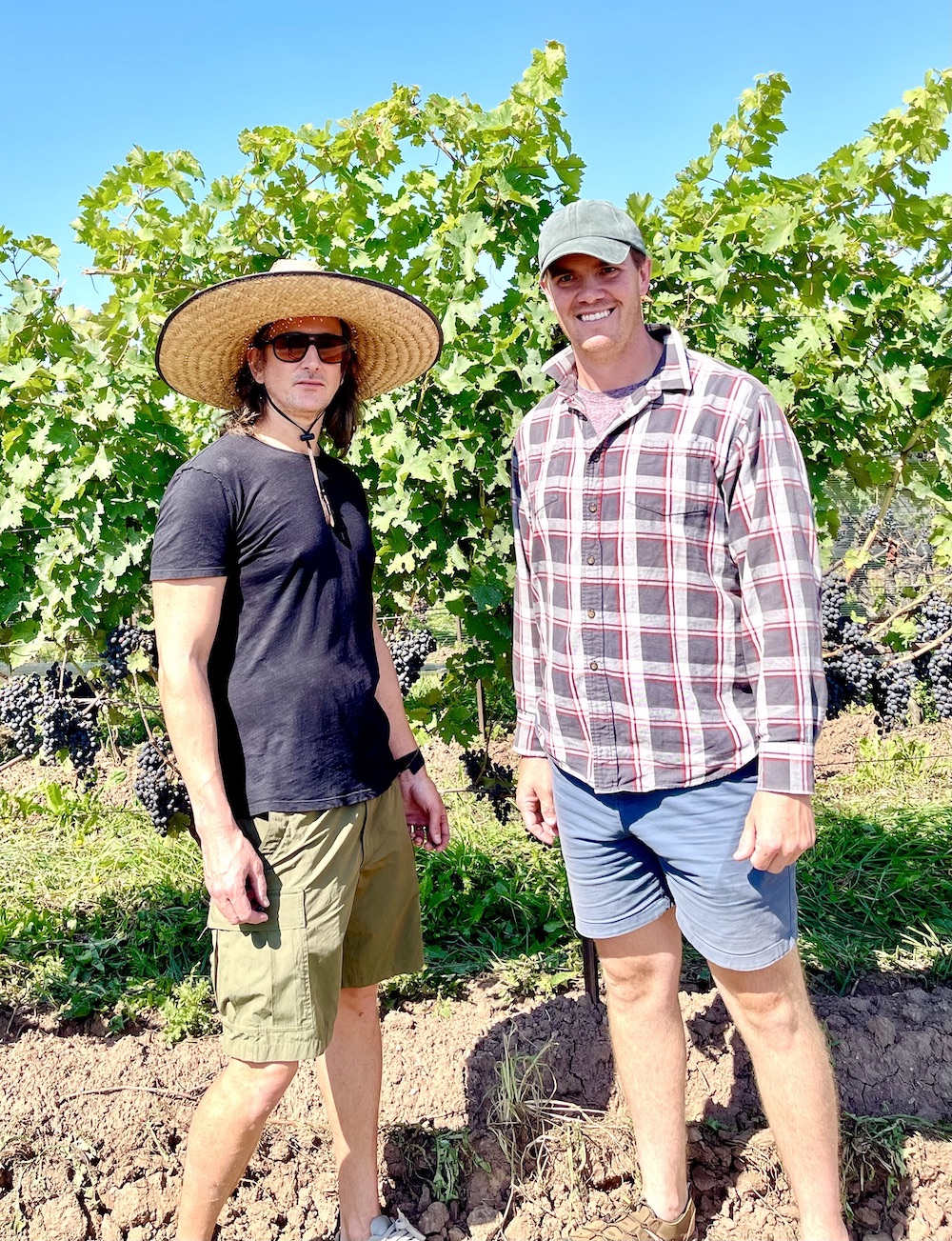
2025 was another solid vintage at Grimsby Hillside — the 4th in a row now, so we’re getting a little anxious. Are we allowed to have so many consecutive nice vintages in Niagara?
The season started off with a bit of a false promise of an early start, followed by cooler temperatures throughout the spring before things started heating up in late June. The summer months of July and August were very hot, dry, and sunny.
The 2025 season had the most growing degree days, the most sun, the most heat, and the least rain of all the recent vintages from 2020 onward (except for the rains of the 2021 harvest window). We had 18 days of over 30 C weather, and only about 420 mm of rain (below the 500-600 we experienced in 2022-2024). Diurnal shift over the growing season was even better than in recent years — just under 12 C of average difference between daytime high and nighttime lows, compared to 10-11 C in recent vintages — so acidity in the grapes was well preserved, and while the wines have ripe and well-developed flavours, they tend to still have a good degree of freshness.
As a result of these hot, dry and sunny conditions throughout the summer, we experienced early development across the vineyard — sugars accumulated quickly, although May heat stress seems to have caused some shut down during some of these extreme periods.
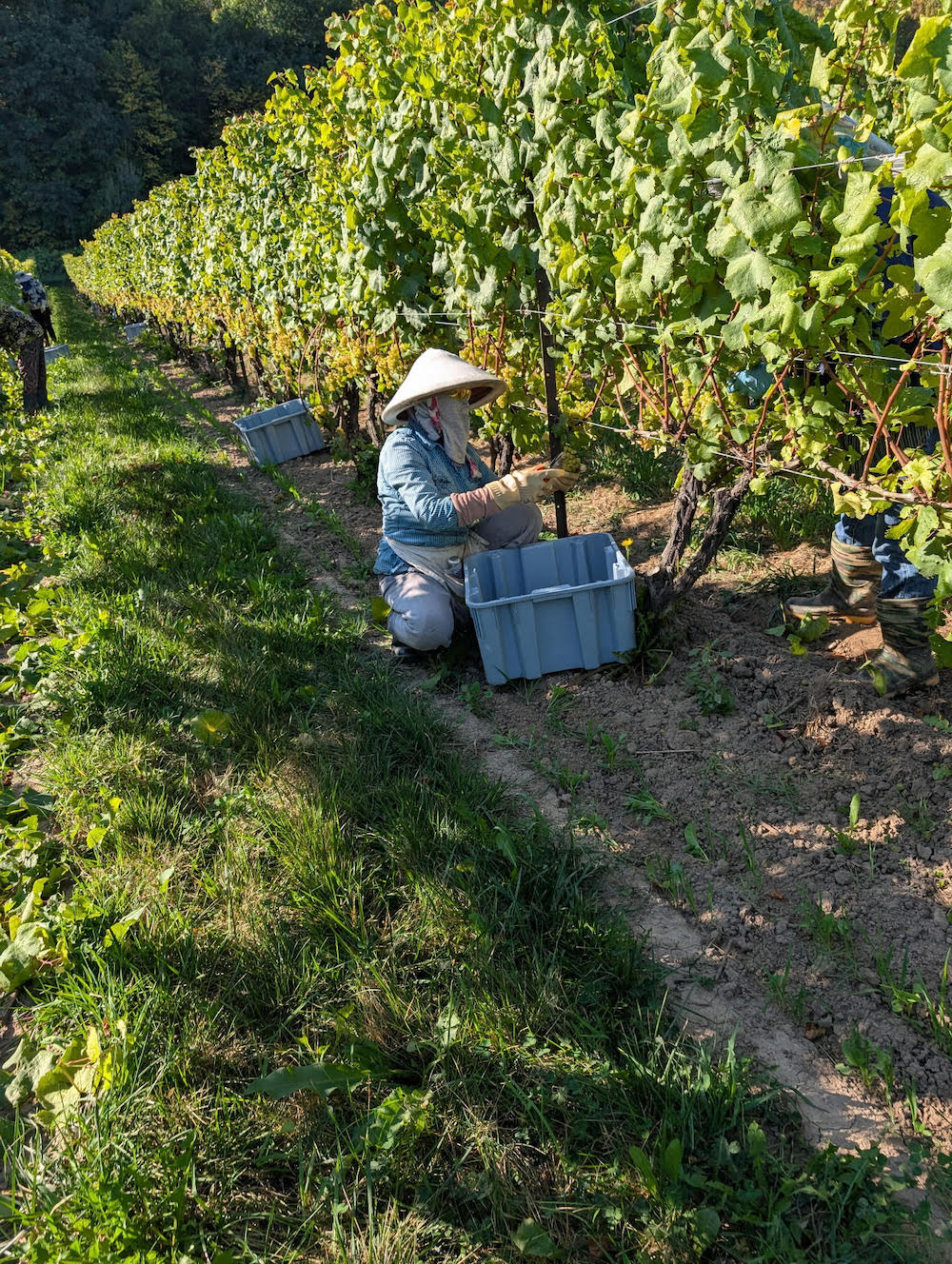
But by the time summer was ending, some of our Pinot Noir and Chardonnay blocks were ahead of schedule. Our Chardonnay picks started in the last week of September, and Frontier Block picks were about 7-10 days earlier than the previous couple of years. Our old vines Pinot Noir block fared exceptionally well in these demanding conditions, and harvest was in the first week of October as usual.
Our younger vines Pinot fared a bit differently given the precociousness of the vines, and produced fruit at high sugar levels and with above average levels of ripe fruit character — it may be a bit offensive to some to say that 2025 was a year of Cali-style Pinot over here, but based on what we’ve tasted so far, the ripeness and generosity of the young vines fruit suggests an atypical vintage for Niagara Pinot.
For the Cab Franc and Sauv, we were quite nervous going into the fall, as tasting through the vineyard, we were noticing that the sugar levels seemed well ahead of normal levels given the timing in the season, but the relative lack of sun time, because sugars were a couple of weeks ahead, meant that green flavours were still there despite sugar levels that were acceptable for picking. We were concerned that if things didn’t cool down, that waiting for skins to fully ripen might mean that the wines would turn out overly alcoholic, with low acidity.
Fortunately, things cooled off at the right time, and sugar accumulation seemed to halt, allowing the Cabs to get the extra few weeks of sunlight they needed to ripen the skins without sugar levels becoming excessive. Our Cabs came off around 24-24.5 brix, which is quite reasonable, in our view, given the conditions of the season, and comparable to a vintage like 2020, although the acid levels are looking slightly better in 2025 than in 2020.
Riesling and Viognier both performed exceptionally well — developing intense, ripe flavours, while still maintaining acidity and freshness.
Disease pressure around the vineyard was reasonably low, and we were able to manage our conventionally farmed blocks with a small number of conventional sprays, relying mainly on organic fungicides, and in our certified organic blocks, we were able to minimize use of heavy copper sprays and rely on biologics and other vine health promoting treatments to keep disease pressure under control.
All in all, we’re very happy with 2025, and excited to see how the wines from all our amazing customers turn out.

Craig Wismer, president of Glen Elgin
Vineyard Management, Twenty Mile Bench
Another interesting year indeed – aren’t they all? 2025 was a remarkable year, the complete 180 in supply vs. demand for wine and thus grapes was fascinating. And impossible to foresee the “perfect storm” of events leading to VQA wine sales accelerating, and thus high demand for wine grapes across Niagara.
As the pistons were beginning to fire on the fruit demand side — every winery wanted grapes all the grapes — no winter damage to speak of, surely all things must align in this perfect vintage (for once, no?)
A beautiful, early spring broke out and things dried up quickly. We always enjoy getting out in the fields early – the quicker that beautiful Niagara soil dries up, the better. It dried, and it dried, and kept drying. 4,5,6 weeks without rain. Very rare in Niagara, especially in the spring. As we headed towards bloom (one of our most critical development periods) all signs were suggesting the vines were certainly in a water deficit, and on some sites, potential drought stress.
Bloom was perfect — warm, dry, fast. Everything we hope for … and yet on some sites, flower and fruit set was coming up a bit on the light side. This would be odd, given the “perfect” bloom weather. In hindsight the only logical explanation seems to be the early, dry weather had some effect on the fruit set for the season.
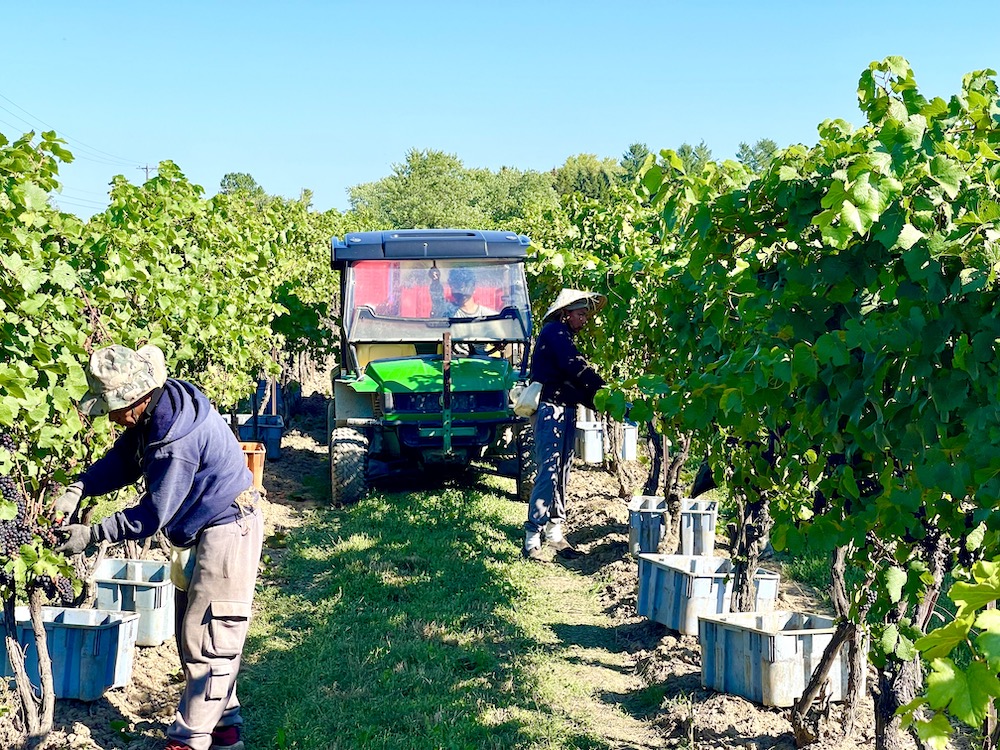
Most sites still had a good crop, but with a fair bit of site-to-site variability (usually correlating with soil type) and certainly varietal variability. In general terms, Pinot(s) and Gamay did well in terms of crop level, as did Riesling. Chardonnay came in lighter, and Cabernet was about average.
I have mentioned before, we are learning in Niagara that when we see these hot, dry years — no matter how rare, we always need to be ready to manage our vineyards accordingly. The iron clad “remove all leaves and thin it down” mentality for elevating Niagara is beginning to become more about balance.
This is true in a more “typical” Niagara year, however, becomes especially true in a hot and dry season. Some extra leaf cover provides shade to sensitive skins and carrying a little more crop load can prevent concentration of negative flavours, and help balance phenolic ripeness with sugar develop, and assist with optimal timing. Good viticulture is always about BALANCE, and not some number picked out of the sky.
All this being said, fruit quality was excellent — both in terms of fruit integrity and cleanliness at harvest, as well as the resulting wines being made and from hearing feedback now. 2025 looks to have the markers of an excellent vintage, especially from balanced sites and healthy vines.
Bob Nedelko, proprietor, Nedelko
Vineyard, Twenty Mile Bench
The 2025 vintage started with cool weather in May and the first part of June. From there the growing season really kicked in.
We experienced warm and very dry conditions until late September. This resulted in lighter weights of the fruit, but also of high quality.
In particular for the Pinot Noirs, the Merlots, and yes even the Cabernet Sauvignons were excellent in terms of quality and sugars. I would say that 2025 created some good reds, and whites. My Riesling and Gewürztraminer both achieved great Brix leve
Comment here