
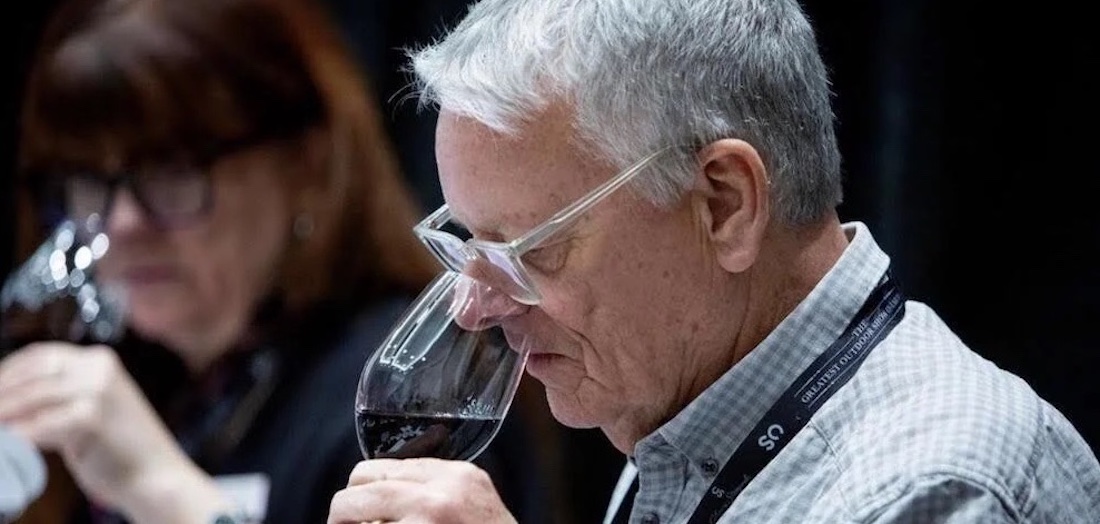
“It’s time for Wines in Niagara to go gentle into that good night,” Rick VanSickle told Niagara This Week reporter Kevin Werner on his decision to shut down this website chronicling the local wine industry.
The Wines in Niagara website will soon be hosted by Brock University, giving people access to its contents for many years to come. This is Kevin’s story, as it ran in Niagara This Week in last June.
By Kevin Werner
When a group of Niagara-on-the-Lake residents advocated in 2025 to boycott Wayne Gretzky Estates in Virgil because of the former NHL star’s friendship with U.S. President Donald Trump, Rick VanSickle decided he needed to write down his distinctive view on the issue.
VanSickle, owner and operator of the popular Wines in Niagara website, criticized the idea of a boycott.
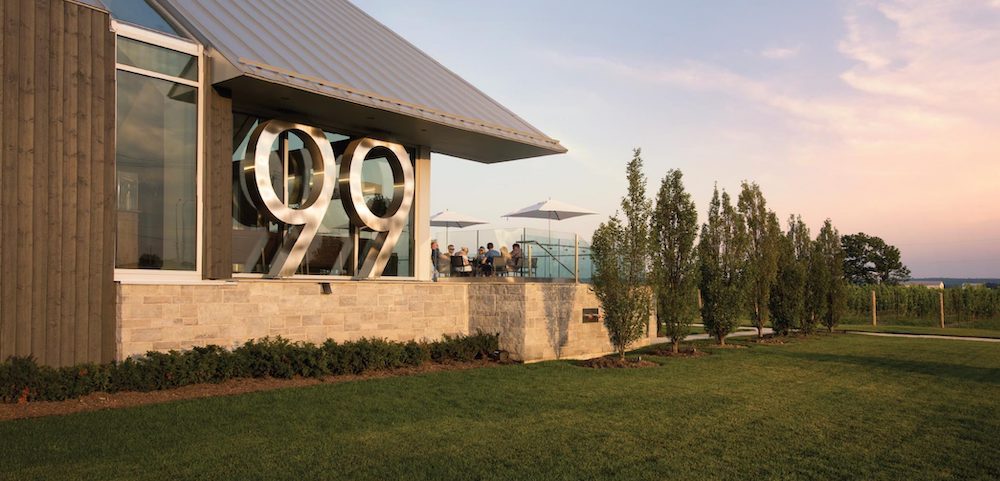
“I have no problem with individuals showing emotions and personally deciding to boycott a business because you don’t share their political views, but when it has the potential to hurt other Canadians trying to make a living, I draw the line. And so should you,” he said in a February 2025 post.
VanSickle said a boycott would be “the dumbest thing” to do because it would hurt the winery, the local economy and the hard-working Niagara people employed by the winery who, conceivably, could lose their jobs. A boycott would have no impact on Gretzky because he gets paid for the use of his name, he said.
The reaction, said VanSickle, was swift from individuals who disagreed with him. The story spread to the United States, with people questioning “How can you be pro-Trump?”
“Never have I been so vilified in my life,” he said. “Actually, I was getting a bit nervous.”
Eventually, he had to turn off the comment section for his article, and he removed the story from social media. But it remains here on this website.
“It was a lesson for me on how your words can get twisted,” he said.

But VanSickle, a journalist for more than 40 years, remains defiant when asked if he would write the same article again.
“I wouldn’t change a thing,” he said. “I haven’t stopped taking a stand.”
Yet, VanSickle’s pointed comments, insightful writing and entrepreneurial stories about the Niagara wine industry have come to an unexpected conclusion.
In a column (in April), VanSickle announced he was shutting down his website after 16 years, because of health reasons.
He said in an interview he has started chemotherapy for cancer and couldn’t continue operating the successful website. He came to the realization his health and family come above all else.
“Two thousand, four hundred and ninety-six posts later, it’s time to say goodbye to this passion project that has been part of my daily life for 16 years,” wrote VanSickle on May 22. “It is time for Wines in Niagara to go gentle into that good night.”
He said his family and friends are continuing to provide him with “great support” as he endures necessary medical treatment.
“I still have friends across Canada,” he said, welcoming the overwhelming reaction.
It is a bittersweet decision for VanSickle, who began writing about wine in 1999 while editor of the Calgary Sun. He had a lengthy career with Sun Media with stops in Toronto, Ottawa and Calgary.
He said the Calgary wine columnist at the time was only interested in highlighting the best wine in various countries, almost like a travel article.
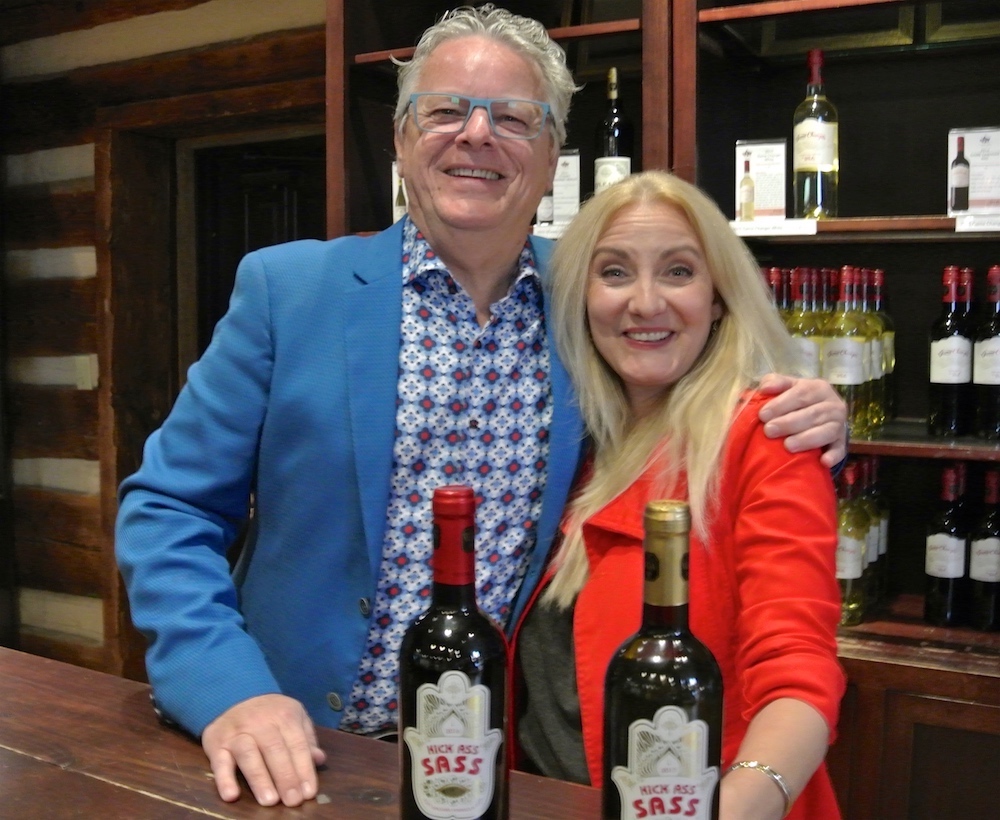
“I wrote about the wine industry differently,” he said. “I look back at some of those articles and ‘ugh.’ But I learned and continued writing. I like to tell stories.”
VanSickle, 70, trained in the rough-and-tumble environment of journalism, rather than as a sommelier, or having been immersed in the wine industry, with its prickly attitudes, heightened jargon and sheltered importance, which allowed him to write about alternative aspects of wine that would be missed, such as the grape growers, the farmers, the workers, the owners and government policies.
And at times poking fun at the egotism of wine critics.
“Most of my wine writing is about education,” he said. “I have none of the wine (criteria). I’m a journalist first.”
But he did know about wine prior to writing about it, having assembled a modest collection of bottles in his cellar and enjoying the drink.
In a 2026 post, he recalled a wine junket he made to Burgundy, France, when he was freelancing for a wine magazine. He tasted some of the finest wines in the world.
Yet, instead of following the other wine writers as they concentrated on the colour, fragrance and bouquet, he focused on one of the wine tasters who swished and savoured the wine in his mouth, then “lunged one more time … as the slavering wet mess hit its target” in a nearby spittoon.
While the publication he was writing for “loved” the story, he found himself ostracized.
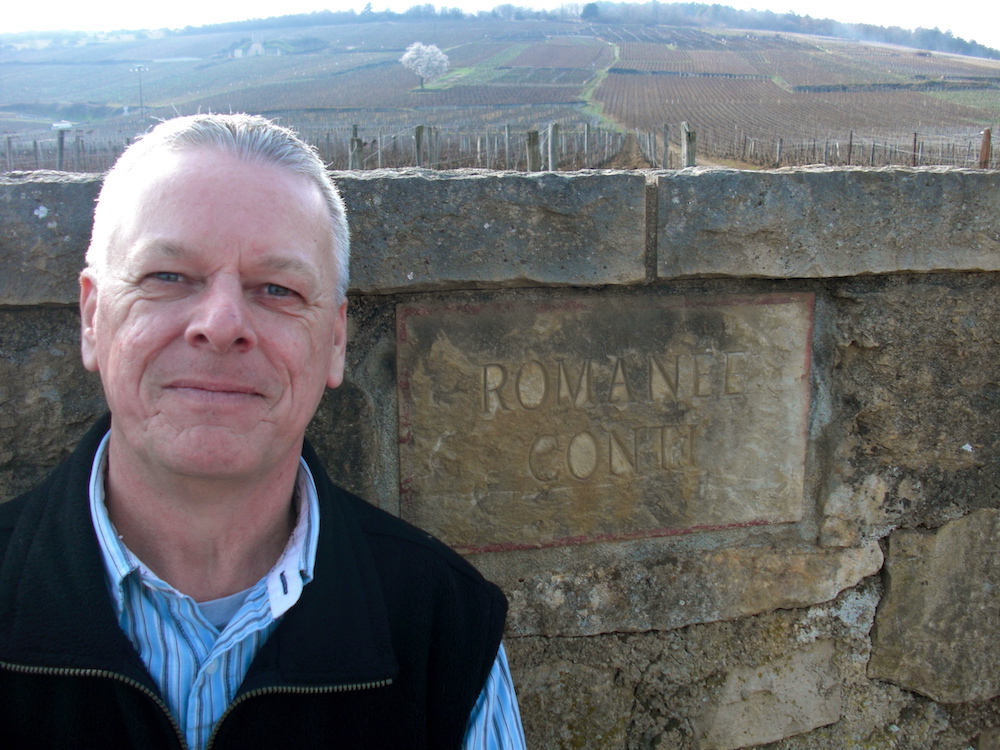
“I had never seen something like that in my life,” said VanSickle. “I said, ‘That is what I will write about.’ I was never invited back to Burgundy again. But I didn’t care. I didn’t want to lose my integrity. I only cared about the readers.”
The same philosophy permeates his website.
As he expanded his wine freelance writing, he slowly focused on Niagara and other Canadian wines. Sometimes he would dabble in ciders and beer, but over the years it was the wine industry that proved a reliable advertiser for his website that supported local stories, he said.
“You believe in local, independent wine content and a more traditional approach to wine coverage, unfettered by ulterior motives and pay to play,” he wrote.
When he began writing about wine, Canadian wine was “horrible,” with only a few wineries worthy of mention, such as Jackson-Triggs and Inniskillin, he said.
He also talked up the Okanagan Valley in British Columbia.
Over nearly 30 years, he has watched as Canadian wines earned a global reputation as the world forgot all those bottles of Baby Duck, competing against the best in the world and winning awards.
What interested VanSickle was how the wine industry was being transformed in Niagara.
“This was incredibly fascinating,” he said.
He transferred to the Toronto Sun in 2006 — and eventually moved to Niagara, settling in St. Catharines with wife Maureen and their two children. He worked at the St. Catharines Standard as city editor until 2012, while also freelancing as a wine columnist. He soon after moved on to Postmedia Network, working as an editor in the Hamilton office for a little more than eight years.
He started his website ad-free and posted his freelance wine stories and columns on the site.
But as he said in his column, “At some point I said to myself: Why am I freelancing out my work when I can simply put it on my own website and monetize it?”
After attempting to make the website a business by himself, he reached out to Allie Hughes (now known as Delta4Digital) to build it the proper way. The success allowed VanSickle to hire freelancers, such as Michael Lowe, who wrote about dining in Niagara, beer writer Stephen Beaumont and contributor Lidija Biro.
“I have a great stable of freelancers,” he said.
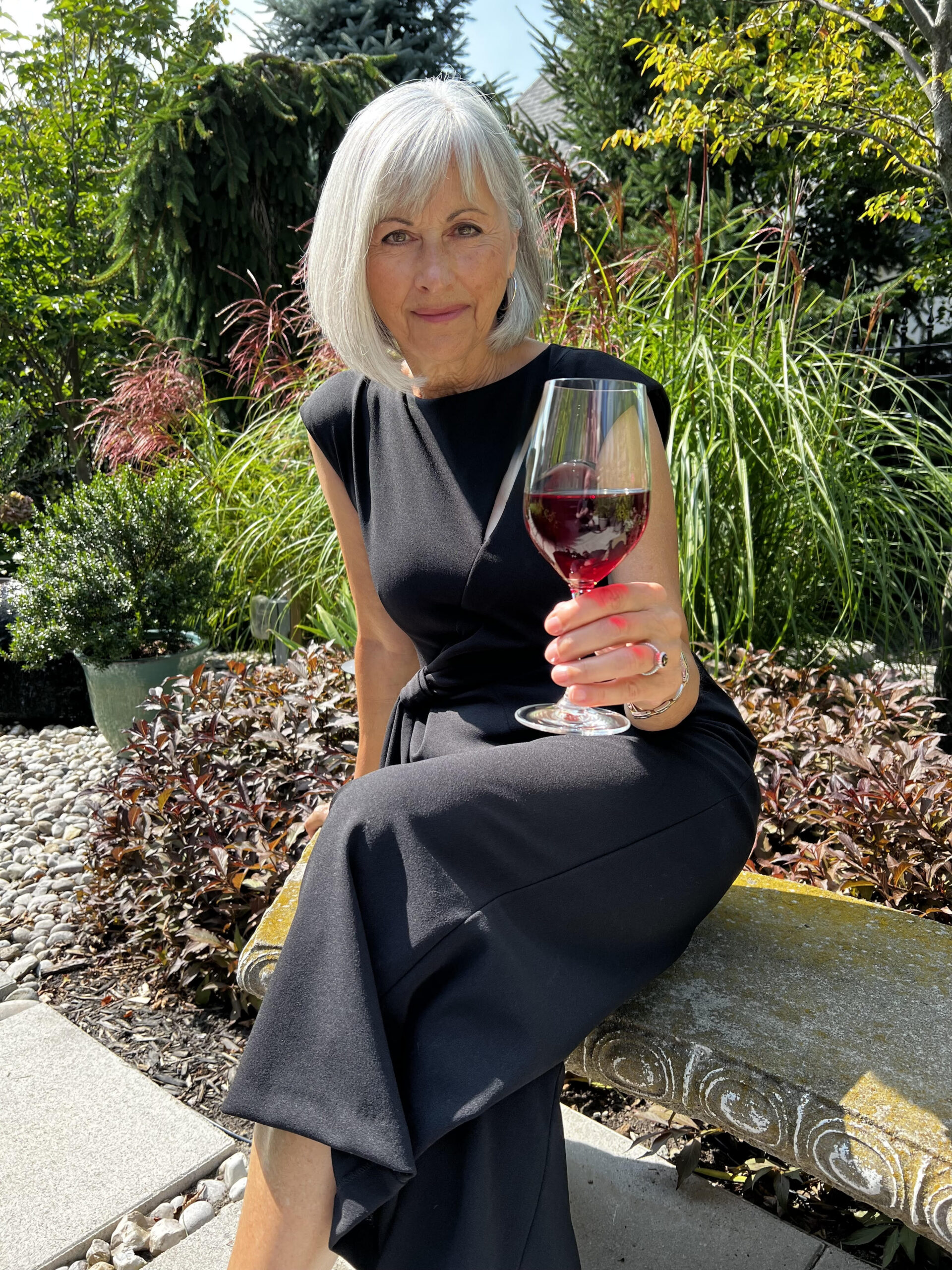
Biro praised VanSickle for what he has done for the local wine industry.
“He has a journalistic background, so he looks for good writing,” she said. “It’s all about the wine and who makes it. It’s not about the pretty pictures.”
Biro also lamented the loss of the website, not only for the local wine industry, but also for readers.
“He is giving up his passion project,” she said. “He has been ‘the guy’ for wine.”
VanSickle credited several people for educating him about the Niagara wine industry — a “very tight-knit group” — including Don Ziraldo, who co-founded Inniskillin and someone VanSickle said he is “lucky” to have as a friend.
“Rick became the voice of the wine industry, and in a very positive way,” said Ziraldo, who now operates Ziraldo Wines.
VanSickle highlighted news about new wineries, winemakers and grape growers, while also tasting the wine and encouraging future generations of winemakers, said Ziraldo.
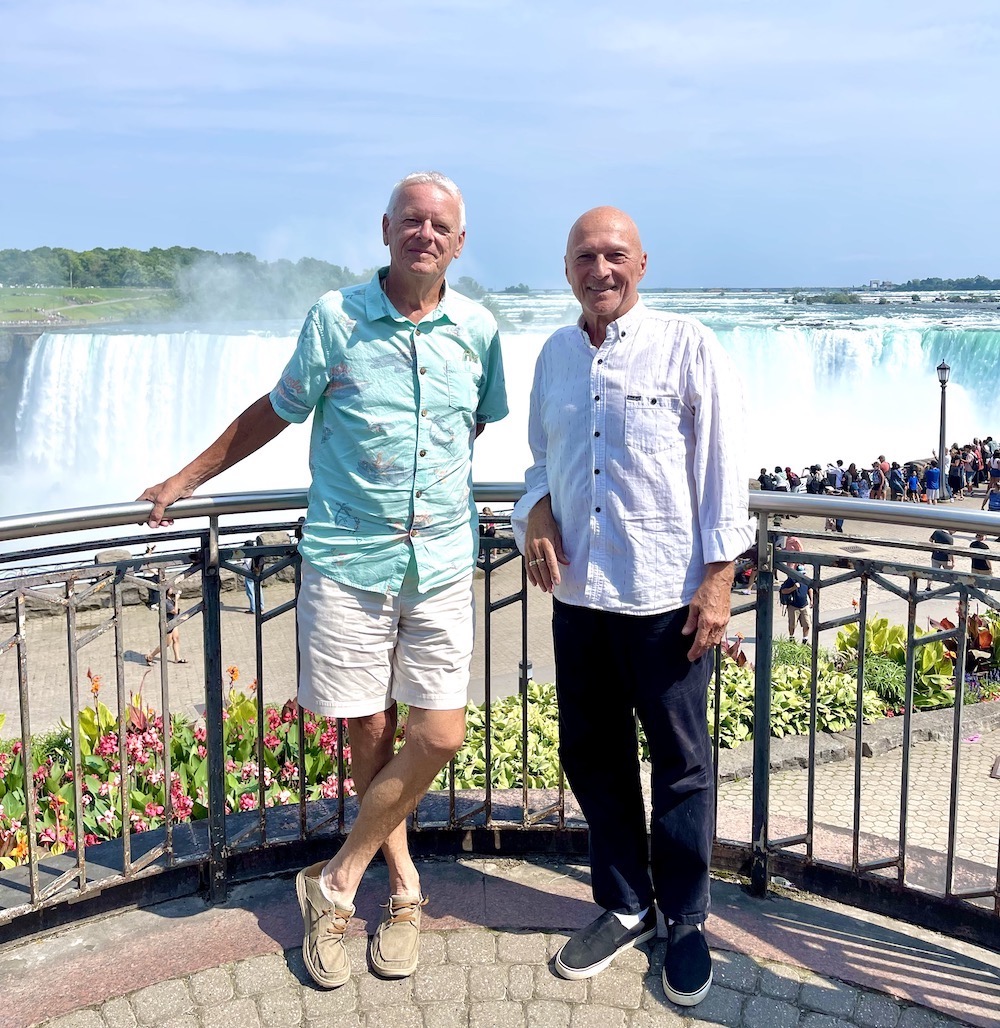
“I used to check just to see what the latest news was,” said Ziraldo. “He also provided very thorough and colourful tasting notes.”
The website will continue for the next few weeks, but will soon go dark, said VanSickle.
“I made the right decision, although I would have preferred to have someone take it over,” he said.
He has talked to a variety of people about keeping it operating, but few want the hassle and hard work to both conduct the business of managing a website and posting original content.
“I’ve had offers (to provide the content),” he said. “But not the business side. I can’t do that. I’m still talking to people. They have some ideas about what to do with it. I hope it will live on in other ways.”
What concerns him is that the website is yet another loss of journalism in the Niagara area.
Sure, he said, there are hundreds of social media posts by influencers holding up a pretty picture of a bottle or glass of wine on a bright sunny day in a vineyard. But anybody can do that. And the wine is usually secondary to the person promoting it.
“You don’t want to sugarcoat what is happening in the industry,” he said. “(Influencers) don’t help the region at all. The area needs coverage. You need to speak truth to power. I really hope somebody fills the void.”
Throughout the hard work, travel, late nights and early mornings, VanSickle said he wouldn’t have changed anything.
“There is no way I would have continued doing this if I didn’t enjoy it,” he said. “All I was interested in was for people to respect my opinion.”
Comment here