
By Rick VanSickle
Beginning with the 2022 vintage, the wines from the exciting Dobbin Estate winery on Twenty Mile Bench have reached an important milestone.
Also in this Niagara Wine Report: We taste the new single-vineyard wines from Inniskillin, and “Monolith” tier expressions from the creative winemakers at Flat Rock Cellars.

What started as a small-lot, premium producing project led by Peter Gamble and Ann Sperling (above) using carefully sourced fruit from top wineries in Niagara, in combination with some estate fruit, is now moving into 100% estate grapes after a near total replanting of the vineyards to their exacting standards.
Only the original vines from the Charlene Vineyard were used in some bottlings prior to the replated varieties of Chardonnay, Pinot Noir, Riesling and Cabernet Franc prior to 2022. The new vineyards on the highly acclaimed Twenty Mile Bench benefits from the calcium-rich soils that are ideal for producing the core varieties that team at Dobbin has chosen to champion. The vines were selected specifically to maximize the site and are tightly planted, grown organically, and cropped for low yields.
The winery quickly established itself as a super-premium project that has garnered high critical praise from the very beginning. But now, with 100% estate fruit, Gamble believes the wines going forward will manifest into what he calls a certain “delicacy” from the site. “Delicacy from all varieties is going to be the direction going forward,” Gamble says.
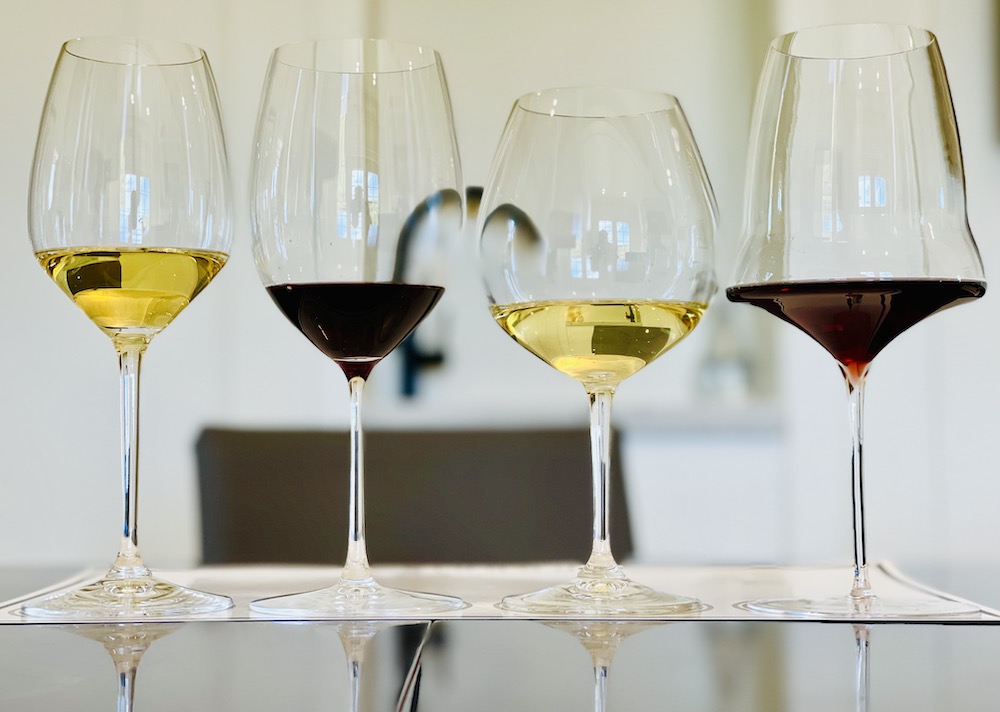
I had a chance to taste a selection of new wines being released, including the first 100% estate Pinot Noir, plus a retasting of some wines, and the first sparkling wine, a 100% Chardonnay, available for purchase.
Sparkling wines have been a favourite of winemaker Gamble. Over 40 years, Gamble has developed Champagne-method sparkling programs in Canada’s leading cool-climate regions — among them vintage 2000 in the Gaspereau Valley of Nova Scotia, 2010 in East Kelowna Slopes, 2013 on the St. David’s Bench and in the Annapolis Valley. Each cuvée was matched to the unique energy of its site.
Dobbin’s sparkling story began in 2021, a standout vintage for Niagara fine bubbles. The celebratory release “reflects the soul of Dobbin — bottled with patience and released in rhythm with its evolution.” It was served to special guests of the winery and will soon be offered to all those who want it.
“Since first opening our doors, we’ve welcomed the dearest guests to Dobbin with a glass of sparkling. It’s more than tradition — it’s our way of inviting you to pause, breathe, and feel present. Now, this signature cuvée is available to bring home.”
Here’s what I liked from a tasting with Gamble and assistant winemaker Dave Brennan recently:

Dobbin Blanc de Blancs Sparkling NV ($75, 93 points) — The Chardonnay grapes for the first traditionally-made sparkling wine from Dobbin are sourced from the Beamsville Bench. Although it is bottled as a non-vintage wine, the fruit is all from the 2021 vintage. It was wild fermented in stainless steel, neutral barrels, and 500L puncheons, then underwent full malolactic fermentation. After eight months on its lees, the wine was bottled for secondary fermentation and aged 36 months sur lie. Only 1,000 bottles were disgorged. There is lovely saline freshness on the nose with pear, lemon toast, subtle brioche and autolytic notes, and green apples. It has creamy/fresh texture on the palate and lively bubbles to go with zesty lemon, bright apples, quince and flinty notes with a layered, lifted and long finish.
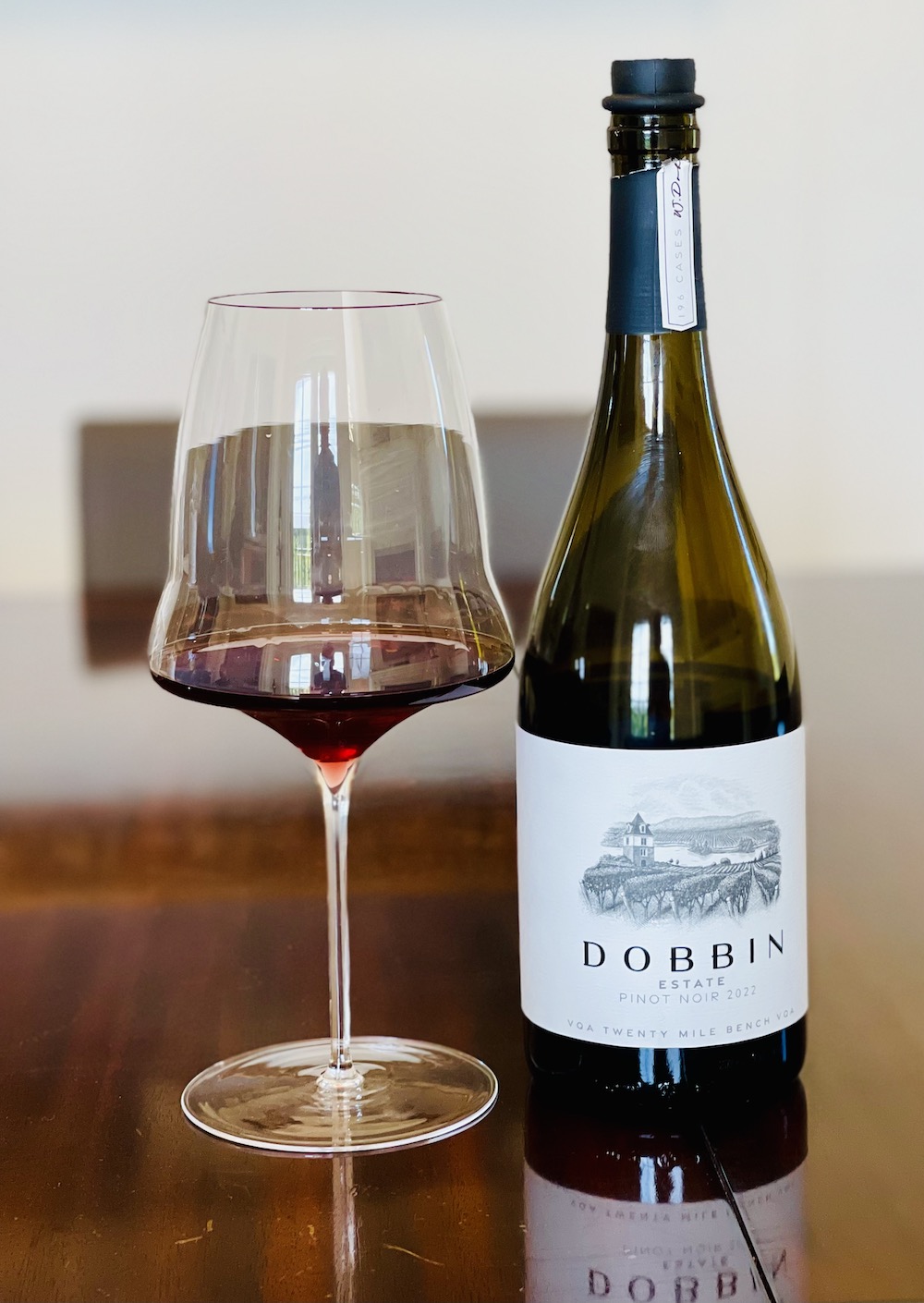
Dobbin Estate Pinot Noir 2022 ($80, 93 points) — This is the first 100% estate Pinot Noir sourced entirely from the south facing Faye Vineyard. It’s made with certified organic grapes that were carefully hand-harvested with field selection, followed by manual sorting over two vibrating tables. The destemmed grapes were wild fermented in five micro-lots followed by 22 months of aging in French oak (15% new oak). As we now begin seeing the full portfolio from estate fruit, in this case planted in 2020, a sense of “delicacy” has emerged in the wines from the special vineyards farmed at the estate. The Pinot shows lovely perfume on the nose to go with bright cherries, underlying forest floor, brambly raspberries, floral notes and integrated spices. It’s silky smooth on the palate and layered with savoury red berries, chalky minerality, integrated tannins, damp leaves, and a touch of anise in a delicate style with a touch of spice on a luxurious, long and lifted finish. Can age through 2032.

Dobbin Estate Chardonnay 2021 ($75, released soon, 94 points) — The Chardonnay grapes are from the estate’s original planting in the organic Charlene Vineyard, which was planted in the mid-1990s. It was wild fermented and aged on its lees in second fill French oak barrels for 18 months. In a contrasting style to the more opulent expression from 2020, the 2021 version is more typical of what to expect from this vineyard in more classic Niagara vintages. This leans more toward Cru Chablis with racy saline, wet stones and chalkiness on a minerally rich nose that also imparts fresh pear, lemon grass, white flowers, bright apple notes and subtle spice notes. It’s punctuated by freshness and finesse on the palate with flinty notes, saline, orchard fruits, lemon cream, underlying toasty-spice notes with a vibrant, lifted and lingering finish. Just a beautiful, pretty Chardonnay that will gain complexity and weight in the cellar through 2033.
Dobbin Riesling Black Cap Riesling 2021 ($60, retasted, available in a six pack on Dobbin website, 93 points) — This is my third tasting of this personable Riesling that was sourced from sites on the Twenty Mile Bench and Four Mile Creek. It was hand-picked over three dates between Oct. 15 and Nov. 2. Up to 20% of the fruit was botrytised and the wine spent 18 months on the lees. It was finished at 9 g/L of RS. The nose has fully opened up from my last tasting and shows pure saline/mineral notes followed by citrus, nectarine, apple skin, white peach and lanolin. It’s gaining more flesh on the palate as it ages and shows rich and savoury orchard fruits in a textured and nuanced style that also imparts a touch of wild honey, ginger and racy minerality on a lifted finish. This keeps getting better with every tasting. Can cellar through 2037.

Dobbin Cabernet Blend 2020 ($80, retasted, 93 points) — This is a blend of 85% Cabernet Franc from the Twenty Mile Bench and 15% Merlot from Four Mile Creek, all sourced fruit. The fruit was hand-picked over two days, wild fermented and aged in neutral French oak for 20 months. It has a beautifully perfumed nose of pure black cherries, cassis, ripe raspberries, sweet herbs, anise and a deft touch with fine oak spices. The fine-grained tannins on the palate offer structure to go with the juicy red berries, blackberries, pepper, mulled herbs, anise/licorice, and spice in an elegant, concentrated style that is lifted and long on the tangy finish. After re-tasting, this red blend is beginning to show beautifully, though I would still wait on it. It’s a gorgeous, generous wine but will deliver even greater pleasure when the tannins integrate with the fruit for a more harmonious package. Can cellar until 2034.
Inniskillin Estate Winery upping
its game for 50th anniversary

Inniskillin continues to celebrate 50 years in Niagara as Ontario’s first estate winery, and I can say, I love the direction it’s going.
The historic winery is expanding its portfolio to focus on premium single-vineyard wines from its own estate vineyard and vineyards it works with around the entire Niagara region.
“With a renewed focus on single vineyard expressions, we’re showcasing the incredible diversity of Canadian terroir through wines that are unmistakably Inniskillin,” said winemaker Nicholas Gizuk (above). “Our intimate history and experience with this land and these grapes puts us in a position to develop one-of-a-kind wines that simply can’t be re-created anywhere else.”
I tasted three of the new wines for this report. The wines are available at the winery or on the website. Here’s what I liked:

Inniskillin Montague Vineyard Riesling 2024 ($30, 93 points) — This Riesling comes from historic Montague Vineyard in the Four Mile Creek sub-appellation, It was cool fermented in stainless steel and rested on its lees to build texture. It’s bursting with lemon and lime on the nose with nectarines, saline freshness, green apples and a touch of ripe peach. It’s bright and chiselled on the palate with sizzling citrus zest, orchard fruits, stony minerality and flint on a lifted, finessed finish with mouth-watering acidity. A beauty that will age nicely through 2035.
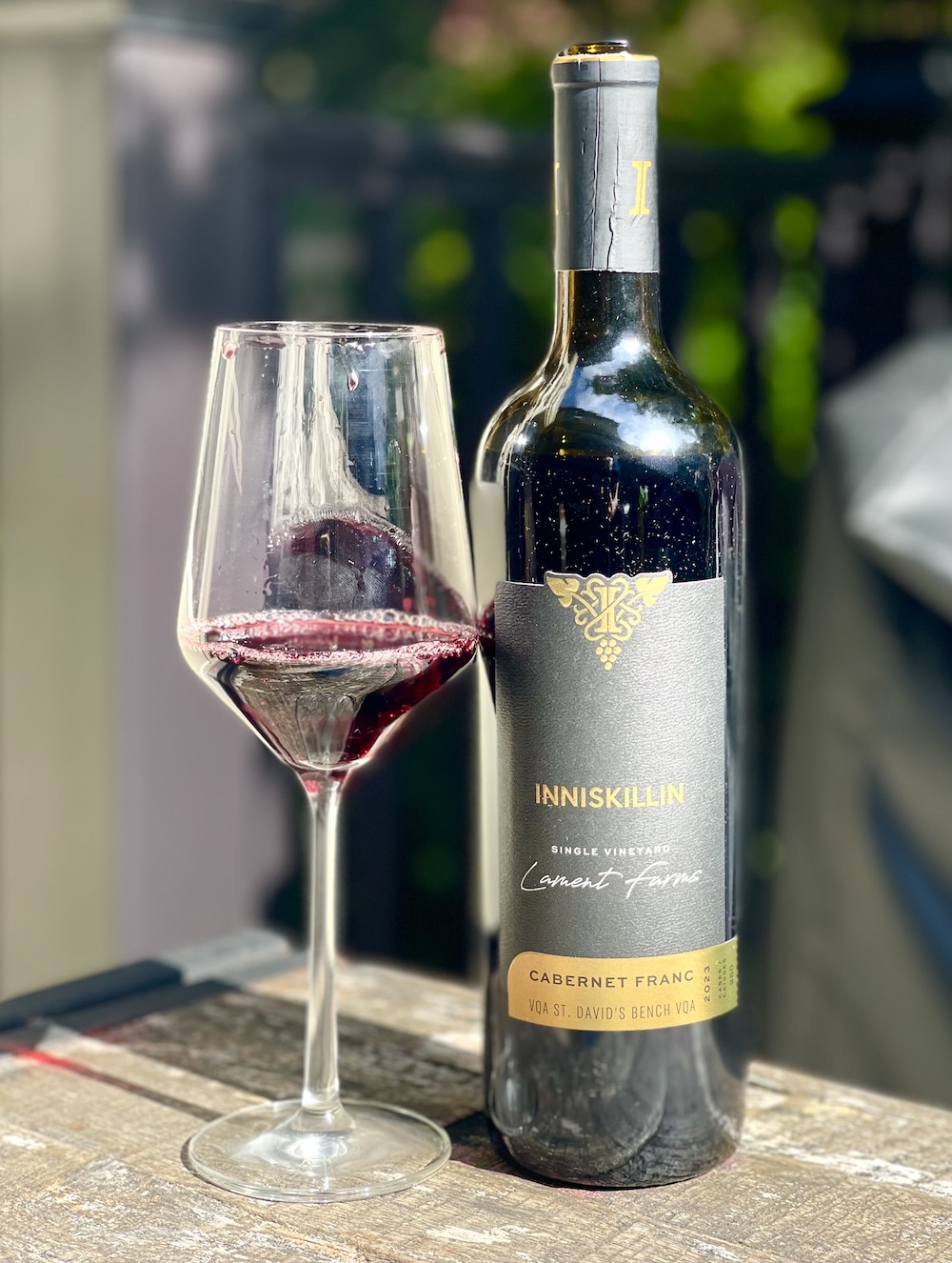
Inniskillin Lament Farms Cabernet Franc 2023 ($37, 92 points) — The Lament Farms Vineyard is located in the St. David’s Bench sub-appellation. The grapes were gently crushed and pressed with a cold soak for two days and sent to French oak barriques (15% new oak) of for 14 months. This is an elegant expression of Cabernet Franc from St. Davids with a lifted, perfumed nose of pureed strawberries and cherries, floral notes, herbs, a touch of cassis and fine oak spices. It turns bolder on the palate with red and dark berries, black licorice, cocoa, charred cedar and savoury notes with polished tannins on a bright, finessed finish. Drinking really fine right now but can cellar through 2032. |
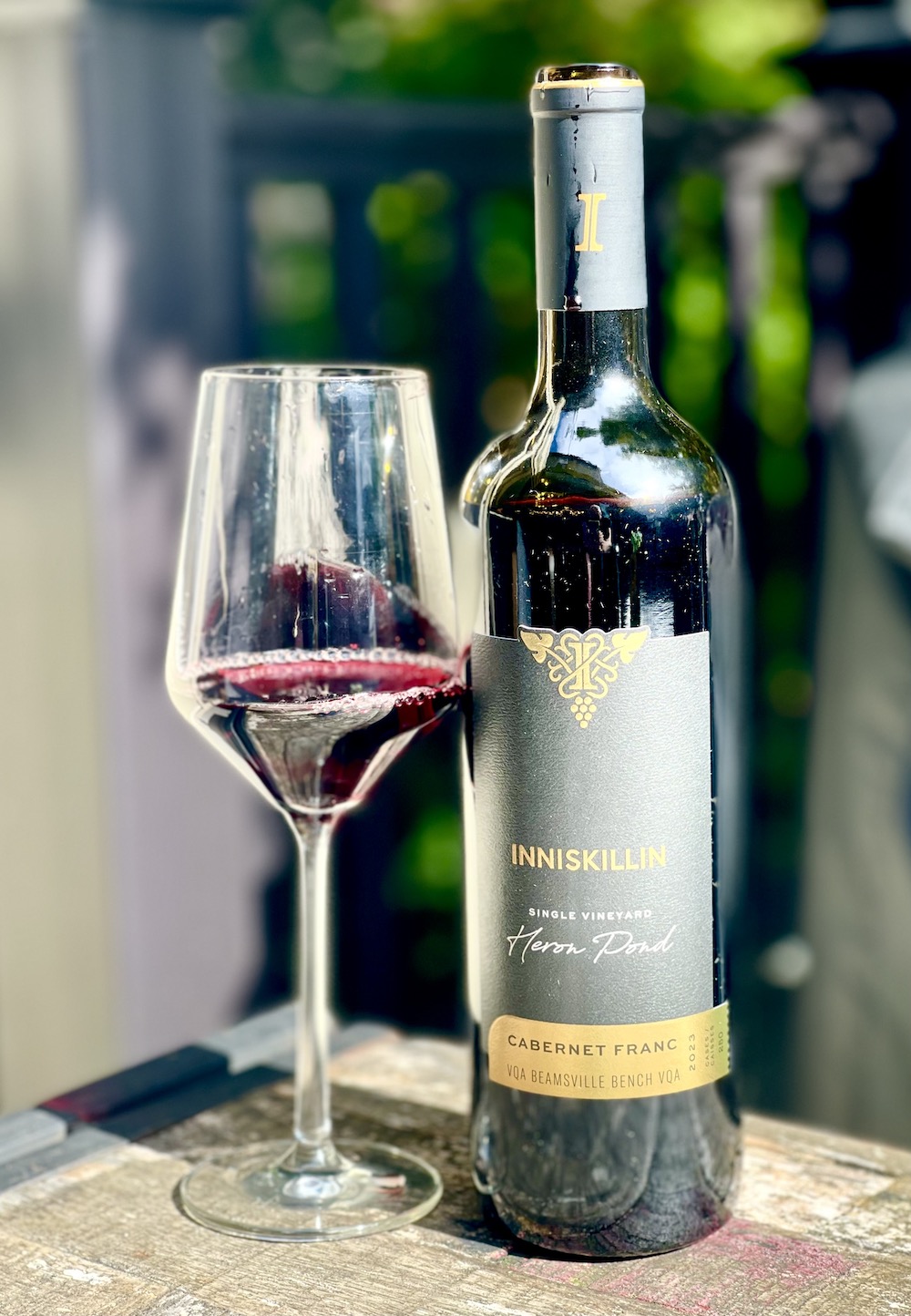
Inniskillin Heron Pond Vineyard Cabernet Franc 2023 ($37, 93 points) — Inniskillin went to the Beamsville Bench for this more structured version of Cabernet Franc. Heron Pond is on a high point of the Bench with one of the most stunning views across Lake Ontario to Toronto in Niagara. The same fruit that went into this wine is also used for vineyard owner Graham Rennie’s mostly appassimento portfolio of wines under his brand Rennie Vineyards. The grapes were gently crushed and pressed with a cold soak for two days. It was aged in French oak barrels (15% new oak) for 14 months. It has a lovely savoury/brambly opening on the nose with ripe black cherries, minty herbs, black currants, plums, leather and integrated spice notes. It shows structure on the palate with fine-grained tannins and ripe red berries, smoky/savoury notes, dried tobacco, herbs, anise and spices on a long, lifted and bright finish. Can cellar through 2035. |
Flat Rock Cellars thinks outside the box

Flat Rock Cellars on the Twenty Mile Bench has never shied away from thinking outside of the box. Its eclectic Monolith Series of wines is where the winemakers can step outside their comfort zone to bring consumers a taste of the wild side using innovation and experimentation.
Each vintage Flat Rock experiments with all the tools and parameters at their disposal. In some cases, choosing to let the differing outcomes stand on their own and give consumers the chance to see, taste and learn right beside the winemaking team. These ever-changing and constantly evolving projects drive the estate’s pursuit of knowledge and winemaking excellence.
The four wines reviewed here represent current “Monolith Series” wines, or wines that have graduated into the core brand, plus the top Pinot Noir in the portfolio. Even better news, all four wines are coming to the LCBO on Nov. 8 as part of the Local Talent feature. These wines have never before been offered to such a wide audience beyond the cellar door.
Here’s what I liked:
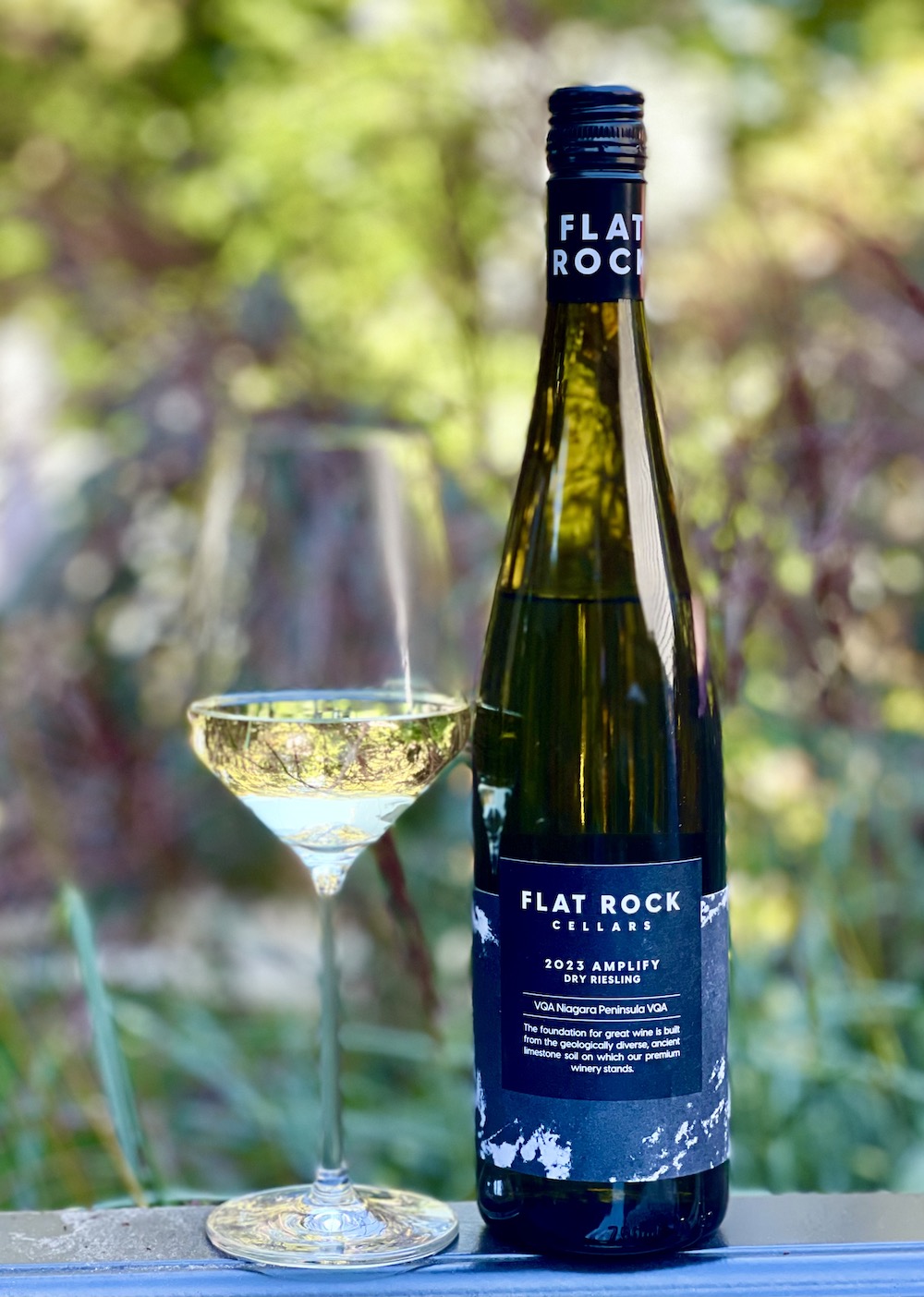
Flat Rock Cellars Amplify Riesling 2023 ($25, winery, LCBO Local Talent feature Nov. 8, 91 points) — This amped up Riesling is a graduate of the Monolith Series and now has a more permanent place in the estate’s Foundation Series. It’s barrel aged for 12 months in a mix of French and American oak and undergoes full malo. It has a bold nose of lime, creamy lemon, green apples, ripe pear, saline minerality and nectarine. It’s dry on the palate with a creamy texture, bright citrus notes, peachy/pear fruit, apricot tart, just a hint of spice notes and a soft, rounded finish with juicy acidity.
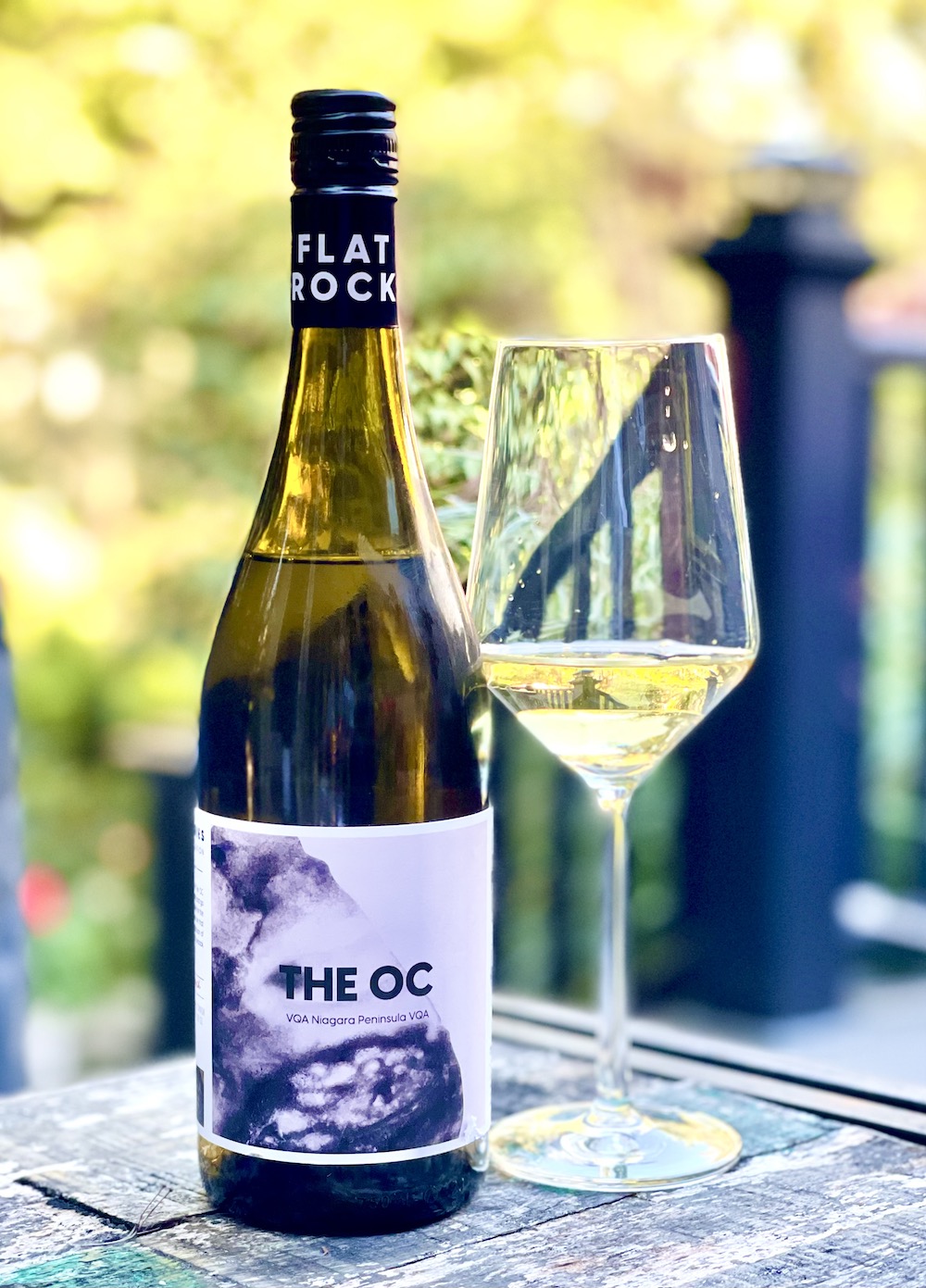
Flat Rock Cellars The OC Chardonnay 2023 ($35, LCBO Local Talent feature Nov. 8, 92 points) — The Monolith Series OC (Oaked Chardonnay) hearkens back to those pre-millennial heady California/Australia winemaking days when they smothered those Chardos in oak and consumers couldn’t get enough of them. Times have changed and Niagara, including Flat Rock, is certainly more known for its more nuanced, elegant style of Chardonnays, but this is a fun look-back at a style that once drove the market. The grapes for this wine were picked at maximum ripeness and sent straight into new French oak barrels for 21 months with regular lees stirring. And then, just before bottling, the wine was sent to another set of new barrels to create this “boundary-pushing” Chardonnay from bygone days. The judicious use of oak and long hang-time in the vineyard shows up immediately in the glass with a deep golden colour followed by full-on ripe orchard fruits of peach, poached pear, nectarine, lemon tart, toasty vanilla bean and spice box. The palate mirrors the nose with super-ripe orchard fruits, a creamy/rich texture, biscuit, stony minerality, plus buttery-caramel and spice notes. It’s big, it’s bold, it’s decadent but still maintains a sense of freshness on the finish from the mouth-watering acidity Niagara is famous for. No need for cellaring, this is rocking it right now.
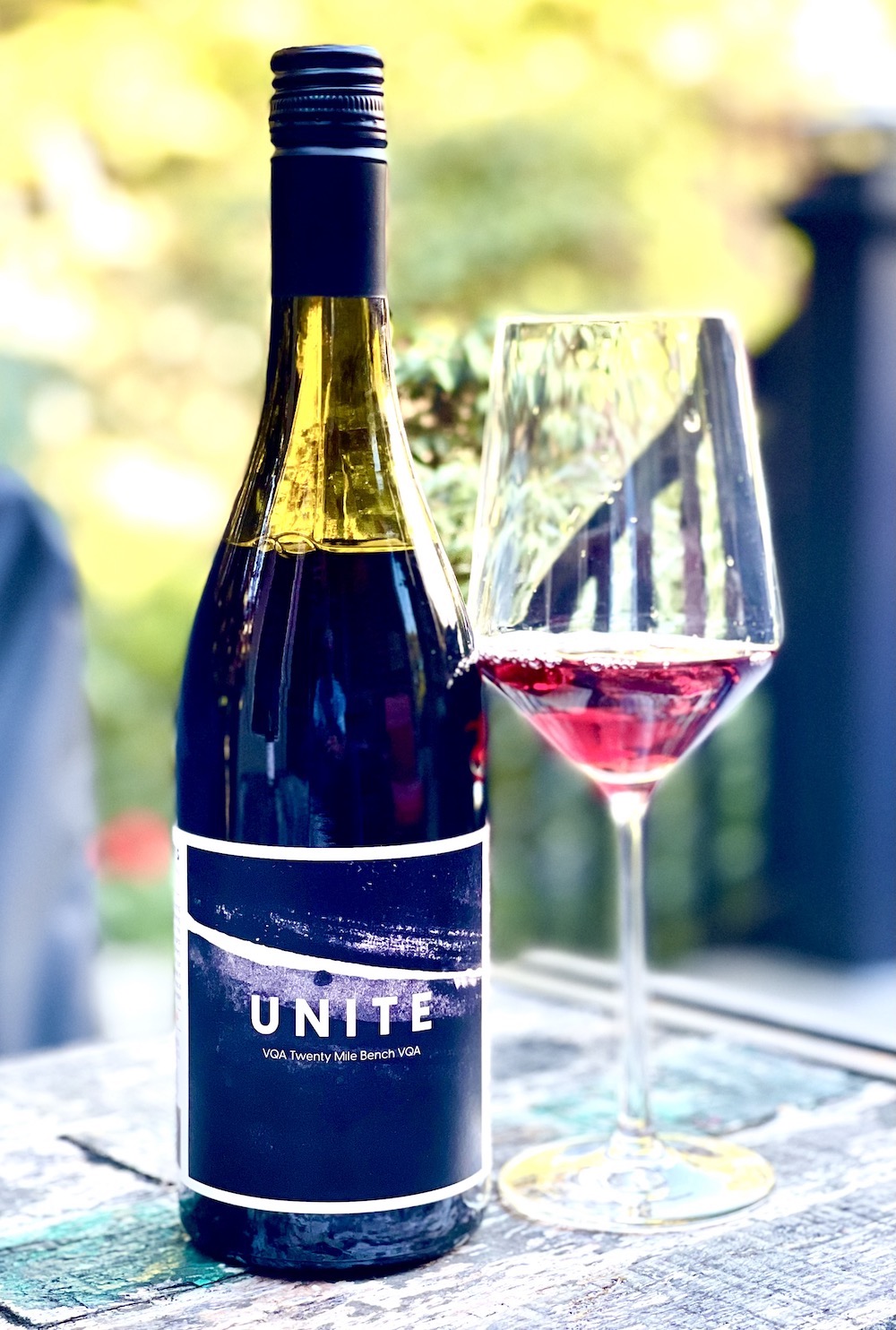
Flat Rock Cellars Unite 2023 ($35, LCBO Local Talent feature Nov. 8, 89 points) — Another Monolith project, with a far different twist. It kind of makes sense, considering Flat Rock puts both Pinot Noir and Chardonnay at the centre of everything it does. With the Unite, the winemakers are letting both varieties have fun in the same playground, blending 73% Pinot Noir with 27% Chardonnay that was co-fermented and sent to neutral French oak barrels to age for eight months. Now, being a neophyte in tasting these two varieties blended together (outside of sparkling wine) I decided to chill it slightly for this tasting. The colour is light Burgundy with a nose of fresh red berries, plums, cassis and subtle notes of red apples and currants with only the faintest hint of spice. Minerality plays a role on the palate to go with red berries and a mishmash of orchard fruits on a silky-smooth frame and all leading to fresh, lifted finish. A bit outside the norm but a fun wine to taste and debate with your wine-curious friends.

Flat Rock Cellars Hexa Pinot Noir 2020 ($70, LCBO Local Talent feature Nov. 8, 94 points) — This the ultimate expression of the estate Pinot Noir from Flat Rock Cellars, made only in the years that the winemakers feel best express this grape. It was the last grape pick of 2020, on Sept. 27th, from the 17th Street Block. The wine was 17% whole cluster fermented and aged in 10% new French oak barrels from five different coopers, including 50% Cadus barrels, owner Ed Madronich’s favourite oak. It shows a rich ruby colour in the glass with a profound nose of black cherries, ripe strawberries, brambly raspberries, fresh turned soil, jammy black currants, and toasty vanilla-tinged spices that all comes at you in waves. It’s rich, opulent and layered on the palate with a silky texture, fine-grained tannins and layers of ripe and sweet red berries, anise, cedar notes, chalky minerality, and spice with on a luxurious, lifted and long finish. Drinking fine right now but can cellar through 2030.
Comment here