

By Rick VanSickle
CARCROSS, Yukon — Every wine lover has a memory where it just clicked for them, that moment when they knew wine was something special, to be enjoyed with friends on the back porch or over a great meal, a nice little spark to spice things up.
Note: This is a repurposed story I wrote for a magazine over a decade ago. It seems apt today, give the current obsession to show off those trophy wines on social media.

You may even remember that first sip, that first bottle and where you were when you had it. For me, those memories still loom large, even after all that time.
I was a young pup living and working in Whitehorse, Yukon, after finishing high school at a converted wilderness residential school in Carcross, just south of Whitehorse. We picked up a bottle of the cheapest red wine we could find, a little gem called Calona Royal Red that sold for well under $10 a jug (equal to a litre, and now sells for $24 for two litres) and hit the road for Dawson City one weekend. In those bad old Yukon days, passengers could consume liquor in vehicles as long as the driver refrained, of course.
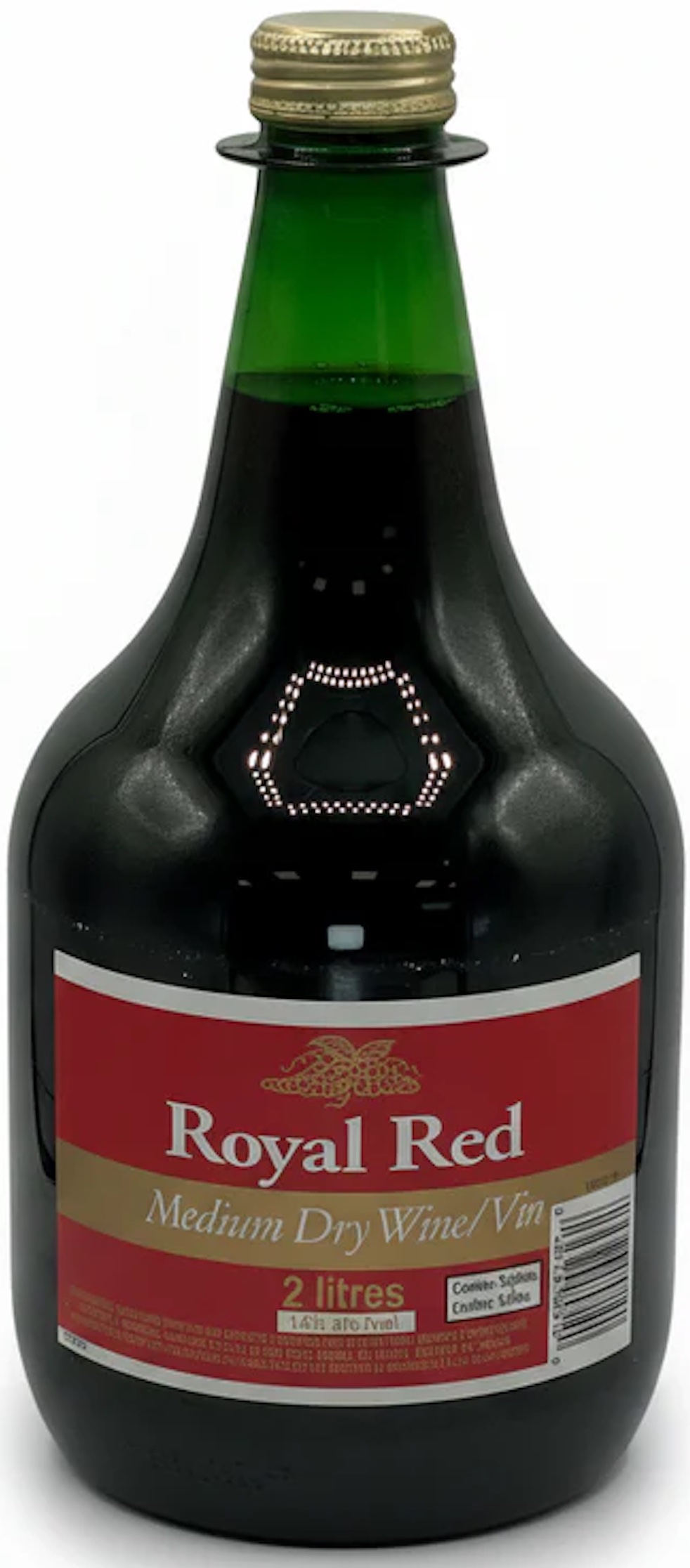
We hopped into my bright yellow 1960s era International Harvester panel van, me in the backseat, and headed north. We passed that jug wine around liberally as we strummed guitars and sang loudly. I can’t tell you that wine was great (or even good) but the long journey on a dirt highway was a heck of a lot more fun with it on board.
I have progressed from non-descript red jug wines, but I have never forgotten my roots, the warm and comfortable feeling one gets when sharing a bottle of wine with friends no matter where you are and what the wine is.
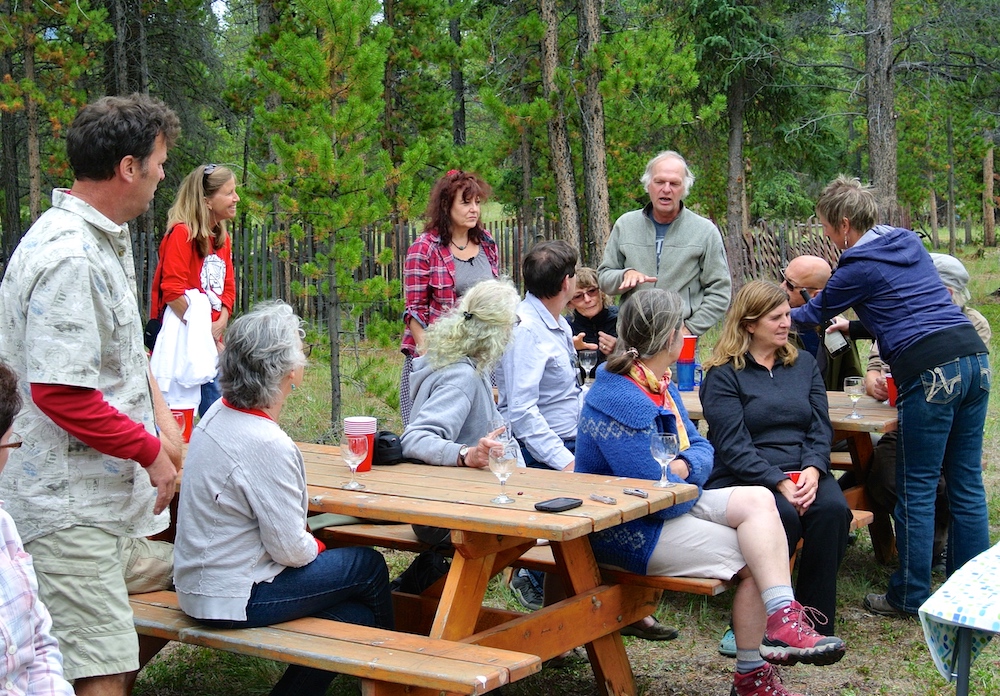
I travelled back to the Yukon in the summer of 2015 for a reunion at the school I attended for Grades 11 and 12 called the Carcross Community Education Centre. With the school long since demolished, we rented a community centre and campground along the Annie Lake Road, a 20-minute drive from the tiny town of Carcross. There were well over 120 people who came up for the reunion from as far away as Beijing and activities — from mountain climbing to wilderness golf — were planned by the group to keep everyone busy over four days.
Thinking it would be fascinating to return to the Yukon after 35 years with something more than a fondness for cheap jug wine, I organized a tasting for the first 20 people who signed up. The rules were simple: everyone brings a bottle of their favourite vino from wherever they were coming from. Each wine was tasted with the group, and whoever brought the wine, discussed why they liked it.
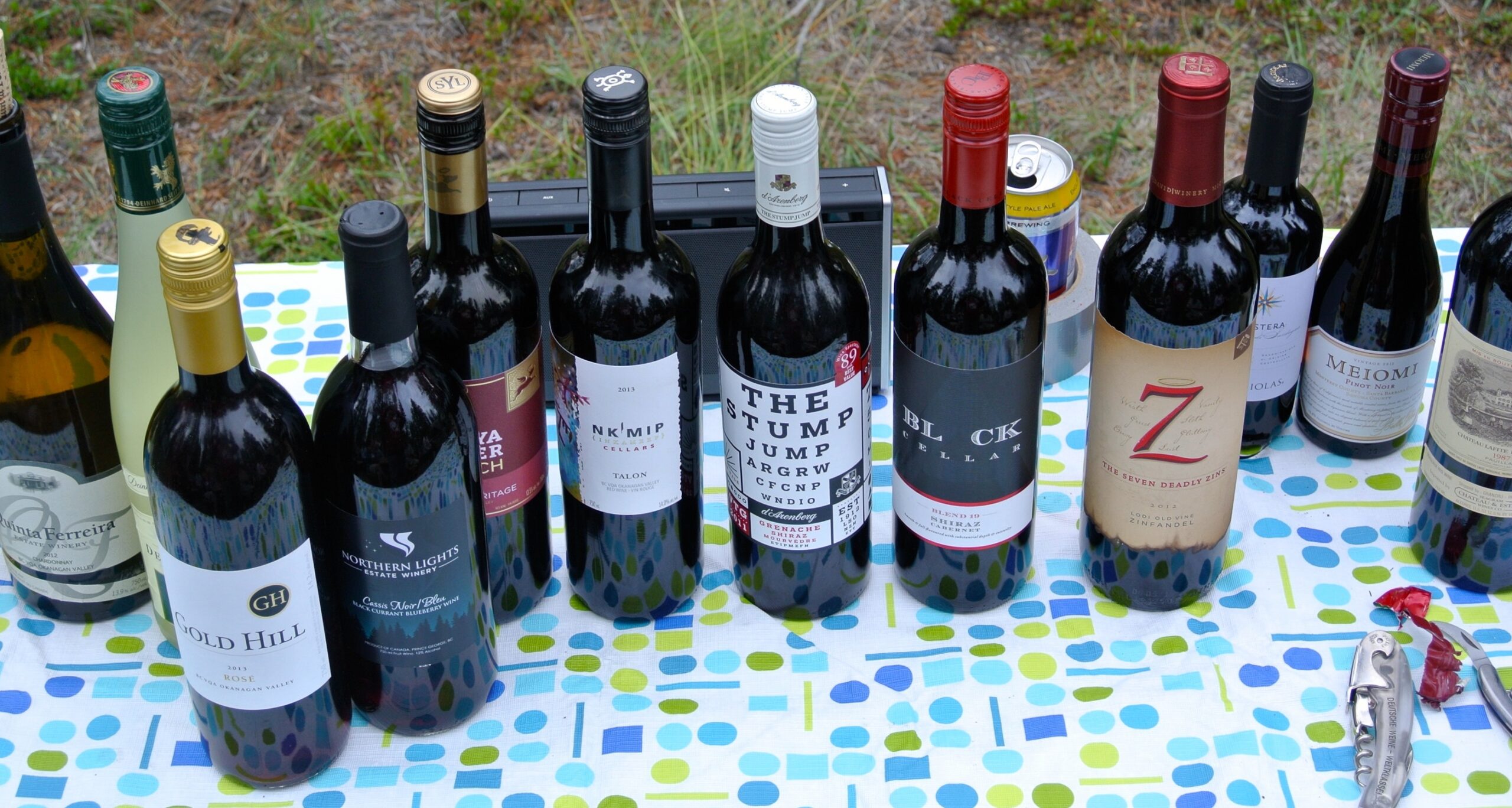
Many of the wines people brought as their favourite did not surprise me: J. Lohr Seven Oaks Cabernet Sauvignon, Seven Deadly Zins, The Stump Jump Grenache Shiraz Mouvedre, Meiomi Pinot Noir and even Black Cellar Blend 19 Shiraz Cabernet (an international/Canadian blend made by Andrew Peller … kind of cool, since the Calona Royal Red was also a Peller product). These are popular wines, loved by millions, and consumed by the boatload. They cater to a wide swath of consumers’ palates and each person who stood up to talk about their wine did so with passion and conviction.
The second batch of wines was a bit more discerning, more personal: Quinta Ferreira Chardonnay (Okanagan), Northern Lights Cassis Noir Blue (black currant/blueberry wine from Prince George), See Ya Later Ranch Meritage (Okanagan) and Nk’Mip Cellars Talon (a red blend from the Okanagan). Those who took the time to source these wines have a strong connection to local wines, they searched hard for the style they wanted to share and expressed that with interesting stories of going from winery to winery to discover the wine that floats their boat. They were thoughtful choices, a reflection of what they love and partially driven by their experience of finding it. That they were now drinking them with friends in the wilds of the Yukon surrounded by majestic mountains and shimming emerald lakes will only solidify those wines in their memory banks for years to come.
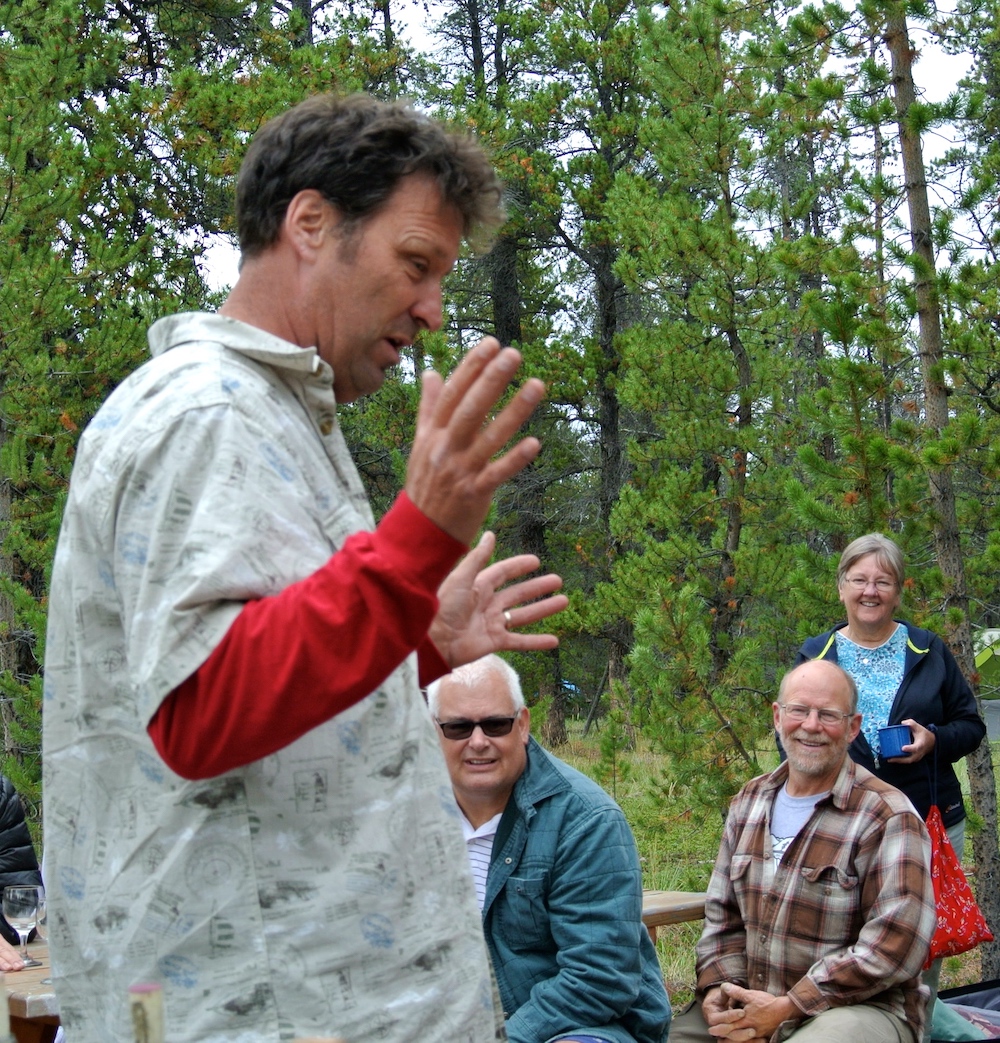
One wine that struck me was the Gold Hill Rosé 2013 from the Okanagan Valley, brought to the Yukon by Rob Purgavie (passionately discussing his rosé, above), now a retired schoolteacher from Duncan, B.C. Not because I loved it but because it was so roundly applauded by the tasters.
This was the darkest, boldest and most un-rosé-like rosé I’ve ever tasted. It was chewy (!), robust, high in alcohol, and exploding with so many flavours that if I had tasted it without knowing what it was, I would have guessed it was a full-on Syrah from Australia, but certainly not rosé.
Purgavie spoke for a long time about how this wine grabbed his full attention, and he could barely contain his excitement when introducing it.
Then it was my turn. I was ready to rock the house with a little treasure I wanted to share with the group. I had kept it under wraps until nearly the very end and I was about to BLOW SOME MINDS (well, that was the plan).
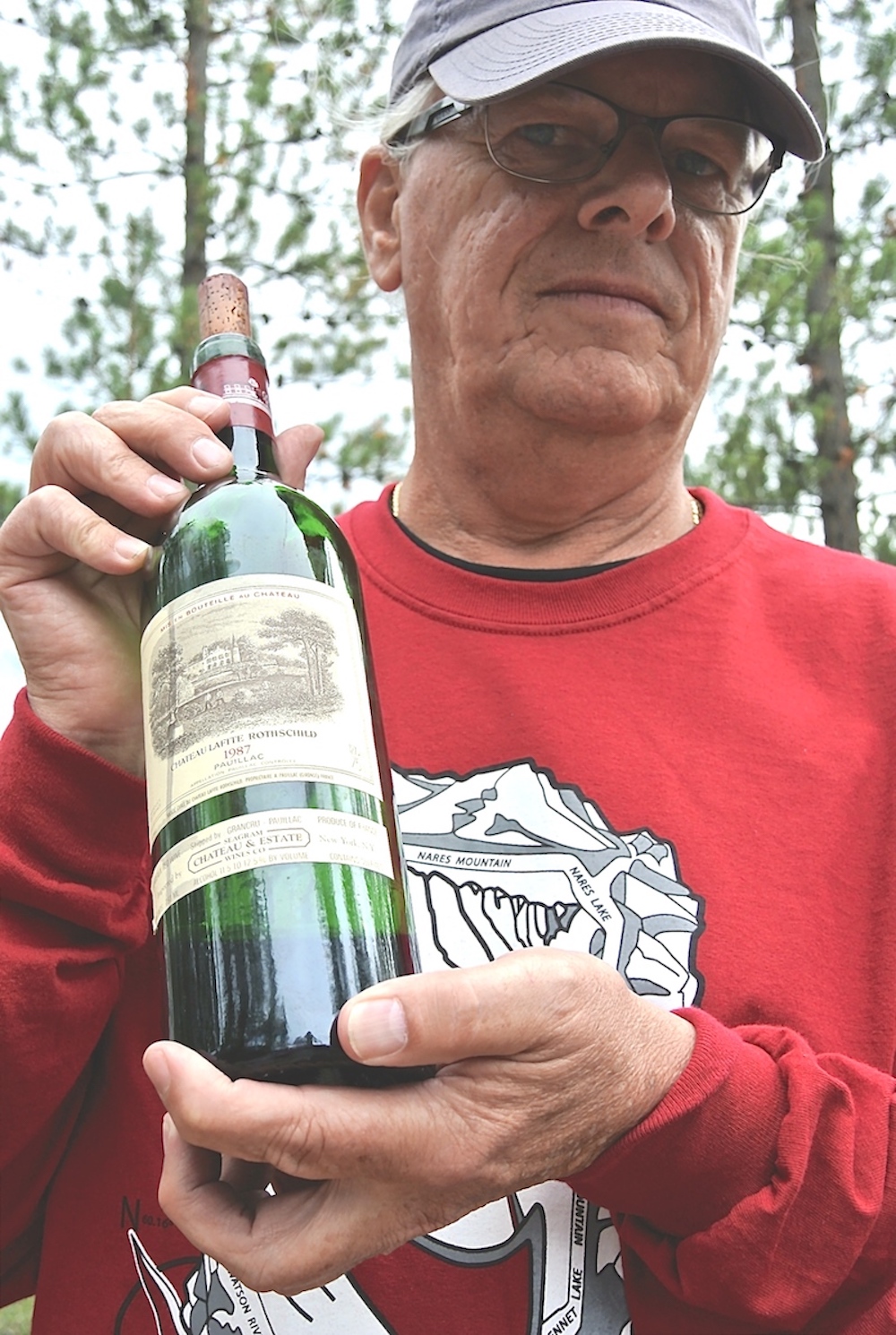
First pouring the wine into 18 glasses, I then introduced this secret weapon: a “First Growth” Bordeaux, Chateau Lafite Rothschild 1987. It is from the most famous chateau in the world, Benjamin Franklin’s go-to wine, the most collected wine on the planet and the wine most copied for fraudulent gain.
People have gone to jail because of this wine! Just read the Billionaire’s Vinegar: The Mystery of the World’s Most Expensive Bottle of Wine by Benjamin Wallace, and you will understand the essence of Lafite and why people who can afford it would do anything to get their hands on a bottle. Despite all the mystique and romance of Lafite, it is truly a thrilling wine and I brought a bottle of it to the Yukon, likely the first bottle of Lafite ever consumed in the territory’s vast wilderness.
It was old, a bit tired in fact, and not from a great vintage, but had those mushroom-y, graphite, earthy-fruity notes on the nose that led to a complex palate, now totally integrated, with pretty red fruits, bramble and depth through a silky finish. It was down, but it was not out. At least my mind was blown. But I didn’t hear applause like there was for the rosé.
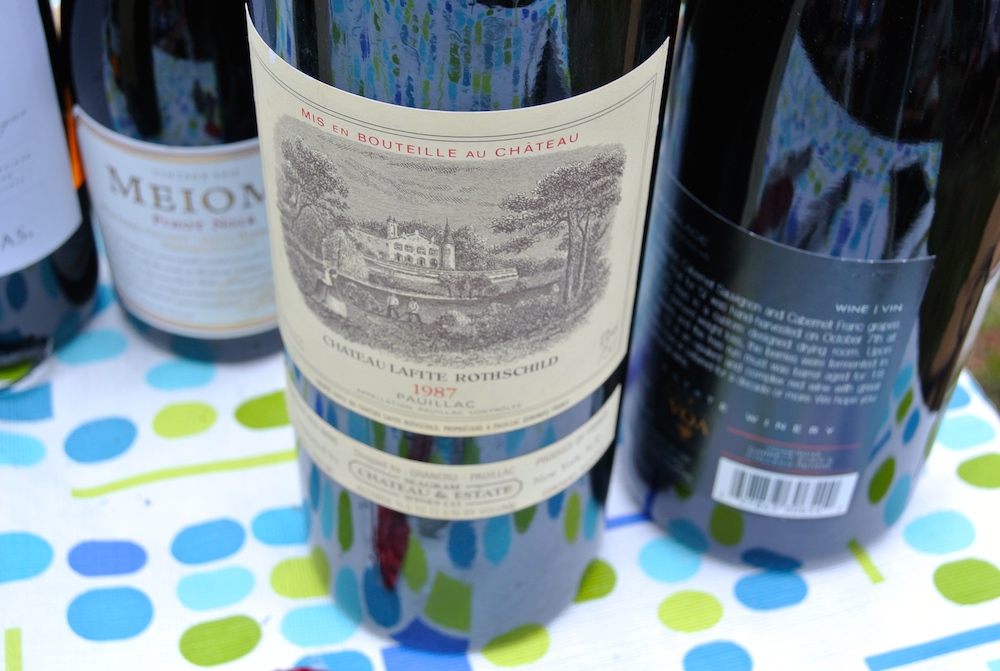
There was just stunned silence until someone finally asked what a bottle of that would cost. Well, if you could find one at auction, it’s goes under the hammer anywhere from $600 to nearly $1,000 a bottle, I said. More silence, and puzzled, icy stares.
Lee Mennell, a former teacher of the school, an artist and full-time Yukoner living the life in Carcross with his wife and family, finally spoke. “I don’t really like it. It tastes old.”
It was like a dagger through the heart. Old? Of course, it’s old. It’s from 1987. It’s Bordeaux, it’s supposed to be old. But, but … don’t you see the beauty and gracefulness in the evolution of the wine? A living, breathing thing that can transform into this grand old dame who can still impress with one sniff, one sip … don’t you see it?
Nope, they did not.
When it was all said and done, I took my under-appreciated bottle of Lafite and headed off into the night and drank its chunky remains in the confines of my wilderness accommodations alone but happy. I didn’t even let the plastic cup bother me one bit. It was somewhat of an ignoble end to a glorious bottle of wine. But at least it wasn’t Calona Royal Red in a jug.
There is a lesson here, one I have never forgotten. Wine isn’t about expensive, showy bottles. It’s always about who you are sharing it with, the pure joy of celebrating the friendships you have, and the warm, embracing feeling when sharing that wine with other people — even if it isn’t your cup of tea.
Thanks Rick for all the information over the years. I grew up in St. Catharines but moved to Alberta in 1980. I return frequently.
I really appreciate your quick responses to any of my questions and inquiries.
I wish you the best possible outcome with your health challenges.
Thanks so much, Steve. Appreciate you reaching out. Rick
Yet another great story and certainly one every loyal reader of Wines in Niagara can relate to. I’m fortunate to have had the chance to enjoy both the Royal Reds and the Lafites in my life and honestly, the memories that are most vivid and durable are the ones where the time, place and people stand out, not the wine. Every single great wine memory I have has a vivid context. Gallo jug wine with Andrea on a lake in the Yukon. Clos de Tart 1985 in the hotel Vancouver lounge with an old friend, Brian Turner. There are so many others. The only wine memory I have where I was alone was a magnum of Baby Duck after my last exam at u of Guelph in 1989. At least that was accompanied by Kentucky Fried Chicken and a nasty hangover.
Wine has always been more than a beverage. It is a bridge. Every bottle begins in a particular place, shaped by a season, a landscape, and the hands that tended it. Yet its purpose is fulfilled only when it brings people together around a table. The wine provides the bridge; sharing a glass conversing and laughing carries us across it. Rick you are one of those rare bridge building individuals that touch so many!