

By Rick VanSickle
I did not know it at the time, but my career as a wine junket writer was about to come to crushing halt.
It was in November of 2012. I had just returned from a 10-day junket to world’s holy grail of wine in the heart of Burgundy. My story was filed to Wine Tidings, the editor loved it, and after the presses rolled and the glossy magazines were shipped to subscribers across the country, there was no indication of the fall out.


But it would come. No more trips to France. No more invites to Burgundy or Bordeaux and many other regions in the EU as word spread. I was blacklisted. No one officially told me I was, but the invites dried up, and word leaked back to me that it was likely because of that Burgundy story I wrote in 2012. Apparently, someone did not like it, no, not one bit.
I chose a curious lede for my story following a spectacular, chance-of-a-lifetime tasting of some of Burgundy’s greatest Grand Crus, 45 of them, Chardonnays on one side, Pinot Noirs on the other. They were lined up for us to taste blind on the fourth day of a 10-day journey through Burgundy. Every two years, select wine journalists from around the globe are invited to the Grands Jour de Bourgogne, an intense exploration of the main Burgundian regions. But it wasn’t so much the wines that grabbed my attention, after all, I had been swishing, swirling and spitting Burgundy wines for four days. It was getting tedious and all too much, each one tasting like the last one.



Something caught my eye, and I pounced on the absurdity of it and decided this is where I would begin my feature article. Here is what I wrote:
CHATEAU du CLOS de VOUGEOT, Burgundy — There was nothing striking about the average looking man in the smart blue blazer as he approached the spittoon swiftly and with purpose. His lips were squeezed tight as he swished, savoured, and contemplated the wine he had drawn into his mouth.
But things were about to get weird. Suddenly, he lunged forward, violently, as if to liberate the contents in his mouth into one of the large buckets spread around the room. But he didn’t spit it out.
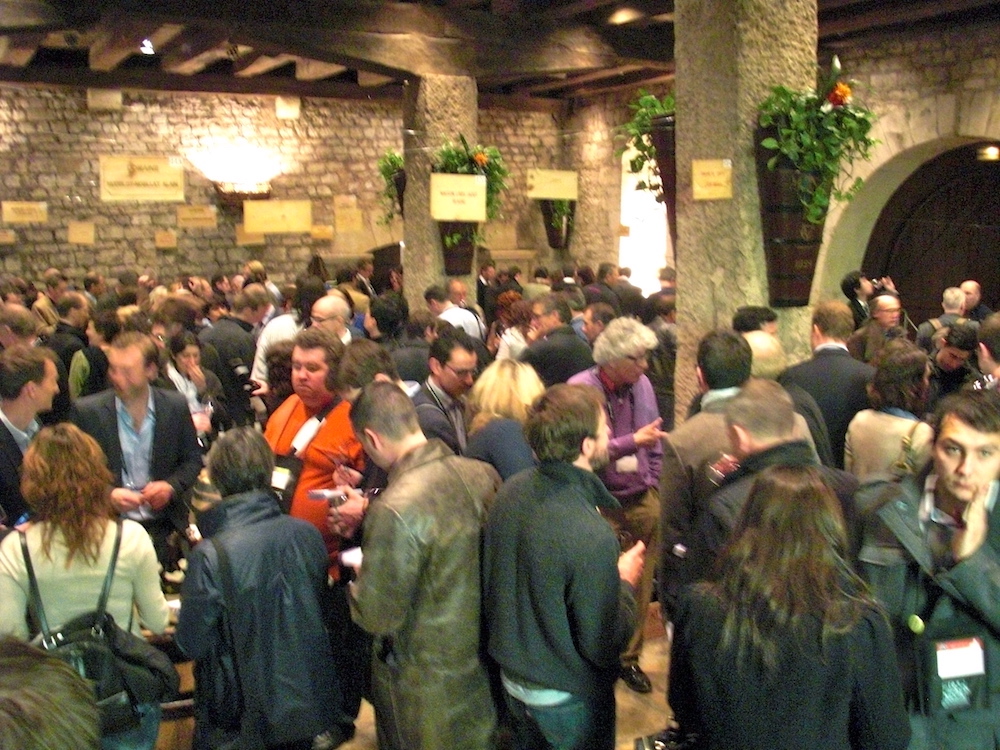
He tilted his head back, rolled his eyes, and began swishing all over again, drawing in air as the wine gurgled loudly in his mouth. He had staked his spot beside the spittoon and a crowd started gathering, albeit at a safe distance. He leaned into the spit bucket with a series of wildly undulating false alarms, rocking like a man possessed, each time appearing to discharge his wet cargo. One, two, three … seven, eight, nine …14, 15, 16, 17, his head bobbing like a starving chicken, each time looking as if he would finally unleash the Grand Cru Burgundy in his mouth.
From time to time the bravest of the wine tasters would sneak in a quick spit in between his lunges, but most kept their distance out of fear of being spat upon or simply because they didn’t know what this unusual man was doing.

I was standing with Walter Tommasi, a wine journalist from Brazil, trying to make sense of what was going on. Was it a joke? (It certainly was funny; we were laughing our heads off … at a safe distance.) Was he paid to put on some sort of mock performance of a wine journalist spitting spent wine? (The organizers said no.)
Without warning, as the crowd of gawkers grew larger, the man lunged one more time. It was lucky No. 18, as the slavering wet mess hit its target. A bull’s-eye! The man, oblivious to all the spectators, had a look of pure relief, like he had just experienced the most pleasurable moment of his life (if you know what I mean). He straightened his jacket, turned and was lost in the crowd as he headed back for another taste only to repeat the process several more times.

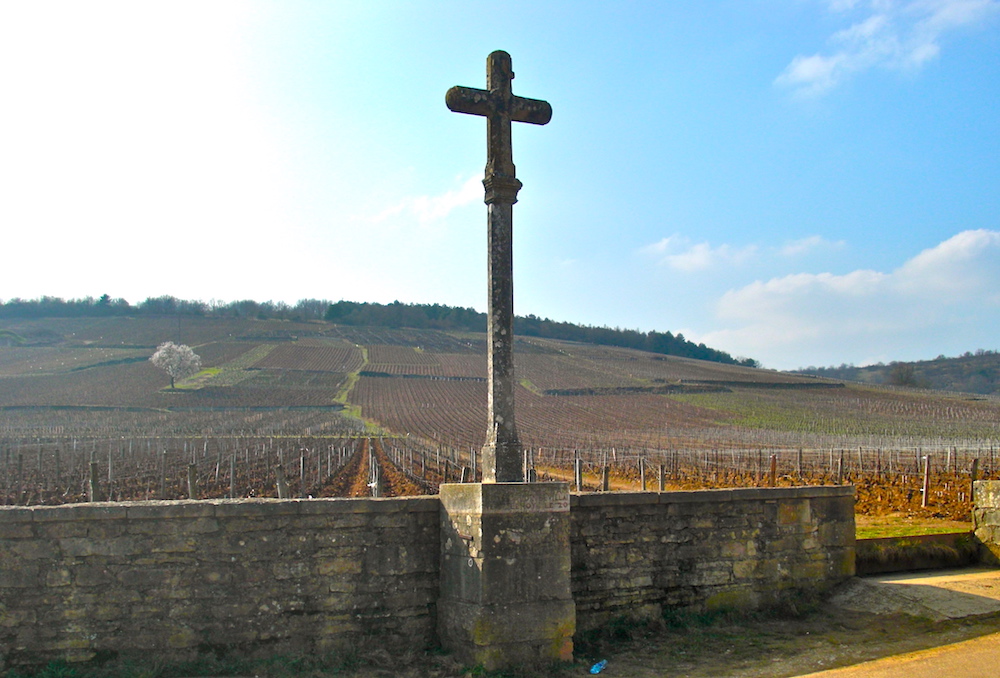
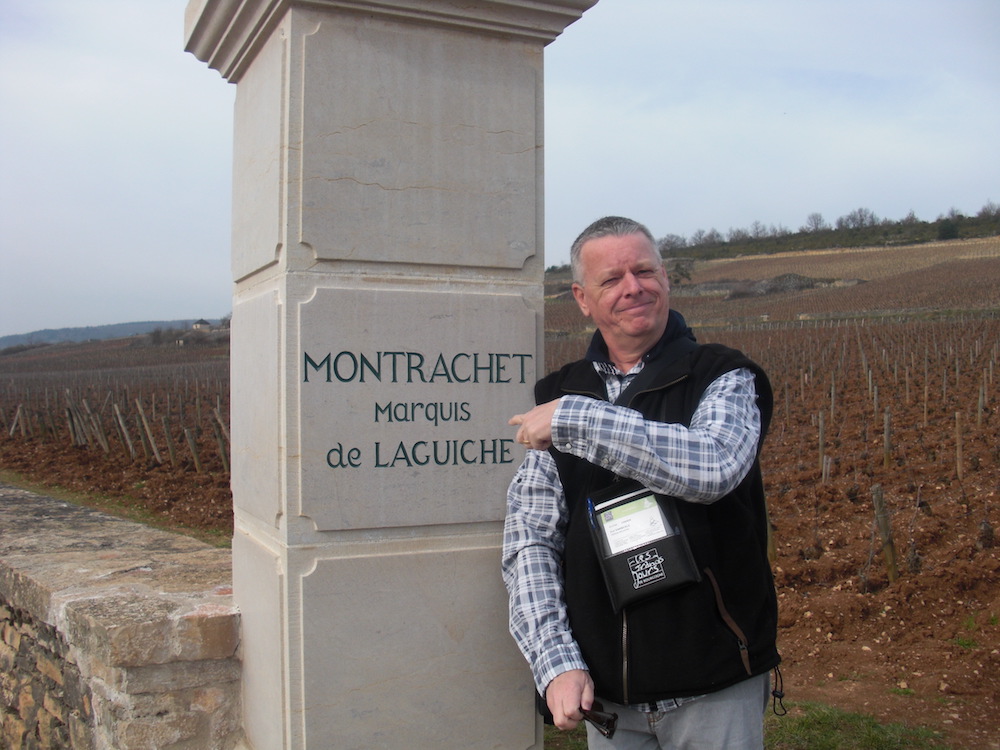
I then proceeded to write what every other wine journalist who was flown into Burgundy was going to write and exactly what the marketing folks wanted us to write. Gushing words on the grand crus of Chablis after a tasting of 160 producers from the region crammed into the La Maison des Vins de Chablis in the centre of the village, the obligatory stop in Vosne-Romanee to stand on the edge of arguably the greatest vineyard on the planet, Romanee-Conti, and then onto another historic and awe-inspiring vineyard, what many consider to be the Holy Grail for Chardonnay in the world — the Montrachet vineyard situated in the southern tier of the Cote de Beaune (which is in the southern half of the Cote d’Or) between the two communes of Chassagne-Montrachet and Puligny-Montrachet and is surrounded by four other Grand Cru vineyards all having Montrachet as part of their names.
We did not taste wines from the Montrachet vineyard or the Romanee-Conti vineyard, but I wrote glowingly about the finest grand crus — 45 of them — from Burgundy at Chateau du Clos de Vougeot in Cote de Nuits. It was a thrilling experience. Echezeaux, Grands Echezeaux, Romanee Saint-Vivant, Chambertin, Clos de la Roche, Clos de Vougeot (Grand Cru reds) and Batard-Montrachet, Corton, Corton le Corton, Chablis Vaudesir and Chablis Les Clos (Grand Cru whites) were all poured in a once-in-a-lifetime tasting. Each wine more thrilling than the next.
Over 100 wine scribes dove into the tasting at a fervent pace, sniffing, swirling, and spitting mouthfuls of wine that will fetch hundreds, even thousands of dollars a bottle by the time they reach Canadian store shelves. It was truly magical.
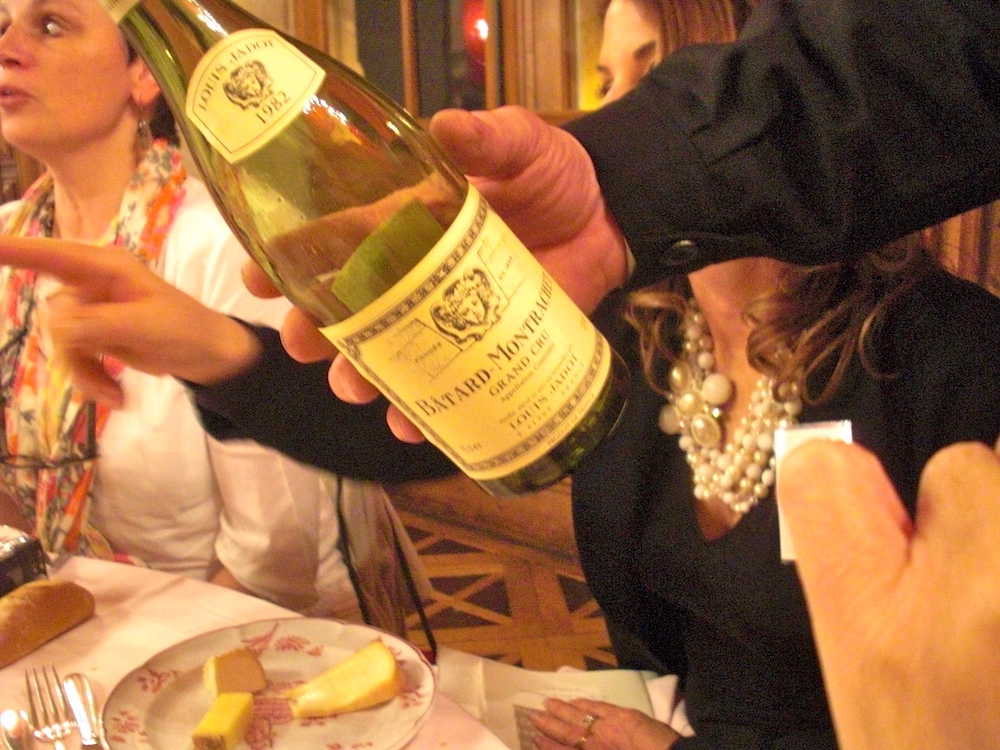
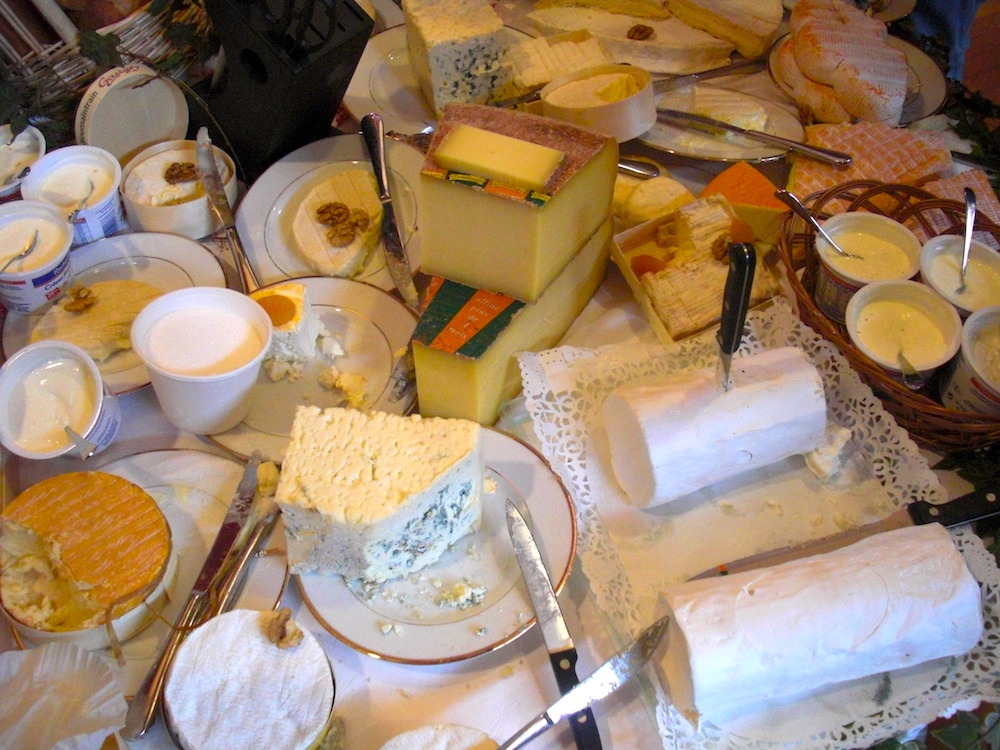
The greatest pairing of the meal was a regional cheese plate served with a Louis Jadot Batard Montrachet 1982 (yes, 1982!). The Chardonnay oozed minerality and buckwheat honey, lanoline, slate, charred wood, warm apple and candied citrus notes. It truly was a hedonistic experience, and a wonderful exclamation point on a thrilling meal. And what I wrote would be enough to make any marketing host drool with pride. But the damage (for me) had been overshadowed by how I began my story.
I did not know it at the time, but that story would pretty much be the last I would write with the proviso of a wink and promise between the writer and the marketing folks — at least in France.

That uncomfortable relationship between journalists and junkets, whereby what you are going to write is understood without being explicitly said, is uncomfortable for a reason. What they wanted was favourable coverage, not critical, controversial and justifiable (in their eyes) for the thousands of dollars they paid for you to be there. It never sat well with me, I never felt comfortable, yet I did my best to meet the minimum requirements because I needed content to fulfil my newspaper and magazine commitments. And I needed to get paid for my time.
There are lines I drew for myself. No lies. If the food was terrible, just don’t write about it. If the wines just didn’t cut it, ignore them, move on to what moves you and what might move your readers. If your marketing agenda is too full, tell them it’s not doable and negotiate breaks and detours. Never promise a story — it’s assumed you will write something but if the trip was a disaster, you can’t write something that will tarnish your own brand or sacrifice your integrity even if you never get an invite to go back.
Only once (OK, twice, the other noted near the bottom of this post) did I NOT write something from a junket. I was working at the Toronto Sun as the assistant managing editor and was offered a travel junket to the Bahamas as a reward for hard work (this was a common “perk” for staff). I accepted the assignment. What could go wrong? Five days at a five-star resort in the dead of winter sounded pretty good to me. Come home, write a fluffy travel piece and be done with it.

On the first day, after an ocean-side feast under the stars, I immediately felt ill, like violently ill. I excused myself from dinner and retired to my room (which was anything but five-star, by the way). I was up all night, which was spent mainly in the washroom. By mid-morning I had already missed the first tour of the day, and I heard a knock on my door. I told them I was too sick to do anything that day.
I spent three days in my room, the junket was a write off and I returned to work with no intentions of writing about my experience unless they wanted the truth. The travel editor explained to me that they needed a story, that was part of the deal, and could I just write it up from the marketing bumph they provided. I refused on obvious integrity concerns and then I was blacklisted from future trips. I was perfectly OK with that.
I have been on dozens and dozens of wine, spirits and golf junkets. Some are better than others and some marketing people want a clear picture of what to expect from you. I wouldn’t deal with those people, as I did not know what I was going to get until I got there. I would always make sure I had a venue for a story of some sort before I went on a junket, otherwise what is the point of going? They don’t need to know that.
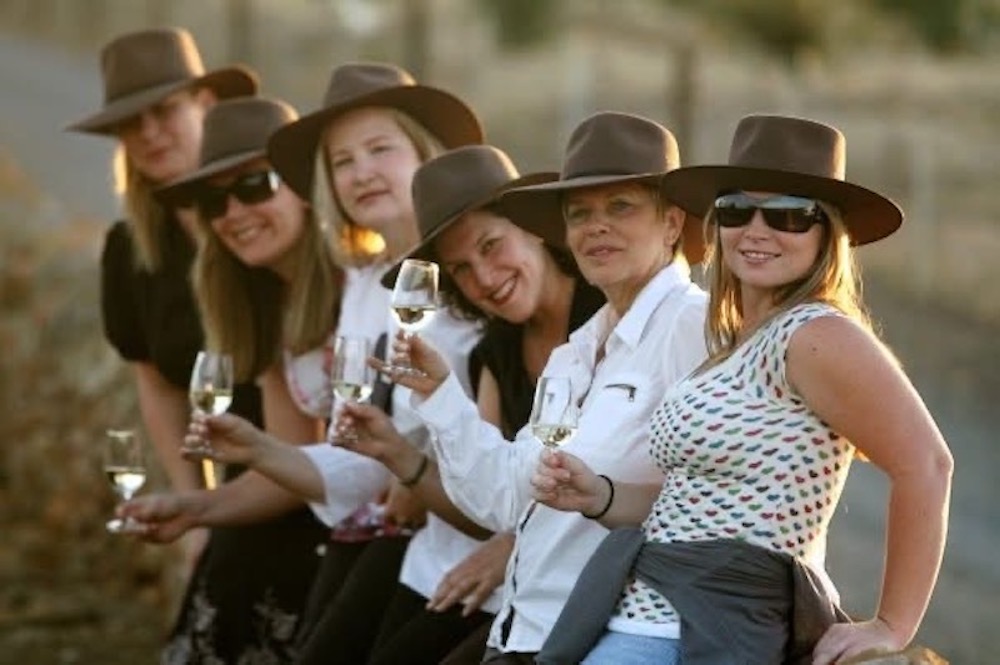
I know that marketing associations pay a lot of money to entice wine writers to come to their wine regions. But it is also a financial burden on the wine writers, who are primarily freelancers and must account for seven to 10 days away from home with very little in return financially. I was in a unique position when I accepted junkets as I was sometimes given the time off work to travel the world or used some of my six weeks of holidays. I would generally write a piece for the newspaper I worked at and freelanced to magazines for the ridiculously small fee of $300-$500 per feature. Seven days of eating other people’s food and drinking the best wines in the world — however good they were — hardly matches a few hundred dollars in return and a week away from your family.
Today, there is a new dynamic at play. The influencer has entered the fray with different rules and a completely different way of communicating their experiences. The traditional marketing co-ordinators are being replaced with social media experts, demanding a different style communication and, I assume, a different way of being paid. The planes and tour buses heading to the world’s top wine regons are packed now with a mix of traditional media and increasingly more content providers with vastly different agendas.

An enlightening, if not controversial, story by Alfonso Cevola, published last October on The Wine Trail in Italy website, which can be read in full here, tackled the new junket dynamics from clashing media entities in a post under the headline The Economics of Bullshit: Wine’s Junket Folly.
He set up his piece with this opening paragraph: “Scroll through Instagram on any given Tuesday and you’ll see them: sun-drenched vineyard photos, perfectly plated lunches in Tuscan courtyards, selfies with winemakers, glasses raised against golden-hour light. Don’t forget the hashtags — #blessed #winetasting #sponsored (maybe). The aesthetic is flawless. The credibility? Not so much.”
Cevola questions the unspoken contract, the understanding that all the fancy meals, first-class airplane tickets and accommodations come with some rules for “journalists.” He asks: “Is this journalism? Marketing? Or something murkier that we’ve all agreed not to examine too closely?”
He writes about the quid pro quo no one mentions. “Let’s be honest about what’s happening here. When a winery or consortium spends thousands of euros bringing writers to their region, they’re not funding some noble pursuit of truth. They expect return on investment. And the writers? They know it. They’re not stupid — just conveniently flexible about what ‘editorial independence’ means.

“The selection process itself tells you everything. You don’t get invited back if you wrote that the wines were overpriced, or the hospitality was lacking. The system self-selects for the pliable, the positive, the ones who’ll post pretty pictures and talk about ‘hidden gems’ and ‘undiscovered terroirs.’ It’s Darwinian, really. Survival of the most compliant.”

There’s a fine line between compliance and writing with integrity. As a journalist who accepted the occasional junket you must balance the story lines the marketing boards are putting in front of you and what you think will be of interest to your readers. You are not writing to secure your next junket, you are writing to tell a compelling story of the wine region you are visiting, the wines from that region and the stories of those who make the wines and grow the grapes.
There will be, and for me there have been, awkward moments when the marketing board insists that we all hop on a bus and visit some giant factory where mass produced wines are rolling off the line by the hundreds of thousands. You will be asked to taste that Relax Riesling, you will don silly white gowns and matching hats, and you will be given the full “VIP” tour looking like a goof ball. But you certainly DO NOT have to write one word about it.
Now, that holds true for the genuine writers, journalists, master somms, MWs, and industry professionals but not necessarily for the “serial abusers” of the system, as Cevola points out.
“The real problem isn’t the occasional press trip,” he writes. “It’s the professional hangers-on — the serial junket-takers who’ve built entire careers on free travel. They’re living the dream, funded by someone else’s marketing budget.”
Cevola says these people are easy to spot. They are in Napa one week, Tuscany a week later, and Champagne by the end of the month, all documented on Instagram in selfie after selfie with wine as the backdrop and the bare minimum of information to back it up. “They’re not wine writers who travel; they’re travellers who occasionally mention wine between selfies,” he says. “The telltale signs are everywhere: more photos of themselves than the wines, captions that could apply to any winery anywhere (‘What a magical day!’), and a concerning ratio of exclamation points to actual information.”
It’s not deep knowledge that they are imparting, but a series of selfies and stories on Instagram or TikTok that look amazing but gone from sight forever in 24 hours. I am not denouncing their craft, because creating impactful, albeit brief, stories and videos is a skill that I do not have.
More and more, the seats on the planes flying to exotic wine regions are being filled with more influencers than wine journalists. Marketing associations keep inviting them back, slowly squeezing out traditional media. Why, asks Cevola. “Because PR firms need to ‘fill seats.’ Because follower counts create an illusion of influence. Because nobody wants to admit they can’t measure the return on investment. So, let’s just keep doing it and hope the algorithm rewards us.”
And he’s not wrong, sadly. But it is wrong to be critical of something that is adding to the wine dialogue in a much different, and seemingly more accessible, way than what has been traditional wine writing.
Another concern Cevola raises is the rapid rise of “wine content creators” now making a living from a financial source that wasn’t and still isn’t available to traditional writers — the winery itself. Not that there isn’t room for everyone who wants to venture into the wine content business, hell, the more the merrier. But isn’t that on us, the more traditional wine writers? How do we make money, because everyone needs to be paid for their work?
Traditional media generally gets paid from their employer (usually a newspaper, magazine or website, income sources that are quickly drying up), in other words, the entity that agrees to pay for the story. If you are a website, such as this one, you rely on advertisers to foot the bill while offering no quid pro quo. If you are a blogger or on Substack, you might have paid subscribers. There are myriad ways to make wine writing pay, but a shrinking market for the stories.

The content provider, or influencer, depends on the winery or the marketing association to pay for content and their social media posts are geared favourably in their direction, without discourse or negativity, rather than to the followers who digest their posts.
Cevola says the two opposing worlds of legacy media and content providers leaves “wine lovers trying to navigate this increasingly murky information landscape (and they) deserve to know what’s genuine. Which recommendations come from expertise and which from expedience? The trust that took decades to build in wine media is eroding, replaced by cynicism.”
I don’t completely agree with Cevola on that point, not entirely. There are very good influencers out there providing insightful content and information through clever and frankly high-quality reels and videos jam packed with information reaching a demographic neither Celvola nor I could ever hope to reach.
The dynamics of wine communication is certainly changing, and the traditional junket is on the frontlines of that change, and maybe even extinction. I’m sure glad I’m not part of that community any longer, but also grateful for the opportunity to see the wine world at its finest on someone else’s dime.
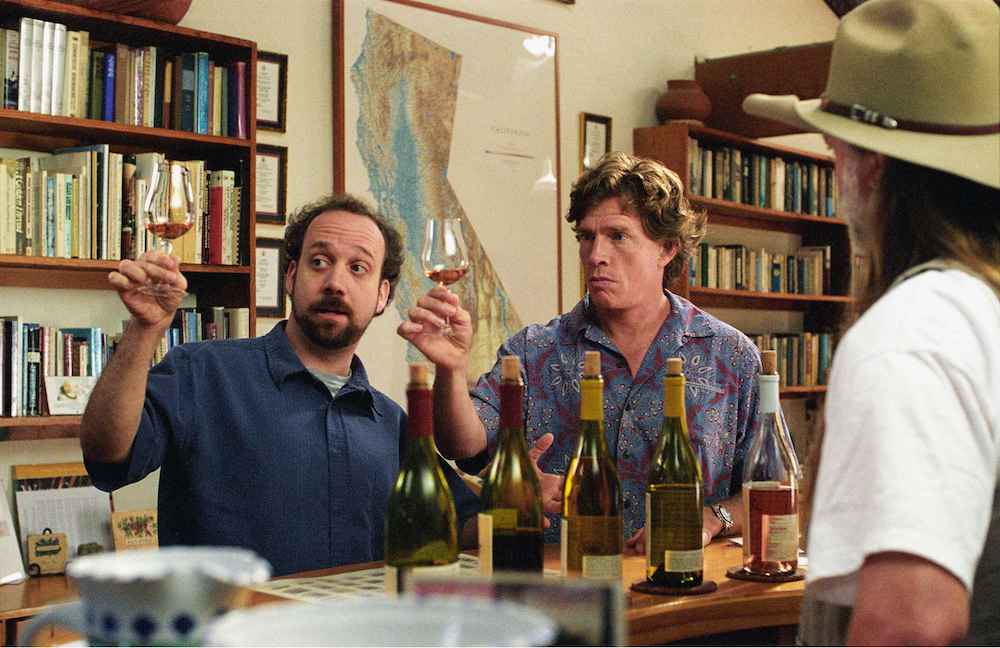
My own journey of press trips began shortly after my first wine column was published at the Calgary Sun in and around 2000. One of the very first junkets offered to me was an invitation, all expenses paid, to attend the announcement that Le Clos Jordanne was building a grandiose winery designed by Frank Gehry in the middle of their vineyard on the Beamsville Bench. Since that time, I have been to (some more than once) Burgundy, Bordeaux, Germany, Singapore, Napa Valley (numerous times), Paso Robles, Sonoma, Santa Barbara (movie junket to interview the cast of Sideways) Australia (twice, both flying first class), Kananaskis, Alberta (to play golf and drink Penfolds wines with PGA tour player Stephen Ames), the Okanagan Valley (multiple trips), Niagara (when living out west), Branson, Missouri (for golf and wine), Jamaica (twice to visit Appleton Rum with the delightful Joy Spence), Finger Lakes, San Francisco (numerous times for the annual Penfolds Grange release, and annual Zinfandel festival), Georgia’s Gulf Shores, and a cork factory in Zebulon, N.C. I know I’ve missed some, but that’s what I can remember.
Here are a few of my more memorable junkets:
My favourite wine junket
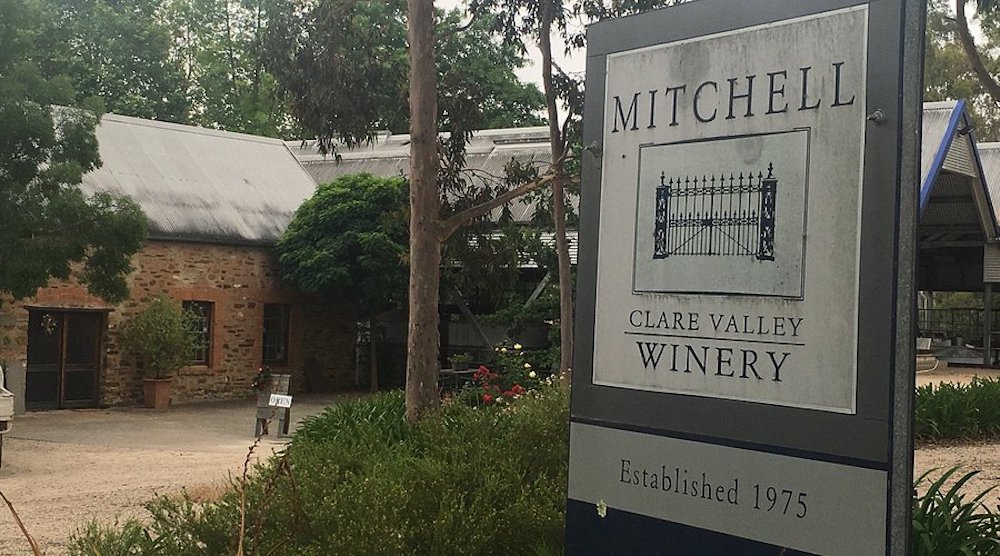
It was 1998 and I was half-way through a gruelling 10-day solo junket in Australia. I was being shuttled from one winery to the next, my over-sized suitcase in tow with barely a break anywhere along the way. One day, dog tired and craving just a couple of hours to myself, I found myself in the Clare Valley at the quaint Mitchell Winery on a wet, cold, windy and otherwise dreary winter’s day Down Under.
I was met by Andrew Mitchell and explained to him my journey thus far had worn me out. I was simply out of gas. He quickly and thankfully suggested skipping the winery tour and heading instead to his family cottage to warm up, drink some wine and chat, which was music to my ears. We were met at the door by Andrew’s wife Jane and inside there were enticing aromas wafting from the kitchen. Andrew Mitchell started hauling out bottles of wines and we drank heartily.
The smells were overwhelming as Jane coaxed us to the table where Andrew had found room for another six bottles of wine. Piping hot plates of osso buco were dropped in front of us. Diving into that glorious dish of lamb put it all into perspective when paired with the Mitchell’s Peppertree Shiraz. At that moment in time, there wasn’t a more perfect place to be or a more perfect bottle of wine to share with new friends who had opened their home to a tired stranger. It became my favourite destination from all my travel junkets to date and provided the fodder for one of the best junket stories I ever wrote.
My worst junket

I put this one on me. Why would I accept a press trip to a synthetic wine cork manufacturing plant in Zebulon, N.C.? Yet here I was at Nomacorc where 7 million synthetic corks are made every year (or maybe every day, I don’t, I wasn’t paying attention). There was no story to be had, no one wanted a feature on corks, and it ended up being three days I’ll never get back. Great fried chicken in North Carolina, though.
My most uncomfortable junket

Look, my first trip of Germany was an eye-opener. It is such a beautiful wine destination with spectacular Rieslings (always paired and white spargel), and hosts who opened their homes and ancient, cob-webbed cellars to our eclectic group of journalists (and one LCBO buyer) everywhere we went. However, we could have skipped the big Schmitt Söhne Wines factory tour where we were made to wear white robes and matching hats as we watched millions of bottles of Relax Riesling come tumbling down the bottling line. No one was about to write a word about that, but here we were for most of the day because Schmitt Söhne paid a good portion of the costs for us to be in Germany.
Also, why would an LCBO buyer be on a wine writer junket? That’s what we were wondering. He did not care about the wines, didn’t really taste them or add to the dialogue whatsoever. The only time he spoke (that I can remember) was to ask the proprietor of a historic Riesling estate if he could get wine A with the label of wine B at the super low price of wine C and could he get 100,000 bottles sent to Ontario in time for the fall. No answer was forthcoming.
My most useless junket
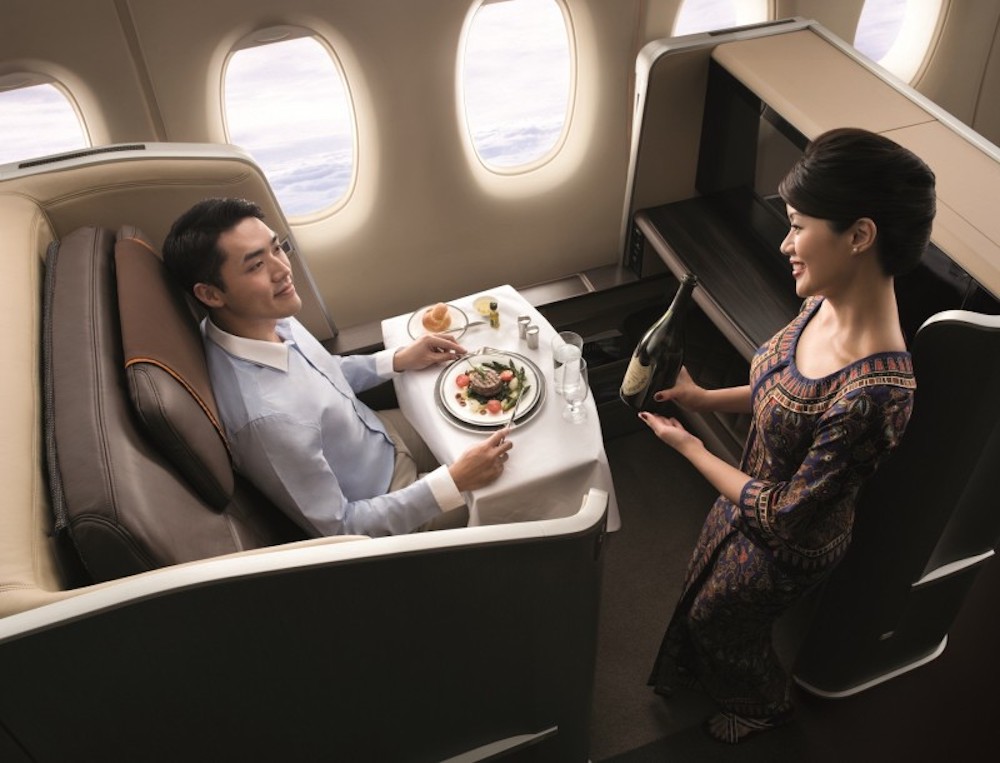
It was billed as a chance to help choose the wines that would be served to clients of Singapore Airlines and learning about tasting wine in at high altitudes. I was to join Steven Spurrier, Michael Hill-Smith and Jancis Robinson at a tasting of the world’s finest wines. So, of course I jumped at the chance.
I flew first class out of Toronto to Singapore, spent over a week there in first-class accommodations, and did in fact taste with Spurrier, Hill-Smith and Robinson one day. Well, I would describe it more as I “watched” the three world-renowned wine critics taste and choose the wines while I asked the odd question and took the odd note. No one really wanted my opinion or cared less what I had to say. I also visited the laboratory where the wines were tasted in conditions replicating high altitudes and attended a dinner in honour of the three main judges.
Then I was left on my own to wander the streets of Singapore, eating street food, drinking, and then more eating and drinking for six days and nights before my return flight. Yes, I wrote a story. Not the one I wanted to write, but the only I could write.
My favourite recurring junket

I spent a few consecutive years flying down to San Francisco from Calgary for the annual North American release of Penfolds top wines, including the venerable Grange. It was a spectacular couple of days presided over by Peter Gago, the chief winemaker at Penfolds and the man in charge of crafting Grange, Australia’s most iconic wine, since 2002.
It wasn’t just Grange we tasted, but the entire top tier collection of Penfolds’ best wines and back vintages to see just how they are evolving. All of that served with a multi-course pairing meal from a top chef in San Francisco. A truly magical tasting that few in the world will ever experience … yet I did, not once but several times.
My favourite wine junket marketing co-ordinator
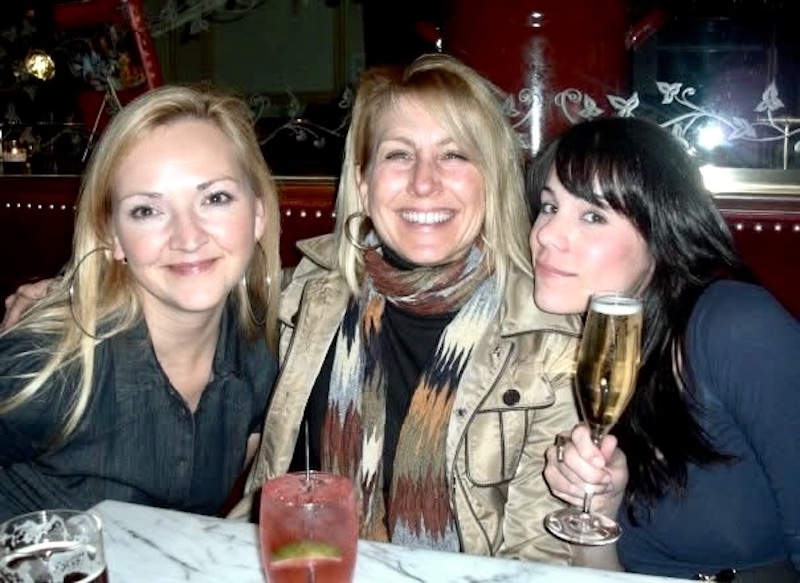
Tough one here, so many passionate marketing folks doing a tough job corralling myriad media members for junkets all with different agendas and ideas for the stories they wanted to write. But Paula Oreskovich, who was the driving force behind California Wines in Canada from 1993 to 2012, knew exactly how to handle any situation. The junkets went through her, and if you were on her list, you were always treated to a first class visit to wine regions in California and exclusive tastings of Cali wines in Toronto or Vancouver.
Paula was tough, a masterful herder of unruly journos, and kept a tight schedule for scribes in her care, but she also understood the limitations of wine media (and their various quirks) and would listen to concerns when the herd believed there were too many appointments on the agenda or too many dinners or too much of everything. Paula would reshuffle the decks as best as she could to arrange more free time for journalists to wind down, have a nap or just enjoy a cold beer at the nearest bar to our hotel.
Paula did not ask what you were going to write or how you were writing it but always reached out with kind words once you published your stories. Cheers to that!

Shout out, also, to Angela Lyons who accommodated wine writers for some of the best junkets EVER while representing Southcorp (later Fosters). Trips to San Francisco to sip various vintages of Penfolds Grange and golfing with Canadian PGA Tour player Stephen Ames in the mountains of Kananaskis, Alberta, followed by dinner and more Penfolds wine? Hard to beat that. Cheers!
Comment here