

By Rick VanSickle
If most winemakers who provided insight into our 2025 Ontario harvest report are an indication, make room in your cellar the next great vintage.
The 2025 harvest season didn’t begin on a positive note, with a cool start putting everything a little behind the eight ball. But that was followed by a hot, dry summer and timely rain, which balanced the harvest and paved the way for what many feel is going to be an excellent year for long-lived wines, reminiscent of the perfect 2020 vintage.



The harvest began on Sept. 3, five days later than the 2024 harvest. It wasn’t a perfect recipe or the kind of worry-free vintage that 2020 provided, but by the time harvest rolled around, winemakers began to feel confident that an excellent year was afoot for both red and white grapes across the board in 2025, with concentration of fruit and plenty of zippy acidity for freshness.
That “zippy acidity” has winemakers licking their chops, especially in combination with concentration of fruit and ripe tannins in the red grapes, conditions that point to a vintage worth cellaring.
“After a year of weather plot twists,” VQA concluded in its final assessment of the 2025 vintage in Niagara, “from fake spring to a stubborn summer heat wave, Ontario growers still brought in fruit with incredible flavour and balance. Early signs point to a vintage with the depth and energy we saw in 2022, 2023 and 2024, setting up 2025 to be another standout year for Ontario wine.”


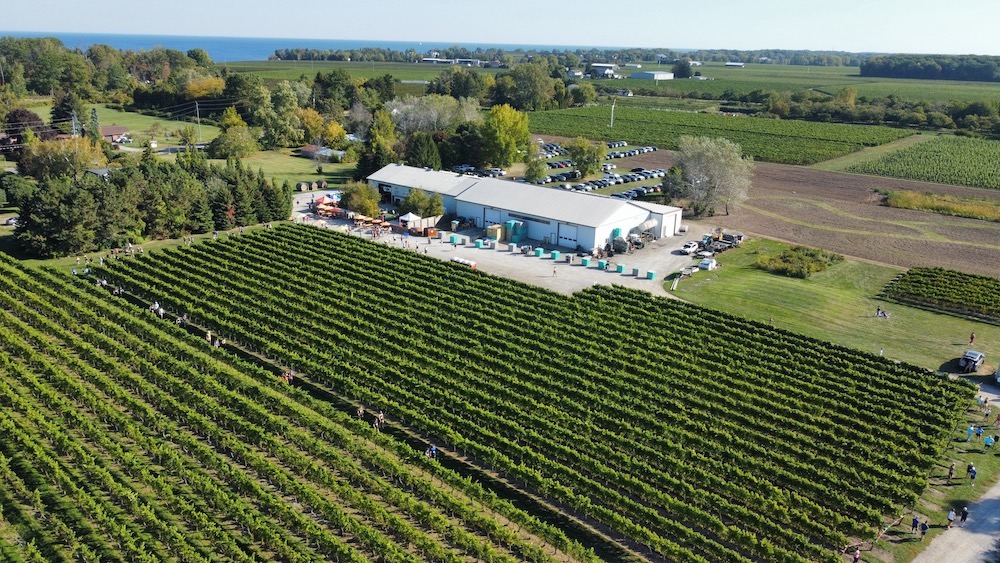
VQA also noted, that “while yields across all three designated viticultural areas — Prince Edward County, Niagara and Lake Erie North Shore — were slightly lower than expected across several varieties, quality is reportedly quite high.”
In Prince Edward County, wet and rainy conditions delayed the season, according to VQA. By spring, the weather seemed to co-operate, offering less rain, more sunshine and dry conditions.
“A well-timed rain event in the late summer was welcomed by growers and provided a break from the drought, said Last House Vineyard proprietor Andre Gagne. “Vines recovered quickly, and grapes continued to ripen, meeting or exceeding brix requirements. Grapes from the County showed a depth of flavour, well-balanced acid, and peak phenolic ripeness.”
Even in the emerging region of the Ottawa Valley, where growing conditions were both hot and dry, with cooler evenings, and a smaller crop load, “we were able to achieve ideal ripeness, and extended hang time before harvest started on Sept. 27,” said KIN Vineyards winemaker Brian Hamilton said.
“Carp Ridge Chardonnay and Pinot Noir both show great colour, depth, complexity and freshness and will follow a 10-month elevage before bottling. Historically, these wines have enjoyed 2-3 years of bottle time prior to release permitting a great integration and display of finesse,” Hamilton said.
The story was similar in Lake Erie North Shore, with some wineries 7-10 days behind the 2024 season, but grape quality by the time harvest rolled around was exceptional.
Despite the exceptional quality for 2025, winemakers showed concern for the lower yields in a year that wineries were scrambling to get their hands on whatever grapes they could.
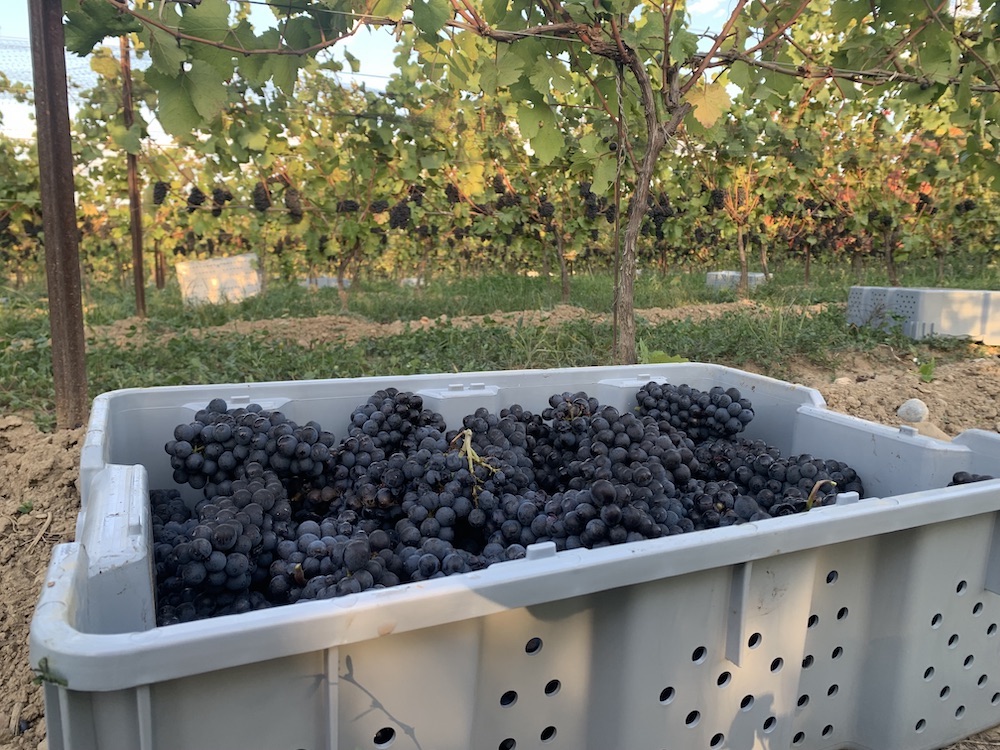
Vineland Estate winemaker Brian Schmidt said: “The most important feature of 2025 was not the quality of the wine we will make — it was the changes in how and where that wine can be sold in Ontario. The tectonic plates were shifting beneath us, rearranging our retail landscape in real time,” he said.
“The provincial government made selling wine in convenience stores, grocery stores, Costco, the LCBO, and a winery’s own onsite retail stores more advantageous, he said. “Fold into this mix the opportunity presented to us by products from the U.S. being removed from store shelves. This shift provided new opportunities for Ontario grape growers and winemakers. We had been given a gift. More Ontario VQA wine would be made and enjoyed. Historically we lived with the threat that surplus grapes grown in Ontario would not find a home. That concern was gone. Wineries were now asking for more grapes to meet the demand for VQA wine.”
While a short crop hurts wineries’ bottom line, consumers will benefit from the quality of wines coming their way and are advised to stock up as they are released.
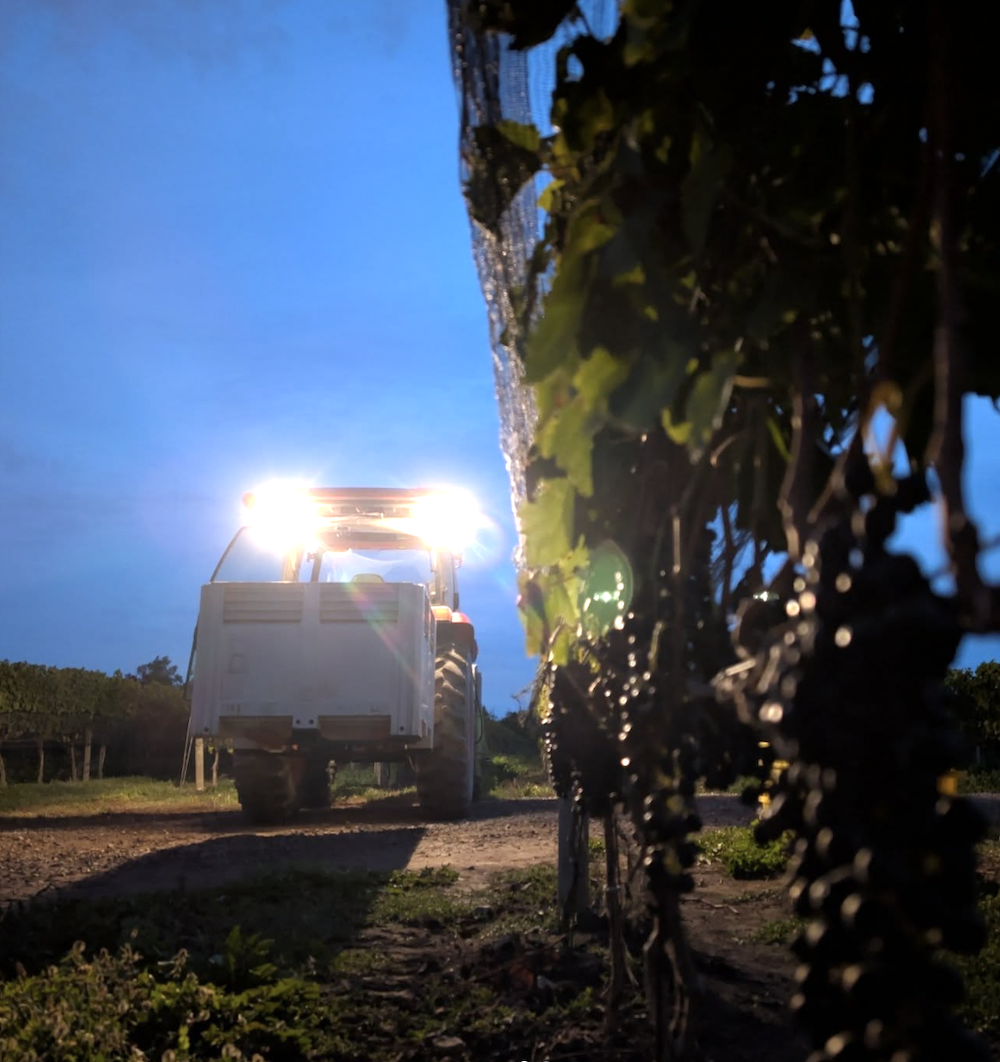
And, of course, the question everyone asking: will 2025 be better than 2020? “We’ll need another 14 months before making that call, but the reds looked very promising heading into barrel,” said Domaine Queylus winemaker Kelly Mason. “If those early impressions hold, you may want to mark your calendar for 2027 and be ready to scoop up the reds from your favourite local producers.”
As I do for nearly every vintage report, I like to reach back into the cellar for an older vintage wine to see how our drinking windows (below in the vintage chart) are holding up. I found a Vineland Estate Merlot from the 2002 vintage that absolutely shocked me.
The vintage was rated 9 stars out of 10 by Wines in Niagara with a drinking window to drink up for the bigger reds “with some Bordeaux blends still holding on nicely, if you like mature wines,” the chart declares. “Check on them and decide based on your tolerance for aged wines.”
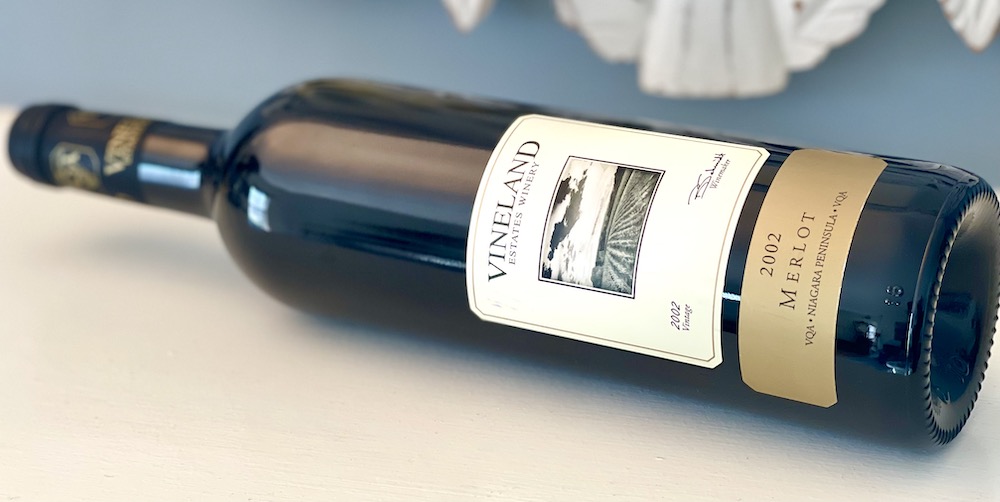
As I said, what a surprise to open the 2002 Vineland Estate Merlot. You never truly know what you are going to get from a nearly 25-year-old Niagara red wine, with so many variables all conspiring against success.
Luckily, with this one, it had clearly been cellared perfectly and showed no signs of low ullage, label stains, or seepage whatsoever. I removed the cork easily with The Durand cork remover and was able to liberate it intact before it crumbled into a heap on the counter with no pieces left behind in the bottle.
As I poured it into the glass, it was still a vibrant ruby red colour with no bricking and made its presence known immediately. It was beautifully lifted and perfumed with sandalwood, ripe black cherries, jammy strawberries, baking spices, wild blueberries and tertiary notes of dried herbs and cocoa. On the palate it showed a medley of crushed red berries, anise, forest floor, bay leaves and thyme, bittersweet chocolate, and a touch of pepper on a silky-smooth frame that comes at you in layer after layer. It was remarkably fresh still and more elegant than muscular on a lifted and long finish. What a treat to taste and enjoy a Niagara Merlot with that much time in the bottle.
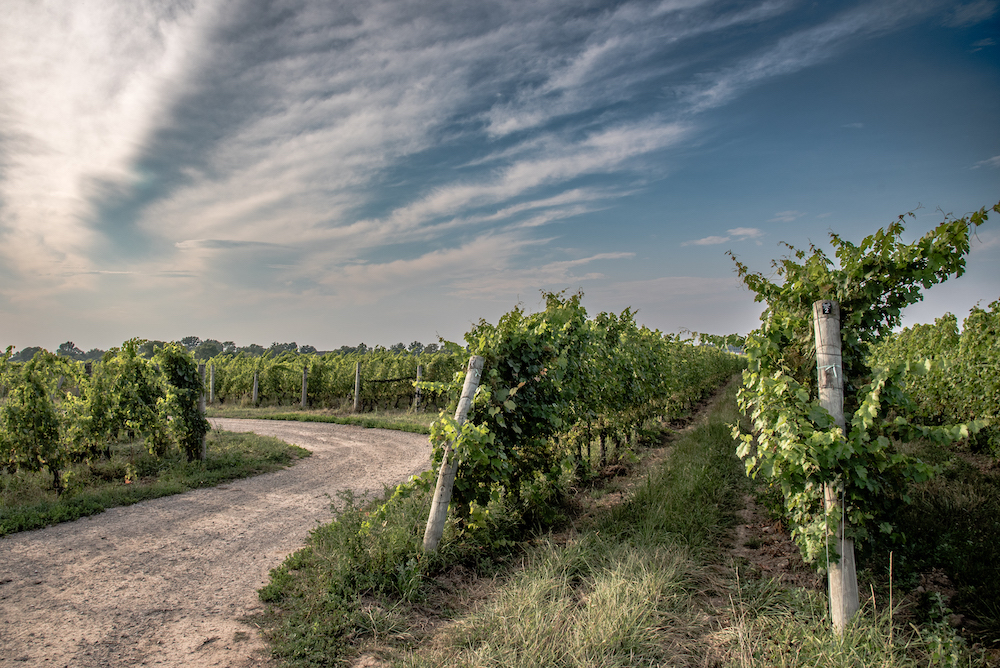
Cellaring wine is a matter of preference for consumers. Not everyone appreciates wines that have been aged for any length of time, with some preferring the freshness and grippy tannic structure over tertiary flavours and a more rounded finish. But, if you are like me, a perfectly aged bottle of wine — whether for pleasure, or professional assessment — is an unforgettable experience especially if you open one that is at its peak of perfection.
Older wines, slowly matured in a well-designed cellar (or at the very least, a cool corner of the basement free of vibration and sunlight), is the thing that really excites me about the vinous world. I am in awe every time I open an older vintage wine that has not only stood the test of time but has benefited from a lengthy tour of duty in the cellar. I am not impressed by vinegar; I am looking for transformative wines that are better in their waning years than they were as pups.
The wines that make the earth move under my feet tend to be those that age gracefully for five, 10 and 20 years or more. These wines bring pleasure in the way they have grown up, integrated and evolved to reveal those interesting, more nuanced flavours you just don’t get in a young wine.
This is our 16th year of publishing a vintage chart on Wines in Niagara It provides an ever-evolving assessment of aging potential. It is updated once a year as each new vintage arrives and spans 27 vintages now.
A quick guide for aging Ontario wines
• Chardonnay: 3-7 years (warm vintages sooner, rather than later)
• Riesling: 3-15 years (drink warm vintages earlier)
• Pinot Gris/Grigio, Sauvignon Blanc: 1-2 years
• Pinot Noir: 5-10 years
• Gamay: 1-3 years (I generally drink Gamays young, but have seen a move to more robust styles, which might change the thinking here)
• Bordeaux varieties and blends: 5-15 years (lots of factors to consider: acidity, warm or cool vintage, oak treatment, tannins, producer, etc.)
• Syrah: 5-10 years (cooler vintages age longer)
• Appassimento red wines: 7-12 years
• Sparkling: 3-7 years (only traditionally-made wines and it will depend on time already on lees and disgorgement)
• Icewine: 7-15 years (very tricky to predict but look for high acidity and sweetness levels that will carry the wine and improve it over the years. I rarely drink icewine that’s not cellared for some amount of time).

Most winemakers in Wines in Niagara’s extensive two-part harvest report published here on March 16 and here on March 18, feel the 2025 wines, not unlike the 2024 vintage will equal or surpass the quality of wines from the near-perfect 2020 vintage.
As with any rating system, the score is less important than the description of the vintage. That is especially true when discussing a region such as Ontario where so many varieties of grapes are grown. What’s good for the bolder Bordeaux varieties isn’t necessarily good for aromatic whites and early ripening red grapes in any given vintage. It is rare that, in terms of ageability, a year is a total failure or a resounding success in Ontario. That said, most winemakers who contributed to the 2025 vintage report felt that varieties across the board were equally among one of the top vintages since we have produced this vintage chart. A rarity, to be sure.
And, just to be clear, when cellaring your Ontario treasures, the drinking windows offered in the various vintage descriptions are likely understated because it’s far safer to offer you an earlier window rather than suggest that you drink something well past its prime. The long-lived vintages of 2025 (potentially), 2024, 2020, 2016, 2012, 2010, 2007, 2002 and 1998 enjoyed spectacular, near perfect weather for grape growing and gave winemakers the raw ingredients to make stunning wines for many years to come, especially in the bolder style wines.
And while I found pleasure in tasting the 2002 Vineland Estates Merlot recently and continue to taste reds from 1998, the very first near perfect vintage, and other early vintages, I know it will be hit and miss depending on cellar conditions, producer, cork choices and myriad other factors. If you find a great one, be thankful, but don’t expect every bottle from these vintages to impress you.
The point is, as you cellar more and more of your favourite Ontario wines, let your palate be your guide. You are your own best judge for knowing when to drink your wines according to your tastes. This vintage chart is just a starting point for your journey.
Ontario Wine Vintage charts going back to 1998
2025 ★★★★★★★★★ (9 out of 10, tentative)
This turned out to be one of the rarer vintages in Ontario. First of all, if history is our guide, it’s mainly the even years that have proven to be more cellar worthy. It was also a year that started out poorly with a cool spring and late start to the harvest on Sept. 3, five days later than the 2024 harvest. But by the time the hot and dry summer turned to harvest, winemakers began to feel confident of an excellent year for both red and white grapes across the board in 2025, with concentration of fruit, ripe tannins in the red wines and plenty of zippy acidity for freshness. It was a small harvest in a year that wineries were really hoping for a bigger crop to satisfy the growing success at grocery stores, Costco, convenience stores and at the LCBO, where the ban on U.S. wines has meant soaring sales for Ontario wines. The fact is, there just weren’t enough grapes to go around, which doesn’t impact the quality of the vintage, but does hurt the bottom line for wineries. Winemakers also noted that both white wines, from Rieslings to Chardonnays, and red wines from Pinot Noir to the bigger red varieties and Rhone grapes, all equally benefited from the 2025 growing season with built in acidity across the board to go with concentration of fruit and ripe tannins — a recipe for longevity in the cellar. With the 2025 vintage potentially joining many of the great vintages in Ontario — 2024, 2020, 2016, 2012, 2010, 2007, 2002 and 1998 — consumers should be excited to get their hands on these wines as we start to see the fresh white wines released this spring, followed by the oak-aged whites in a year or two and the bigger reds in two or three years. This is not a vintage to sleep on — with tiny quantities in a bull market, you will have to act fast to secure the wines you want.
Whites: We are just beginning to see the early white wines released into the market. The few I have tasted are fruit-laden with racy acidity bringing a nice freshness to the wines. But it’s early days still to be rating the vintage with any authority until we start seeing the top examples of Chardonnays, Rieslings, and the growing trend of Rhone variety white grapes. Right now, we are relying on what winemakers have told us about the potential of the vintage, which was widely praised across all appellations in Ontario. Picking was conducted at a leisurely pace and there were few issues during harvest. It all points to a banner year for white wines following on the heels of an equally excellent vintage in 2024.
Reds: While no red wines have been released yet (aside from some early Gamays for the nouveau style), there is excitement from the winemakers we talked to during and after the harvest. It many ways 2025 was a miracle vintage after a cool, rainy spring turned to a hot, dry summer and ideal conditions come harvest time. Like the white wines, the 2025 red wines are concentrated with balancing acidity. The Pinot Noirs and Gamays will be a bit more concentrated in 2025 but should maintain freshness. As for the Bordeaux grape varieties and blends, they have the potential to reach blockbuster status as they now rest in oak barrels awaiting their debut two or three years down the road. If predictions hold true from winemakers, 2025 will be a perfect vintage for cellaring VQA Ontario red wines once they are released. The same holds true for the Rhone varieties, Baco Noirs and appassimento style reds.
2024 ★★★★★★★★½ (8.5 out of 10, still tentative, but updated)
We are still calling this a tentative rating as we continue to await the bigger red wines that aren’t released yet. Many winemakers put the 2024 vintage close to or even surpassing the near perfect 2020 vintage, but Wines in Niagara is not yet ready to go that far. We will say it’s going to be fun watching both this vintage and the 2025 vintage that winemakers have heaped high praise on, and for good reason. The vintage had perfect conditions from the early bud break to the warm late fall that allowed for a long hang time, especially for the Bordeaux red varieties. But there was a little hiccup that needs to be addressed in the early fall with moisture and disease pressure. Chardonnay and Riesling were at risk, and it will depend on picking decisions to see where the quality ends up for both these important varieties. “Aside from some mild concerns about early-ripening, thin-skinned grapes (almost all grapes beginning with the name Pinot), the harvest was a wild success,” said Brian Schmidt, winemaker at Vineland Estates. The growing season in most Ontario regions started with a mild winter and no spring frost events, with no significant vine damage reported. Spring was warmer than usual, prompting some growers to report an early start to the season, up to a week ahead of normal. The summer was marked by above-average temperatures, with warm days and warmer-than-usual evenings. The region experienced a reduced diurnal temperature range, but this resulted in intense flavours and colour development in the grapes. Veraison occurred up to five days earlier than usual for some varieties. The harvest season was favourable, with warm September temperatures and some humidity linked to extreme weather events. Despite some disease risk, especially for white varieties, growers who waited for their red varieties saw exceptional ripeness and good acid balance, reminiscent of the excellent 2020 vintage. October brought three days of rain, but overall, the season was dry. Storms were rare, and many growers reported that rain events forecasted by weather networks did not materialize in wine country.
Whites: The white wines that have been released and tasted by Wines in Niagara show no signs of the feared potential of disease in the grapes. We still predict that those who could pick early, before the rain and disease pressure, should and have bottled some lovely Chards and Riesling with both concentration and freshness. Most other white varieties fared well with plenty of ripeness and acidity to keep it fresh as they age. The season started early, enjoyed a warm summer and long fall, with just that little bit of pesky rain in early fall.
Reds: It should be a blockbuster year for the reds, especially the Bordeaux varieties, but Wines in Niagara is still awaiting many of the benchmark red to be released. It was drama free for thick-skinned grapes, which weathered the rain and enjoyed a long, drama-free fall that enabled picking at a leisurely pace. The Pinot Noirs, some of which are in the marketplace, show both concentration and finesse. There are no issues reported for the Gamays and Syrahs.
2023 ★★★★★★★★ (8 out of 10)
The vintage was remarkably saved by a dry, warm fall that provided relief from the wet, dreary, and smoke-filled summer that put harvest behind in most Ontario regions by up to three weeks. In the end, most varieties in all regions came out the other side in good shape and winemakers were breathing a sigh of relief. The crop was bountiful, so much so that it created the biggest surplus of grapes since 2008, resulting in 6,000 tonnes or so of fruit being cut to the ground without buyers. Many winemakers praised the quality of Niagara stalwarts such as Pinot Noir, Gamay, Riesling, and Gamay, while others were impressed with Sauvignon Blanc, Pinot Gris and both Cabernet Franc and Merlot. “I would say that the star of the vintage is probably Pinot Noir,” said winemaker/owner at Leaning Post Wines Ilya Senchuk. “We were able to pick beautiful, clean, fully ripe Pinot from four different single vineyards at 22-23 brix across all of them, with lovely ripeness and acidity. And they are in very different sub-appellations (St. David’s, Beamsville Bench and two in Lincoln Lakeshore). That rarely happens anywhere, and especially rarely in relatively humid Niagara.” Wine lovers will enjoy one on the best Sauvignon Blanc vintages in recent memory, superb Riesling, concentrated (but not jammy), structured reds such as Cabernet Franc, Merlot, and the fresher Gamays, along with elegant, ripe, finessed Chardonnays. Cabernet Sauvignon fans will find pleasure in those producers who thinned their crops and left the berries hang for as long as possible. It might take some diligence on the part of the consumer or stick to your favourites to find the best examples. Another bright light will be the icewines. Those grapes benefited from a robust vintage following a few pared down harvests post-COVID. Winemakers were able to harvest frozen grapes at their leisure in mid-January at optimum brix.
Whites: Chardonnay, Riesling, and Sauvignon Blanc are the early favourites for the stars of the 2023 vintage. As they have started appearing on store shelves, they are living up to their potential. Conditions were perfect for those grapes to develop vibrant fruit and juicy acidity from warm days and cool nights prior to harvest. That acidity has enabled the Rieslings to age gracefully and provide pleasure for years to come and offer balance to the more structured, oak-aged Chardonnays. In Lake Erie North Shore, the whites exhibit vibrant acidity, showcasing the bright fruit character and minerality inherent in the grapes. Riesling stands out from the crowd. In Prince Edward County, the superstar Chardonnay grape shows a harmonious balance of acidity, ripe fruits and distinct minerality.
Hold or drink Sauvignon Blancs, drink Pinot Grigios, and keep holding on to both Chardonnays and Rieslings (unless you prefer that racy acidity).
Reds: Red wine lovers will appreciate the quality of both Pinot Noir and Cabernet Franc in 2023. The extended growing season contributed to the development of ripe, concentrated primary fruit flavours and complexity in combination with firm tannins and finesse. Both varieties are providing cellaring opportunities especially for the top producers. Gamay, Syrah and Merlot are showing well in the short term and benefit in the long term, with tell-tale acidity for finesse and extended phenolic ripeness from the late fall “miracle” that took these varieties across the finish line. We’re still anticipating a highly cellarable red vintage, with wines of ripe tannic structure, complexity, purity of fruit and laced with juicy acidity. The reds in Lake Erie North Shore showcase a rich fruit expression, well-integrated tannins, and a balanced structure. Cabernet Franc and Merlot have excelled in this vintage. In the County, Pinot Noir lovers will be delighted by the 2023 vintage, which displays the full spectrum of red fruit aromas balanced with juicy acidity. The extended ripening period has contributed to refined tannins and a velvety mouthfeel. This vintage has been particularly kind to Cabernet Franc, with the grapes achieving full phenolic ripeness.
Start drinking the Gamays, can hold the Bordeaux reds and Syrahs or start drinking if you prefer fresher styles.
2022 ★★★★★★★½ (7½ out of 10)
Don’t let the fact that the overall harvest in 2022 was slashed in half due a wet fall in 2021, followed by a brief but severe cold episode in the winter of 2022, guide your buying decisions as these wines are now in the market. Make no doubt about it, there will are some very good wines from this vintage, but it will take astute buying prowess to get them — there just isn’t a lot of it to go around. Some wineries will have more wine than others, depending on how they were impacted by the deep freeze. Many winemakers who were able to harvest Sauvignon Blanc and Pinot Gris were impressed with the quality of the fruit, but there were tiny quantities of both. Riesling, as usual, is intense, concentrated and built to cellar. But it’s Chardonnay that seems to be the superstar on the white side, with one winemaker calling them “focused, fresh and concentrated.” On the red side, winemakers and growers are impressed with how well Cabernet Franc evolved over the harvest. What little Syrah that was harvested was of excellent quality and both Burgundian superstars in Niagara — Pinot Noir and Gamay — are showing great potential. As for icewine, it was one of the smallest harvests for icewine in decades. Only a handful of wineries even picked icewine due to the short crop of grapes. The quality looks good from what was harvested, it will just be rare to find a bottle of 2022 icewine.
Whites: Niagara winemakers are excited with the Chardonnay grapes that were harvested in 2022 along with the Riesling that wasn’t impacted by the wet(ish) fall. What little Sauvignon Blanc and Pinot Gris that was harvested is of high quality and sparkling grapes harvested early should provide exciting bubbles down the road (especially the lees aged examples to come). Prince Edward County winemakers, less impacted by the winter freeze, are excited by their superstar Chardonnay harvest. Lake Erie North Shore had a relatively normal season, so anticipate a good white vintage across the board. Both Chardonnays and Rieslings can age well, while the fresher whites can be consumed upon purchase.
Drink Sauvignon Blancs and Pinot Gris, hold the Chardonnays or start drinking.
Reds: It was another banner year for Cabernet Franc in Niagara and LENS. One Niagara winemaker feels 2022 eclipses 2020 for richness and complexity. The Burgundian grapes of Pinot Noir and Gamay also should perform at the top level, while Syrah, Merlot, and Cabernet Sauvignon, though hit the hardest by the cold and in short supply, are performing well. LENS enjoyed an even season and will produce fine reds across the board and PEC winemakers are excited with the Pinot Noirs, though there are lower yields across the board. The biggest takeaway for 2022 for consumers is to not sleep on the vintage. There are some sensational wines now in the marketplace, but you will have to act fast if you want them in your cellar. It’s best to cellar the bigger red wines.
Drink Gamays and drink or hold Pinot Noirs. Hold the Bordeaux reds and Syrah.
2021 ★★★★★★½ (6½ out of 10)
Our rating for 2021 is on the lower end for vintages in Ontario, but in line with 2014, 2011 and 2006, all of which were impacted by a wet fall or a chilly growing season. There is no getting around 2021 as a less desirable vintage, but it doesn’t mean many wineries weren’t able to work through the drastically wet fall during harvest, it just means consumers had to be vigilant when buying wines from 2021. There were (are) some nice ones out there, especially the early-ripening whites, sparkling wines, Gamays, some Pinots and Chardonnays, Cabernet Francs and even some Bordeaux varieties that came out on the other side of the rains intact. Some varieties, such as Riesling, got caught in the middle of the rain and breakdown of the grapes, causing some wineries to abandon making their top single-vineyard wines. It was a matter of picking decisions, that in some cases, meant picking before the rains while the grapes had not yet achieved high enough Brix (sugar content) required by VQA. 2021 is a vintage that tested the skill of winemakers in the field and the decisions they made on the fly will determine the quality of their wines. Consumers must make buying decisions based on those producers they trust and taste for themselves before purchasing. There are some very fine wines, but unlike 2020, where everything seemed to work out, you might want to be more selective. As for icewine, because the harvest was smaller and sales of Canada’s signature wine have plummeted due to COVID, pre-registration was up from last year, but still far off pre-COVID numbers.
Whites: Drink Pinot Gris and Sauvignon Blancs, you can drink or hold some Chardonnays and Rieslings (to 2027). The early white wine releases fared well and were good to go on release. Some Rieslings (those picked before the rain) from top producers we have tasted are good to excellent as are the Pinot Grigios (Gris), Sauvignon Blancs and Chardonnays (again, pre-rain), plus the sparkling wines. Prince Edward County winemakers are happy with their Chardonnays grown in the County. We have tasted a fair number of white wines to date and feel these are early drinking wines, except for Chardonnay and Rieslings, which both have potential to age.
Reds: Gamays, Cabernet Francs and Pinot Noirs, not impacted by the rain, are the superstars on the red side of things. The other Bordeaux varieties of Merlot and Cabernet Sauvignon have depended on how they fared through all the wetness and disease pressure. The jury is out on these varieties; we tasted some good examples and some not so good ones. A lot of the bigger reds were declassified and blended into other red grapes. Prince Edward County reports good results from Pinot Noir. Drink Pinot Noirs now to 2027, and top Bdx varieties now to 2029.
2020 ★★★★★★★★★★ (10 out of 10)
Yes, you read that correctly. The 10 out of 10 rating for 2020 is richly deserved. It was a perfect vintage in Ontario. In the full vintage report published in 2021, 30 winemakers said they were confident that 2020 was the best they have seen in their winemaking careers in Ontario. There are few comparables. Yes, it was hot like 1998, 2002, 2007, 2010, 2012 and 2016, but 2020 was different; it was more favourable to all varieties across the board. It is the rarest of vintages when all grapes in Ontario (if picked at the right time) reach phenolic ripeness and maintain the acidity needed for balance, but, by all accounts, 2020, had both of those key ingredients as well as ripe tannins that will provide the structure and longevity in the red wines and offer complexity, elegance, body and freshness in the white wines across the board. While there were minor issues with early frost outside of Niagara and a crop 20% below normal levels across the board, by harvest the grapes benefited from ideal hang time, phenolic ripeness and each varietal was picked in optimum succession from beginning to end. It was a stress-free harvest and the one bright spot in an otherwise horrid year of COVID. Every winery we talked to bottled their top reserve reds, single-vineyard Pinot Noirs and Chardonnays. This is a vintage built for your cellar. As for icewine, because the harvest was smaller and sales of Canada’s signature wine have plummeted due to COVID, very little was made in 2020, but what was made should be sensational. We are nearing the end of seeing 2020 reds being released, but most of the top wineries have released their best reds by now. If you see any of these 2020 red hanging around, go get them!
Whites: Drink Chardonnays, they are so good but can hold to 2028 if you prefer softer wines, Rieslings can hold to 2028, top wines longer, and drink Sauvignon Blancs and Pinot Gris. The whites have lived up to their predictions — fruit-packed, elegant, fresh, and lively. The Rieslings, Chardonnays and Sauvignon Blancs are showing much more wonderful concentration and complexity than previous vintages and the Chardonnays in particular, remain candidates for the cellar. You can safely wait on all of these but consider drinking the Sauvignon Blancs while the Rieslings and Chards can cellar to 2028, or drink now.
Reds: Hold red Bordeaux varieties, blends and appassimento styles to 2030, start drinking Gamays, drink or hold Pinot Noirs (to 2028), drink or hold Syrahs (to 2027). The reds from 2020 are living up to the hype. Concentrated Bdx blends, rich and textured Pinots, up-front Gamays and some of the best Cab Francs to date in Niagara. The bigger reds are proving to be long-lasting, cellarable examples that will rival those from 1998, some of which are still going strong today. You will want to buy and hold the top examples. A dream vintage.
2019 ★★★★★★★ (7 out of 10)
You hear it a lot in Ontario — that was the wildest harvest ever! Well, in 2019, it truly was the craziest growing season in a very long time. A wet, cool spring put everything behind by about two weeks. Summer brought typical weather with normal temperatures across Ontario and the growing season got under way. Flowering occurred quickly as the grapevines accelerated their growing but struggled to make up for the late start. July was warm and sunny, punctuated by intense heat waves and high humidity. August was warm and intermittently stormy, leading into a comparatively quiet September, cool with some rain – but bringing decent conditions to finish off the summer and begin the harvest season. Early ripening grape varieties escaped the wild weather of late fall and especially an unusually early cold snap in mid-November. Yield reductions were common for many of the red varieties to ensure optimal ripeness, particularly for later maturing varieties. Harvest extended into early December, sometimes taking place in the snow. The first icewine grapes were picked on Nov. 12, well before a lot of the red Bordeaux varieties. White wines are the superstars of the vintage with crispness, ripe fruit, and finesse. Early ripening reds such as Pinot Noir are proving to be beautiful, built in the vein of the 2009s. The fuller-bodied reds will depend on the winery, winemaker and picking decisions (and, perhaps, technology). One thing is certain, there was no lack of freshness in Ontario wines from 2019.
Whites: Start drinking aromatic whites (you can hold Rieslings until 2025), drink or hold Chardonnay, but not too much longer.
Reds: Drink Gamays, hold another year or two or start drinking Pinots, hold Bordeaux varietals a couple of years or top examples to 2027+.
2018 ★★★★★★★★ (8 out of 10)
These are wines with freshness, depth and complexity, generally speaking. It was an ideal summer; hot, dry and long, sunny days. Everything was ahead on the ripening front, and it appeared to be another 2016 or 2012. But heavy rain and thundershowers mid-harvest turned the vintage on its ear and left many growers and winemakers with tough decisions to make in the vineyard (not to mention being dog tired). In some cases, it was a choice between saving one variety over another. The quality of the wines entirely depends on what decisions were made — not only in the vineyard but also in the winery. Most wines made with grapes harvested before the rains began are exceptional. Those wines made with grapes harvested after the rains began must viewed through a different lens and assessed on a wine-by-wine basis. Winemakers felt the wines they did make were of good quality. The wines are tasting better than I anticipated, though there are low yields in many varieties.

Whites: Drink aromatic whites, including Rieslings, drink or hold Chardonnay for another year, but not more.
Reds: Drink Gamays, start drinking Pinots, hold Bordeaux varieties up to 2028.
2017 ★★★★★★★½ (7½ out of 10)
All summer long it looked grim for the 2017 grape harvest in Ontario with cool, wet weather and the odd hailstorm thrown in very good measure. Then Sept. 1 rolled around, bringing extended heat and sunshine for one of the nicest falls on record and one of the latest harvests on record. The extra hang time for the grapes provided some needed ripening (in some cases right into December) and turned a potentially disastrous vintage into a good one. It was also a record season in terms of tonnes of grapes harvested. It resulted in excellent quality for aromatic white wines and good to excellent results for Pinot Noir, Gamay and Cabernet Franc. A few wineries declassified their top Bordeaux-varietal-based red grapes (so watch for the lower tiered reds to benefit from those grapes). As the whites and some reds were released, I was impressed with the quality. It would appear Ontario fully recovered from the back-to-back winter-kill years of 2014-2015.
Whites: Drink aromatic whites, and if holding any of the Chards, starting drinking them, too.
Reds: Drink Gamays and Pinots (to 2026), hold or drink Bordeaux varietals to 2027, top expressions longer).
2016 ★★★★★★★★★½ (9½ out of 10)
Winter in 2016 was mild and drama-free for grape growers in Ontario. By mid-May, the vintage settled into a sustained pattern of much drier and slightly warmer than normal. Drought in some areas was a concern in some parts of Ontario. The hot, dry conditions prevailed throughout August, with lots of sunshine and just enough rain to keep drought conditions from becoming too severe. Targeted irrigation was required to sustain the young vines planted to fill in sporadic damage from the cold 2014 and 2015 winters. Weather conditions were very similar in all appellations except for a short but major rain event in Lake Erie North Shore in September. In all, the growing season presented outstanding opportunities for grape quality across Ontario. Harvest was early in all regions for all varietals and was stress-free with dry conditions and limited disease pressures. It was the perfect recipe to provide an excellent vintage. Virtually all grape varieties performed well in 2016 and were picked in pristine condition. This was a year to buy and hold those bigger red wines (Bordeaux varietals, Syrah, etc.) that will age gracefully for 10 years or more. The Chardonnays are generally more robust than in cooler years and the Pinot Noirs more complex. Rieslings will be riper and have immediate appeal. Across the board, this is a great vintage along the lines of 2012, 2010 and 2007 and a good bounce back from 2014-2015, even if the tonnage was not quite back to normal.
Whites: Drink up the whites.
Reds: Drink Gamays, and Pinot Noirs, hold on to bigger reds (save some for extended cellaring, up to 2028, maybe longer). This is a breakout year for appassimento-style reds, you can drink now or hold for a little longer (up to 2028).
2015 ★★★★★★★ (7 out of 10)
This was the second half of two brutal winters that caused a great deal of hardship and soul searching for winemakers and grape growers in Ontario. Record-breaking cold in the winter of 2015 was not what was needed after the horrible conditions of 2014. Many acres of grapes needed to be replanted, and wineries had to make tough decisions of what not to plant in their terroir. The summer growing season brought good conditions with few major storms and sunny warm weather in all appellations. Niagara was slightly drier than Prince Edward County and Lake Erie North Shore. September weather settled nicely into warm beautiful conditions for the start of harvest and, except for some rainy periods in October, fall weather was favourable. Harvest conditions were excellent and good weather prevailed for much of the harvest period. Overall, grape production across the province was moderately less than normal but slightly more than 2014 when tonnes harvested were substantially less than previous years. Cold temperatures in January and February resulted in markedly reduced crop yields in Lake Erie North Shore, and less than full production in Niagara Peninsula and Prince Edward County. Tender grape varieties were in short supply. The irony of the vintage, devastating winter kill aside, is that it all averaged out by harvest and created conditions that allowed Ontario’s classic varieties — Riesling, Cabernet Franc, Pinot Noir and Chardonnay — to show well, with concentration of flavours for the later ripening varieties that profited from the warm, dry summer and fall. In all, 2015 wines fared much better than 2014 wines, despite both vintages suffering through some of the most severe winter conditions seen in Ontario.
Whites: Time to drink up the Rieslings, Chardonnays and the rest of the whites from 2015.
Reds: Drink Pinot Noirs, Gamays and Cabernet Francs, and most of the reds in your cellar (top examples with a reputation for longevity can cellar through 2026). Syrah should be consumed now.
2014 ★★★★★★ (6 out of 10)
The year was highlighted by a brutal winter that ultimately caused wide-spread bud damage leading to vine death in several varieties including (but not limited to) Syrah, Merlot, Semillon and Sauvignon Blanc. Couple that with a cooler year that always seemed a couple of weeks behind, varieties such as Cabernet Sauvignon and Cabernet Franc were tested. It is not a year for big red blends, but, on the bright side, the early-ripening Rieslings, Chardonnays, Pinot Noirs and Gamays enjoyed a very nice harvest and provided some decent wines from the vintage. Savvy shoppers looked for de-classified reds from wineries with a trickle-down portfolio, good to excellent Rieslings, Pinots, Chards and Gamays. I have spoken to many winemakers who did not make their top red blends in 2014 and many others who replanted their damaged and dead vines with varietals more suited to all weather conditions in Ontario. Wines from Prince Edward County weren’t hit as hard as Niagara and Lake Erie North Shore for two reasons: They bury their vines (or use geo-textiles), and they don’t grow that many varietals outside of Chardonnay and Pinot Noir.
Whites: Drink up.
Reds: Early drinking reds, for the most part, drink up, and start drinking bigger reds; they just aren’t built for the long haul.
2013 ★★★★★★★½ (7½ out of 10)
It was a late start to the season with every kind of weather imaginable tossed into the equation. Hot, cold, wet, dry … it was a rollercoaster ride, especially in Niagara. When it was all said and done, the season played to each region’s strengths — Chardonnay, Pinot Noir, Riesling and Cabernet Franc in Niagara, Pinot and Chard in Prince Edward County and early ripening varieties in Lake Erie North Shore. Most aromatic whites across the board showed promise in 2013. Quality is spotty for the other Bordeaux varieties, Cabernet Sauvignon and Merlot, and anything that was left out on the vine to ripen late. I would call it a typical vintage for Niagara that plays to the strengths of what the region does best but some of the top bottlings, especially in big reds, have been de-classified. It was a record crop both for table wines and icewine grapes, which came in handy for 2014 after a severe January cold snap caused wide-spread damage to vines, mostly in Niagara and Lake Erie North Shore.
Whites: Drink up.
Reds: Drink up.
2012 ★★★★★★★★★½ (9½ out of 10)
The mood in Niagara during the early harvest of 2012 was one of pure joy. Ripe fruit in pristine condition after a long, hot summer and early fall sent grape pickers into the vineyards in mid-August to harvest early ripening varieties. It was one of the earliest harvests on record for all varieties with only a slight hiccup during a brief rainy period in September. Reports from all regions in Ontario indicated a near-perfect season with the Bordeaux-style red grapes leading the way. Winemakers were also excited by the white grapes, especially Chardonnay, Riesling and Sauvignon Blanc, that all showed both juicy ripeness and natural acidity. The largest icewine crop was netted since 2007, an indication that Canada’s most famous export was set for a rebound in 2012. Since first writing this report I have now tasted most of the key 2012 reds from this vintage and have re-evaluated many of the whites. I have upgraded the rating from 9 stars to 9½ because I feel strongly that 2012 will prove to be the best vintage Ontario has ever encountered to date (that is, until 2020 came along and now 2025). It’s not just the big red wines that are showing such promise, but all varieties across the board. Sort of unheard of until now.
Whites: Drink all the white wines now, but hold back a bottle or two of Riesling
Reds: For the most part, don’t hold Gamays and Pinot Noirs, but the bigger reds might surprise you if you have any in your cellars.
2011 ★★★★★★½ (6½ out of 10)
The extremely wet fall, during the peak of harvest for most varieties, meant careful buying strategies. Quality varied from winery to winery, and it depended a lot on picking decisions that were made. Pinot Noir, Gewürztraminer, Baco Noir and Cabernet Franc escaped the worst of the wet harvest, while Chardonnay was hardest hit. Late-harvest and icewine Rieslings were also affected by late-season rain. There were some very nice wines from 2011, however, if you shopped carefully. I have tried a few 2011s recently and downgraded my original rating by a half-point.
Whites: Drink now.
Reds: Drink now.
2010 ★★★★★★★★★ (9 out of 10)
Winemakers across Ontario have never been happier with a vintage (until 2020, 2012, and 2025 came along). The harvest started in the extreme heat of August and continued without concern through October. The red varieties, especially Cabernet Franc, Cabernet Sauvignon and Merlot, were some of the best grapes grown in Ontario and the top examples continue to age gracefully. Even some of the whites show wonderful complexity, without being too flabby and soft. You can consume most Ontario wines from 2010 with confidence.
Whites: Drink now.
Reds: Drink now. The very top bigger reds can stand a bit more cellaring but check in on them from 2026 and beyond.
2009 ★★★★★★★ (7 out of 10)
In many ways, 2009 was like 2008. A cool, wet summer put the harvest up to 14 days behind for most red varieties, but a long, warm fall saved the vintage. Aromatic whites, particularly many exceptional Rieslings, are the stars of the vintage, along with the fabulous Pinot Noirs that are proving to be the best in recent memory. Bordeaux varieties had trouble ripening, especially Cabernet Sauvignon. Many wineries didn’t make their top red wines.
Whites: Drink now, but Rieslings still showing staying power (check on them).
Reds: Drink now. Oddly, some 2019 Pinots have showed well lately, but check on them, as well.
2008 ★★★★★★★½ (7½ out of 10)
It was a wet growing season in Ontario, especially in Niagara and Prince Edward County, and grape ripening in all appellations was a challenge. The quality of this vintage depended entirely on vineyard management. Whites and cool-climate reds (Pinot Noir and Gamay) fared better than other varieties. The ’08 Rieslings and other white varieties are superb, but consumers should be selective with the reds. Complex Chardonnays are the stars of the vintage.
Whites: Drink now (or a little longer if you like that nice vein of petrol in your Rieslings).
Reds: Drink now.
2007 ★★★★★★★★★½ (9½ out of 10)
The growing season across Ontario was just about perfect. The 2007 vintage was the best in Ontario’s history, up to this point. It was warm, dry and ideal for extended hang time on the vines. The 2007 whites showed beautiful concentration of flavour but lacked acidity and fell apart quickly. The red wines are proving extraordinary, especially with some age on them, from variety to variety. Look for rich, ripe, concentrated Bordeaux-style reds built to last. I tasted a Henry of Pelham Reserve Cabernet/Merlot 2007 recently and it blew me away. It still has the stuffing to another 4+ years.
Whites: Drink up.
Reds: Drink now, but many of the better red Bdx grape examples continue to show nicely and will develop nicely for a few more years to come. You may be surprised if you have any in your cellar.
2006 ★★★★★★★ (7 out of 10)
Not as wet as 2008, but still humid and slightly cooler than normal. The mood was upbeat in Ontario as vines recovered from the terrible winter kill of 2005. There was plenty of sunshine in August, but a wet September meant wineries had to employ good vineyard selection. It was a decent year for Chardonnay, Riesling, Merlot, Gamay, Cabernet Franc and Pinot Noir, and a great year for icewines (that are aging nicely).
Whites: Drink now.
Reds: Drink now.
2005 ★★★★★★★ (7 out of 10)
This was a disastrous year. An extremely cold winter killed any hope for a healthy vintage, with more than half of the vintage wiped out. Many producers didn’t have enough wine to sell and suffered hefty financial losses. Both Lake Erie North Shore and Pelee Island fared better than Niagara. The irony of the vintage was that, even with a tiny crop, what was grown ended up being pretty good.
Whites: Drink now.
Reds: Drink now.
2004 ★★★★★★ (6 out of 10)
The 2004 vintage was a major relief for producers following the bad winter of 2003. Conditions improved immensely, and vines recovered from the previous winter kill. Some of the stars of the vintage included Riesling, Chardonnay, Pinot Noir, Cabernet Franc and Gamay. Tender varietals didn’t fare nearly as well.
Whites: Drink now.
Reds: Drink now.
2003 ★★★★★★★½ (7½ out of 10)
This vintage had it all: a horrible winter resulting in another short crop (a reduction of 45 per cent of all vinifera vines), the reappearance of the Asian lady beetle (which causes a nasty taint in wines) and, despite all of that, the emergence of some mighty fine whites. The rating for this vintage is really split between red and white wines: a 6.5 for red wines and an 8.5 for whites.
Whites: Drink now.
Reds: Drink now.
2002 ★★★★★★★★★ (9 out of 10)
A lot of winemakers rank this vintage up there with 2007 and 1998. This vintage was highlighted by severe drought conditions in all Ontario appellations for most of the summer. The resulting grapes ripened beautifully, with small, concentrated grapes, high sugar levels and tannins. A tasting of top 2002 cab-merlots in 2010 showed just how wonderful most of these reds have come along. Most are just now coming into balance and show wonderful fruit, spice and tannins.
Whites: Drink up.
Reds: Drink up, but some Bordeaux blends still holding on nicely, if you like mature wines. Check on them and decide based on your tolerance for aged wines. I opened a 2002 Vineland Estates Merlot for this report recently. As you can see from my notes at the top of this post, this red was gorgeous and still bring pleasure. It’s wines like this, from the best vintages, that makes cellaring so exciting.
1998 ★★★★★★★★★ (9 out of 10)
The best examples from this benchmark vintage are still showing beautifully. The whites have faded, but only just recently. This is considered by many to be the best vintage of the last century and the most significant vintage in Ontario’s history (2020 has eclipsed it, however). Recently opened bottles from this vintage are superb. The top Bordeaux-style reds continue to impress but all should be consumed now.
Whites: Drink up.
Reds: Drink up but be aware that if you have any 1998s in your cellar, you just might be pleasantly surprised.
Comment here